
Translated material
It became cold, it will be hungry
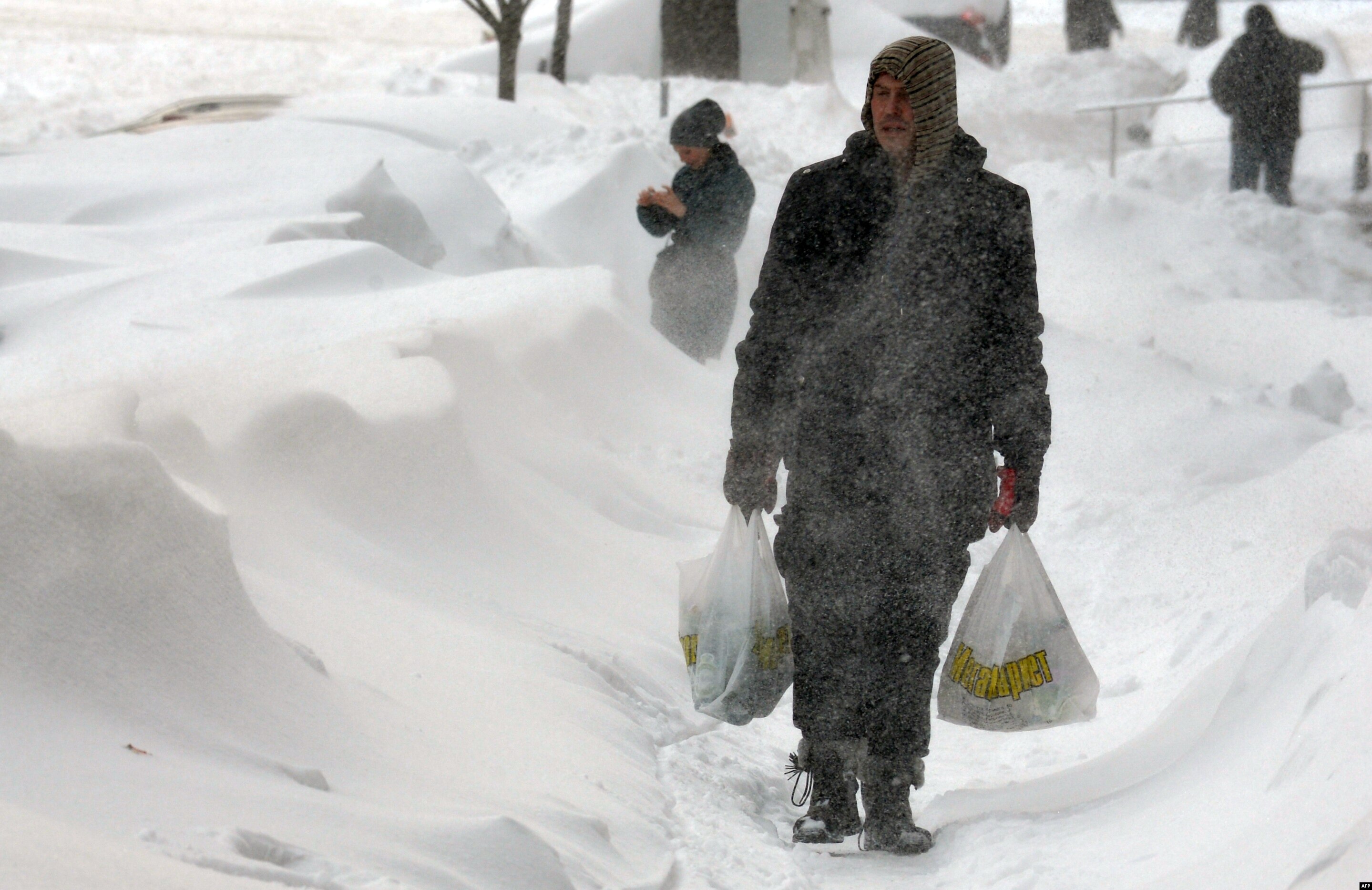
One of the main reasons for the influence of the cold on GDP in winter and early spring is that people can hardly get to work in bad weather or cannot come to the workplace at all. In addition, people are less likely to go shopping and restaurants, because they just do not want to stick their nose out into the street. In London, when it rains or snow outside the window, sales fall on an average of one percent. The cold is also damaged on the continent.
In Central Europe, for example, despite the end of March, the thermometer column does not always rise above zero during the day, and meteorologists report that the temperature records of previous years have been broken . This position does not allow to work, for example, to builders. The construction industry of the European Union in the past few years has suffered the most due to weak demand, but bad weather can worsen the position of the builders even stronger, since they cannot start work even for those orders that they have. The bankruptcy of small construction companies, which reached its peak at the end of last year, probably will not reduce the pace. Losses can also calculate energy companies-in those regions where electricity supplies were interrupted due to heavy snow.
There are specific numbers. The British have already calculated that due to the snowstorm in December 2010 per quarter by 0.5 percent, economic growth decreased. This time the fall of the economy is expected in the first three months of 2013 - this winter was colder than in previous years. Following this logic, the current snow storm in Kyiv, because of which the authorities declared an extraordinary weekend, will affect the economic indicators of Ukraine.
The influence of climatic changes on the economy has been talking in the United States for several years. Last year, the losses of insurance companies from Hurricane Sandy amounted to $ 140 billion - a little less than the harder of 2005, when five hurricanes collapsed on the coast during the year. By the way, this year, not only Europeans, but also Americans feel the current cold weather. This summer she was predicted by a group of scientists from the University of Ratger in New Jersey. They calculated how much ice melted in 2012 in the Arctic Ocean, and predicted that winter would be protracted and more windy compared to previous years.
According to the ISO analytical company, about 30 percent of GDP depends on the weather . At the same time, the geographical position of the country is important. In Europe, consumption in the northern countries and in the southern will differ in different weather. But the current cooling is felt by all countries of the region. On the other hand, not all sectors of the economy suffer losses from cold weather: gasoline consumption increases, because people prefer to move in cars or taxis, as well as the consumption of thermal energy, but this is not enough to create the necessary balance and avoid falling the economy. Paul Welsh, who studies the influence of atmospheric phenomena and climate on the level of sales in ISO, believes that customer behavior can be predicted for about two weeks in advance: it is for this time period that meteorologists make a relatively accurate forecast.
In Europe, cold weather in the next two weeks will not change dramatically . According to the most pessimistic forecasts, it will warm only in early April . The usual mechanism, when the losses of the economy in one month are compensated in the other, will not work this spring. This forces economists to predict that the growth of the weak-life economy of the EU countries may stop again due to the weather.