
Translated material
Pussy Riot as "Spring Spring"
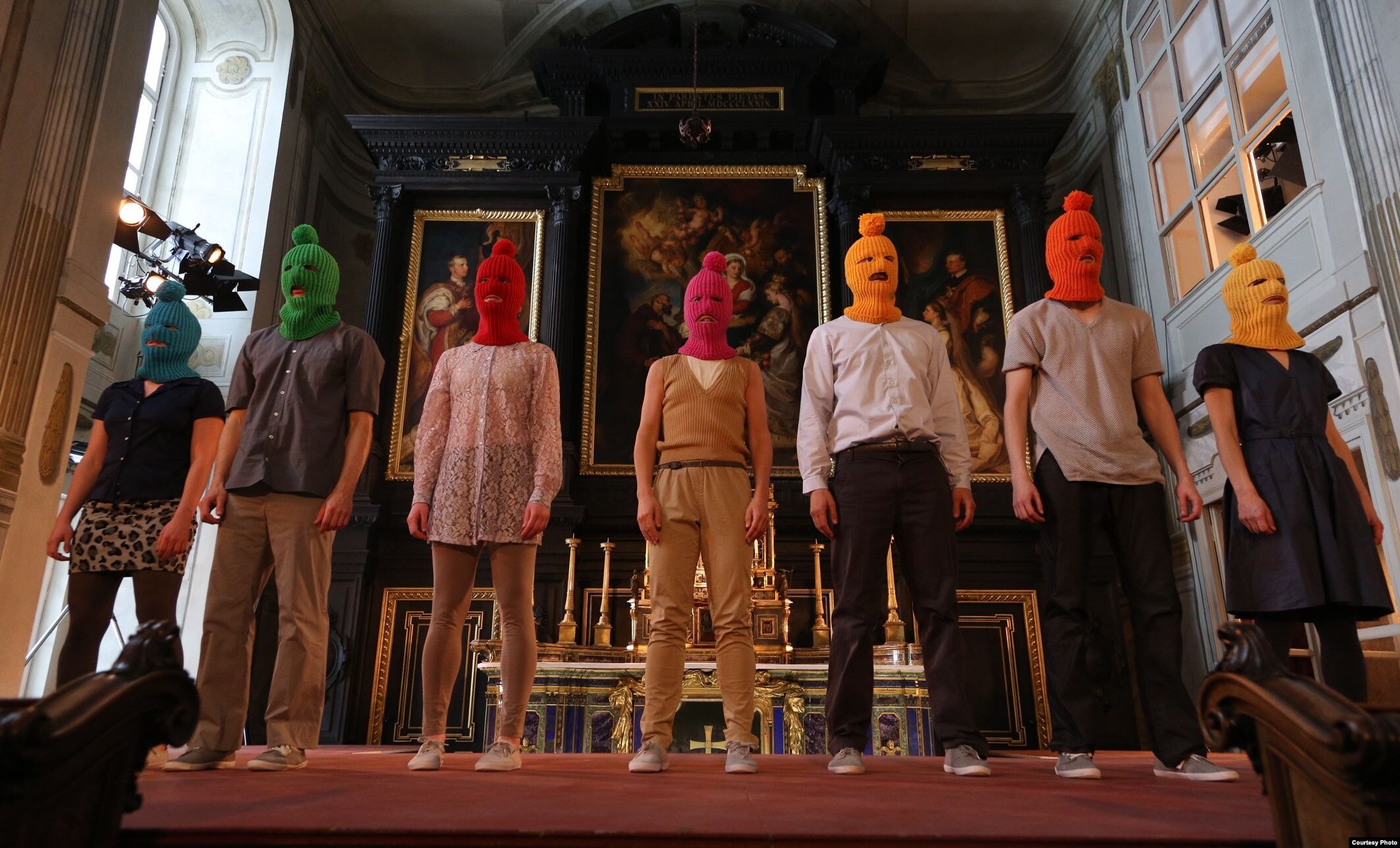
The idea to combine two scandals - historical and modern - in the character of Christina Gaigg, who, when asked whether it can be called a political choreographer, without hesitation answered: "Yes!" But where is the connection of the plots, what is the similarity? Isn't it too strange rapprochement? Christine Gaigg sees him in a motive for sacrifice, in the readiness of young women from Pussy Riot to sacrifice themselves, like the heroines of Stravinsky and Nizhinsky. Let me remind you that the basis of the plan of "Spring Spring" was the dream of Stravinsky, in which he saw an ancient ritual: a young girl, surrounded by the elders, dances to exhaustion to arouse spring, and dies. There is a scene in Stravinsky’s ballet: "The deaf night girls choose a great victim. One of them, chosen, imagining before God, will become the intercessor of the tribe." And Pussy Riot participants in their action, dance and prayer wanted, as Christina Gaigg understands, to bring the political spring in Russia and were ready to become victims of power on this path that they proved by the behavior in the trial.
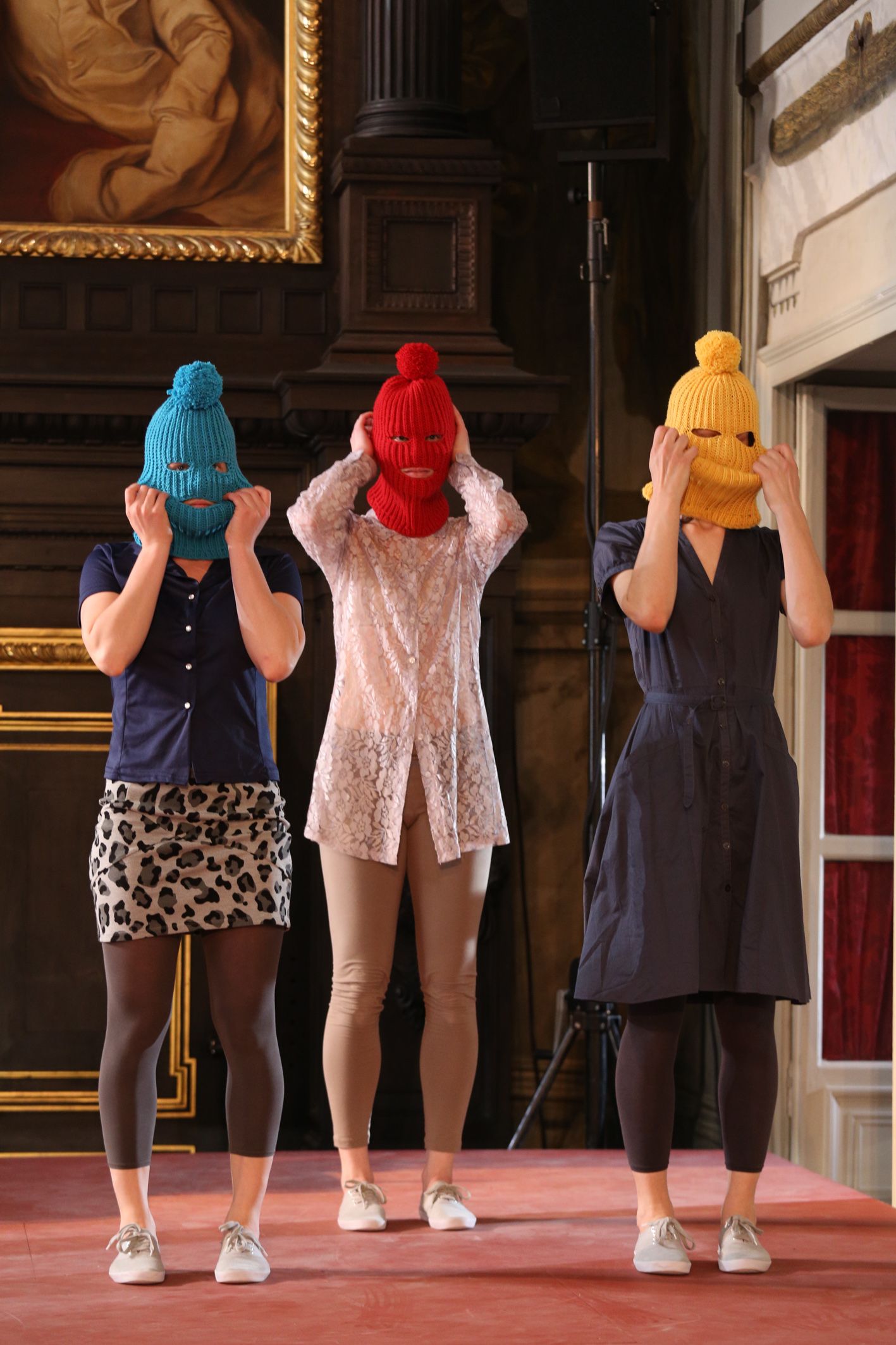
The purpose of the production was, according to the choreographer, the desire to force the Austrian audience to ask such questions as, for example: “What is a desecration? Is Pussy Riot’s action, causing conflicting reactions in Russia and unconditional support in the West, something more than just a provocation? What does it have the right to be inviolable and unfinished?”
About the new version of the ballet "Spring Spring" RS was told by the playwright of the performance, the Austrian culturologist Erich Klein :
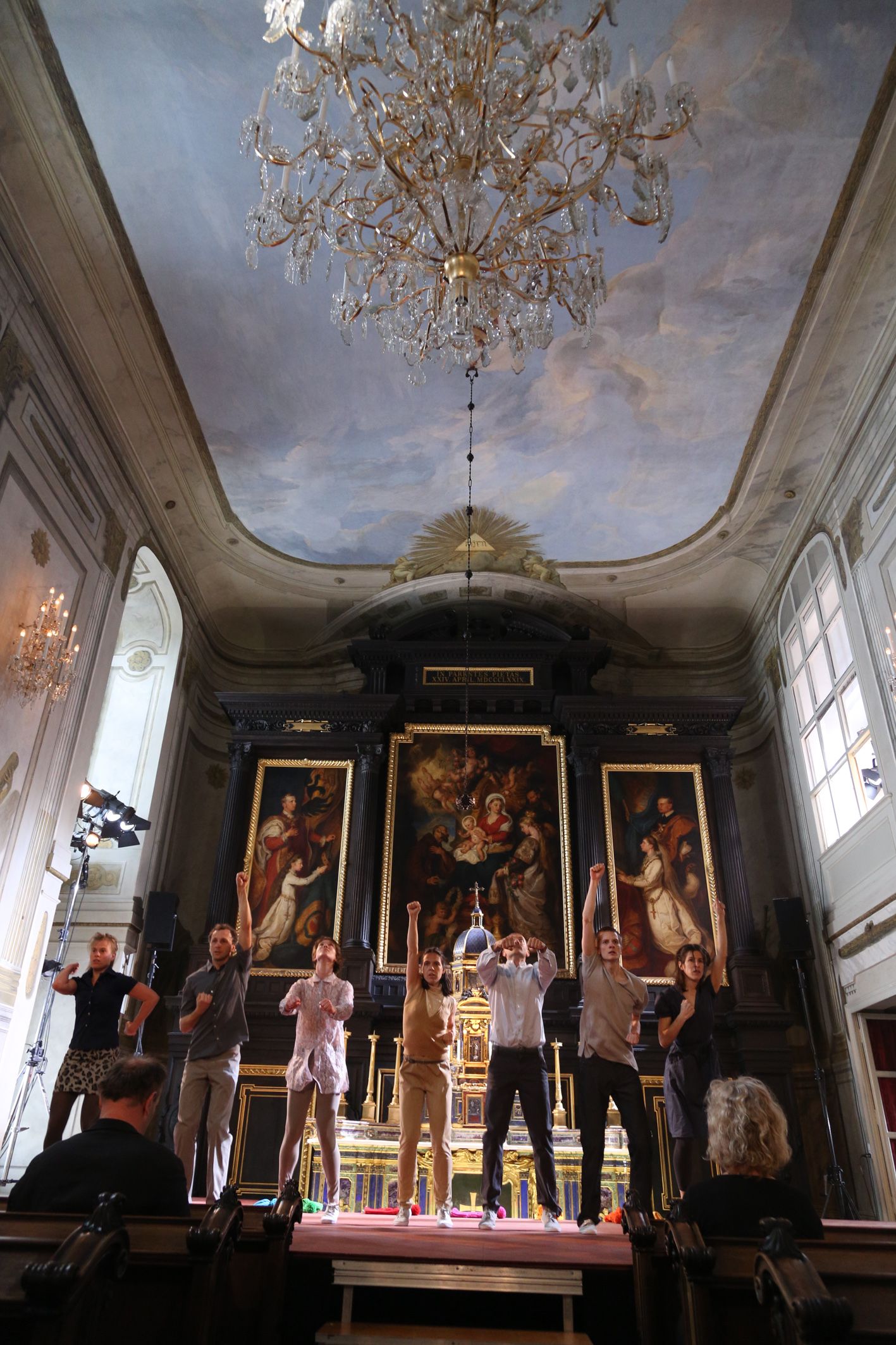
- It was a kind of closed show in Hofburg, the historical palace complex of the Habsburg dynasty and the current presidential palace. The chosen audience gathered, at the invitation of the president, and the performance was quite successful. After the performance, the president of Austria directly jumped onto the stage, applauded and thanked. Why did he have such a delight with Stravinsky’s music with variations on Pussy Riot themes, I find it difficult to say. Maybe the president felt relief, because in this performance the name of Putin had never sounded.
The performance was held in the chapel located in the complex of the palace. This space is actually little-known, it is no longer the current temple, they say that some kind of property of the presidential office, a kind of warehouse, was stored there. When I saw Josephcapelle, I remembered how in the early 1990s an elderly woman told me the temple in Uglich: "You know, in Soviet times there was a warehouse, and now this is a church!" Here, in Vienna, the opposite effect was obtained.
- What is your genre performance? If this is a modern ballet, what is your role in the playwright?
- This is a modern dance, a kind of parallel action - Stravinsky and the story of Pussy Riot, such a study, including what Pussy Riot was done in the Cathedral of Christ the Savior. In details, we studied all the movements of the girls, analyzed their plastic, we directly investigated the video clip, which became the reason for the scandal. In the play, the phonogram of the punk may not use, there were rather light, almost funny ballet movements.
-If you follow your parallels, it turns out that Russia is now experiencing about the same times as Austria of 40 years ago. Let us return to the content of the ballet: Stravinsky sees his heroine with a victim who died in the name of the awakening of spring. Girls from Pussy Riot in your view are also victims?
- This is exactly so, and such a parallel is significant. After the performance, such an interesting discussion with dancers arose. Choreographer Christine Gaygg and me at 50 years old, about 25 dancers, young guys - Poles, Czechs, Austrians. And then there was a small clash of generations. This younger generation of the Internet is warmly asks: “We made a performance, but did not use the words from the pussy riot prayer, the Virgin, Putin Drive!” After the performance, the president had a reception, and at the end of the evening I asked the young dancers to perform a punk moleben. The guests looked curiously, listen, applauded. But, as soon as the guys began to sing in German, as soon as the guys were singing in German, as soon They were immediately besieged by officials: "No, no, this is not necessary!" Young guys are ready for artistic provocations, for a direct action.
- What is the further fate of your presentation? He was shown for the elected Austrian public-as far as one can understand, with political fears, but still there were no scandal. And now? Ahead - Vienna opera?
- I don’t know whether the Vienna opera is ahead or the Vienna Cathedral of St. Stefan. The performance was held as part of a large festival of modern dance, there were representatives of different dance companies in the hall, and they were quite actively interested in: "How can we invite you?" - said Erich Klein.

Width PX Height PX
The url has been copied to your clipboard
No Media Source Currently Available
0:00 0:02:44Ballet Stravinsky had a subtitle "Picture of pagan Rus'." How Christian and how pagan was the reaction to Pussy Riot in Russia? 100 years ago, Stravinsky and Nizhinsky were accused of sacrilege in relation to art, the girls Pussy Riot were also accused of sacrilege - now in relation to the church. But the ballet in 1913, and the Pussy Riot campaign in our time, according to Christina Gaigg, in the nerve of the society of their time: the decadent aristocracy in Paris and the hybrid of the church and the state in today's Russia. In the modern political ballet "Spring Spring" in Vienna in the production of Christina Gaigg, the punk-grain-ground and speeches of the group member in court are also projected onto the stage. The famous balaclavs are now made glowing throughout the world. Kristina Gaigg said before the premiere: “When you compare the action that lasted for only a minute - after all, the performance did not actually take place - with the punishment and in general with the reaction of indignation, you ask yourself:“ What harm was done as a result of all this to Vera as such? ”
Fragment of the final issue of the Freedom Time program