
Translated material
Picasso, or farewell to nature
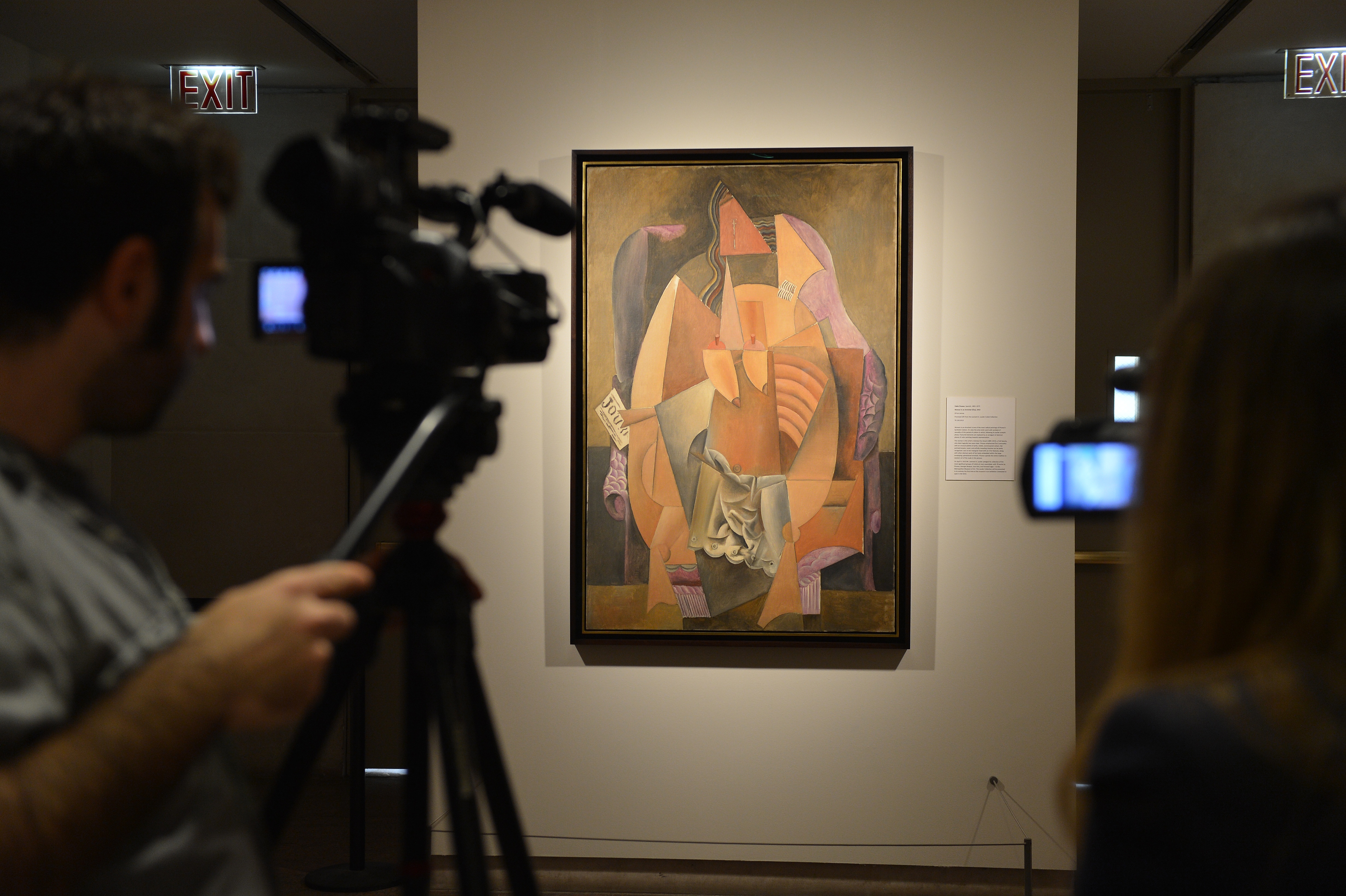
This is a good reason to talk about Picasso and Cubism. This topic is non -operating, because it is burning modern, relevant throughout the latest history, which begins in the twentieth century.
The mountains of books are written about cubism as a whole and about Picasso in particular. In this immense literature, I happened to read two very characteristic texts, in one of which a purely aesthetic analysis of the works and the Picasso method itself is given, and in the other - its philosophical meaning. The first is the book of Ivan Aksenov, Picasso and the Establishment, published in 1917, and the second text is an article by Nikolai Berdyaev about Picasso, which included in his pamphlet of the same 1917 “Art crisis”.
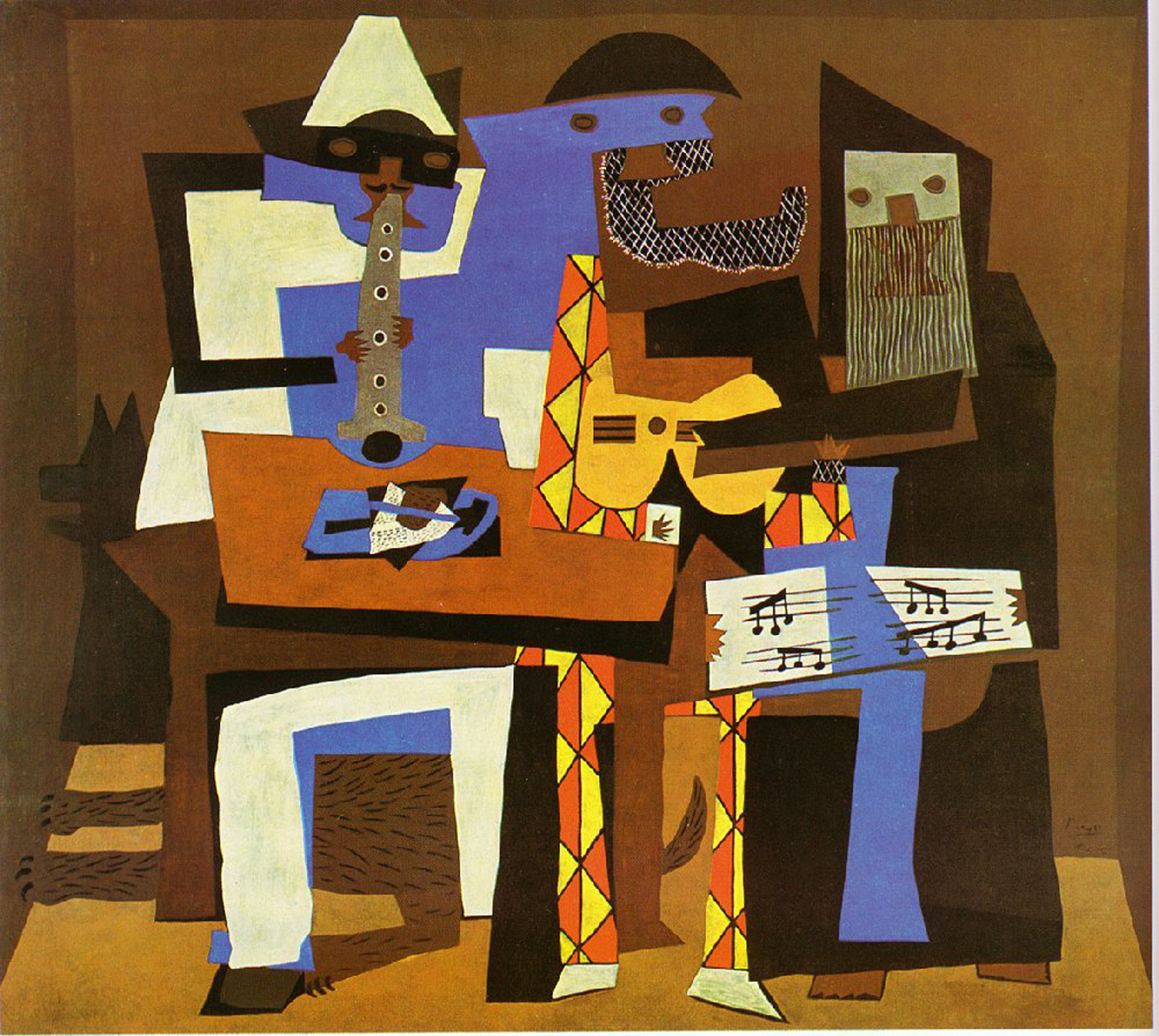
Aksenov approaches Picasso and Cubism strictly technically, technologically, from the techniques of his picturesque work. The non-artist and non-articularity will not everything clear to him. But you can understand its very installation - to talk about painting in terms of painting, picturesque skill: what is the artistic novelty of Picasso, how it works with colors, what changes have undergone traditional art techniques, for example, interpretation of prospects and volume. In Picasso, a self -awareness of painting, which got rid of the illusions of objectivity, realized that its genuine essence is the plane of the canvas and paint. Picasso's painting ceases to portray things of the visible world, she herself becomes a thing, a thing-for-saber. In essence, this is the same that formalists said about literature: art is the sum of techniques. Another literary reminiscence: the Ehrenburg Hulio Hworenito speaks with poets and artists about the roots of words or the quality of colors, leaving metaphysical discussions about art to English tourists and art critics. Ivan Aksenov has the same: he devotes one of the sections of his work to criticism of Berdyaev’s article about Picasso, that is, the claim itself to talk about art from a philosophical point of view.
Meanwhile, the article by Berdyaev is by no means superfluous in any conversation about Picasso and contemporary art in general, and about the most modernity. According to Berdyaev, the essence of present art, the crisis of art, as he says, is that the car entered the world triumphantly.
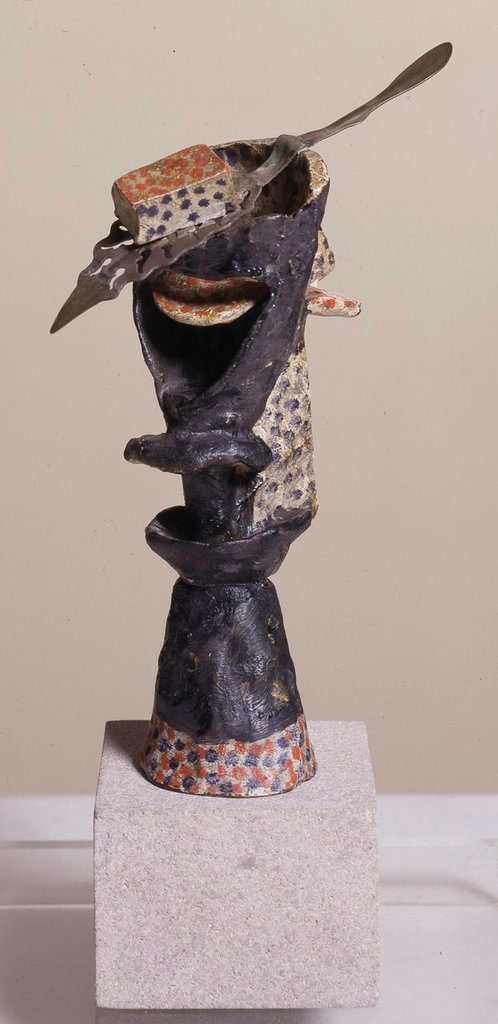
It is from here that - new painting, cubism, Picasso, responding to this catastrophic screening that speak his catastrophic language:
Painting was associated with the fortress of the embodied physical world and the stability of the designed matter. Now the painting is still experiencing an unprecedented crisis ... It cannot be called otherwise than dematerialization, the disgrace of painting. In painting, something seemingly opposite to the very nature of plastic arts is performed. Everything is already seemed to be obsolete in the field of embodied, material-critical painting. In modern painting, the spirit is not embodied, materialized, and matter itself is dematerialize, disinfected, loses its hardness, fortress, and design. Painting is immersed in the depths of matter and there, in the very last layers, does not find materiality.
That's right: in the depths of material being, as it became known, there is no already impenetrable matter, energy is outlined there.
But the point is not in physics, and not in metaphysics, but in painting itself. Because Picasso laid out the material world and plastic forms in his paintings, they, paintings, did not cease to be deeply picturesque, they tell a lot to the eye, no less than traditional painting, and they talk about the present, about the new sense of human being.
I do not presume to explain in technical terms why Picasso's paintings are good in a purely picturesque sense - I am not an art critic and not an artistic critic. I only want to emphasize that the Berdyaevsky interpretation of Picasso and Cubism is amazingly correct, and this correctness increases over time. The course of time now is a deepening of technogenic civilization. The fruits of technical inventions occupy more and more places in the world, already directly into the human biology: what is worth, for example, reproduction in test tubes or prospects for cloning or genetic engineering. Genes, that is, biology, - and at the same time engineering. As I once happened to say, Dolly's sheep is a modern substitute for the gospel lamb. Nature has ceased to be the basis of man, being in general and is done by something that needs protection.
Let us return to painting, to attempts to return to her figurativeness. Take a very large portrait artist-Lucien Freud. Well, who has the flesh, modern Rubens, so to speak. But what is this flesh? She is dead, this is the carrion that began to decompose - and already without any cubism, which decomposed volume into planar plans. This is the triumph of the spirit from the contrary. Lucien Freud is essentially Gnostik, like Berdyaev, who wrote in an article about Picasso, that the car ticks the spirit from captivity of matter.
We, creatures from flesh and blood, remains one consolation - sex. Especially separated by technology from childbearing.