
Translated material
Walks in Samara. Continuation
We continue to consider the architecture and sights of Samara. Today I propose to look at the Samara Academic Drama Theater. M. Gorky, Monument to Chapaev and the surroundings.
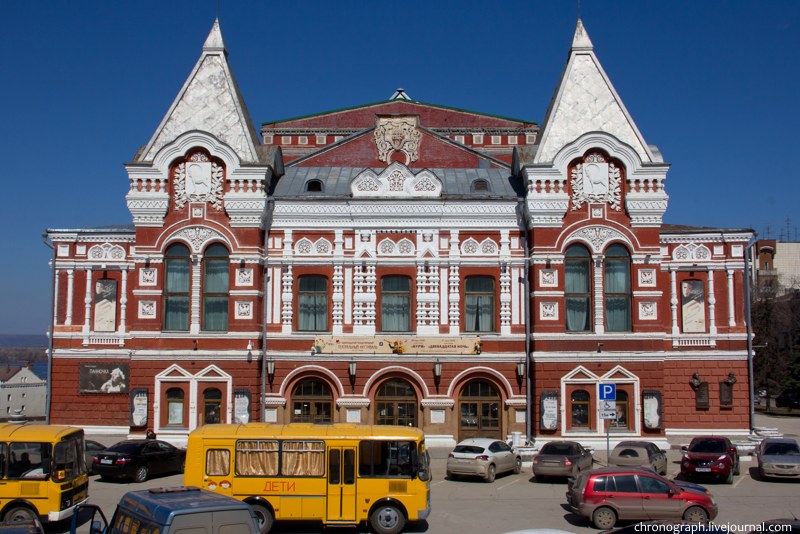
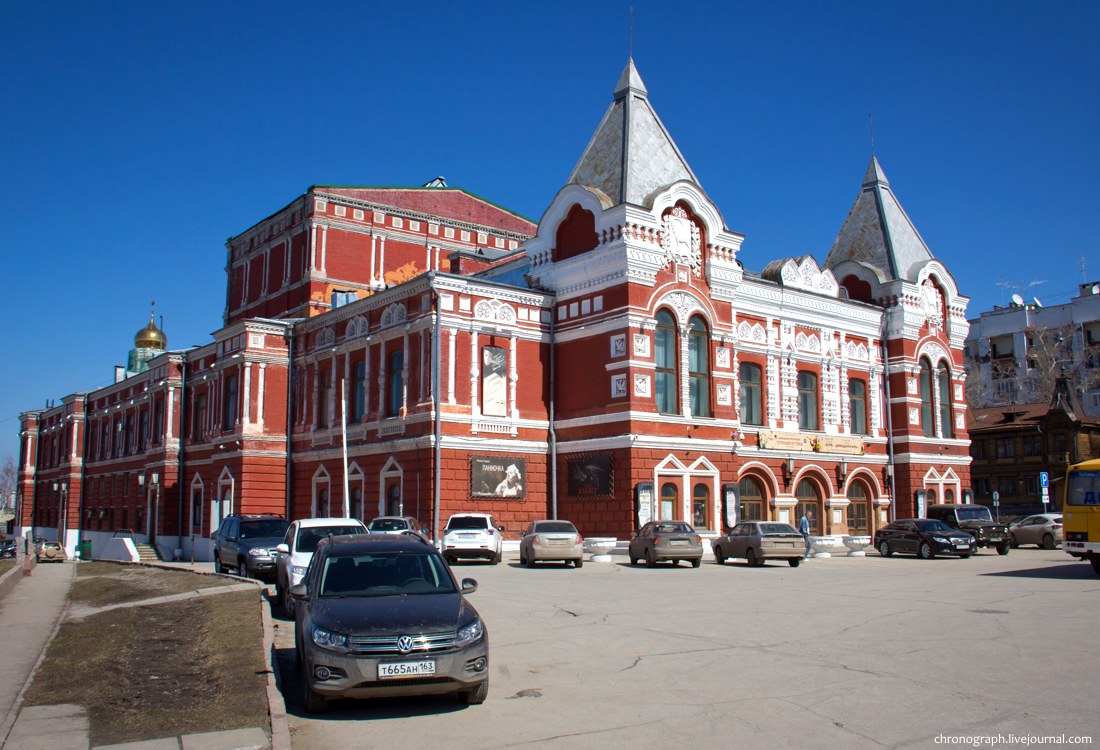
01. The Samara Drama Theater has been counting since 1851, when Samara was assigned the status of the provincial city. Then the first professional troupe appeared in Samara - the entreprise E. Strelkova, who performed in a specially adapted house of the merchant Lebedev. In 1854, Lebedev’s mansion burned down. In 1855, the theater appeared a wooden building, and in 1888 according to the project of architect M.N. Chichagova, a new stone building was built.
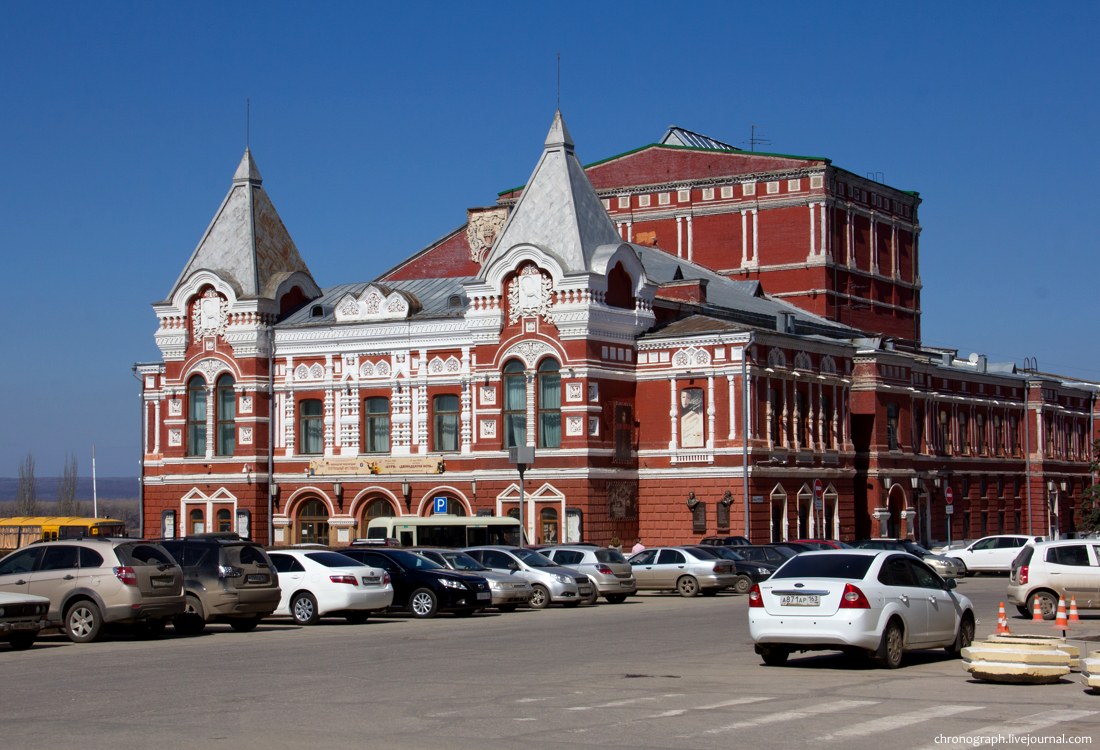
02. The theater building in the pseudo -Russian style of the townspeople began to be called "Teremkom" or "Gingerbread House".
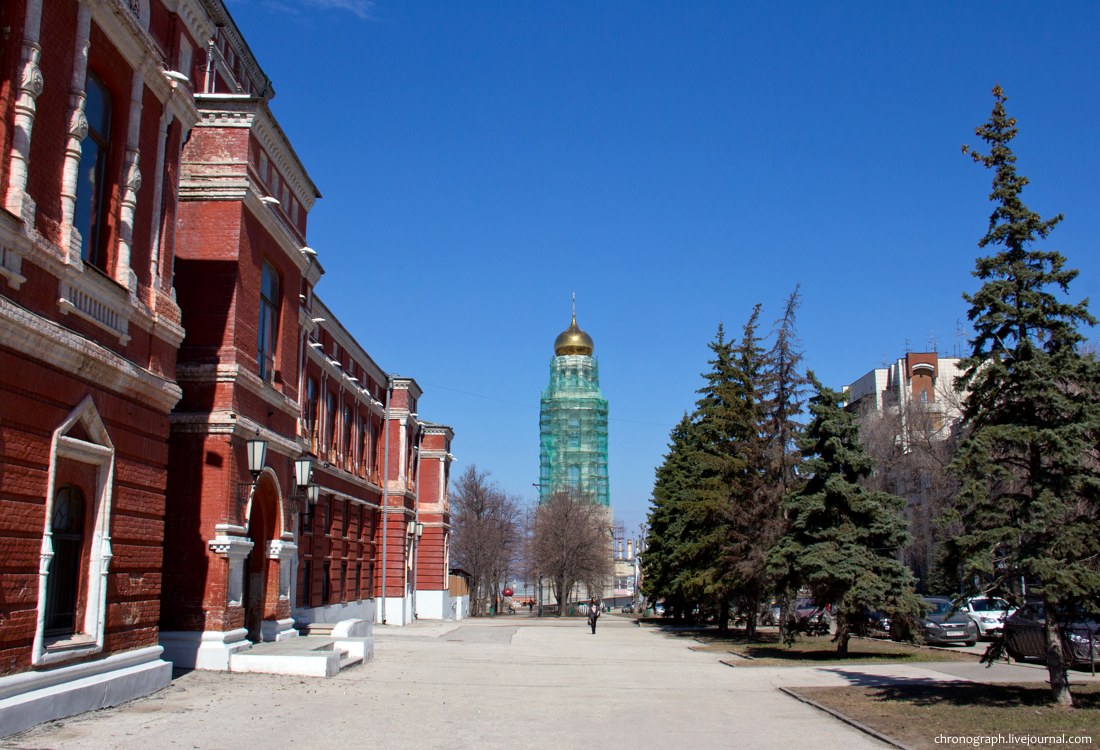
03. In the distance we see the bell tower of the Iveron Convent, which was destroyed in the 1930s.
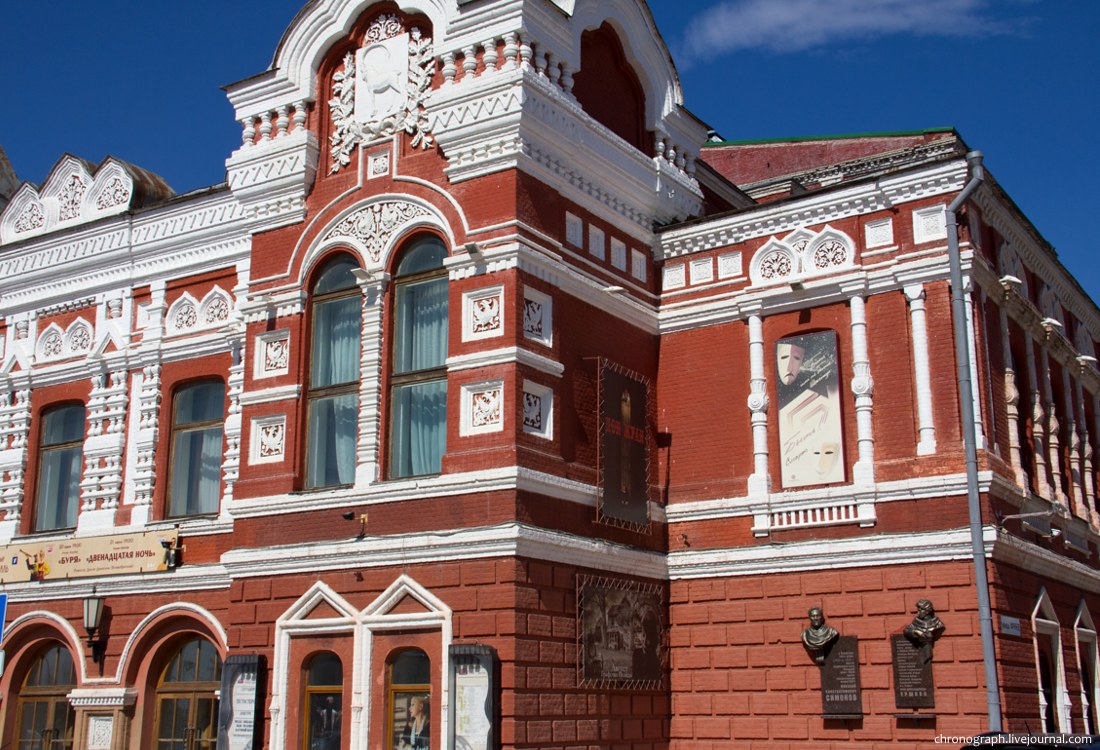
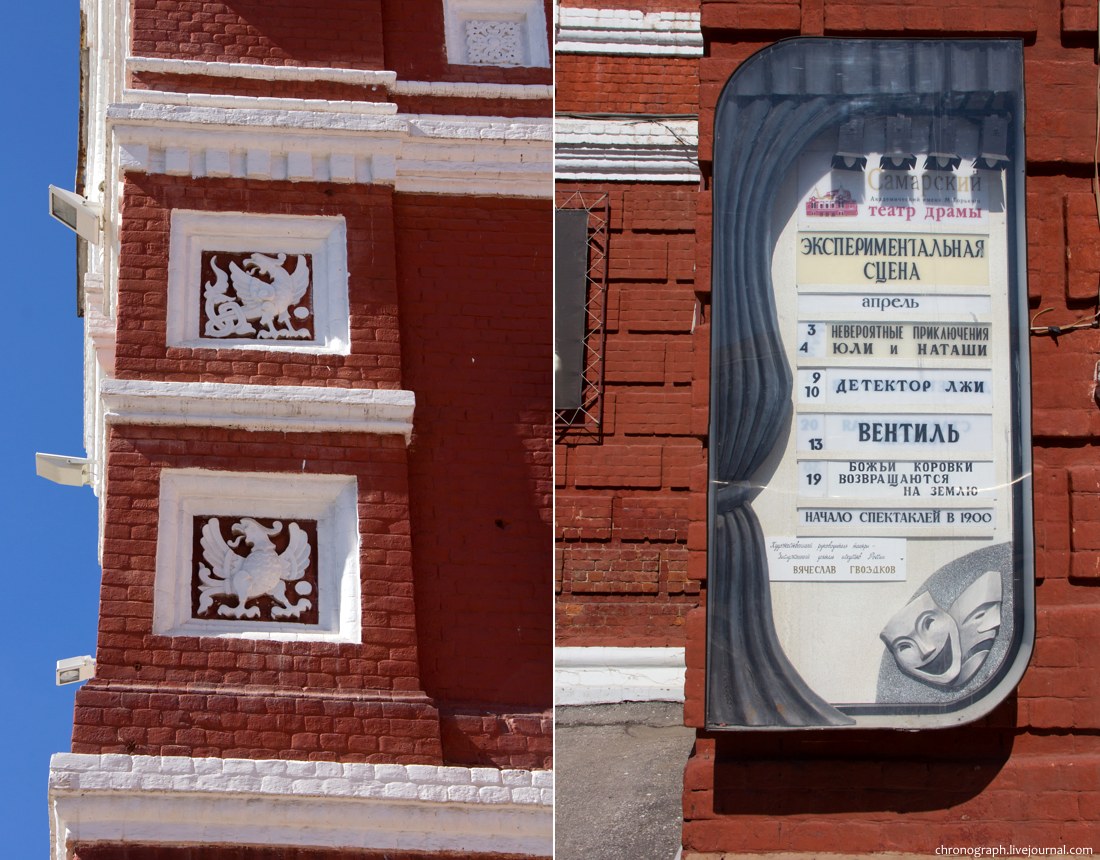
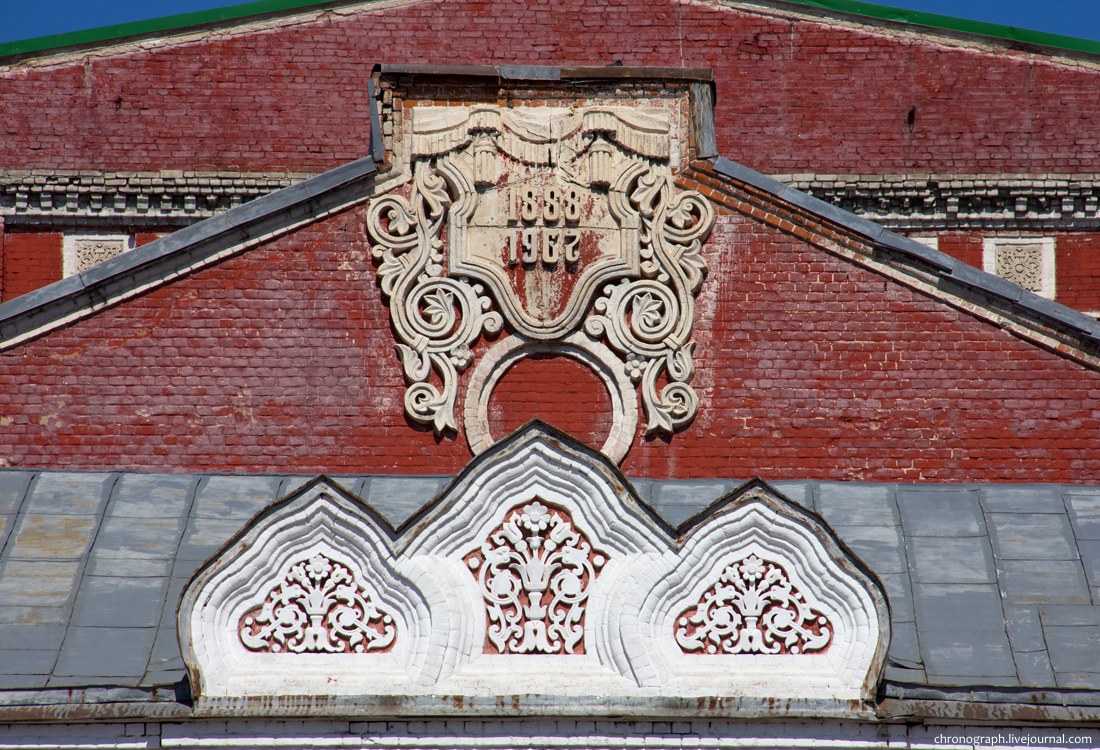
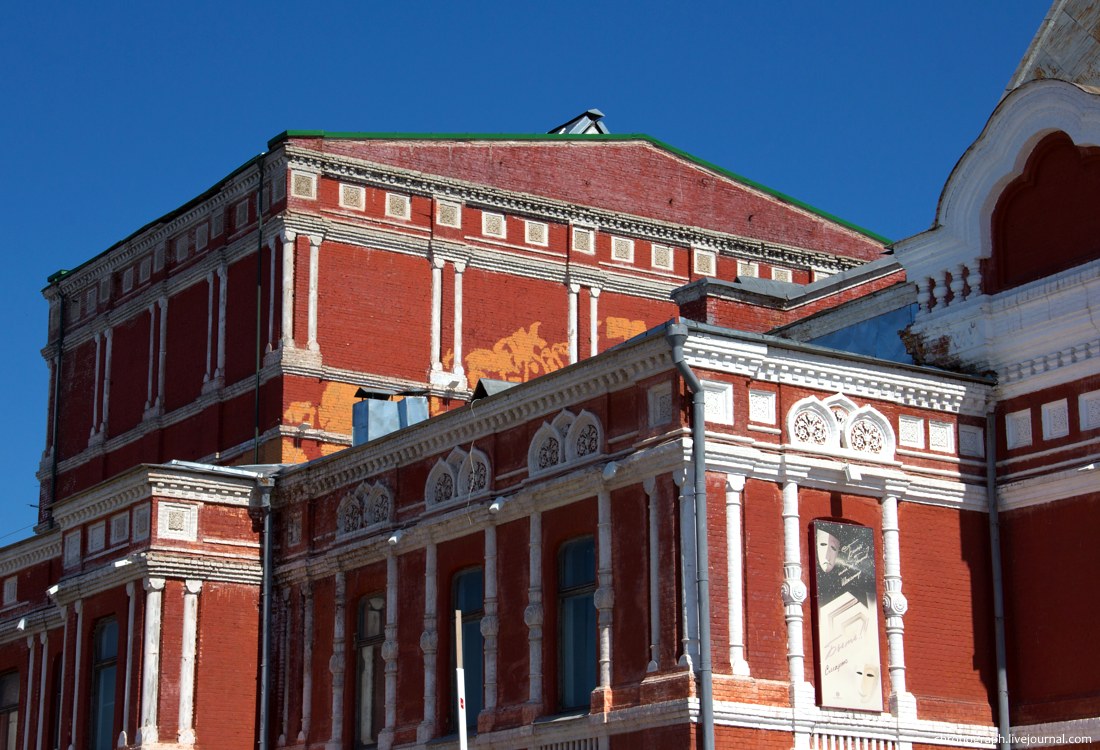
04. Fragments of the theater.
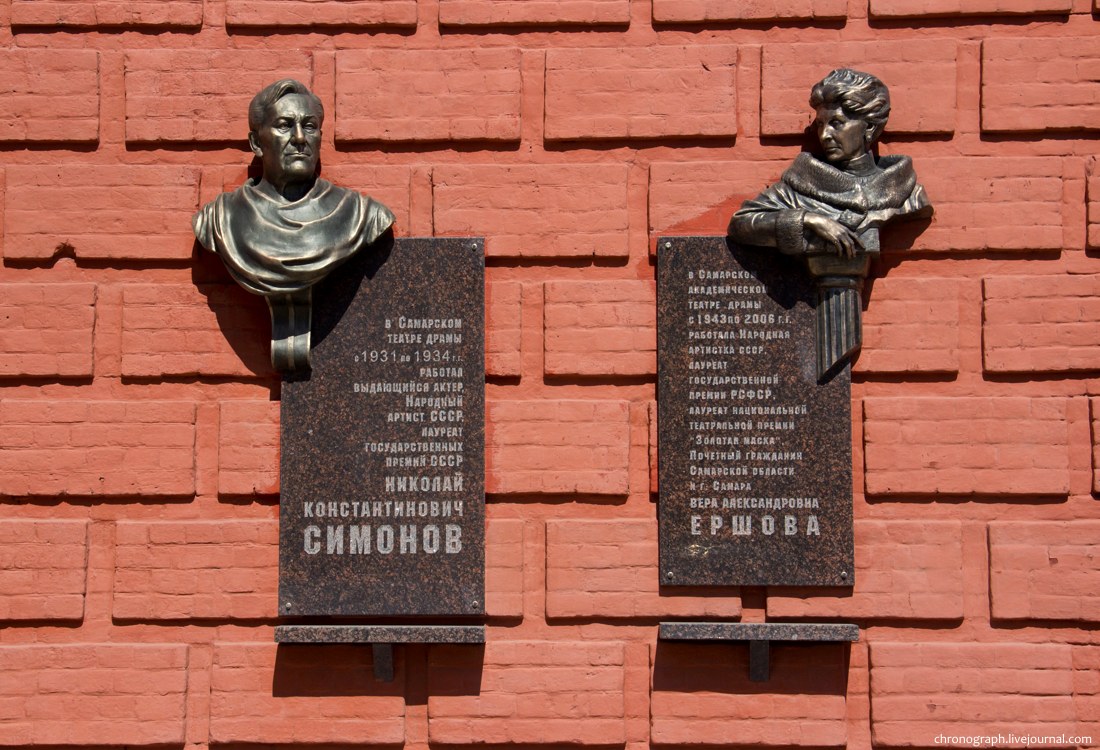
05. Memorial signs N. Simonov and V. Yershova are installed on the wall.
06. The flowering of the Samara theater in the 19th century was associated with the entreprises of P. M. Medvedev (1860-80s), A. A. R and R and R and in the 1870s, I. K. Nemova, I.P. Novikov (1870s, 1880s). In Samara they performed, etc. "Mixed" troupe (drama, opera, operetta).
07. Young Maxim Gorky collaborated with the Samara Gazeta. In the section where the feuilletons were printed, he regularly published reviews of performances under the pseudonym Iegudiil Khlamedis. He was frank and did not hesitate in expressions: "... Bariton went on stage with the grace of a hungry camel and released a dull tremolo into the hall ...". And also a quote: "The democratically tuned intelligentsia fell in love with the drama and does not think of his life without visiting its performances. We are opposed to empty plays designed to entertain merchants and Samara inhabitants."
08. The Samara audience was the first in Russia to see the work of M. Gorky on stage, on November 15, 1901 (after end of the theater after a 50-year anniversary and a few days earlier, in St. Petersburg), the performance was held on the story of Gorky "Thomas Gordeev". This performance laid the foundation for the Gorky repertoire not only on the stage of the Samara theater, but also on stage venues around the world.
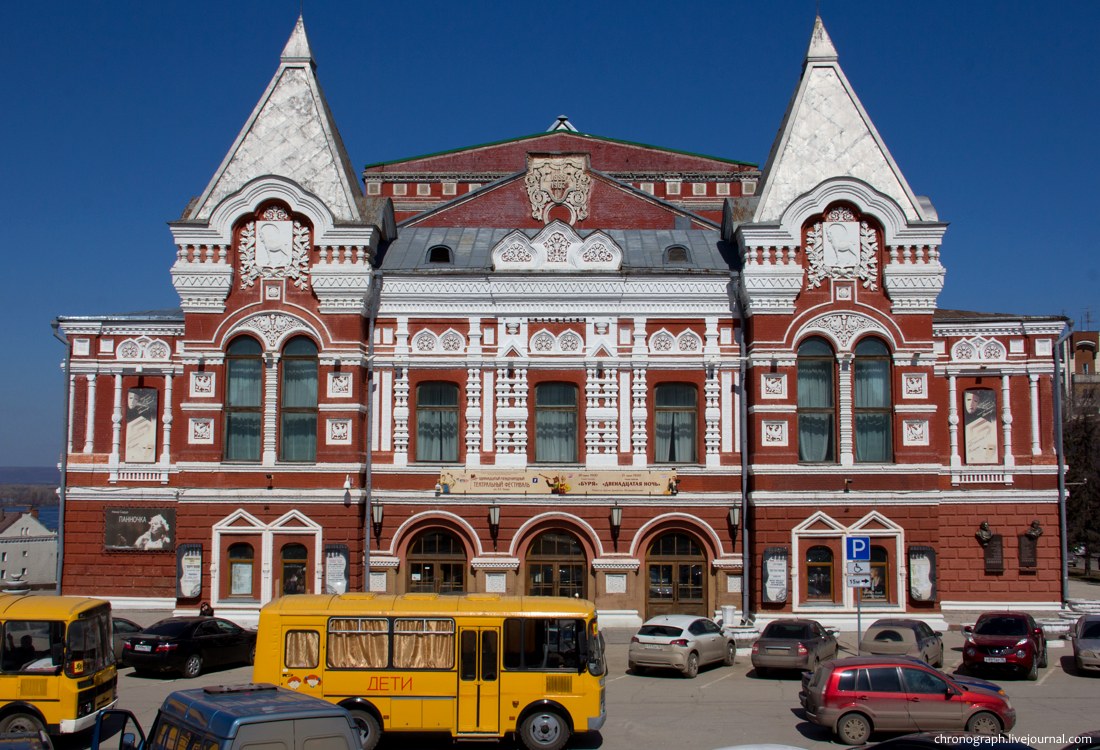
09. In 1917, two weeks after the October Revolution by decree signed by Lenin, theaters became a national treasure.
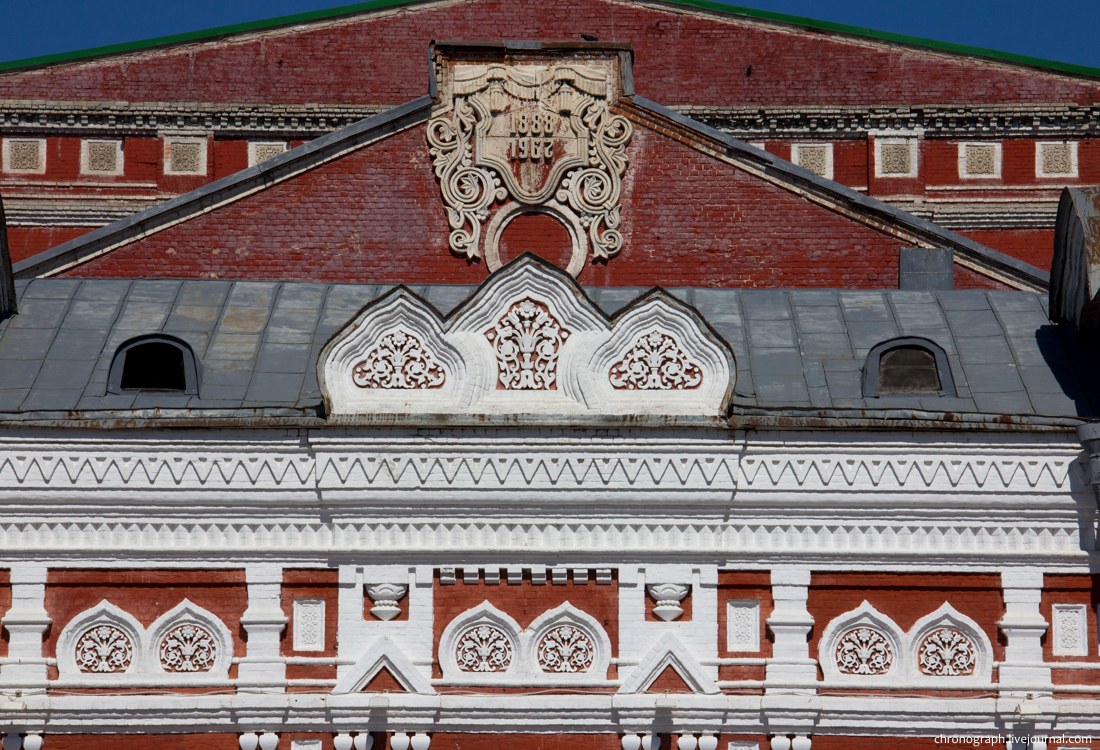
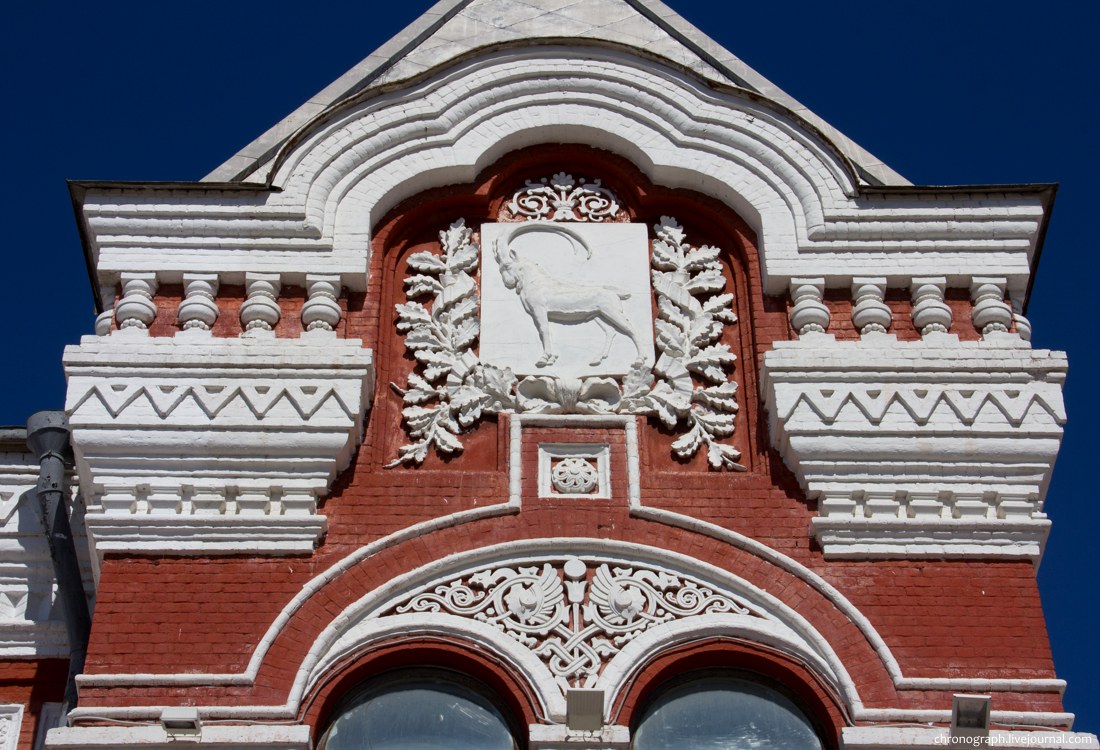
10. The theater building has a very beautiful architecture and is one of the attractions of Samara.
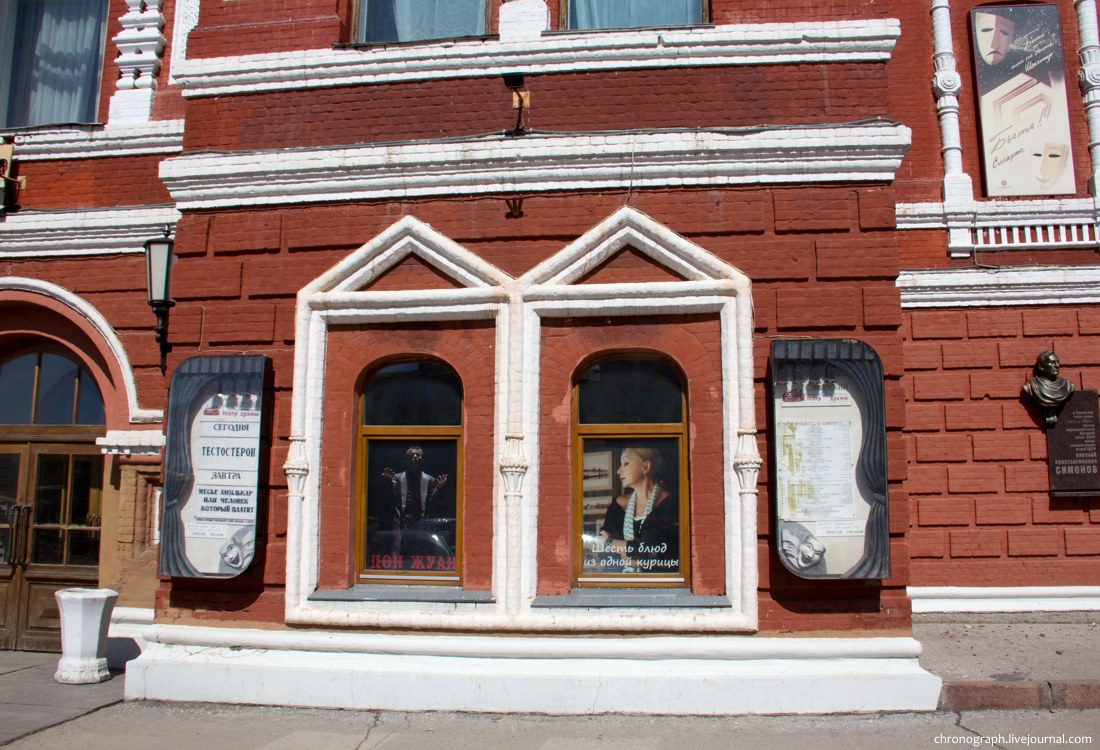
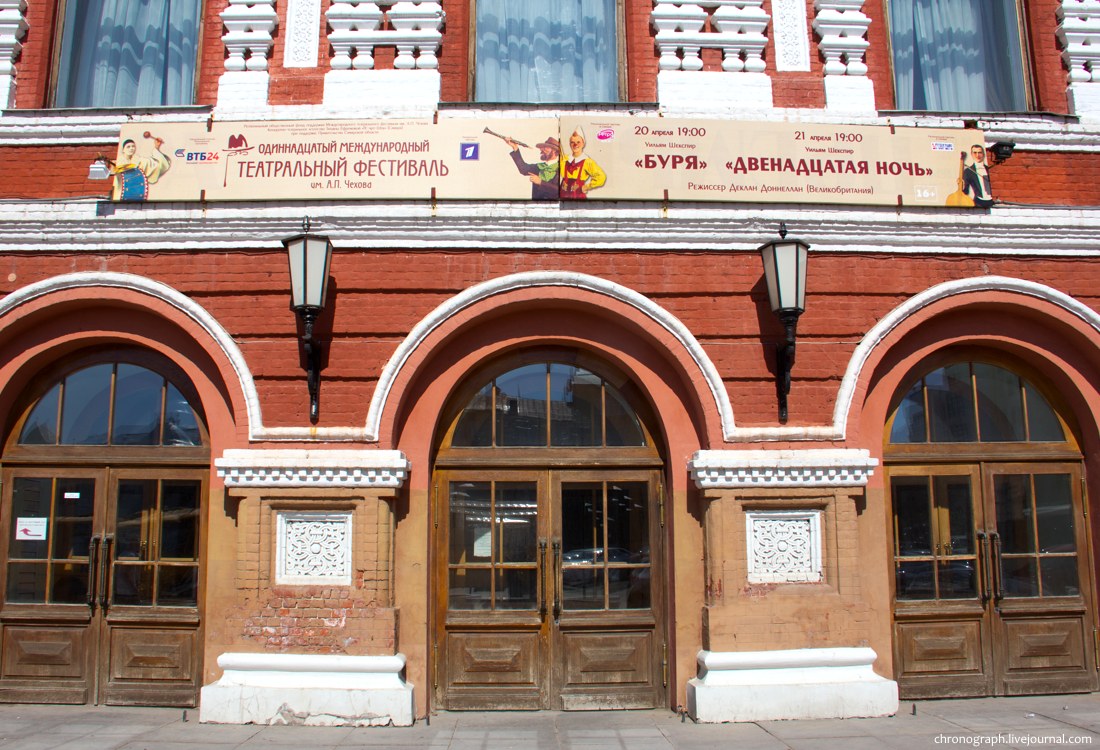
11. The entrance to the theater
12. The view from the side, from the Volga side.
13.
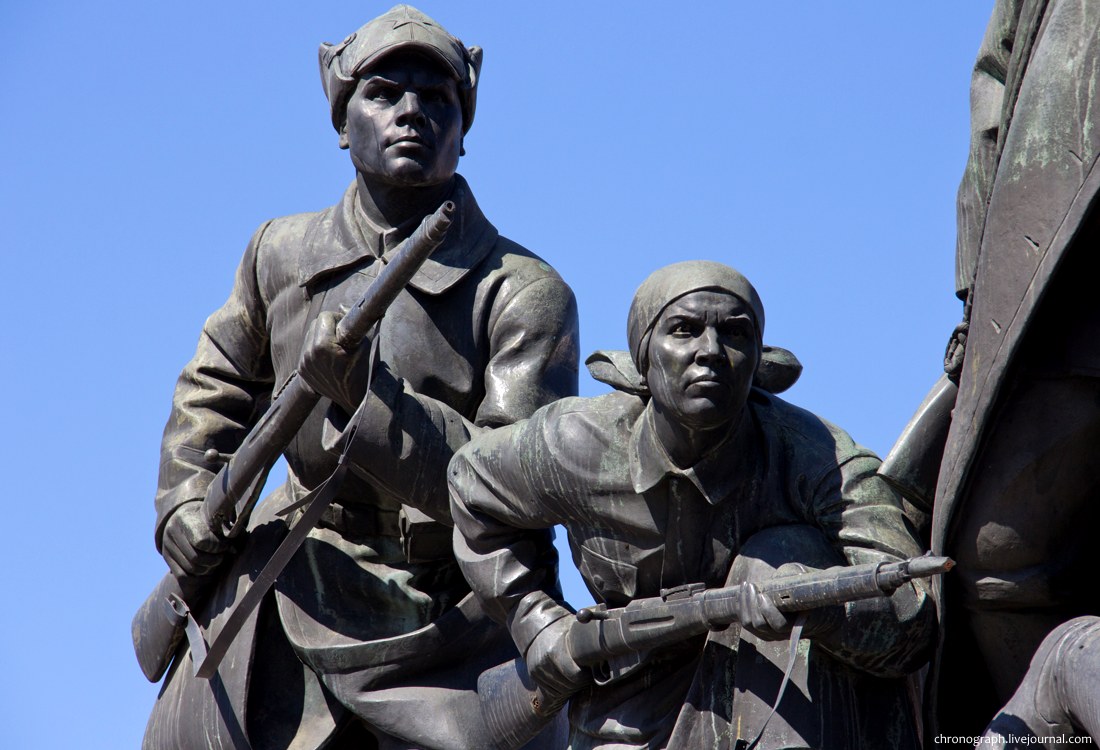
14. Next to the theater stands a monument to Vasily Chapaev.
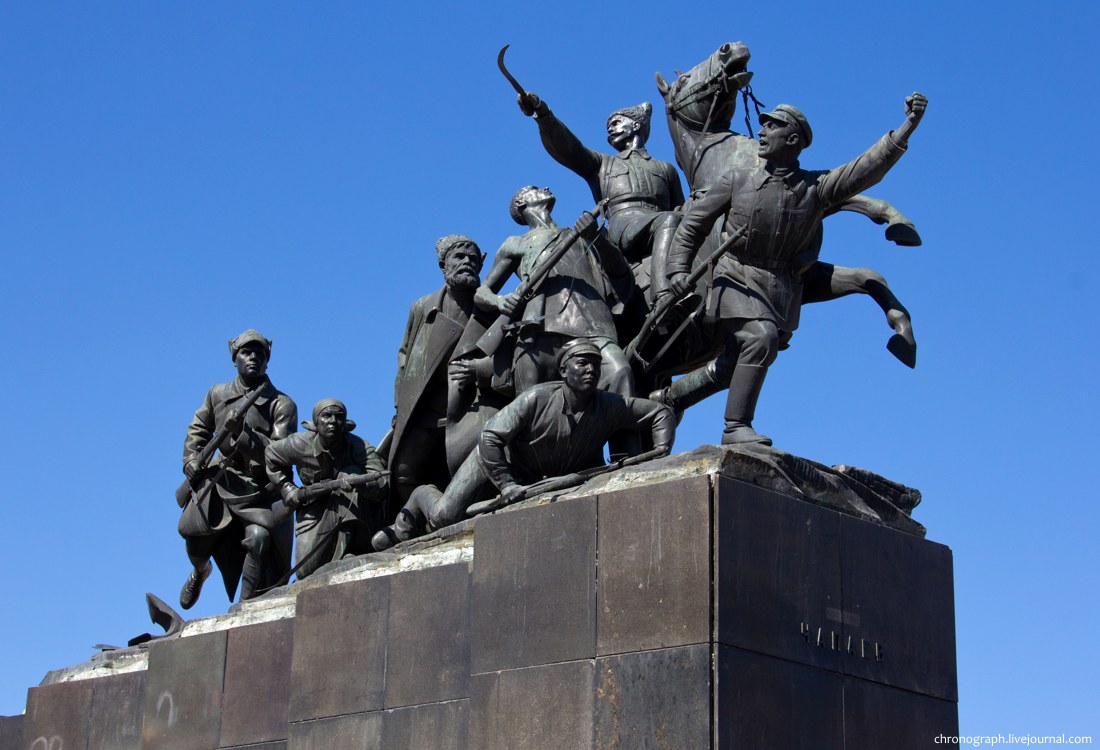
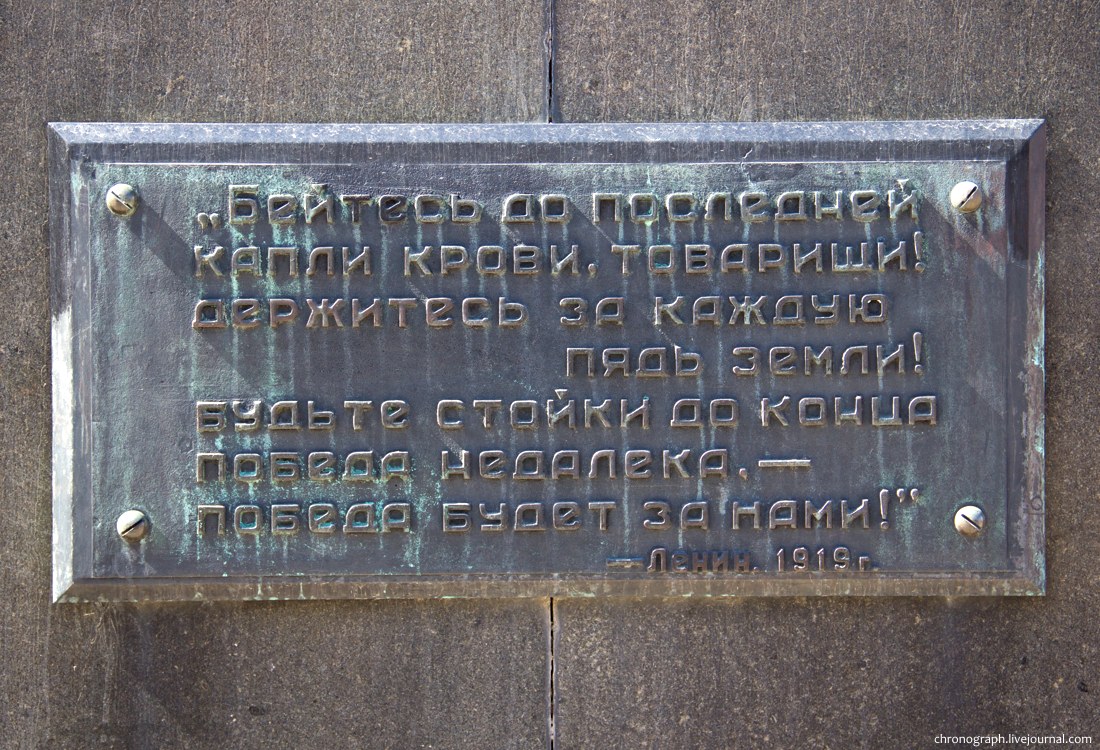
15. On a pedestal covered with polished boots made of black labradorite, a board with a quote by Vladimir Lenin is installed. The monument was erected in 1932 to the fifteenth anniversary of the October Revolution. Architect Joseph Langbard and sculptor Matvey Manizer worked on its creation (he also created monuments to Kuibyshev and Lenin in Samara).
16. To create the face of Chapaev, the son of Chapaev, Alexander, who looked like his father, posed to the sculptor.
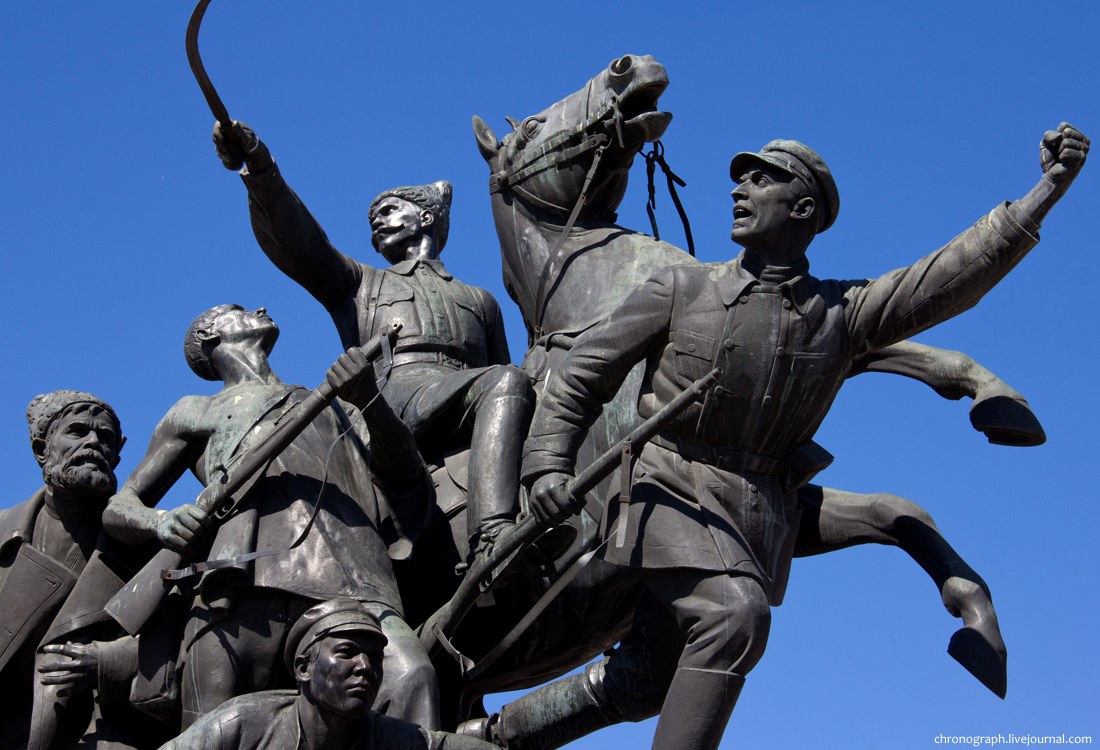
17. The monument was manufactured in Leningrad, before sending to Samara it was seen by Kirov and asked the author to make a copy for Leningrad. A copy of the monument was made in 1933, now it was installed in St. Petersburg on the square in front of the Military Academy of Communications named after S. M. Budyonny
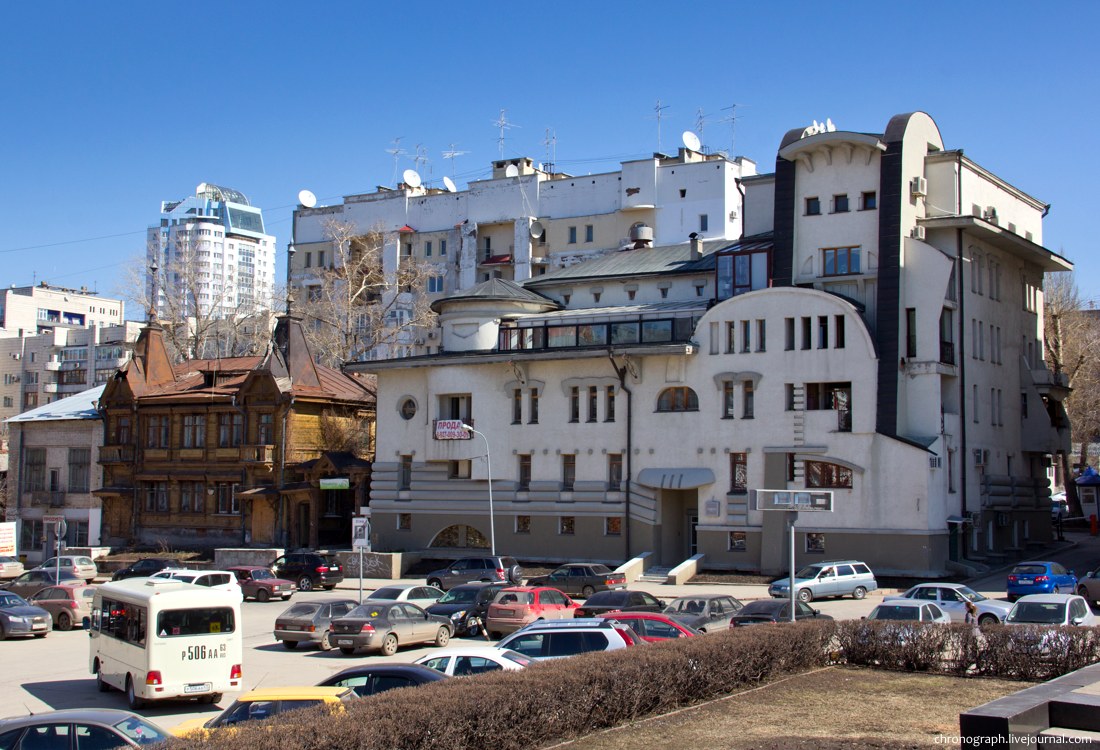
18. Buildings, to the right of the theater.
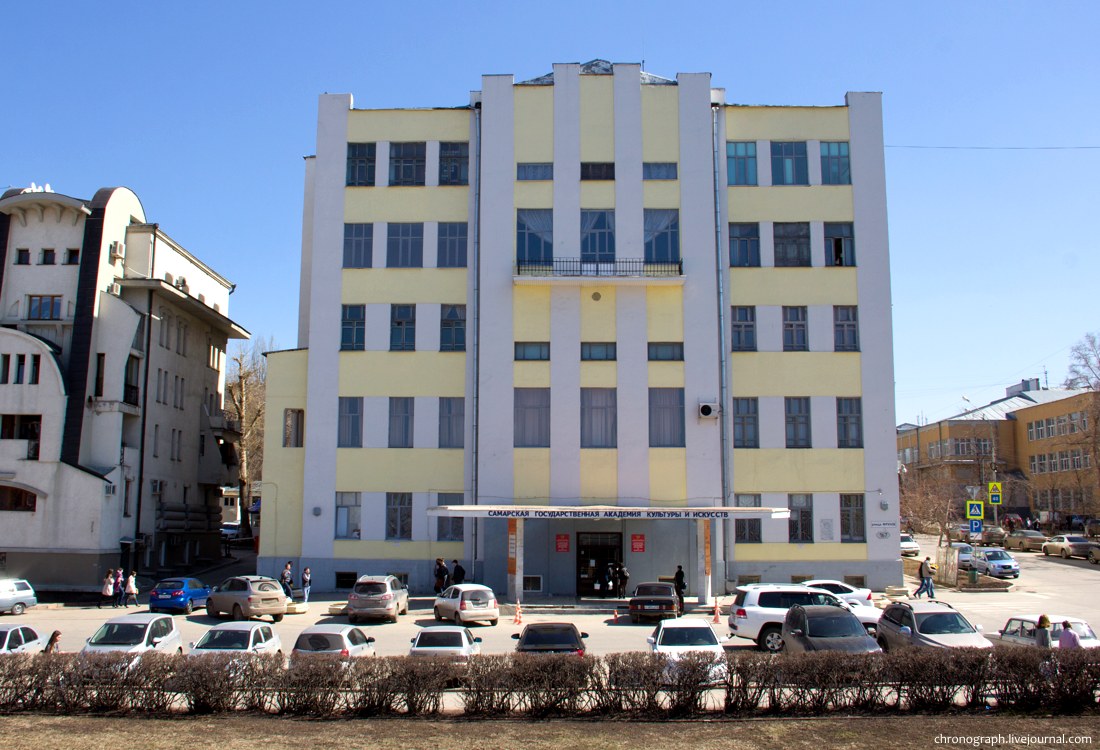
19. Samara State Academy of Culture and Arts (SGAKI) (initially - Kuibyshev State Institute of Culture). Under the building is Stalin's bunker.
20. Residential building at the intersection of st. Frunze and Shostakovich.
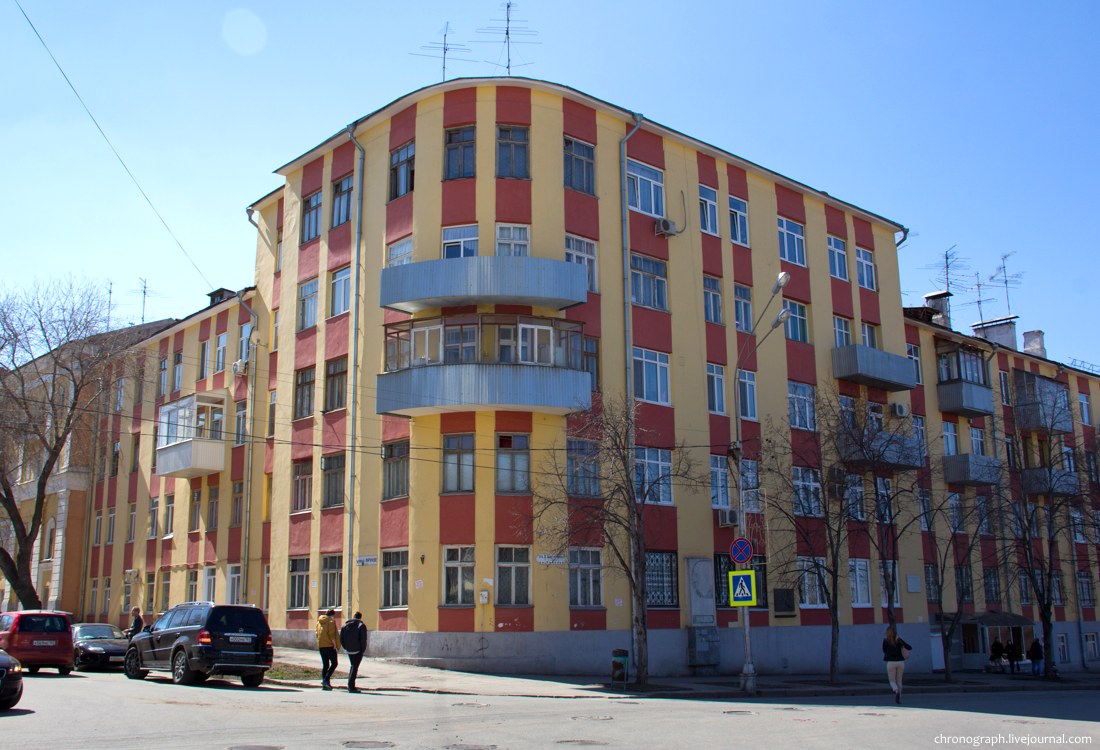
21.
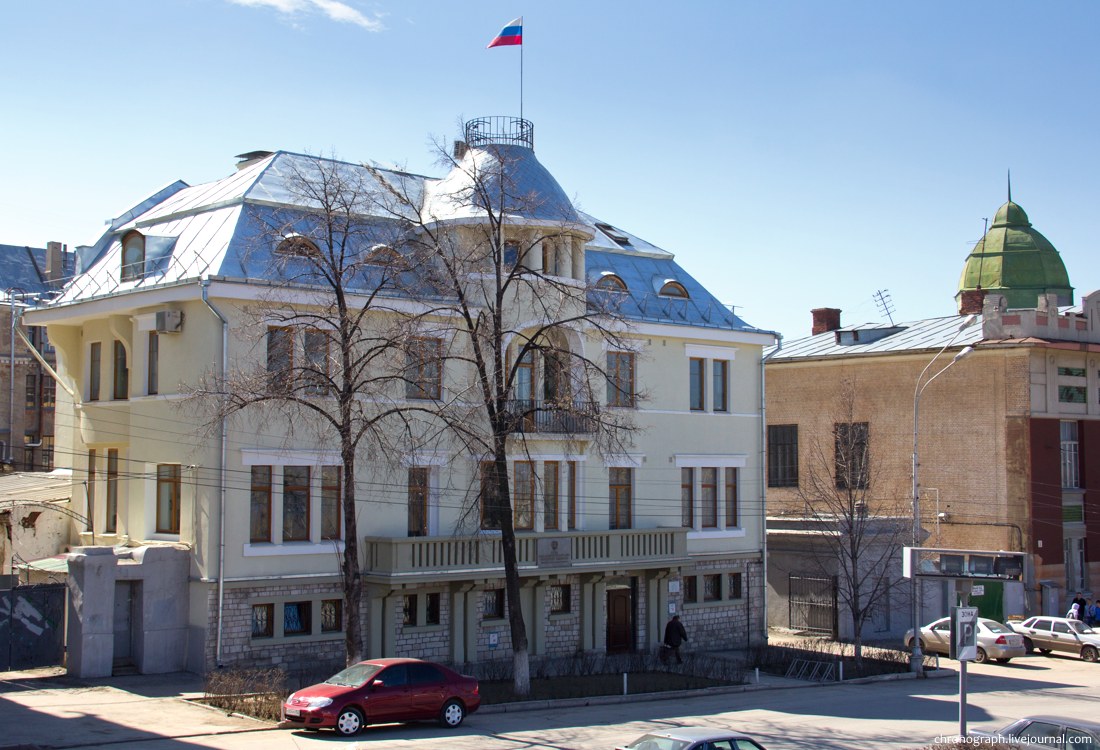
22. The building of the headquarters of the Volga-Ural Military District (built in 1930).
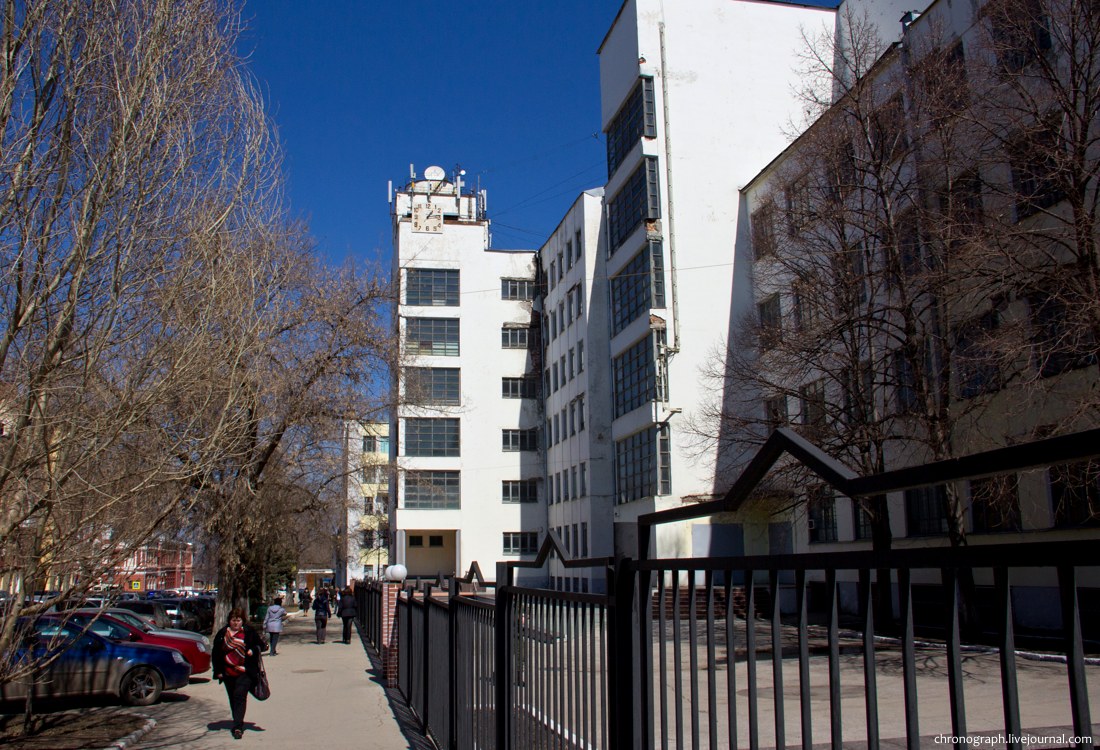
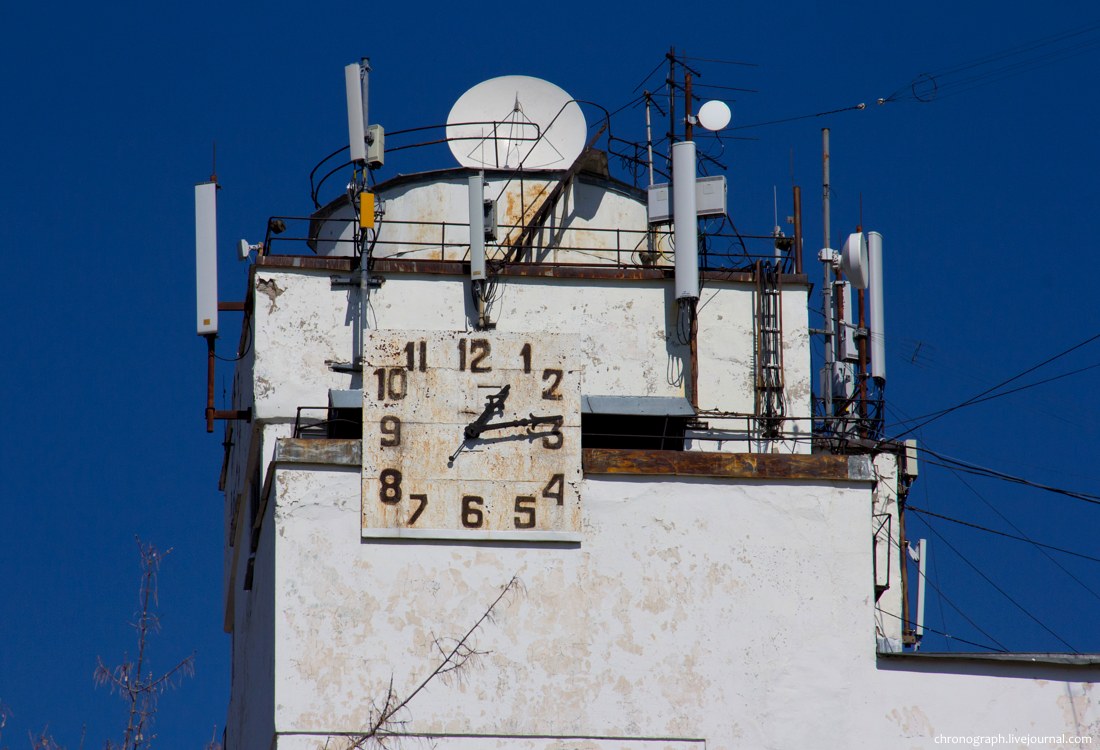
23. Clock on the building.
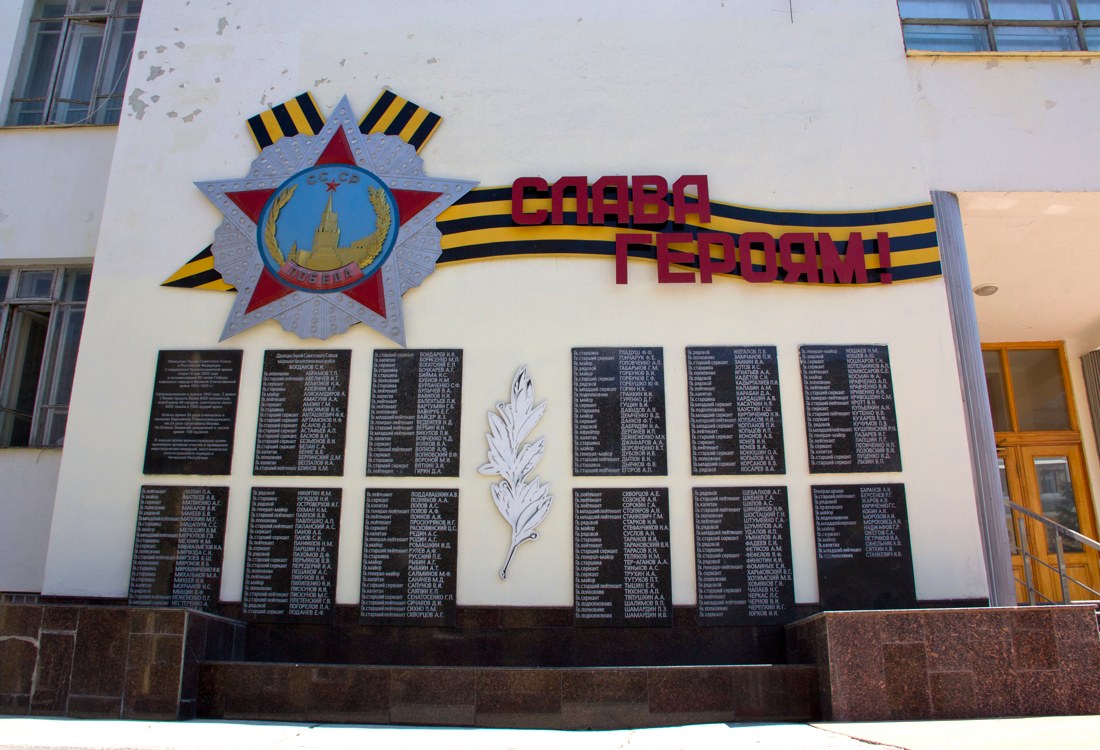
24. Memorial of Heroes of the Soviet Union and the Russian Federation of the 2nd Guards Red Banner Army (opened on May 9, 2005)
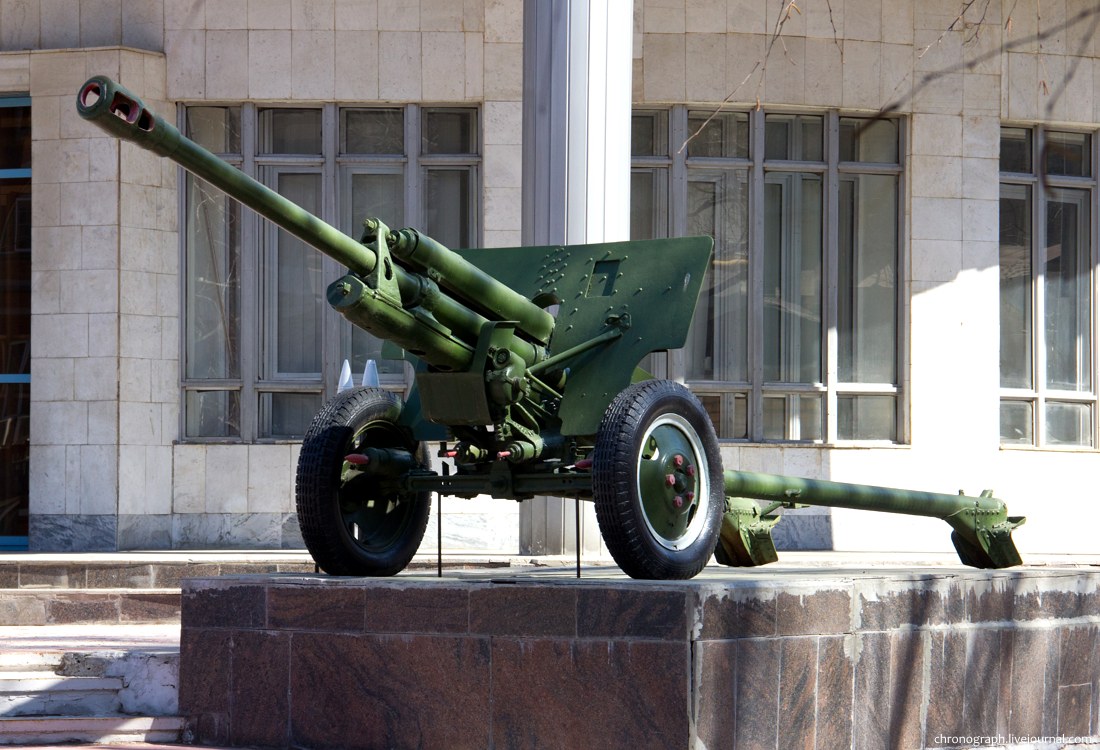
25. guns near the headquarters building.
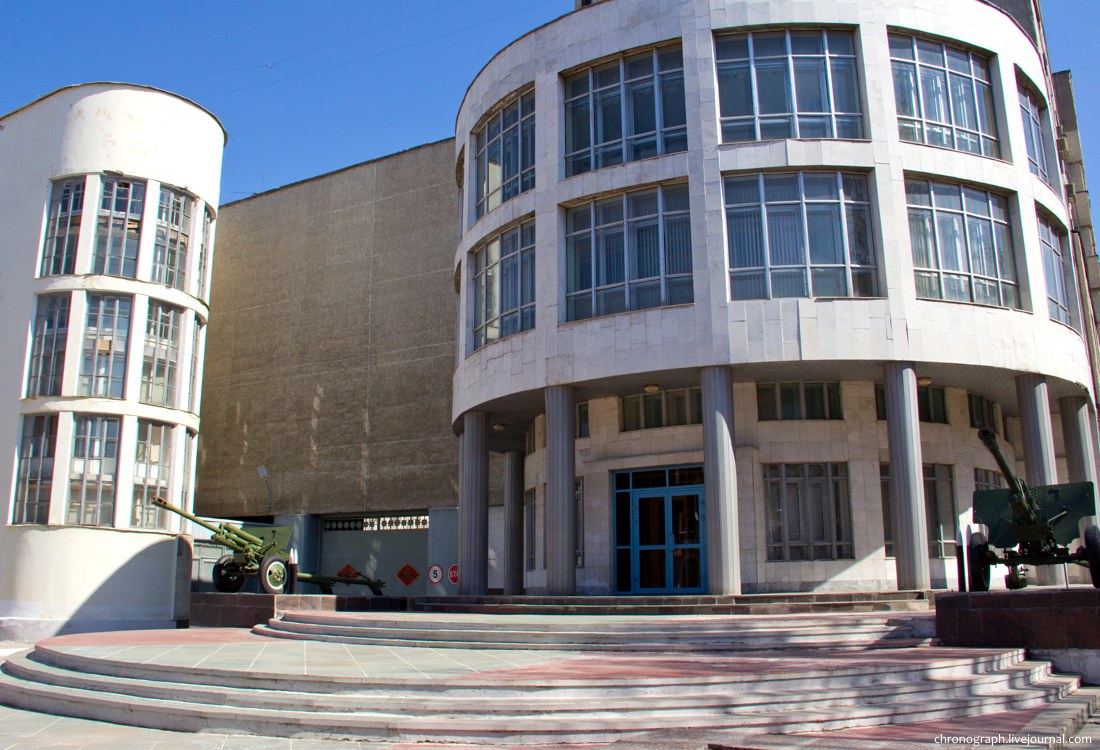
26.
27. On the contrary, a residential building on the street. Frunze
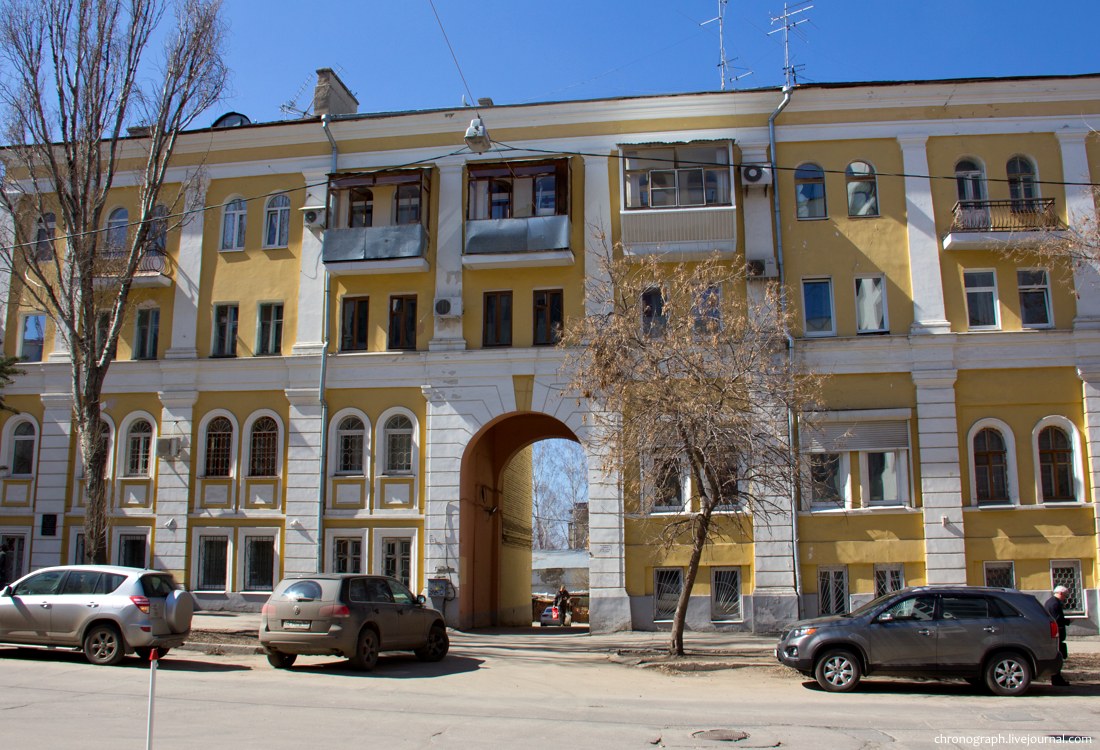
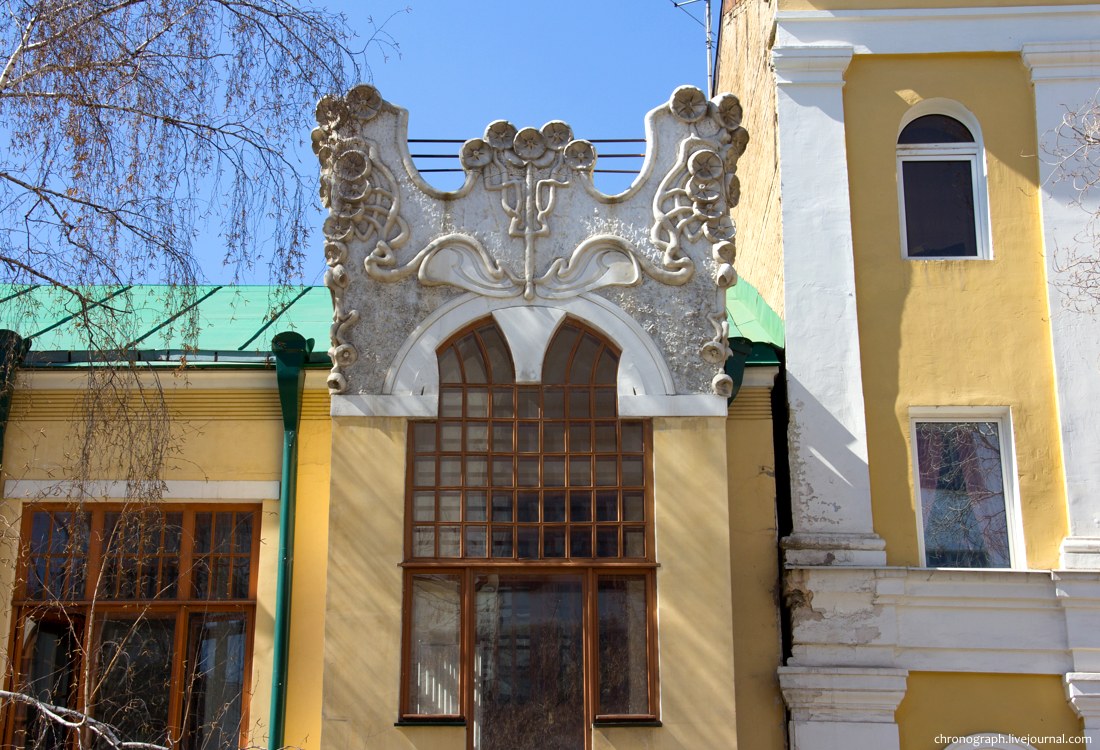
28. Another house with an interesting stucco molding.
29. View to the left of the hill on which the drama theater is. Gorky. In the distance, the Zhigulevsky brewery is visible ( more )
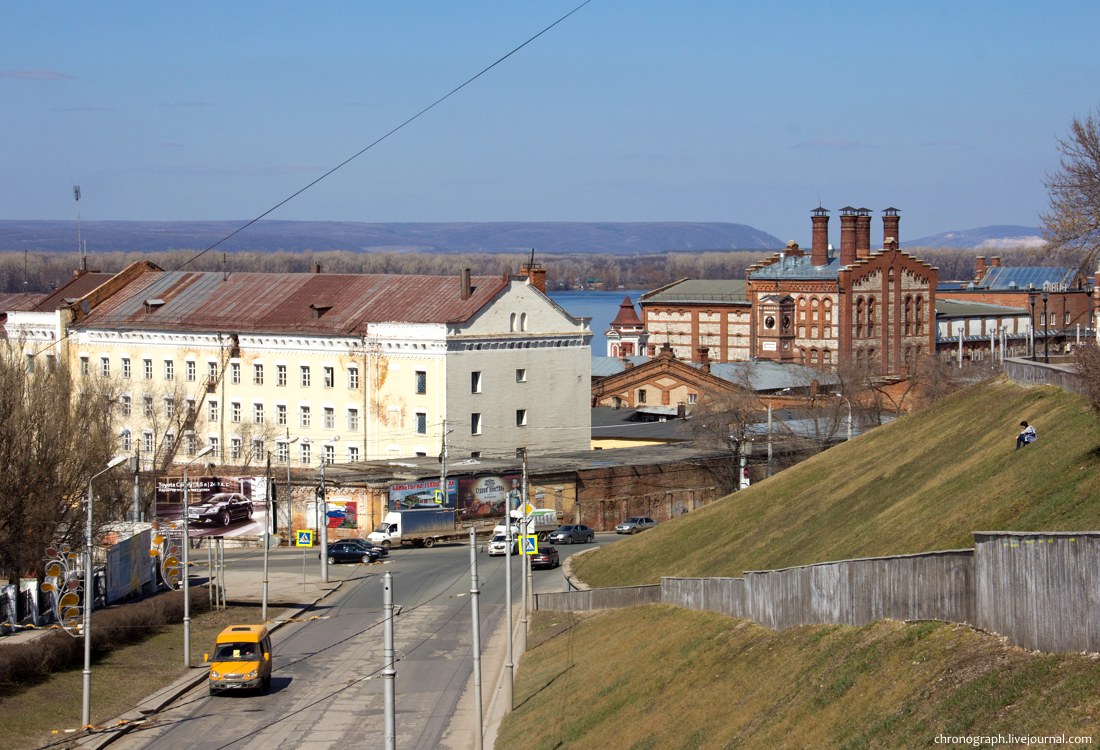
30. The former steam mill of Erlanger, now there are barracks of the 35th brigade of the internal troops of the Ministry of Internal Affairs of the Russian Federation.
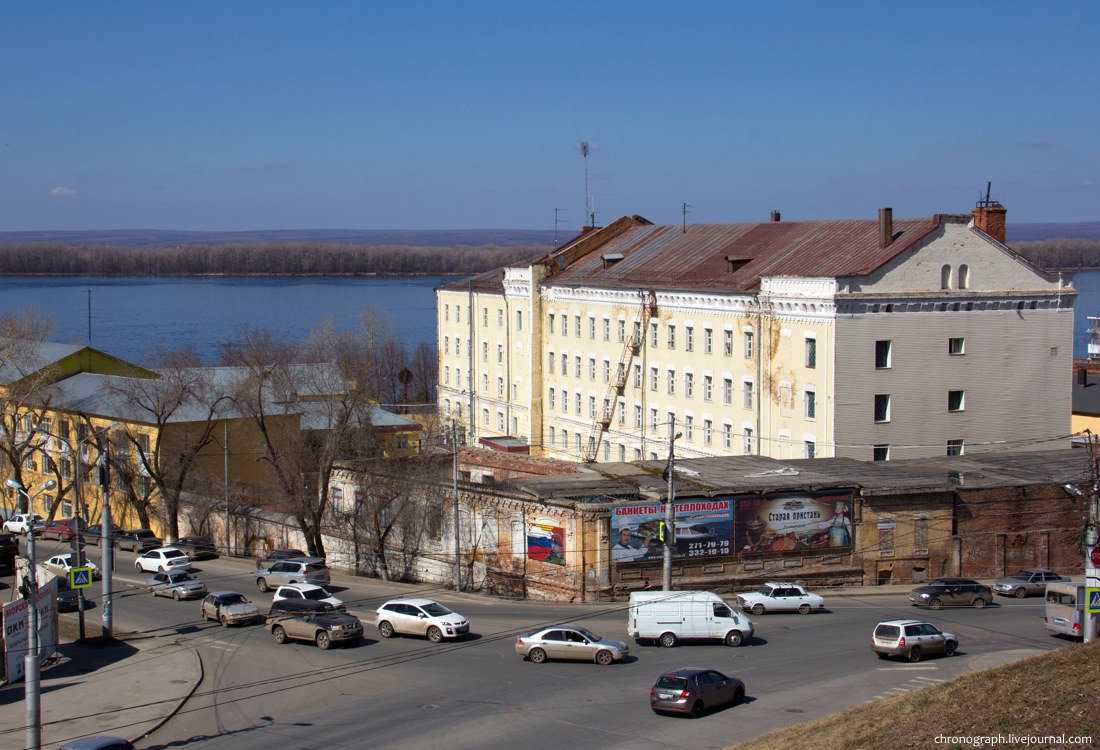
31. Glorious.
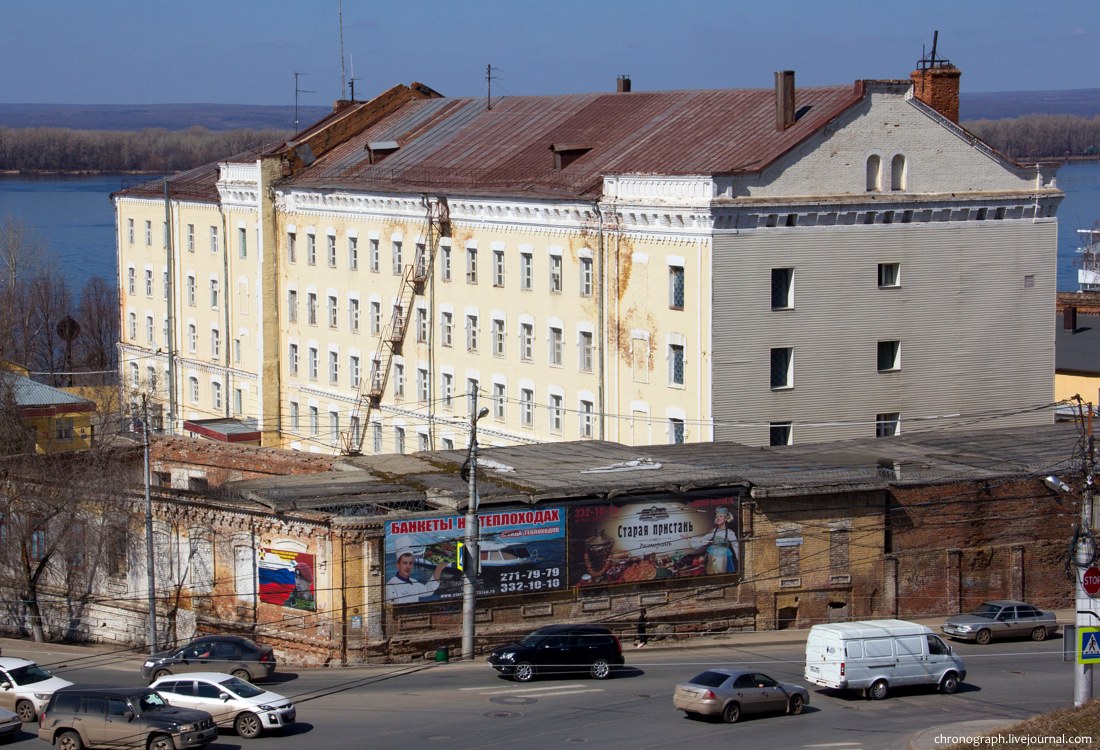
32. St. Vilonovskaya
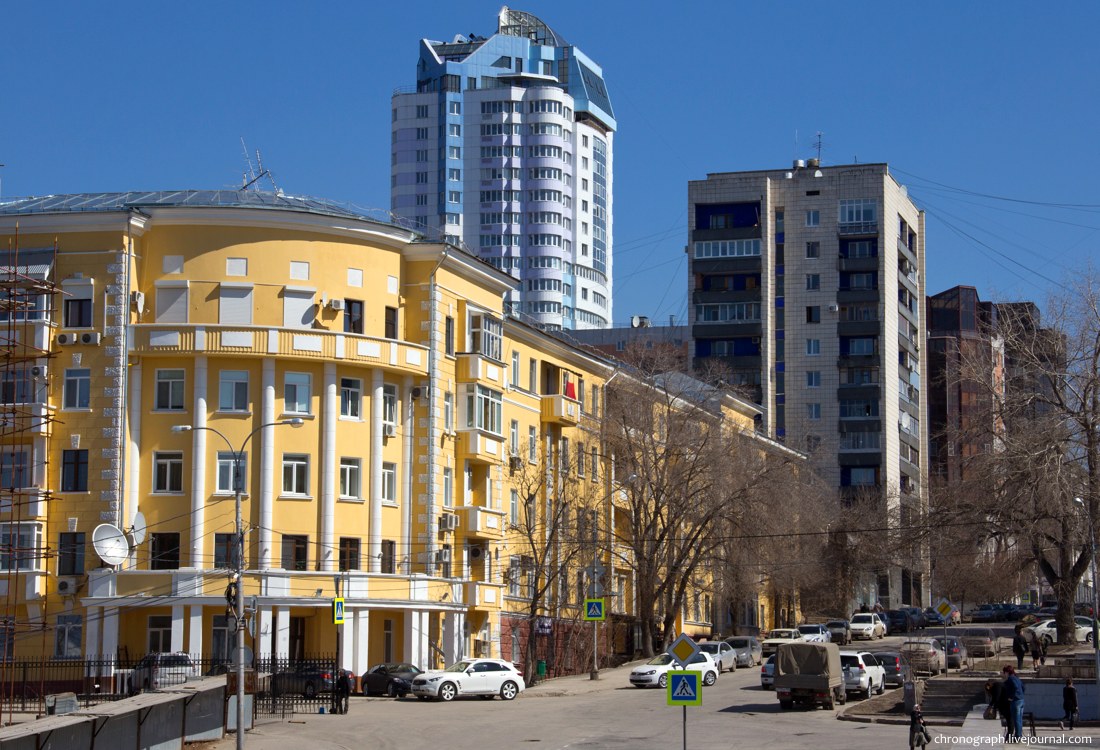
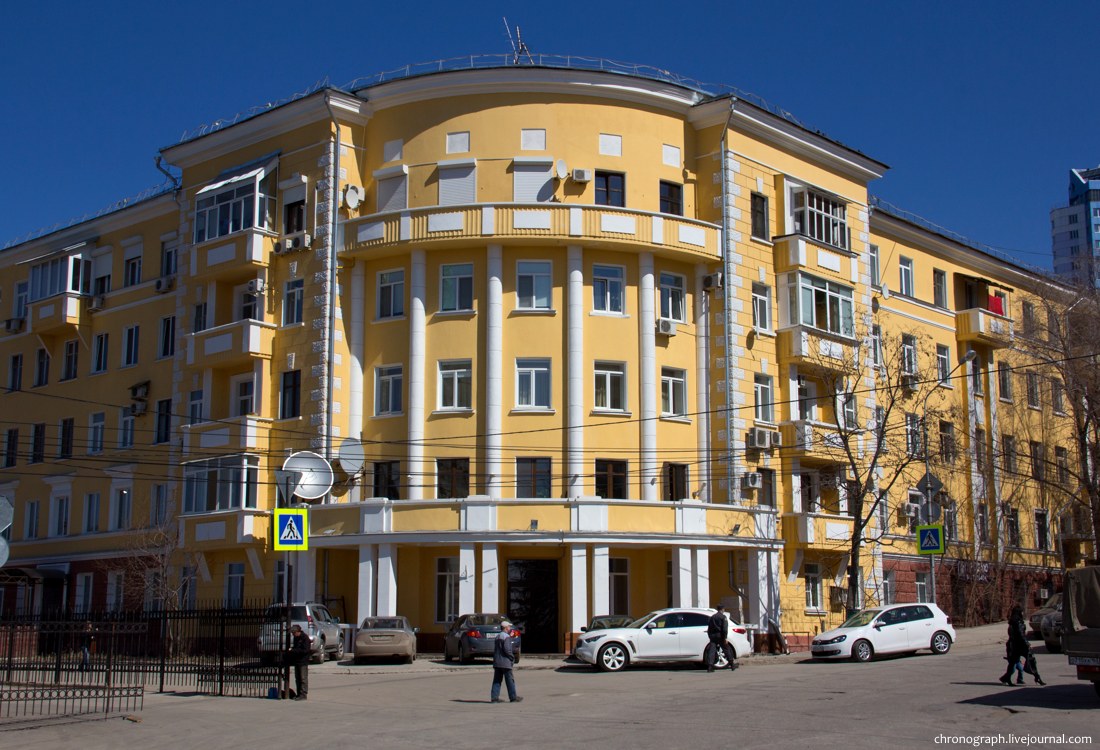
33. A residential building in the style of Stalinist architecture, Vilonovskaya, 2. Some call it "House with Ghosts" and probably not in vain, since the house was built of bricks of the temple destroyed nearby, in the cemetery at the Iversky monastery.
34. And in conclusion, we will see some of the houses of the so -called "working town", which are still preserved around the Iveron Convent.
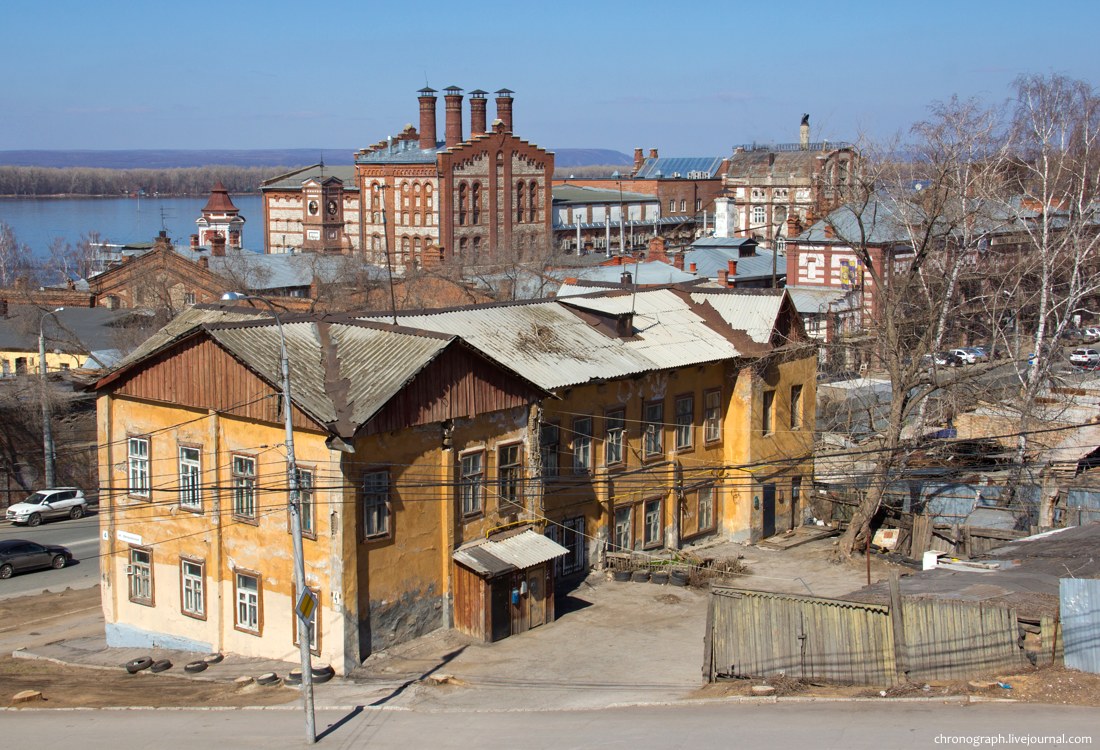
35. House on the slope - Vilonovskaya, 4
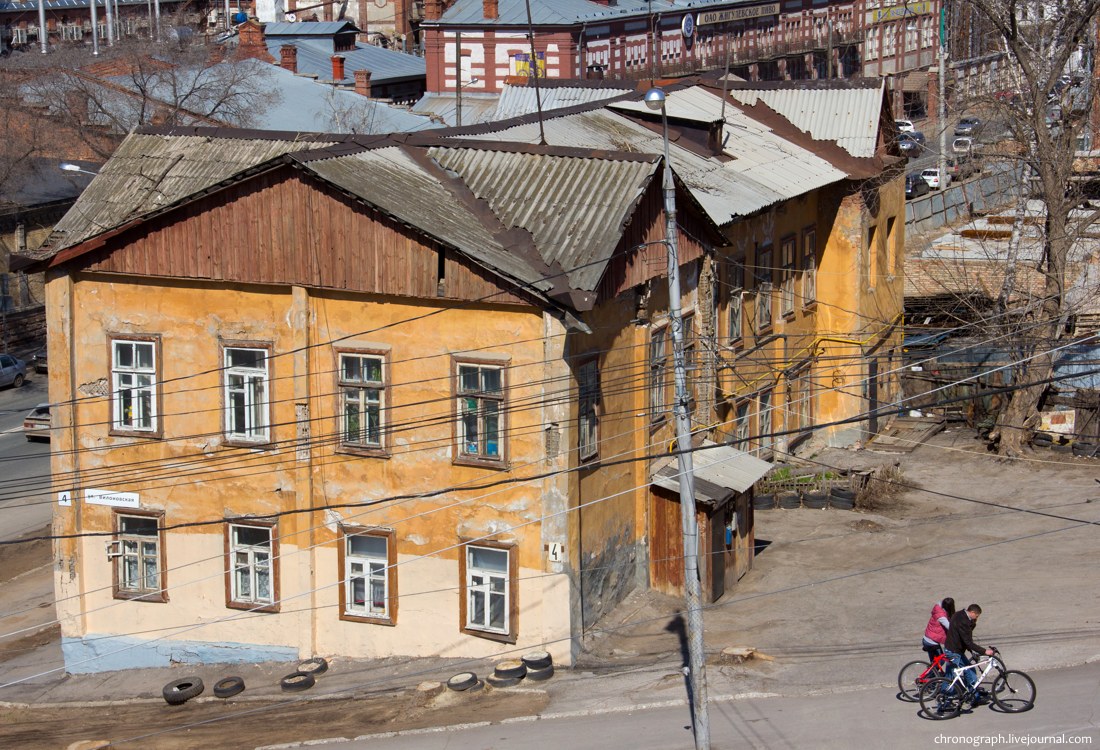
36. He.
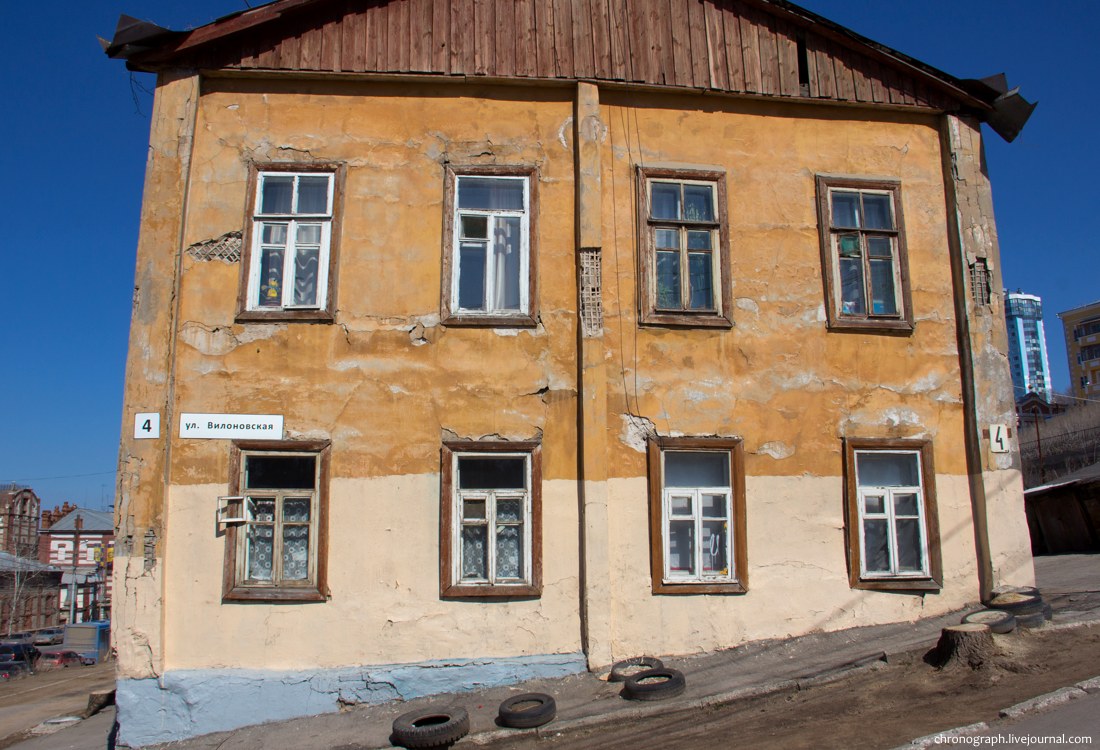
37. st. Work town, 7. Entrance to the house on a wooden bridge.
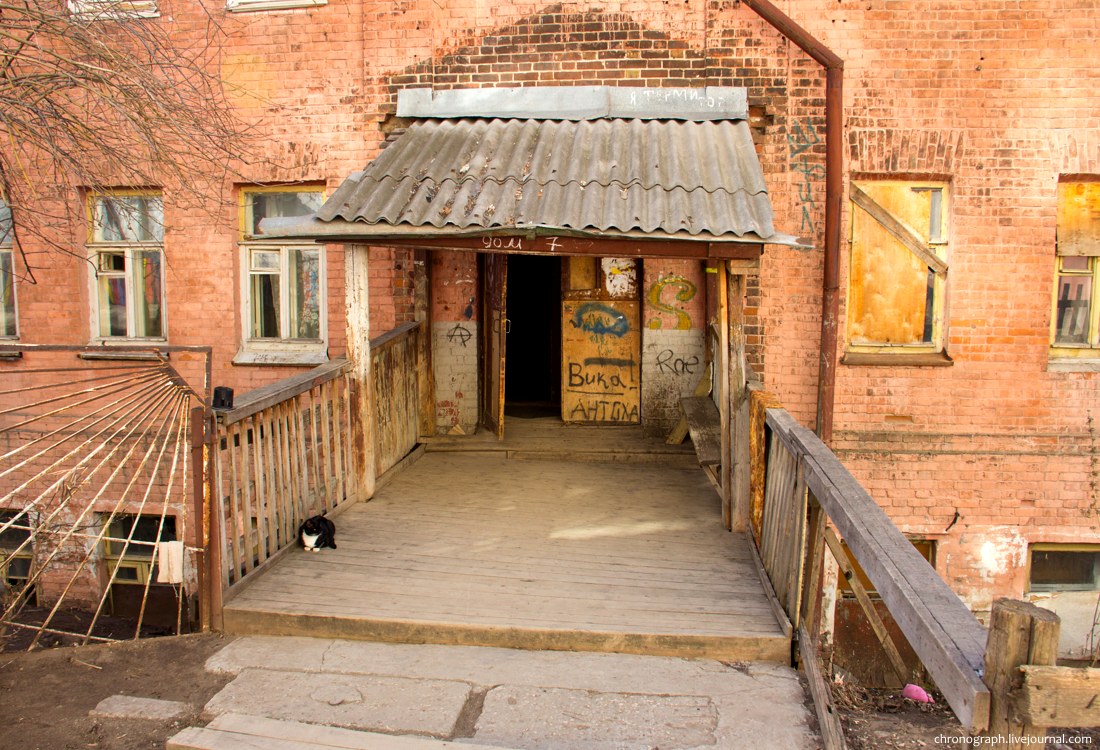
38. St. Working town, between houses 6 and 7
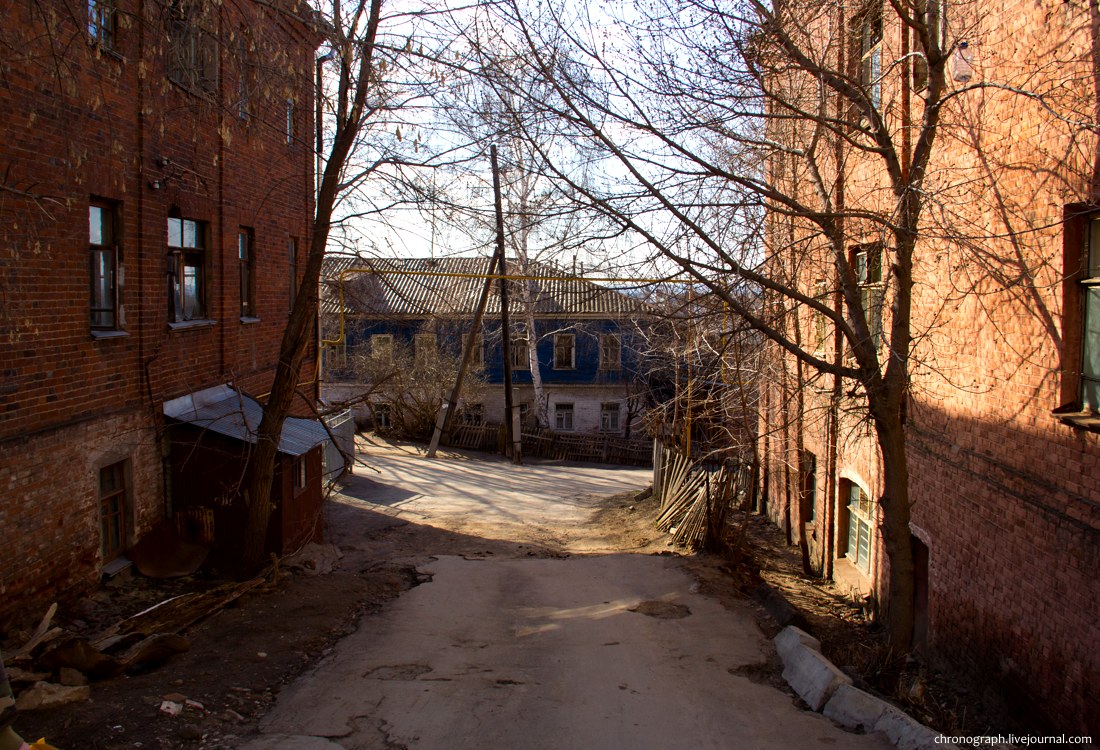
39. St. Working town, 6
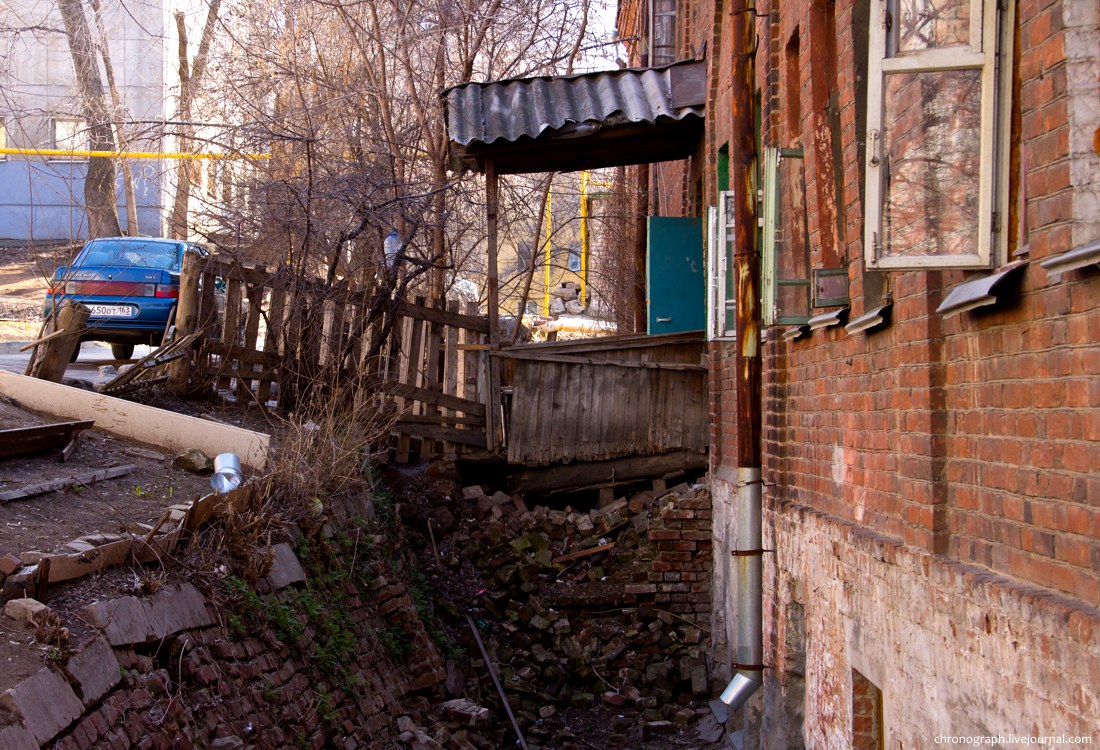
40. st. Target Town, 9
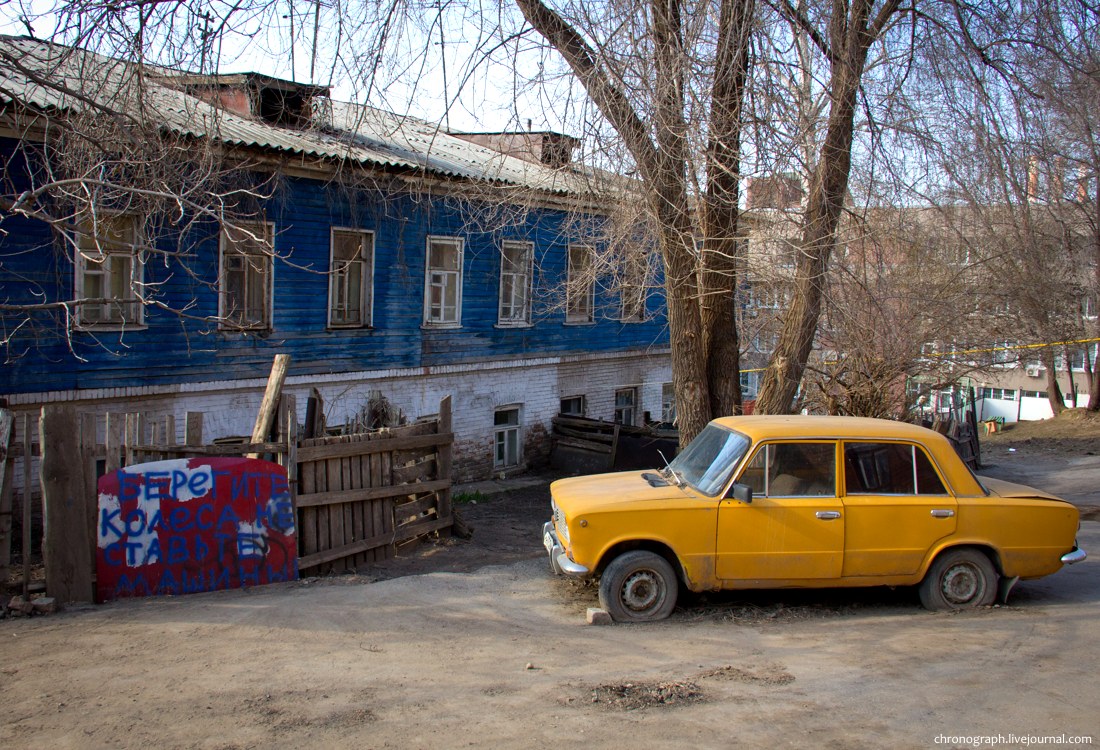
41. St. Working town, 10
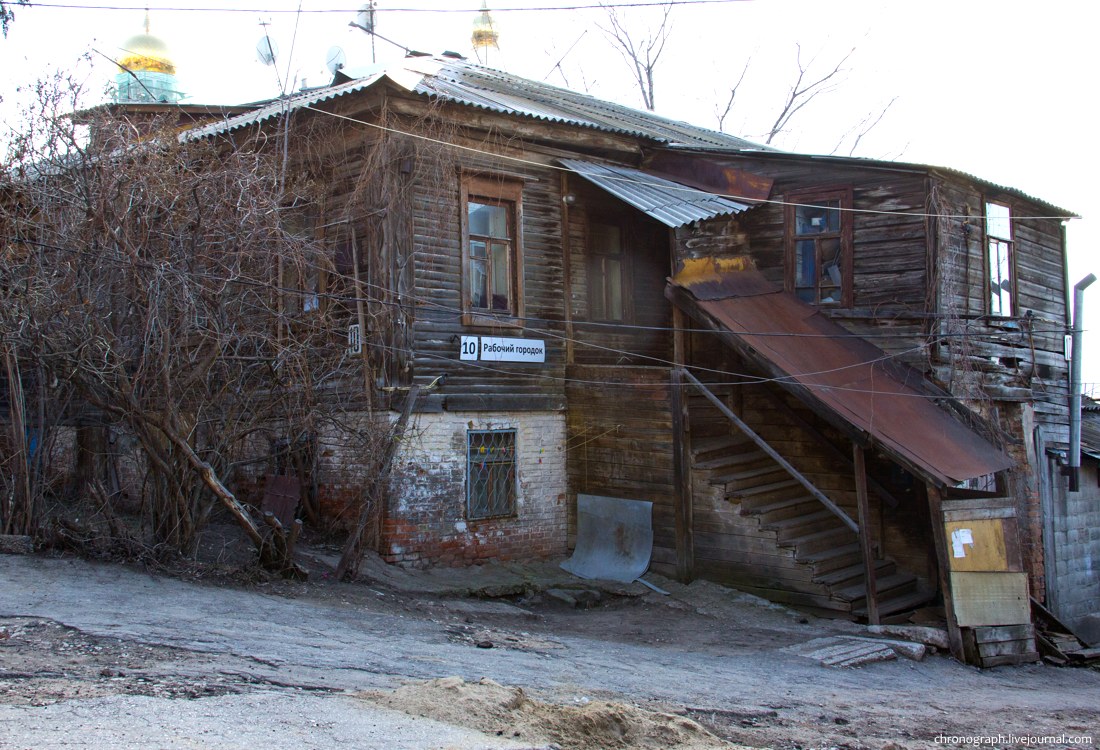
42. st. Target Town, 9
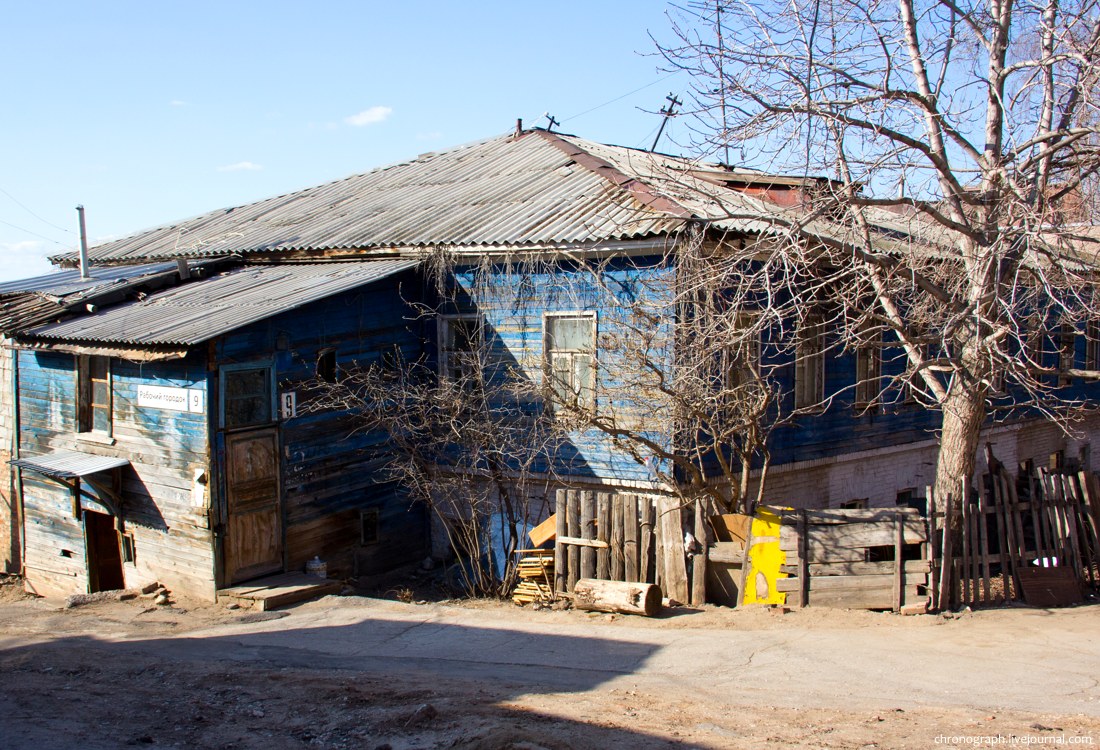
43. "Stalin" house, Vilonovskaya 4a
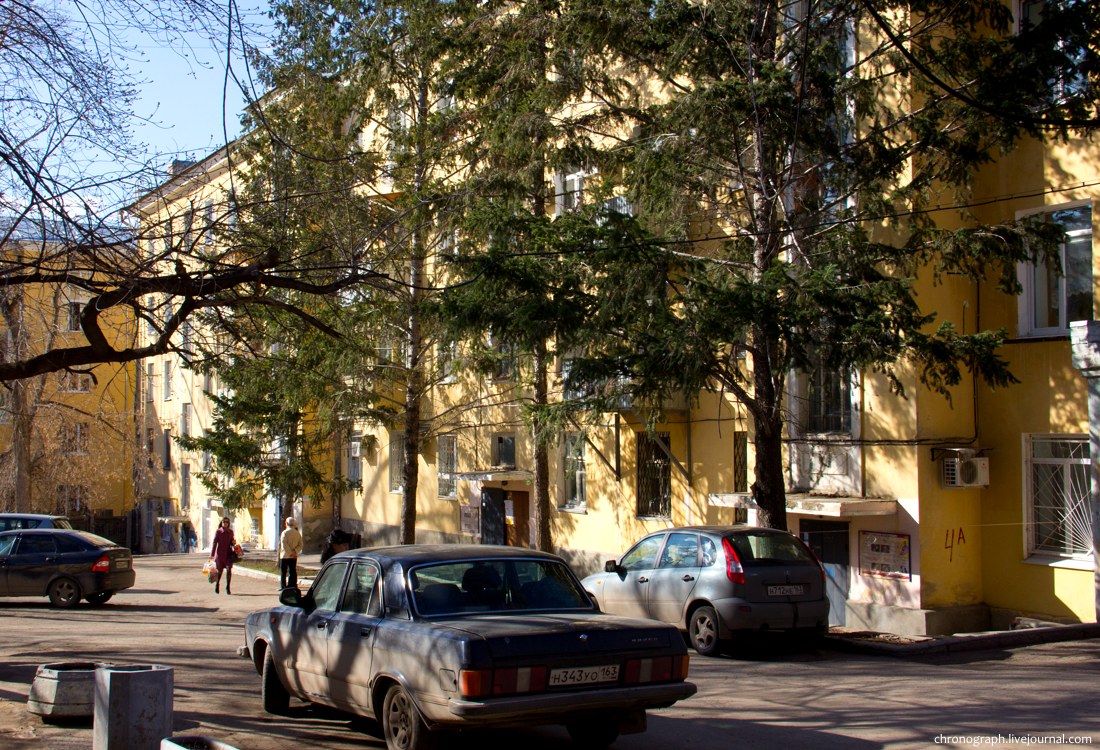
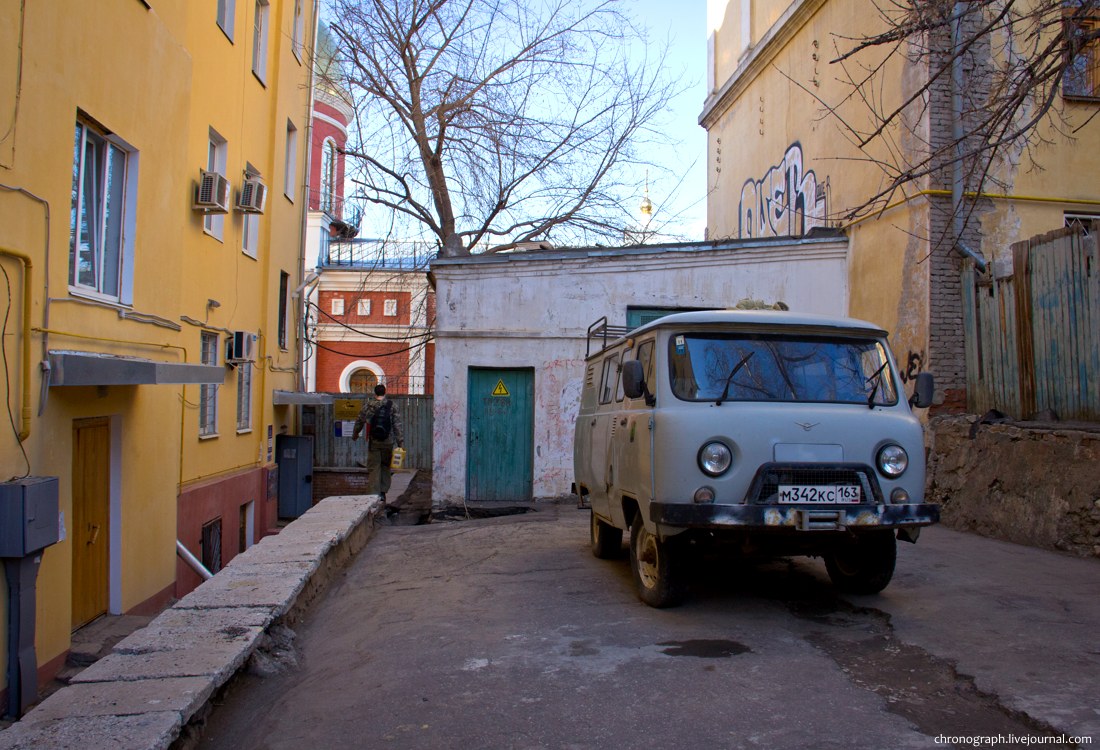
44. In the yard, between the houses of Vilonovskaya 2a and 4a
Previous walks can be found ( here )