Translated material
In the shadow of Veliky Novgorod
The appearance of the Internet has changed our whole life. But that part that is associated with information has changed especially. Science in the first place. And the most important thing in this sense is the acceleration of the scientific process. Previously, any scientific work either waited for the conference - to report, or publications in a scientific publication. This was especially important for archaeologists: he did not publish the find - he did not put it into scientific circulation.
The first, perhaps, astronomers and physicists succeeded in using the Internet: electronic preprint base arxiv.org
For a long time and well known. And I, as an amateur archaeologist, have long been waiting for the creation of such bases on archaeological finds. Indeed, take, for example, excavations in Novgorod. The season takes place in the summer. The most important finds are reported at conferences in January. And if the conference is missed, then printed materials will have to wait until the next conference. Total, in the worst case - a year and a half.
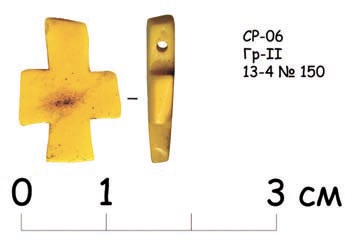
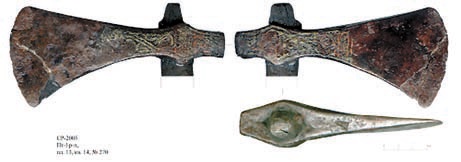
Moreover, the archaeologists of Novgorod State University. Yaroslav the Wise (Noga) decided to start correcting the situation. They created and actively fill the database of archaeological excavations in the younger sister of Veliky Novgorod - old Russ. Everyone can familiarize themselves with the findings made by the old Russian archaeological expedition of NovGU, on the page www.novsu.ru/archeology .
At the same time, judging by the inherent structure of the base, it is potentially possible to cover all areas of the Novgorod region in general, including Novgorod itself. In addition, another type of documents is laid out on the base page - field reports on excavations. And this is also very good news.