Sobyanin's resignation and heroes of the upcoming battles for the mayor's chair
The mayor of Moscow will be elected two years ahead of schedule - September 8, 2013. How this decision was made, to whom it is beneficial and who will become the main character of the upcoming election campaign - the New Times sorted out
Sergei Sobyanin decided to re -elect the mayor in an accelerated manner
In the building on Akademika Koroleva Street, 10 is a meeting of the Council of Municipal Deputies of the Ostankino district of Moscow. They discuss the organization of summer leisure for difficult adolescents, redistribution of budget funds and measures to improve the territory. The last point causes the most violent disputes.
- Residents who have animals complain that there are no special urns for dog excrement. The law has come out, we are cleaning, but there is nowhere to throw away. Is this issue resolved within the city or can we solve here? - One of those present is interested.
- In a bag - and in a regular trash! - Resolutely objected colleagues. - The city does not have money for shit!
In the days when there are no meetings, it is very quiet here - there is little residents at the reception. “Three can come in one week, nobody in the second. The fact that we have municipal deputies know only 7 % of residents, ”the deputy Nikita Yankova complains The New Times.
However, in the coming days, unknown municipalities will turn into almost the main metropolitan politicians. After all, it is precisely on their signatures that the early elections of the Moscow mayor will become truly competitive-or will be held in the usual non-alternative format for Russia.
The concept has changed
The decision to hold the early elections of the mayor in Moscow, apparently, was made in the Kremlin in mid -May. At least on the twentieth of May, at least two future candidates for mayor already knew about the upcoming election campaign: Sergei Sobyanin himself and the leader of the Green Alliance - People's Party party Oleg Mitvol, whom the ill -wishers call the “Kremlin project”.
It was in the second half of May that Sobyanin took several public steps, which can be considered the actual beginning of his election campaign. So, on May 28, the mayor gave an interview with the Moscow News newspaper: the meeting with journalists was not somewhere, but in the Resta-Jacques restaurant in Stoleshnikov Lane. The network of these institutions is known in Moscow by the fact that representatives of the creative class gather there, and in Jean-Jacques on Nikitsky Boulevard in May 2012 the police even detained the participants in “protest festivities”. In this interview with Sobyanin, speaking of future (who had not yet become early) elections, he promised not to allocate target groups among the potential electorate, but to work with everyone - with workers, creative class, youth, and elderly people.
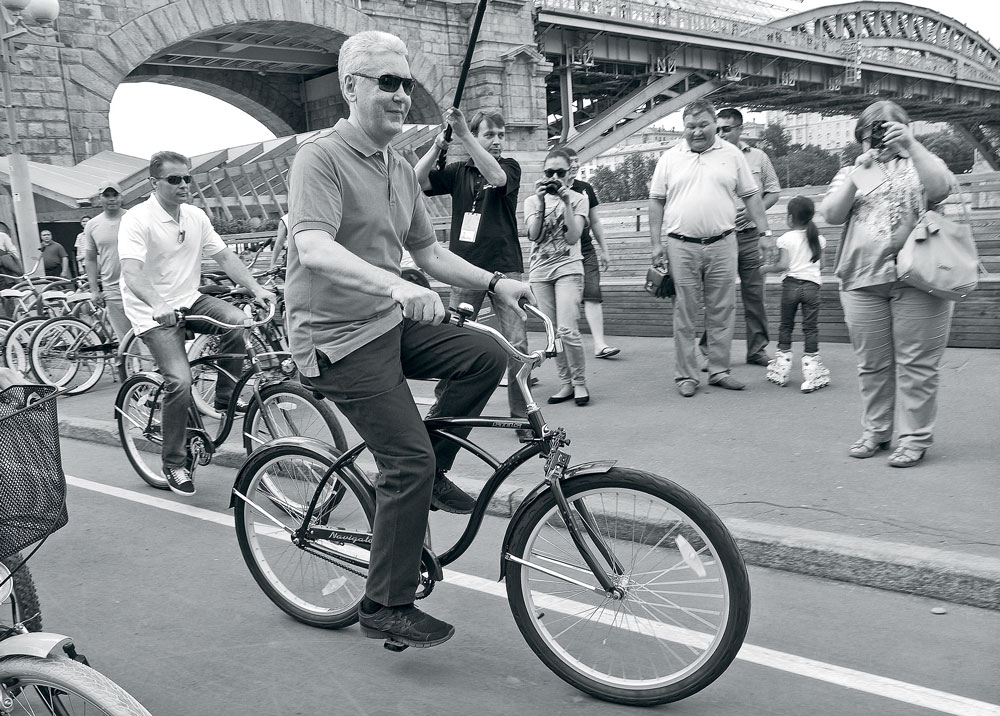
Exactly according to this scheme, the mayor then acted. In the same interview, he made a curtsy of the nationalist audience, saying that Moscow will remain a Russian city and should not welcome people who speak Russian poorly. (Two days later, the police and the FMS conducted raids on illegal migrants, arresting about a thousand people.) On May 31, at a meeting with municipal deputies and Muscovites, Sobyanin was noted in Socialka, promising to build 50 new clinics in the coming years. And on June 1, the mayor arrived in Gorky Park - a popular recreation area for young Muscovites - and personally checked the European -model bicycle rental system, which appeared in the city on his initiative. Thus, all week before the statement of early resignation on June 4, Sobyanin did not leave the information space and worked for various social groups.
As for Oleg Mitvol, on the 20th of May, by his own admission, he was already negotiating with the capital's municipal deputies, whose support is necessary for registration in the mayor’s elections. And on May 30, the leader of the Green came up in Yekaterinburg with a statement that the election of the Moscow mayor will most likely be held in 2013. It is worth recalling that in the second half of the zero years, Mitvol worked in the executive branch at the federal and Moscow level: he worked for five years as deputy head of Rosprirodnadzor, and then another year - by the prefect of the Northern Administrative District of Moscow (he lost this position immediately after the expulsion of Yuri Luzhkov).
True, he himself explained his gift in an interview with The New Times differently: “I am a mathematician, this is clear to me just based on logic. For Sobyanin next year, the elections will be much more complicated than in this, and after a year it is generally unknown what will happen with the political and economic situation in the city: it will be difficult in terms of fulfilling budget obligations to citizens, the situation with parking, with anything, will worsen. ”
“Political technologists last year, when the prospects of regional elections were discussed, said that Sobyanin would reasonably make a“ early premium, ”recalls political scientist Dmitry Oreshkin. However, on February 14, 2013, the mayor himself seemed to put an end in these conversations. “According to those surveys that we have, 70–80 Muscovites do not want any early elections. I believe that the election deadlines are determined, it is possible to be elected in these terms, ”Sobyanin said in an interview with Kommersant.
“Apparently, during the time that passed with this interview, the Kremlin realized that the situation worsens faster than they expected,” explains such a quick change in the views of the mayor of Oreshkin.
Support from below
“On June 4, we planned a regular organizational assembly,” says Nadezhda Golovkova, member of the Public Chamber of Moscow, the chairman of the Moscow Consumer Rights Protection Society. - At three o'clock, when the meeting began, Sergey Sobyanin appeared. We decided that he wants to briefly greet us, and then he would leave, as it was at our first meeting on April 24. But he suddenly said that he was going to present to us the program "Moscow is a city convenient for life." We did not expect this. "
By the end of the presentation, which lasted forty minutes, members of the Public Chamber already realized that they were introduced to Sobyanin’s election program. The mayor said that it was possible to accept the program in the fall, in September - November, suggested discussing it, and also asked to answer one question that he was “often asked” - they say, the law on direct elections of the mayor, adopted last year, puts the task for the Muscovites: either to arrange the early elections in September, on the nearly single voting day, or wait until the deadline for the mayor has expired. 2015.
According to Golovkova, there were no disputes: “We supported the idea of early elections. During the discussion, for example, such an argument was given: in the Moscow region there will be the election of the governor, and if the governor is elected, and the mayor of Moscow is appointed, then this is multi -level legitimacy of power. Moscow and the region are a large conglomerate with common problems, so it will be better if the authorities are in the same status. ”
The day after the “Council with the People”, Sergei Sobyanin filed a resignation statement to Vladimir Putin, received a blessing for early elections (according to the current legislation, the head of the region voluntarily left the post can run for early elections only with the permission of the president) and was appointed the acting mayor for the period before the September elections.
*This structure was created in accordance with the Moscow law adopted on July 4, 2012, the formation of the first composition of the chamber ended in March this year, the first meeting took place in early April.
Why, for his statement, Sobyanin chose the Public Chamber*? 20 of the 64 members of the OP were recommended personally by the mayor of Moscow, and the rest are represented by public organizations that are tightly cooperating with the mayor. So, as “advisers”, Sobyanin chose a completely loyal audience, and besides, the supra -partisan, in full accordance with the new fashion, whose legislator was Vladimir Putin with his ONF.
The information that appeared by the end of last week also looked completely logical that the candidate Sobyanin decided not to go from his native “United Russia” (he is a member of the Higher Council bureau), but as a self -nominant. “The mayor simply chose a more rational option,” explains Alexander Oslon, head of the Public Opinion Foundation. - In order to provide the possibility of supports on the population, it is wiser to proceed from the fact that he is "in itself." At the same time, Sobyanin does not lose the support of the party, but acts as a general candidate. ”
In addition, the distance of the mayor from United Russia is easily explained by the low popularity of the Party of power in the capital. In the Duma elections in December 2011, according to the EXT-Pole of the same Thomas (later remote from his site), only 27.5% of voters voted in Moscow (Mosgorizbirk then officially counted 46.6%). And in February 2013, again, according to the Thomas survey, the United Russia in the hypothetical elections to the Moscow City Duma was ready to support 32% of the townspeople, while Russia as a whole in the last three months ranged in the region of 38–40%. It is no coincidence that all municipal elections in Moscow in Moscow last year also went as self-nominates.
The game is ahead
Party-municipal resource
Party
"United Russia"
Communist Party
"Fair Russia"
"Apple"
LDPR
Independent
All
After the official confirmation of information about the early resignation of Sergei Sobyanin, the main topic for commentators was the question of why this was needed. Experts surveyed by The New Times are distinguished by two main reasons why the early elections of the Moscow mayor this year are a profitable event for the authorities.
The first thing that everyone is talking about without exception: now the situation in the capital and the country as a whole is quite stable, but there are no guarantees that in a year or two it will not change for the worst. “The situation today until September is favorable for Sobyanin,” says the head of Thomas Alexander Oslon. - Only 9% of Muscovites claim that they do not know anything about Sobyanin and his work. The mayor in the sociological sense does not have an anti -ecliotic. Judging by the statements of the respondents, in the near future the attitude towards him will not deteriorate, and serious competitors are not visible. Sobyanin now has a lot of chances to win in the first round. It would be strange not to take advantage of this situation. ”
The last poll FOM on the Moscow mayor was conducted on January 26 - February 7, 2013. 51% of Muscovites replied that they are good at the current mayor, 23% - which is bad. 59% of respondents considered that it would be better for Moscow if Sobyanin will continue to occupy this position, 14% replied that it would be worse, 27% found it difficult to answer.
The assessment of Thomas as a whole, Aleksey citizens, the deputy director of the Levada Center, recognized in mid-May, “foreign agent”, is also agreed. True, the last survey about Sobyanin was done there last summer, but the situation, according to citizen, should not have changed seriously: “The choice of the mayor is not a political choice. People are more worried about how a person is able to solve urban problems, and the majority of the population of Moscow says that the situation has improved. ” In June 2012, the positive impression of Sobyanin’s activities, according to the Levada Center, took place in 27% of Muscovites, 46% had an average, 17% in bad and very bad. The willingness to vote for Sobyanin if the mayor’s elections took place on the next Sunday, then 36% of the respondents were expressed, and 31% wished to give his vote to the candidate from the United opposition.
The second moment profitable for the authorities - a sudden decision to hold early elections actually cuts off serious opponents from them. According to the head of the inter -regional association of voters Andrei Buzin, opposition candidates who built their plans at the rate of 2015 have very little time to organize a full -fledged election campaign, and not only in the sense of promotion, but also purely technologically. Indeed, for registration it is necessary to enlist the support of 110 municipal deputies representing at least 110 out of 146 metropolitan regions (including New Moscow), and only 30 days are allocated to collect these signatures.
It will not be easy for opposition to the remaining time and mobilize their supporters and collect monetary resources for the election campaign, adds the head of the Niccolo M PR company Igor Mintusov. Whereas the candidate from the authorities will certainly have no problems with this.
Finally, the most dangerous competitor to Sobyanin, the leader of the Civil Platform party, billionaire Mikhail Prokhorov, who, after the third place in the presidential election-2012, will not be able to participate in the early elections (he received 20.5% of the vote after the presidential election and took second place) was systematically prepared precisely for the mayoral elections of 2015. “The main threat to Sobyanin is Prokhorov,” the opposition politician Boris Nemtsov agrees. “They turned all this fraud so that he did not manage to comply with all the conditions for nomination in the elections.” We are talking about paragraph 3.3 of Art. 33 of the Law “On Basic Guarantees of Electoral Rights ...”, according to which a candidate for any elected post must get rid of accounts, values and assets abroad “By the time of his registration”. And Mikhail Prokhorov abroad has not only accounts and companies (many of which are registered in offshores, but some disputes with partners are in place), but also the American basketball club New Jersey Nets - and this is not the asset that can be taken and transferred to Russia.
The lawyer of the Moscow College of Lawyers “Knyazev and Partners” Vladimir Yurasov explained to The New Times that there are many legal schemes for the transfer of assets that do not contradict either international or national law: “The problem is only in terms - this can take from a month to six months. Each business implies many legal entities, a huge number of people who need to be re -registered. This cannot be done quickly. In addition, if Prokhorov decided to transfer assets to Russia, this would increase the risks for his business: there is a certain political instability, the legislative framework in terms of protecting the owner is imperfect, the Criminal Code, unfortunately, is used very often as a way of blackmail and pressure. ” And I would have to get rid of the basketball team at all - if not to sell, then transfer to proxies.
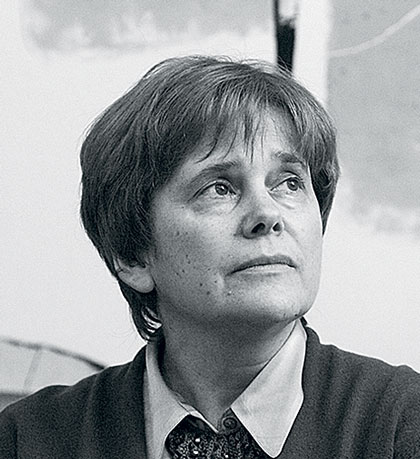
Prokhorov promised to finally decide on the elections after their official appointment, assuring that the “civilian platform” “would in any case participate in the elections”. As the sources in the party say, if the leader cannot run, then his sister, the editor -in -chief of the New Literary Review, Irina Prokhorova, who showed himself perfectly as a proxy of candidate Prokhorov during the presidential pre -election television devices will go to mayor. Prokhorova herself informed The New Times that he could not give comments on this issue yet.
For money and for the idea
As for those opposition candidates to whom no assets do not interfere, the so -called municipal filter will be the main problem for them: for registration in the mayor’s elections, it is necessary to enlist the support of 110 of 1810 municipal deputies.
“An independent opposition to all of Moscow has 10 or 15 municipal deputies who will sign on belief. Where to get 110 people who subscribe, for example, for Navalny? It is impossible to create such a network in a week, ”says Maxim Katz, deputy of the Schukino district. - Sergey Mitrokhin is a little in the best position, since among the deputies there are Yablokniki. The Communist Party has a sufficient resource and a large number of supporters in municipal meetings to register their candidate, they will be able to honestly nominate a candidate from this party. ”
According to Maxim Katz, it is pointless to agitate deputies, since many of them are not interested in the policy: “The municipal filter can only be passed with the unspoken consent of the authorities, and if there is a“ signature ”team, it is not clear how to collect them. But when there is no such pressure, the deputies do whatever they want, and in this case their signatures can be bought. Just money - and that’s it. ”
The option with a banal bribery seems to be decisive and some potential candidates for mayor. According to Alexei Navalny, he already has information about the bunks of votes that began in a number of areas of Moscow: the amount of the promised amounts ranges from 100 to 300 thousand rubles. “Yes, there is information that the deputies are already captivated, but so far they haven’t caught anyone's hand,” says Peter Mercerodov, the coordinator of the Council of Municipal Deputies of Moscow. “I immediately expected those candidates who would lack the votes of the deputies will try to offer money for signatures.” Miloserdov himself, according to him, was also offered to “contribute”: “Since I am a coordinator of the Council, I have a telephone base of 500 people, and yesterday I was offered to merge it.”
“Based on the social status of municipal deputies, for 300 thousand. They would run to sell their voice instantly, and for 100 thousand. Many would also agree,” says deputy Katz. “All this municipal party for the most part is not rich: deputies work on a voluntary basis, they are not supposed to be bonuses and bonuses.”
On the other hand, the deputies will subscribe to the candidate without money for the candidate, it is enough only to put pressure on them. “These people, of course, will vote for Sobyanin without problems. Они в основном вертикально интегрированы в исполнительную власть, часто работают в госучреждениях (главврач поликлиники, директор школы), — поясняет Максим Кац. — Большинству из них все равно за кого голосовать, и на них можно легко оказывать давление, даже не прямое, а так, намеками: ну сделай, что тебе стоит».
Впрочем, некоторые коллеги Каца с такой оценкой не согласны. «Теперь в муниципальные депутаты пошли те, кому надоело, когда людей считают за быдло, — говорит член муниципального собрания района Печатники Максим Мотин. — За последний год никто из нынешних кандидатов в мэры не обращал внимания на муниципальных депутатов, а предложения с их стороны игнорировались. Посмотрим на этих людей, которым мы вдруг неожиданно понадобились. Пока у меня нет симпатий ни к одной персоне». Принципиальность готов проявить и останкинский депутат Никита Янковой, который, по его словам, «по убеждениям» проголосует только за Михаила Прохорова или Сергея Собянина.
Хороший шанс получить желанную поддержку представится кандидатам в мэры 15 июня на четвертом форуме муниципальных депутатов. «Форум был объявлен еще до выдвижения Собянина и планировался как очередное обсуждение проблем местного самоуправления, но теперь наша программа изменилась», — поясняет один из организаторов мероприятия Петр Милосердов. По его словам, на форум будут приглашены потенциальные кандидаты в мэры и руководители всех московских партийных организаций.
Помочь муниципалам сделать правильный выбор готовы и некоторые гражданские активисты. «Нужно, чтобы люди на муниципальном уровне почувствовали: они совершают действительно важное действие, а не подмахивают по указке сверху подписи за нужного кандидата, — говорит председатель незарегистрированной Либертарианской партии Андрей Шальнев. — Мы хотим сделать этот процесс публичным, чтобы на сайте висели фамилии — и все знали, кто за кого ставил подписи».
Как власти манипулируют муниципальным фильтром
Way
Result
Пользуясь административным ресурсом, губернатор собирает гораздо больше подписей, чем требуется
Число «свободных» депутатов резко уменьшается, большинству оппозиционных кандидатов не удается собрать установленный минимум подписей
Лояльные власти депутаты по указанию сверху подписываются за «технических» кандидатов от системной оппозиции
Обеспечивается формальная альтернативность выборов, кандидат от власти побеждает уверенным большинством голосов
Одни и те же депутаты подписываются сначала за кандидата от власти, а затем за оппозицию
Избирком засчитывает только первую подпись, и число оставшихся у оппозиционера автографов опускается ниже установленного минимума
Депутаты, поддержавшие оппозиционеров, пишут заявления об оказанном на них давлении
Избирком аннулирует эти подписи, а оставшихся не хватает для регистрации
Memories of the future
О том, как будет работать в Москве муниципальный фильтр, можно судить на примере губернаторских выборов, прошедших в октябре 2012 года в Амурской, Белгородской, Брянской, Новгородской и Рязанской областях, где эта норма применялась впервые. «Муниципальные депутаты в регионах не хотели ставить подписи за оппозиционных депутатов, а если и хотели, то на них можно было надавить, — говорит Андрей Бузин. — Надавить легко, потому что информация о том, кто за кого подписался, не тайная — эти списки должны публиковаться». «Зарегистрироваться, будучи независимым кандидатом, очень тяжело, — согласен руководитель региональных программ Фонда развития информационной политики Александр Кынев. — Система работает на регистрацию базового кандидата (от партии власти. — The New Times) и условных технических оппонентов, которые не борются, а просто формально обозначают альтернативу».
Именно так обстояли дела в октябре 2012-го в Новгородской области, где кандидату от КПРФ Ольге Ефимовой не удалось собрать даже «свои» подписи: многие муниципальные депутаты, прежде сотрудничавшие с компартией, неожиданно решили поддержать главу области Сергея Митина. По информации новгородских коммунистов, штаб губернатора, надавив на муниципалов, сначала заполучил подписи подавляющего большинства депутатов (гораздо больше, чем требовалось для регистрации), а потом поделился частью из них с «техническими» кандидатами от ЛДПР и партии «Патриоты России». В итоге кандидат Ефимова нужного количества подписей собрать не смогла, губернатор Митин триумфально победил с 76% голосов, а два «технических» оппозиционера получили по 10%.
Похожую схему использовали и власти Рязанской области, где губернатор Олег Ковалев собрал в свою поддержку полторы тысячи подписей вместо требуемых 240. Кстати, после осенних выборов думские оппозиционеры предложили законодательно ограничить число подписей, собираемых каждым кандидатом в губернаторы, и думские единороссы с этой идеей, вроде бы, даже согласились. Но поправка пока не принята, поэтому повторение на московских выборах новгородского и рязанского опыта вполне возможно.
А вот в Брянской области была применена другая технология. Там главный соперник губернатора Николая Денина, выдвиженец «Справедливой России» Вячеслав Рудников, собрал требовавшиеся 253 подписи, хотя и не без труда. Но облизбирком забраковал 34 автографа, сославшись на то, что ряд депутатов подписались сразу за двух кандидатов, а некоторые прислали в избирком заявления о том, что «в отношении них совершались противоправные действия — принуждение или вручение денежных средств».
Фактор Х
На фоне проблем с муниципальным фильтром не так важен даже вопрос о раздробленности оппозиции. Участие в выборах представителей разных оппозиционных сил может повысить интерес к кампании и привлечь на участки дополнительных избирателей, что в конечном счете может сыграть против мэра Собянина, опирающегося на стабильный провластный электорат. Но если к выборам не будет допущен ни один выдвиженец несистемной оппозиции, все эти расчеты окажутся бессмысленными.
Существенно изменить ход кампании, по единодушному мнению наблюдателей, могло бы участие в ней бывшего мэра Москвы Юрия Лужкова. Но тот от окончательного ответа на этот вопрос упорно уклоняется. «Я пока не решил, никакой определенности нет. Настолько все это было неожиданно, что надо осмыслить все обстоятельства и только когда-то потом определять свою позицию», — заявил Лужков The New Times, дав понять, что эта «неопределенность» относится и к вопросу о том, кого из кандидатов он поддержит, если сам на выборы не пойдет.
Существует, правда, версия, что самое интересное в этой кампании случится ближе к осени: как сообщил The New Times близкий к Кремлю источник, в сентябре Сергей Собянин может быть назначен премьером, а мэром в итоге станет кто-то из «запасных» кандидатов власти. Согласно этой схеме, наряду с нынешним градоначальником в окончательном списке претендентов должен оказаться еще один провластный кандидат, который поначалу будет рассматриваться публикой как «технический», но перед самым голосованием Собянин призовет сторонников поддержать свою «тень». Правда, социологи предупреждают, что этот вариант может и не сработать: по данным опроса «Левада-Центра», проведенного в конце сентября 2012 года, только 9% респондентов выразили готовность проголосовать за ту партию или кандидата, которую призовет поддержать Сергей Собянин, тогда как 66% заявили, что сделают свой выбор независимо от мнения действующего мэра.
Если же никаких неожиданностей не произойдет, то кампания по выборам мэра Москвы будет развиваться по стандартным правилам «летней политики» — мягко говоря, не самым благоприятным для конкурентных выборов. «Избиратель разъехался на грядки, потом приехал, детей сдал в школу и детский сад, а тут — хлоп! — уже выборы. А кого знаем? А никого не знаем, кроме Собянина», — подытоживает Дмитрий Орешкин.
Избирательный график Отсчет всех предвыборных мероприятий начнется с дня официального опубликования решения Мосгордумы о назначении выборов (как ожидается, это произойдет 11 июня). После этого у потенциальных кандидатов будет 30 дней на то, чтобы уведомить горизбирком о своем выдвижении и собрать все необходимые для регистрации документы. Выдвигаться можно либо от партии, либо в порядке самовыдвижения: во втором случае кандидат должен будет собрать подписи 1% избирателей Москвы (около 76 тыс.). Кроме того, в течение тех же 30 дней все кандидаты, независимо от способа выдвижения, должны заручиться поддержкой 6% муниципальных депутатов (110 человек), причем эти подписи должны быть собраны как минимум в трех четвертях муниципальных образований (то есть в 110 из 146 столичных муниципалитетов). Все подписи должны быть заверены нотариально. После представления кандидатом всех документов у горизбиркома будет 10 дней на их проверку. В регистрации будет отказано лицам, имеющим не снятую или непогашенную судимость за экстремизм, а также тем, кто когда-либо был осужден за совершение тяжких и особо тяжких преступлений. Поводом для отказа в регистрации также станет недостаточное количество подписей муниципальных депутатов, а для самовыдвиженцев — еще и наличие в представленных ими подписных листах более 10 % недействительных или недостоверных подписей избирателей. Предельный размер расходов из избирательного фонда кандидатов в мэры установлен на уровне 200 млн руб. При этом собственных средств кандидат может внести не более 3% от этой суммы (6 млн руб.), до 100 млн может выделить партия, от которой он выдвигается, юридические лица могут перечислять максимум по 6 млн, а граждане — не более 1 млн каждый. Агитацию посредством уличной рекламы, листовок и предвыборных мероприятий кандидаты вправе вести с момента официального выдвижения. Агитация в СМИ начнется за 28 дней до голосования (то есть с 12 августа) и закончится в ночь на субботу 7 сентября. Бесплатное эфирное время будет выделяться кандидатам на городских государственных телеканалах и радиостанциях: телеканалы ТВ Центр и «Москва 24», радиостанции «Говорит Москва» и «Москва-FM». Половина бесплатного эфирного времени должна выделяться под предвыборные дебаты, однако от участия в дебатах кандидаты вправе отказаться. Не позднее чем за пять дней до голосования (то есть до 2 сентября включительно) кандидат вправе сняться с выборов без вынуждающих обстоятельств. Итоги выборов Мосгоризбирком должен подвести не позднее седьмого дня после выборов (15 сентября). Если в первом туре ни один из кандидатов не наберет более 50 % голосов, через 14 дней (22 сентября) пройдет второй тур, победителем которого будет объявлен кандидат, получивший относительное большинство голосов.