Date
Author
Николай Дзись-Войнаровский
Source

Preserved copy
Translated material
The ban on alcohol works!
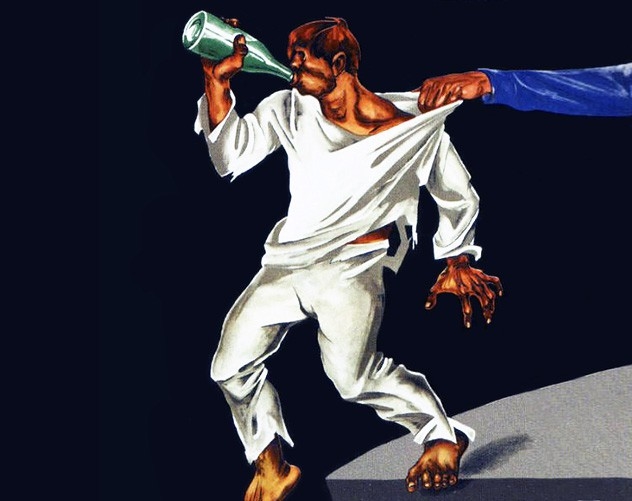
The ban on the sale of vodka and beer at night really forces the Russians to drink less - this is the result of a study conducted by Marina Kolosnitsyna, Natalya Khorkina and Marat Sitdikov from the Higher School.
These measures to combat alcohol do not affect anything - usually the objections of alcoholics and skeptics are reduced to this. For example, against the ban on the sale of alcohol at night, you can put forward such a speculative argument: people will either buy in advance, or get drunk even more in the morning. Practice usually does not confirm, and here are fresh Russian data. Scientists from HSE have studied data for 2009-2010 “Russian monitoring of the economic situation and public health” in 79 regions.
Here's what happened:
In 15 constituent entities of the Russian Federation, where alcohol is sold for 10 - 12 hours, alcohol sales in liters of pure alcohol per person fell from 93.5 liters (in 2009) to 89.1 liters. This fall is 4.7%. In 13 entities where alcohol is sold within 13 - 14 hours, sales fell from 73.6 liters to 71.9 liters. The fall is 2.3%. In 7 entities where alcohol is sold within 17 - 19 hours, sales have grown from 35.9 liters to 36.08 liters. This is an increase of 0.57%. In 9 entities where alcohol is sold at any time, sales have grown from 50.31 liters to 52.01 liters. Growth - 3.36%.
Note from June 27, 2013: In this list, per capita consumption was smiled in all regions of the group - see the answers of one of the authors of the study by Marina Kolosnitsyna to the questions of Slon readers.
Maybe where vodka was not sold at night, people switched to moonshine? Again not:
In the regions that introduced temporary restrictions, the average daily consumption of moonshine decreased from 260.7 grams (in 2009) to 235.5 grams (in 2010). In regions without temporary prohibitions, consumption rose from 270 grams to 276.6 grams.
Why so? One of the possible explanations is that any restrictions on alcohol do not act on absolute teetotals and drunken alcoholics. They act on the middle layer, the representatives of which, for example, returning late in the evening from work, do not mind swallowing the beer. But if they return late, when alcohol trade is prohibited, then they will react to this without fanaticism - they will not look for midnight, will not be stuck in alcohol tomorrow, but simply fall asleep and go to work in the morning. Therefore, the lack of alcohol in the body for one evening, perhaps, will save them from the deadly exacerbation of the chronic disease of the liver or heart and reduce the likelihood that they will drive the car with tipsy.
Read also:
So does a night ban on alcohol work?
Marina Kolosnitsyna, the author of the study that the Russians began to drink less, answers questions from Slon readers, the American version of the extinction of the Russian people vodka without beer - lifeis the addiction of Russians to alcohol makes the poorer even convinced teetotalers