
Translated material
Renault will increase investments in the Moscow Plant
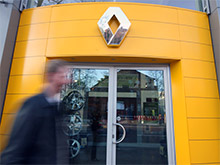
In connection with the adoption of the law on the provision of tax benefits to automakers, Renault confirms its intention to continue investing in the further development of the production of Renault brand at the plant in Moscow. Under the new law, the company will be able to count on a decrease in the volume of tax burden from the city of Moscow, Avtostat reports.
Working in the Russian market since 1998, Renault has invested more than 1.5 billion in the automotive industry during this time, of which 480 million euros went to develop the plant in Moscow.
In total, during the implementation of the project to further modernize the production of Renault in Russia, the volume of additional investments of the company should amount to 21 billion rubles.
These funds will be invested in the acquisition of technological equipment and equipment, as well as on the overall modernization of the production of cars, which will take place in stages, as part of obligations to comply with the schedule of investment from companies using state support.
These investments are long -term and aimed at stable production.
Developing the localization of Renault production in Russia, the company also plans to increase the nomenclatures used in the production of locally produced components.
Currently, the level of localization of production is 75 % (for Renault Logan and Sandero cars), the purpose of the company is to bring this figure to 80 % in 2016.
Also, within the framework of the obligations of the company to further develop production, work will continue to improve the training system, based on agreements with specialized higher and secondary special educational institutions in Moscow. Currently, Renault has more than 6,000 people in Moscow, of which 290 design engineers.
By 2014, the number of engineers in production should increase by one and a half times.
In 2012, Renault strengthened its investment positions in a Moscow enterprise with the purchase of a package of shares belonging to the Moscow government.
Last year, the capacity of the enterprise was increased to 188 thousand cars per year.