
Translated material
Secret above human understanding
Excerpt from the new novel by Dmitry Bykov "Signals"
“Signals” is the new novel by Dmitry Bykov, who is preparing for the exit in the publishing house Eksmo. This is a mystical thriller in which the realities of today are easily recognized. The New Times, with the permission of the author, offers his readers an excerpt from the novel
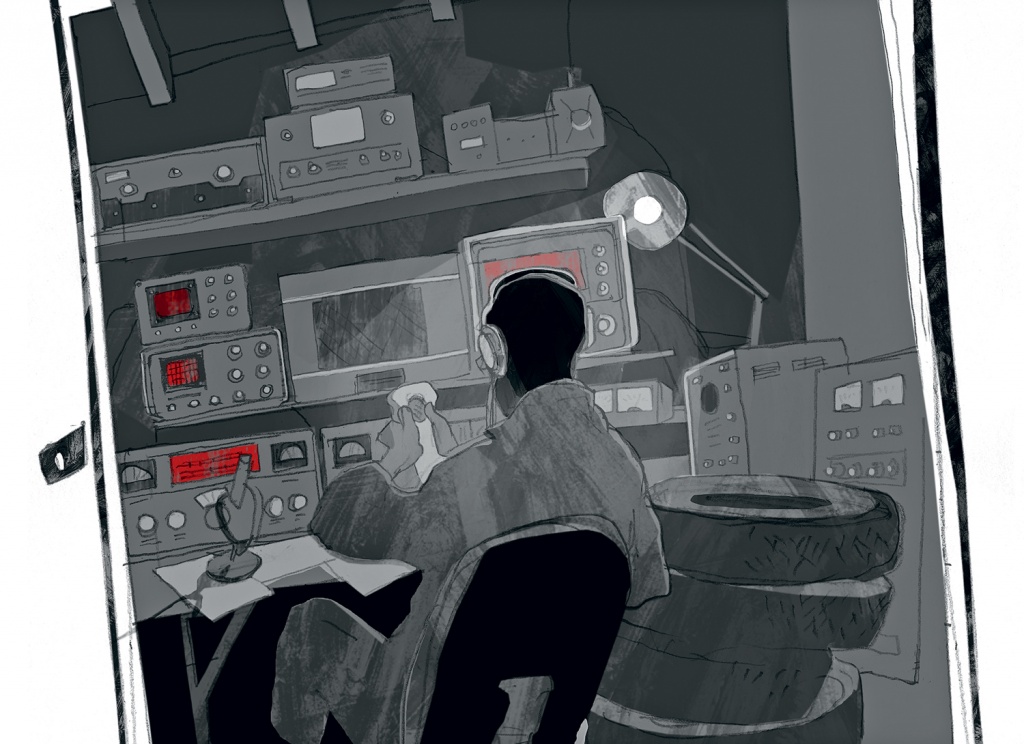
On September 9, amateur radio amateur Igor Savelyev caught signals from the missing An-2 aircraft.
It turned out this way: at one in the morning, his favorite time, when his head was not heavily, he sat in his garage, where an excellent amateur radio station with Japanese configuration was equipped, with the call sign of the R9C8WN, where R denoted Russia, the Sverdlovsk region, 8W - the city of Pyshva, and what was meant N, you do not need to know yet.
At one in the morning at a frequency of 145.17, which was not used in his memory for a period, he heard a loud and tragic female voice that told him:
- Father, pray for me.
Enough, now the background.
Saveliev was engaged in exactly half his life and by the age of thirty he was a first -bit with the prospect of the candidate, with the second category and a dozen letters. In ordinary life, he worked as an orthopedist and did not like this profession, because he had to deal with people. If it were possible to heal without personal contact, according to the list of complaints, analysis and picture - he would not have the price, and the work would be exactly on it; But to deal with people, their fears and smells (the stronger the fear, the worse the smell) Saveliev did not want to. That is why he still has not married, and random ties did not last long. He was considered good as a specialist, because the smaller and tougher the doctor talks, the more he was honored - but he was not going to move from Pyshva at least to Yekaterinburg. Why, when was the whole world in the garage at its service, and in the best possible way? This world was deprived of the smell, flesh, humiliating physiology-it has already passed into the highest form of existence, than we will ever finish, as positive, negatives and cassettes ended with a figure. The highest goal of mankind is a translation of himself into information: Savelyev knew this, but did not tell anyone.
In Russia, about 50 thousand real radio amateurs, it is a delicate matter and requiring deep dislike for what is usually called life. A radio amateur is a person without everyday life, and in a sense, a wave. Savelyev had friends in Thailand, Mexico, Japan and even one friend in Russia, with a strange call sign, regarding whom he asked not to ask: as you know, there was no five in the regional Russian nomenclature, but for some reason this strange conversationalist was. Probably something secret. Personal secrets did not worry Savelyev, because he loved riddles of the highest order: abnormal zones, mysterious disappearance of tourist groups and lonely wanderers, portals to neighboring worlds.
There are three levels in the development of all science: neophytes are interested in secrets, a professional knows that there are no secrets and everything in the world has a materialistic explanation, and the specialist understands that all materialistic explanations are a secret above human understanding. This analogy is best understood by drivers. A novice driver has no idea how the car drives, and in case of malfunction, at best, pumps the wheels, and cleanses the ashtray at the worst; A professional can make out his car to the last screw and even, it happens, assemble back-AS knows everything about the car and still does not understand why it drives. Savelyev was ace.
Briefly speaking. At one in the morning, a female voice told him:
This was clearly not a fragment of police negotiations, the audition of which Savelyev was indulging in the ninth grade, and even more so not ambulances. “Fleets”, as a detachment of risky amateur radio amateurs call the negotiations of pilots with dispatchers, work mainly in the range from 117 to 136. It also did not smell like mobile communications. It was the devil knows what it is. Savelyev was alert, turned on the record and began to tune. Three minutes later, the same frequency said a sipper male baritone:
- I repeat: the collective farm named after (chopping, gurgling). Seventy kilometers from Perov. Come, will be late. I repeat: late!
The voice drowned out the interference, and as Saveliev was listened, nothing but noise and cod was heard for a long time. Then, through the noise, the voice broke through again, but the former or the other - Savelyev did not understand. The speaker did not introduce himself, did not call the call sign. The voice shouted:
-There is no more r-ethnium! L-twenty-five jokes from the B-ten. There is no r-eighteen. We need porridge, without porridge everything is gone.
And everything really disappeared, drowned in obstacles.
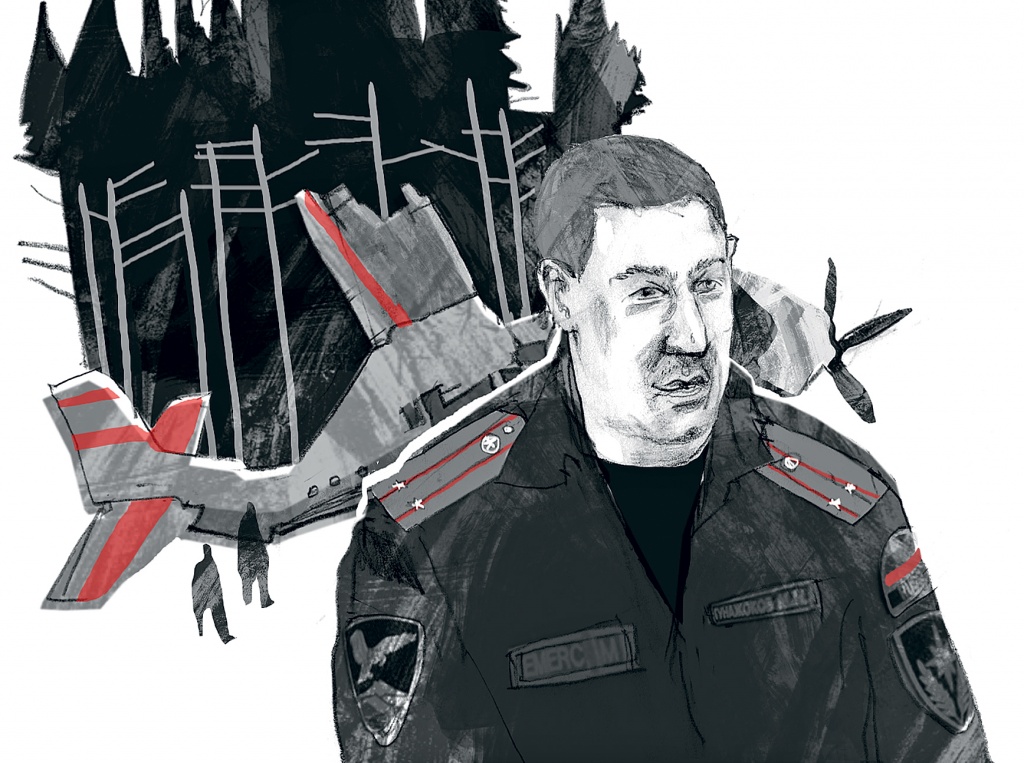
P18 is steel for cutting tools, did someone end, or what? But why on the air? And "L-25"? Is something familiar-a tank model? Or an airplane? But with whom do they join? Savelyev only realized that unknown porridge was hardly food. But the associations earned, I wanted to eat. The receiver was silent, and Savelyev was already climbing on the shelf behind the conservatives, when he suddenly heard another voice that clearly belonged to a middle -aged man. Slowly, separating the words, the voice said:
- Earth. Bear. Human. Fast. Asymptote. Ship. God. Cutlet.
Then the same thing was repeated in English. It resembled a cipher or nonsense. The first option was better, of course, but the second one often met on the air - Savelyev did not heed out over the years. Now, in general, the broadcast was not the same, any schoolboy could buy Aor-3000 and create anything on the waves. Little-old hooligans, frank hamier, psychos of all stripes ... Once Savelyev even overheard negotiations of housekeepers-through the mat-converts, the crackers agreed with those who stood on the stir.
But the speaker did not joke, it was heard. Saveliev lit a cigarette and, continuing to listen to the frequency again, began to twist incoherent words in his head. He wrote them out in a hardware magazine, but without a key, the cipher remained delirium. It was still possible to unite the Earth and the bear, but God and the cutlet? Savelyev so plunged into thought that he started when the receiver spoke again. The male voice reported quickly and nervously:
- The plane fell. The pilot is dead. The second is dead. Two more are gone, I don’t know if they are alive. Bears around. Ataman said there will be no more cartridges. He saw, knows, he will confirm. The hunters have gone for those two. The pilot is dead. Look for us ...
Then the voice disappeared, but almost immediately made his way again, almost a scream:
- ... Lucia! Seventy…
And the end is already finally. Savelyev still listened, but all in vain. Nevertheless, I did not want to switch - as if leaving the frequency, he took away the last chance from the toilers. There was no sleep in any eye. The plane is obvious, the unfortunate An-2, two months ago, flew out of the Perovsky airport (the airport is one name, a broken strip, dusty nettle in asphalt cracks, three and a half cars in a holey hangar), or some local officials, or in remote corners for political educational work-and disappeared meet. Then he was searched, he sent him, they did not find anything, as he fell through the ground, and by September they almost forgot. Savelyev, however, did not forget. But he had his own reason.
The receiver was still silent, so that Savelyev turned off the record and listened to everything in a row, scrolling out of illegible pieces several times - but they remained illegible. He thought. The pilot is dead, said the last voice. Two more, most likely, too. What kind of chieftain? How many people were there? Savelyev did not remember. And what is then “P18” and “porridge”? One thing is clear - people are alive, and people must be saved.
Having rummaged in the drawer of the table, he extracted the map of the region and found the perov. In the radius of seventy kilometers of settlements there were few - the wilderness, taiga. Collective farm? There were a lot of abandoned collective farms, at different stages of desolation. On the cards, of course, no one denoted them. The last and first voice, obviously, spoke about one thing: both there and there was “seventy”. Seventy kilometers from Perov, collective farm named after ... revolution? Most likely, not a pollution. Maybe they say that they will come to people only seventy years after the revolution?
Then Saveliev rushed into the corner, scattered a pile of rags, books and other trash and pulled out a healthy plywood box. Father's things were stored there - they remained in the garage after his death, the hand did not rise to throw out. The Moskvich buried in the parking lot, and the little thing remained, Savelyev dumped everything into the box, freeing up the equipment for the equipment, and pushed into the corner. There, he remembered, there was an old road atlas.
Exactly! There was a collective farm named after the thirty years of the revolution. Not in seventy, but about forty kilometers from Perov - but maybe they had all navigation there. The collective farm could not move, not a gypsy camp. And the forests around are actually the last bastion of civilization. It is necessary tomorrow at the Ministry of Emergencies, where else? He was a little sorry to share the discovery. But he himself could claim to participate. In general, he spit on what officials there were and where they flew. But he remembered Marina Lebedev.
Savelyev jumped out into the street and set up a burning face of the night's frosty. Therefore, he did not hear how the receiver, demanding a little, suddenly spoke a chanting in a quiet female voice. The woman was a little burnt:
- As under the Black Mountain there, the water is black, how three cats are crowded over the Black River. The first cat goes on, everything around will fall asleep, the second cat goes on, everything around will die, and as the third comes, everything around will come to life.
The Ministry of Emergencies was located on the street named after Pyzhvinsky a native, Chekist Zhuravlev, in the same Stalin house with the Office of the FSB. It was Tuesday, Savelyev worked with three, which is why he could stay in the garage at night - and, without sleeping, by ten in the morning, with the records of signals on the flash drive, he went to report. The duty officer listened to him without emotions and took him to the head of the search and rescue service.
“KGHM,” he said. - Well, leave, I will listen, of course.
“But there ... there is a necessary to act,” Savelyev suggested uncertainly. He did not know how to put pressure on the interlocutor, especially a military man.
“If necessary, we will act,” the boss explained. - Thank you, we can better see us.
“I just wanted to ... somehow participate, maybe ...
- Well, why will you participate? - asked the boss with the condescending intonation of the parent who dissuades the child to touch Kaku. - And in general. Here you are a radio amateur. Tell me, which radio will work three months later?
“Two,” Savelyev corrected.
- Well, two. Already went here people, relatives. One of the passengers from the mobile phone called them. He called and is silent. If they were alive, they would call, right? And if they do not call, then this is a bear, then he turned someone around and turned on the cell phone. How do you imagine that there are no signals for two months and suddenly eat at an unknown frequency?
“Maybe they fixed the radio,” Savelyev suggested.
“They repaired her for two months there, right?” In the summer, in comparative proximity to the collective farm, they repaired her there, instead of going to people? Forty or how many, seventy kilometers, three days of the journey even with the wounded, they repaired it there, ate the Holy Spirit, but did not come to the collective farm? I don't understand this then. Unless their minds completely disappeared.
Savelyev was silent. He did not have a rational version.
“Well, I will listen, in general,” the search engine promised.
“I just wanted to say,” Savelyev did not lag behind, realizing that the issue of his participation would be decided now, it would be late. In all the conversations with the authorities, it is necessary to solve the problem from the very beginning, then it will be fed up, froze like concrete, and will not break through. - I would like to participate. I caught signals, I have the right.
- We will solve all this. We must generally look at what expedition there is, which collective farm and what. We looked around Perov, what do you think. They flew there, saw everyone. If there was something, we would already have long been. But there are no traces. Generally holly.
For some reason, the search engine wanted to get rid of Savelyev as soon as possible. He, like most Russian people in positions, was clearly a matter of a make -up of a profession, a crossword puzzle, maybe either a chat, and he immediately wanted to indulge in this matter, and Saveliev distracted him with his searches, with signals from the officials who had long been eaten, at first ate, and then they called his relatives and silently admitted, and so.

- When should I go? - asked Savelyev.
- In a week, you need to go in, immediately you need an examination and that's it.
- A week?! - Savelyev soared. - There are minutes there, they are already asking for praying!
“Do you know how much they ask to pray?” The search engine asked strangely. - Every second.
Savelyev came out of the Ministry of Emergencies under the sharp rain in extreme bewilderment. He was scared, because invisible people around him suffered greatly for an incomprehensible reason. So he went to the Ministry of Emergencies on Monday, a day earlier than he was appointed.
There was no search engine, left - maybe already searched? This thought was sad, Savelyev himself hoped to find Marina Lebedev, but if they were looking, let it. The attendant, however, said that the search engine at school instructs children about the precaution of the Tourist Festival “Pyzhvinskaya Autumn”, will be in an hour and a half. He arrived in two, having rejected the children, apparently to mutual nausea. At the sight of Savelyev, he smiled widely, as if now, after decryption and examination, there was no more expensive guest in the Ministry of Emergencies.
- Ah, amateur! He shouted, noticing Savelyev in the corridor. - Come on.
He entered the office, threw off his jacket, sat on a chair and rubbed his hands.
“Seeker,” he said. - Find.
Savelyev did not understand this playfulness.
- Well, what is there? He asked. - Looking for?
“Ho-ho,” said the search engine. - "We are looking"! What kind of "looking for"? Sound effect, reflection. Happens. These are your neighbors on the phone or mother -in -law.
“I don’t have a mother -in -law,” Savelyev objected stupidly.
“No, it will be so,” the Moscow Emergencies School explained in a strange cheerful voice. Savelyev could not understand why he had fun.
“I am actually a first-bit,” he said offendedly, “soon the candidate.” And I have never heard such reflections.
“Well, ours hear,” the search engine said joyfully. - We checked and listened, what are you all in the first category, like yours. This is a reflection, it seems like an oasis. Someone says, but it went to you. And this, perhaps, in general in Moscow they talk or to the Don some Cossack chieftain.
- Bears on the Don?
- And what, there are on the Don. The steppe bear is brown, subjunum. But you forget about the An-2. There was nothing to do with the An-2, and there were other people there. There is a voice examination, I can present you an act.
“I would like,” Savelyev raised his voice.
- What would I like?
- Voice Act.
“Well, I will cook you,” the search engine said more boring. “You're some kind of boring, Savelyev.” Here you look. After all, I do not tell you that you yourself wrote down all this. I trust, so you trust. And by the way, I could already send you, - he pointed up to the third floor where the FSB was sitting. “Already I could go there.” You know, now all these are your radio ... you have passed re -registration?
- What re -registration? - Savelyev even staggered back.
-Well, some. Be sure to have the latest re -registration, and you will find yourself unchanged. Or something else, they will find there. Do you need?
The versions were more bizarre in Savelyev’s brain: the search revealed secret results, or all the officials died and this must be hidden, or the crash was adjusted to the FSB and revealed by pure chance, thanks to its radio amateurism, or the missing bureaucracy was guilty of something, so now the devil would be with it. He attracted attention to this story, and the search engine was completely inappropriate.
“But people,” he began, understanding all the futility of the dispute.
“Well, people, yes,” said the search engine. - Everywhere people. Radio program visiting a fairy tale. Do you only know what, seeker? Do not tell you much about this business. They will laugh from you as you listen to the voices. Thank you from me, from all of us, and be calm.
“Good,” Savelyev said in a very calm voice. The sisters and patients who knew him would understand that this calm voice did not portend anything good, but the emerassist did not work with him and did not understand people.
3.
Now we need to clarify the connection between Igor Savelyev and the missing head of the “local” Marina Lebedeva, a twenty-year-old social activist who flew with the company of Big Bosses supposedly to meet the masses, but in fact steamed in the bathhouse. The entire top of the Perovsky branch of Innovation Russia appeared at six in the evening at the airfield and demanded board. It was not customary to refuse the chairman of Ir Dronov in Purov, but the head of the airfield Kryuchnikov got into the same. He said that there was no pilot. "Call!" - Dronov shouted, who was clearly already good, even though they did not write about it. Dronov was a mysterious person, appeared in Perov recently, and only the fact that in Moscow he had a web of higher ties in Moscow. Savelyev did not know anything about him and was not interested.
Kryuchnikov called the pilot, but he refused to take off, resting on safety precautions: in the An-2, no more than twelve people should not be launched in any weather, and these were thirteen, and all except Marina, overweight. Dronov yelled again, and Kryuchnikov told his own fear and risk to the pilot: do not bind. Having accelerated heavily, they flew into a long green sunset, and no one else has ever seen them.
Saveliev saw a photograph of Marina Lebedeva the next day in the Porovsk newspaper Globus. There are women who make us remember how we live, and immediately represent another life, which immediately begins to seem real. Everyone would ask: what to do an angel in "Innovative Russia"? But where is the angel, if not in hell, on the front edge of the struggle? Marina Lebedeva belonged to the type of saints who distribute themselves to everyone, because a man does not understand any holiness, except for fornication. Saveliev immediately saw this sacrifice in it, which is so many - but an understanding person will figure it out at first sight. Он понимает, где шлюха с запросами, а где ангел с печальным детским ртом углами вниз, полуприкрытыми глазами и выражением сладостной обреченности. Савельев сразу понял, что найдет и спасет Марину Лебедеву, и потому в душе не очень удивился, поймав сигналы.
Он знал, что даже там, в дымной сырости начальственной баньки, Марина Лебедева будет двигаться среди жирных мохнатых тел как сияющий ангел; и в тайге станет наложением рук укрощать голодных медведей, и когда увидит его — в первых рядах спасателей, — немедленно все поймет и останется с ним. Савельев не полюбил бы другую. Вот почему из МЧС он направился в «Глобус» и попросил пятидесятилетнего рослого очкастого ответсека, похожего на советского агронома, принять от него информацию.
Ответсек сам его слушать не стал, а откомандировал на третий этаж к корреспонденту Тихонову, специалисту по скандалам и происшествиям. Тихонову было двадцать четыре года, и по меркам «Глобуса» он был человек опытный. К двадцати шести годам журналисты либо переезжали в Екатеринбург, либо уходили на телевидение, либо выбирали литературу и спивались. Других путей из «Глобуса» не было. Можно было, конечно, пробиться в ответсеки, но нынешний явно не собирался умирать, да и как посмотришь на него — чего домогаться-то? Раньше был еще вариант с политтехнологией, но тогдашние политтехнологи исчезли как класс, а новых набирали уже не снизу. Тихонов понимал, что года через два ему придется менять профессию, поэтому к обычной самоуверенности провинциального новостника в его случае добавлялась легкая тревога, а так как он не пил сильно, по-настоящему, — глушить ее было нечем. Свежий человек мог принять ее за любопытство и даже азарт, но коллегам все было ясно. Сейчас Тихонов выслушивал слезную жалобу пенсионера Блинова. Сын Блинова взял на себя вину за ограбление магазина, хотя был, разумеется, почти не виноват. Он поступил благородно. Сажать его вообще не следовало, тем более что и украли они всякой ерунды тысяч на тридцать, но он сел, оказался в колонии под Перовом и погиб там во время пожара. Теперь со старика Блинова требовали компенсацию, потому что загорелись личные вещи осужденных, якобы по вине Блинова-сына, который погиб и потому не мог оправдаться. Весь ущерб списали на него, и Блинов-отец должен был теперь выплатить сто двадцать тысяч рублей, которых у него не было. Он не понимал, как возможна такая ужасная, библейская, иовская несправедливость: сначала у него несправедливо посадили сына, потом сын погиб и теперь был посмертно должен. Тихонов все это выслушивал по седьмому разу. Ему казалось, что комната пропиталась запахом горелого зэковского имущества. Вероятно, так пахло в аду. Тихонов представил себе, как выглядела бы книга Иова в русском варианте.
«1.7. Товарищи, товарищи, что же это делается, что это делается такое.
1.8. Взяли посадили не разобрались никто ничего не рассмотрели ничего.
1.9. Потом объявляли взыскания, все время объявляли взыскания ему.
1.10. Теперь когда сгорело он виноват а ведь все знают что они сами подожгли.
1.11. Семенов, Семенов, все виноват Семенов. Я знаю он мне писал что это все Семенов, все, что выделяли, он расхищал, и он же у родственников вымогал.
1.12. Они вымогали с родственников за все, за телефонный звонок, за свидание, за посылку вымогали.
1.13. Что же это делается такое, товарищи, или никто уже не видит ничего.
1.14. Они сами подожгли чтобы только наружу не вышло, мне сын писал они за это сына.
1.15. И я же должен теперь вы слышите я же должен теперь.
1.16. Товарищи, товарищи, что же это такое.
1.17. Еще когда был ребенком все время клеил фанерные корабли».
Тихонов понимал, что ему не следует выдумывать про себя эту книгу перовского Иова, но иначе он сошел бы с ума. Савельеву он обрадовался, как родному. У него появился предлог выгнать Блинова. В деле Блинова нельзя было разобраться, мимо таких вещей можно было только проходить, стараясь не оглядываться. Они засасывали. Некоторые люди, хорошо знакомые репортеру Тихонову, не удержались и всосались таким образом — кто в помощь заключенным, кто в лечение больных детей, кто в раздачу сирот; невинный поиск смысла обернулся такой жизнью, в которой задуматься о смысле было уже некогда, то есть вопрос в принципе решался, но так же, как головная боль излечивается гильотиной.
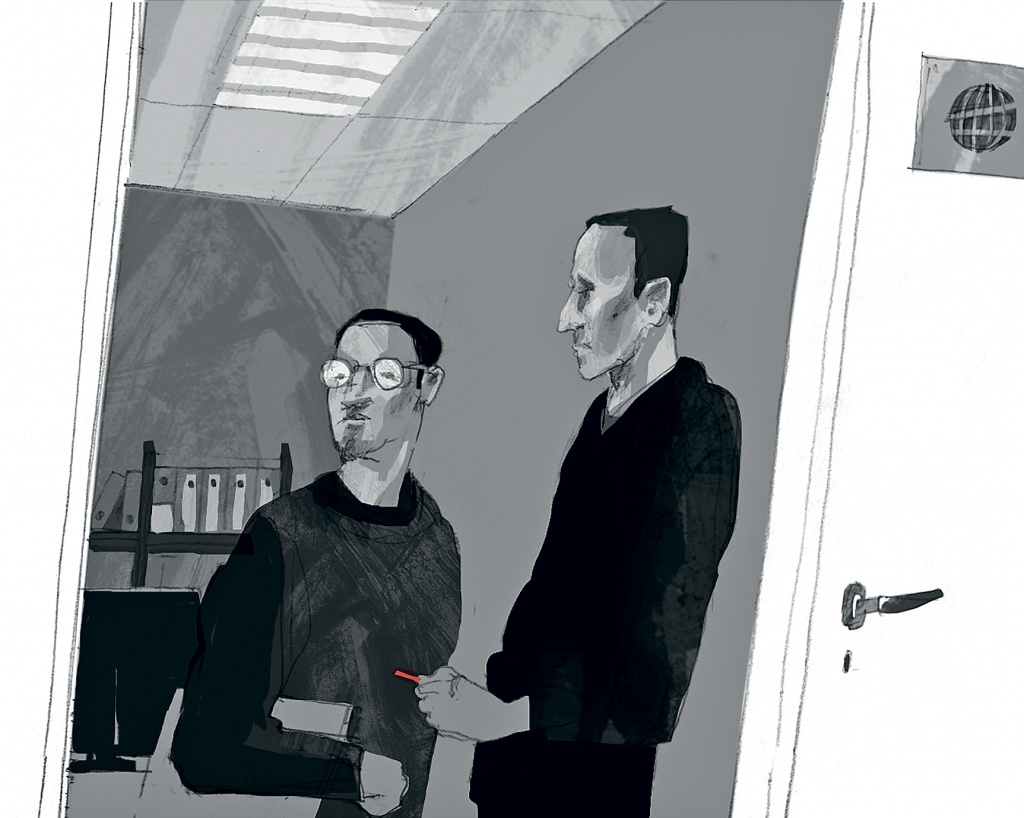
— Я вам позвоню, — сказал он Блинову.
— Да я сам зайду, что вы будете беспокоиться…
— Нет, я позвоню, — железным голосом настоял Тихонов. Но внешность у него была неубедительная, малый рост, круглая голова, очки, — и ясно было, что Блинов придет уже назавтра, и будет так ходить долго.
Савельев уселся и собрался рассказать про сигналы, но Тихонов его заговорщически прервал.
— Тсс, — сказал он. — Сейчас вернется.
- Who?
- This. Они никогда с первого раза не уходят.
И точно — Блинов вернулся еще дважды, оба раза порываясь начать сначала — ему все казалось, что Тихонов не услышал, не захотел понять главное. После его второго ухода выждали минут пять.
— Ушел, — сказал Тихонов. — Рассказывайте.
Савельев рассказал про сигналы и обещал дать записи, чтобы их выложили на сайте «Глобуса».
— Интересно-то интересно, — сказал Тихонов. Он нравился Савельеву, потому что совсем не выделывался. У журналистов желание понтоваться проходит быстро, если только они не спиваются в писатели. — Но вот честно, Игорь, — если вы, допустим, спросите меня… Я не очень трусливый человек в принципе. Но заплатите вы мне миллион — я не полезу в «Инновационную Россию».
При всей своей аполитичности Савельев не удивился. Он готов был услышать что-то подобное. «Инновационная Россия» была не та сила, чтобы иметь с ней дело, даже если оно сводилось к спасению от голодных медведей.
4.
«Ирос», как называла она себя (будто бы по созвучию с древнегреческим «герои»), была партией долгожданных хунвейбинов, на которых не потянули ни «Наши», ни «Молодогвардейцы», ни прочая мелкая дрянь. Эти собирались не на Селигере, а на Валдае, как одноименный клуб. Попасть на их сборища не могла даже пресса, проваренная в кремлевском пуле до последней степени подлости. Сведения о них не публиковались, а разглашались, не распространялись, а просачивались, не навязывались, а дозировались. Спонсировал их глава крупнейшей монополии, не будем называть имен, седовласый голубоглазый знаток пяти языков, включая два древних, образцовый славянин, заставивший всех женатых сотрудников своей корпорации креститься, венчаться и поститься. После дискуссий об инновациях все предавались боевым искусствам. Ездили туда не прыщавые недоучки, а продвинутая молодежь плакатной внешности; обсуждалась не борьба с врагами, а стратегические планы. Единственный репортаж со съезда Ироса — случился он, в виде исключения, в Москве — прошел по «Вестям-24» и занял три минуты. Ясно было, что пришли люди, не любящие шутить, молодые технократы умеренно-нацистских взглядов, осуждавшие Сталина разве что за избыток сентиментальности. Все они, в отличие от прежней неокомсомольской мелкоты, считались профессионалами. Их называли то движением, то партией, но в парламент они не торопились. Называли их также Иродами — после статьи Крошева «Инновационная Родина», — но Крошева в двух шагах от дома, в центре, на людной улице избили так, что Ирос перестали трогать. Богатейшие люди страны жаждали вписаться в их ряды, но брали с разбором. Говорили, что Стахов (которого Перельман называл недосягаемой величиной) и Глобушкин (единственная русская Нобелевка по физике за последнее десятилетие) читали лекции иросам на Валдае, а престарелый историк наших космических прорывов Жабин намекал в «Комсомолке», что в Иросе собралась чуть не вся элита советского Байконура. Теоретиком Ироса считался Гаранин, автор трехтомной «Геополитики», от которой в ужасе стонали все его бывшие коллеги по истфаку; стонать-то стонали, но дружно признавали, что Гаранин — голова, полиглот, переводчик с латыни и урду, а в свободное время — живописец, предпочитавший рисовать древних воинов в подробном вооружении. О его коллекции ножей ходили легенды. Он был высок, аскетичен, безупречен.
Среди всеобщего балагана последнего пятилетия Ирос была единственной обещанной силой, внятно представлявшей себе будущее. Страна рисовалась ей гигантской шарашкой, где работали прикормленные интеллектуалы, большинство с идеями; секретным подотделом ФИАНа, где изобретают сверхбомбу, попутно укрощая термояд; мировое господство не обсуждалось — оно предполагалось. Подразделения «Инновационной России» плодились по городам-миллионникам, в Новосибирске на нее молились, и если над Сколковом не измывался только ленивый, к Иросу всерьез относились даже те, кто при слове «Геополитика» крутил пальцем у виска. Там собрались хоть и больные на всю голову, а профессионалы, — и Дыбенко на РСН уже сказал, что если они так хорошо понимают в своих областях, чем черт не шутит, может, они и в политике разберутся? Лахнин не подтверждал, но и не отрицал членство там. Медведева, шептали в кулуарах, туда не приняли. Савельев всего этого не знал, но чувствовал ауру, и аура была нехорошая, примерно как у Аненербе, как если бы там, против обыкновения, признали ядерную физику.
В Перове, когда ближе к выборам здесь все в той же обстановке дозированной секретности создали отделение Ирос, во главе его оказался Дронов, которого почти никто не видел. Его якобы прислали с самого верху. Говорили о возможной реставрации, расконсервации и полной модернизации Перовского турбинного завода, а самые доверчивые — о Перове-60 с его изделием номер шестнадцать, как звали его между собой перовцы; как звали его в Перове-60 — не знал никто, потому что до таинственного города никто из них не доехал. До него, по слухам, надо было сутки добираться пешком либо двое суток в обход, оплыв, крюк по реке Бачее на моторной лодке, и то бы внутрь не пустили; вообще он был как Китеж — где-то есть, но никто не видел, впускают только праведников. В Перове-60 был один радиолюбитель, но о секретном Савельев не спрашивал, а мужик не распространялся. Раз только сказал, что скоро все повернется к возрождению, но в стране, в мире или в масштабах Перова-60 — не уточнял. Как бы то ни было, нужда в изделье номер шестнадцать настала снова, и это клало кровавый отсвет технократической зари на все затеи Дронова, включая баньки.
— Я думаю, Игорь, вам не надо про эти сигналы никому говорить, — посоветовал Тихонов.
иллюстрация: Юлия Блюхер