
Translated material
Gref urged not to be afraid of a possible default
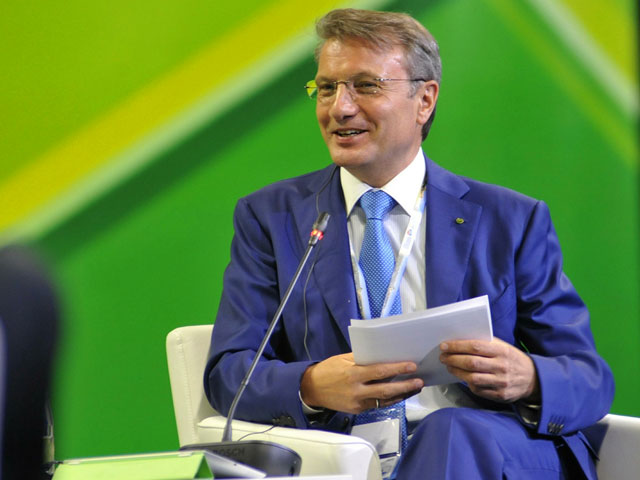
The macroeconomic situation in Russia is one of the best in the world, and default does not threaten the country, said Sberbank President German Gref to reporters during a working trip to Khabarovsk. According to Interfax , Gref recalled that Russia's public debt is below 10% of GDP, while in a number of European countries it exceeds 100% of GDP.
According to him, in the gold and foreign exchange reserves of the Central Bank over 0.5 trillion dollars. “There are enough of these resources to recapture any speculative attacks, if any. Therefore, nothing threatens the ruble rate for sure,” the head of Sberbank emphasized.
Gref, however, did not rule out the fluctuations in the ruble course due to the fact that the Central Bank pursues a policy of the "floating course".
"We see that the last fluctuations in the dollar reached 33 rubles, but did not cause the retreats to the currency of the population. This suggests that people have increased confidence in the government, and in the policy of the Central Bank, and the banking system," Gref said.
He noted that the situation in the financial sector is difficult. “A very difficult situation in the economy, in the financial sector of China, the growth rate falls there. However, I think that no catastrophes should be expected until they smell like them,” Gref said.
In June at the St. Petersburg Economic Forum, Gref already called not to panic because of rumors about the possible devaluation of the ruble.
The head of Sberbank called on "unskilled investors" not to transfer his funds from one currency to another so as not to lose savings. “There is no reason to suspect that the Central Bank will lower the course and it will fail very much. The most important thing is to stop panic,” he advised.
Panic, Gref reasoned, citizens are transferred from one currency to another at the most unfavorable moment and as a result they are just losing money. Then Gref said that the Bank of Russia has a "colossal reserve of resources" and can calmly make a not -floating course, but a controlled one - as in 2009. The ruble devaluation should not be expected, he added: there is no reason to suspect that the Central Bank will let go and it will fail.
The Minister of Finance Anton Siluanov was held by the same opinion: "They are fluctuations for that and fluctuations: today is a little higher, tomorrow a little lower. The most important thing is not to be nervous and not transferred from the currency to the currency."
These statements were made when the ruble rate fell by 5% within a week after Siluanov’s statement that the purchase of currency by the Ministry of Finance could raise the dollar by one to two rubles. The First Deputy Prime Minister Igor Shuvalov then also assured that the government and the Central Bank do not intend to devalue the ruble, so citizens should not transfer their savings into currency.