
Translated material
Molecular biologists have found the missing link in the evolution of bioluminescence
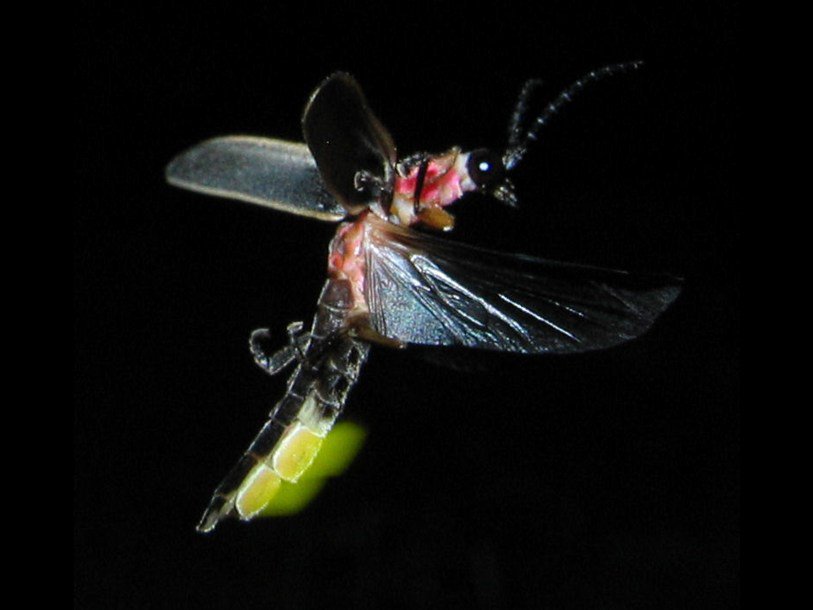
Bioluminescence-the ability of living organisms to glow-is widely used in medical and biological studies. The discovery of a new enzyme, which, as scientists write in the journal BioChemistry , is a transitional link in the evolution of bioluminescence, will allow in the future to create enzymes that will take the glow to a new level: it will become several orders of magnitude brighter and “multi -colored”.
The molecular biologist Vadim Viviani from the Federal University of San Carlus (Brazil), together with colleagues, studies Luciferase-enzymes that play an important role in ensuring biominescence in fireflies, jellyfish and other luminous creatures. It is known that bioluminescence occurred 400 million years ago by jellyfish, later in fireflies and other bugs. But how exactly this happened remained a mystery and the subject of disputes. Meanwhile, the answer to this question will allow in the future to produce a more diverse biolyuminescent enzymes for medicine and biology.
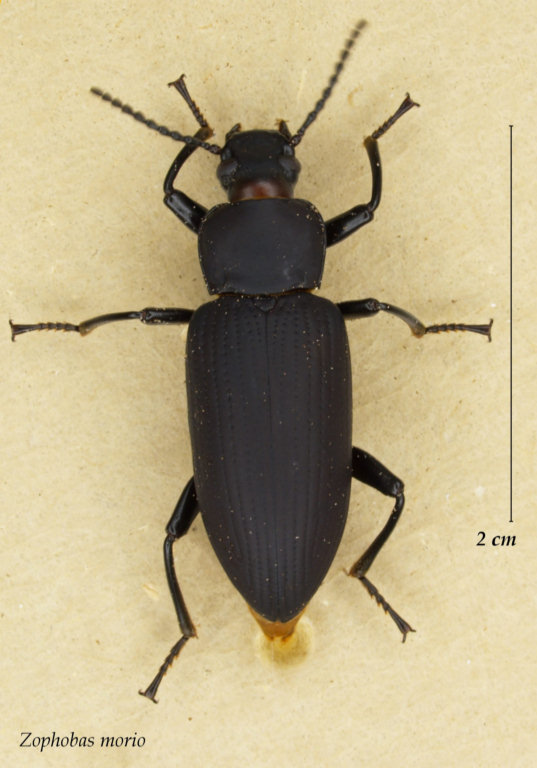 Zophobas Morio
In their article, scientists describe the discovery of a Lucifrazo -like enzyme at Zophobas Morio beetle larvae, which themselves do not possess bioluminescence. This substance is a “missing link” between non -Mescent predicate enzymes and “bright” modern Luciferial enzymes of fireflies. The Viviani team managed to understand what changes in their structure should undergo these types of “dark” enzymes in order to turn into lucifers.
Then they used the acquired knowledge to develop a completely new Luciferase, which provides an orange glow. This is the first case of obtaining lucifers from rangefinder enzymes with other metabolic functions. Scientists believe that this discovery can find application in biotechnology, namely in the development of new Lucifers, including more “brighter” and multi -colored.