
Translated material
Uralkali has confused the market: this is "the end of the world of potassium fertilizers, as we knew it"
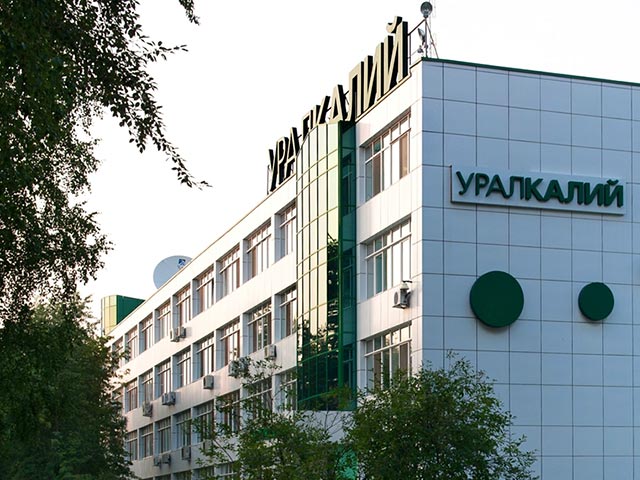
Foreign fertilizer manufacturers, taken by surprise Uralkali with the termination of supplies through the Belarusian Potassium Company, are confused and call on the market for calm.
The largest players in the potassium market until recently were two traders - BKK (Uralkali and Belaruskali) and Canpotex (Potash Corp, Agrium, Mosaic). However, on July 30, Uralkali announced that he would export the products itself, compensating for the expected decrease in prices by increasing volumes.
- Russian magnates - owners of Uralkalia in a few hours lost billions of dollars
“We knew that there was a tense relationship between Uralkali and Belaruskale. But we did not know that this could worsen to such an extent,” said Larry Severghoner, financial director of Mosaic, in an interview with Bloomberg . He predicts that the decision declared by Uralkali will affect short -term prices, but the world market as a whole will not suffer.
The representative of Agrium Richard Dauni, who notes, is also perplexed - "it is difficult to say that there is a game and what is reality."
BKK's collapse is “the end of the world of potassium fertilizers as we knew him,” Joel Jackson from BMO Capital Markets states.
Foreign chloride manufacturers have not yet made any decisions, calling for the market to calm. Canpotex said that he was not planning a response against the background of the statements of Uralkali. Agrium notes that "it is important not to respond too sharply to the statements of individual industry players." Potash representatives try to be restrained: “It is important to make long -term forecasts for business development and not react too sharply to today's event. We will continue to monitor the situation,” said the company representative Bill Johnson.
In one, foreign and Russian analysts are unanimous - Uralkali move will lead to the redistribution of the market and hit all industry companies. The analyst Bank of Montreal (Toronto) Joel Jackson is most pessimistic at what is happening: in his opinion, the profit of potassium fertilizer manufacturers will now noticeably fall, and investors will react with the rapid exit of investors from potassium projects.
Product prices around the world can fall due to reducing the cost of potassium fertilizers, writes The Wall Street Journal . “This is amazing ... As if Saudi Arabia came out of OPEC,” Laura Lau from Brompton Group commented on the situation with Uralkali.
According to the newspaper, this is the price of the rupture of the “Uralkali” relationship with the BKK, through which export deliveries were carried out. It was their alliance that set prices for one of the most important agricultural resources.
According to the publication, this news pleased farmers from the United States to India. But investors are worried about the other side of the matter: large companies can increase potassium production in order to strengthen their share in the market, and this will lead to even greater reduction in prices.
Now the sport prices for potassium fertilizers, exceeding $ 1,000 per ton in 2008, approached 400 dollars. Demand decreased along with a slowdown in the growth of developing economies, quoted by Inopressa.ru quoted.
But the proposal is growing. Uralkali, working at full capacity in the second half of the year against 70% in the first, will increase the additional offer by almost 2 million tons.
On Tuesday, Uralkali announced a contract with a Chinese buyer - the price was not named, but, apparently, below $ 400. Perhaps the tactics of Uralkalia are aimed at restraining Belarus, the authors of the article believe.
In addition, a reduction in long -term price forecasts should lead to a decrease in the growth of excess capacity, forcing the company to revise large projects, such as the development of the BHP Billiton Rudnik Gianans in Canada. Reducing prices will also warm up demand.
“Uralkali” and “Belaruskali” sold products through the BKK for eight years. This was the most successful period for the industry, which blossomed due to the violently growing demand from China and India: four years ago potassium fertilizers cost almost $ 900 per ton, recalls WSJ. Now prices have fallen to $ 400, and after changing the rules of the game, they can fall below 300.