
Translated material
Shoulder to shoulder at the bar
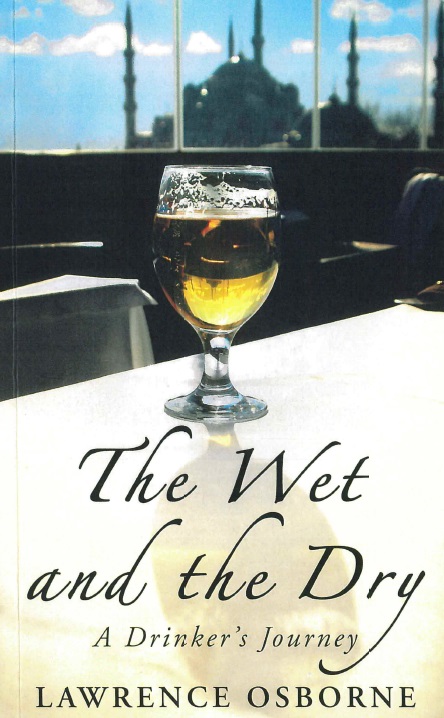
One of the outposts of the ideology and practice of alcohol abstinence is Pakistan. Alcohol has been banned in Pakistan since 1977. Judging by the experience of Osborne, to get drunk in Zyuzu in Islamabad is a risky cultural adventure. Local and visiting extremists often choose Western hotels with bars with an object of bombing. For a believer Pakistani, even an attempt to go to the bar is fraught with arrest. Christians, Hindus and Parses, should present an identity card and a special book of accounting at the entrance to the bar, which determines the monthly quota of alcohol consumption (thanks to the Arabic language for this word-al-kuhl). The quota is twenty bottles of beer or about six liters of strong alcohol. But in reality, smuggling alcohol from all sides pours rivers to Pakistan: from China, from the port of Karachi ... Buthlegers supply vodka, gin, whiskey to large cities. Non -Muslims for a small reward often buy alcohol to Muslims. Botlegers deliver illegal drinks right to the houses of customers, but the police "roof" the police. People with wealthy drink Johnnie Walker whiskey, which has become a symbol of the overseas lifestyle ("Here is a seasoning, like for us, Cociaea," Osborn notes). The poor consume moonshine. They can easily be poisoned and die. Even in Saudi Arabia, drunkenness is not eradicated: in the English -speaking local newspaper, publications on mass and individual poisoning by cologne appear from time to time. For truly believers of Muslims, alcohol is a symbol of the West. For them, a bar is radically different from a mosque or bazaar, two public institutions of the Muslim world. In the bar, people neglect prohibitions, so extremists are not in vain afraid and hate bars. Alcohol for many Muslims is worse than the gallows, lashes, elimination of arms and legs, drugs, abduction of people.
Lawrence Osborn searches and finds alcohol adventures. He brings carefully wrapped bottles to the familiar Pakistanis, conspiratorially whispering with local alcohol merchants, drinks alone on the balcony of the hotel under the Gray Raven and the singing of the muezzin. The state of intoxication only helps him observe, remember, generalize:
"Lebanon is the only Arabic country with a developed wine culture, and it could become a bridge between the East and the West. They, in turn, can be boldly named: alcohol and dry law. Since the Bekaa Valley is in the hands of" Hellah "), one unobtrusive day with wine culture in the valley can be finished. But among Arabs there is communities, not there are no communities, not Rejecting alcohol, for example, Druze.
"Distillation, in contrast to fermentation, gives a sense of timelessness and does not obscure the past. The enzyming is excreting, infects with a sense of optimism and awakens lust. Thanks to distillation, you become gloomy, skeptical, closed. Distillation is rational and scientific phenomenon. Enzymation - mystical and organic."
As a rule, the author finds the Fifth Column even in the bastions of sobriety, but not always. One of the chapters of the book is dedicated to a trip from Dubai to the sultanate of Oman on New Year's Eve in the Gregorian calendar. He is accompanied by the Italian mistress Elena. These are the most dramatic pages of the book: the author and Elena are desperately, by hook or by crook, they try to buy, get it, pour out a bottle of champagne, but ... ten minutes before midnight they are again offered fruit juice. “I'm in hell,” says Elena. On the first day of the New Year, they return to Dubai and go straight to the bar of the Seraton hotel. They like everything there: Gene with a tonic, and Eastern European prostitutes, and throwing darts.
For Osbourne, genuine heroes of the invisible front are winemakers of Lebanon and Egypt. He writes about them with sadness and admiration, as if about the doomed heroes of the ancient Greek tragedy, challenging the rock. Without any sympathy, Osbourne recalls the Turkish Prime Minister Erdogan (“Drink Ayran!”, “Beer is the first step to alcoholism”, “At dinner, you should eat grapes, not drink wine”).
The book of Osborn is impeccable. But, while I read it, I did not leave the feeling that we would not have become drinking companions with Osborne. He honestly admits hot love for strong alcohol: "Strong alcohol - for a lone drunkard." Wine for him is a drink for a friendly drinking. It turns out that the author and I are on opposite sides of the barricades. But these are metaphorical barricades. If it comes to business, we will stand shoulder to the shoulder at the bar’s rack and we will stand to death.