
Translated material
Interethnic world: who and why calls to ax?
The events of recent months are the confrontation between Russians and Chechens in Pugachev, conflicts with visitors from the Caucasian regions in the capital's markets, threats to the leaders of the Muslim community in the Stavropol, the requirements to evict “all Tajiks” in Severouralsk, “Russian sweeps” in St. Petersburg and Moscow, the murder of the seller from Kalmykia, and the deportation camp In the metropolitan Golyanov and calls to multiply similar camps throughout Russia - it seems that the country is on the verge of pogroms. What really happens? Why - now? And of course, who is to blame and what to do - representatives of different views on the problem gathered in the editorial office of The New Times
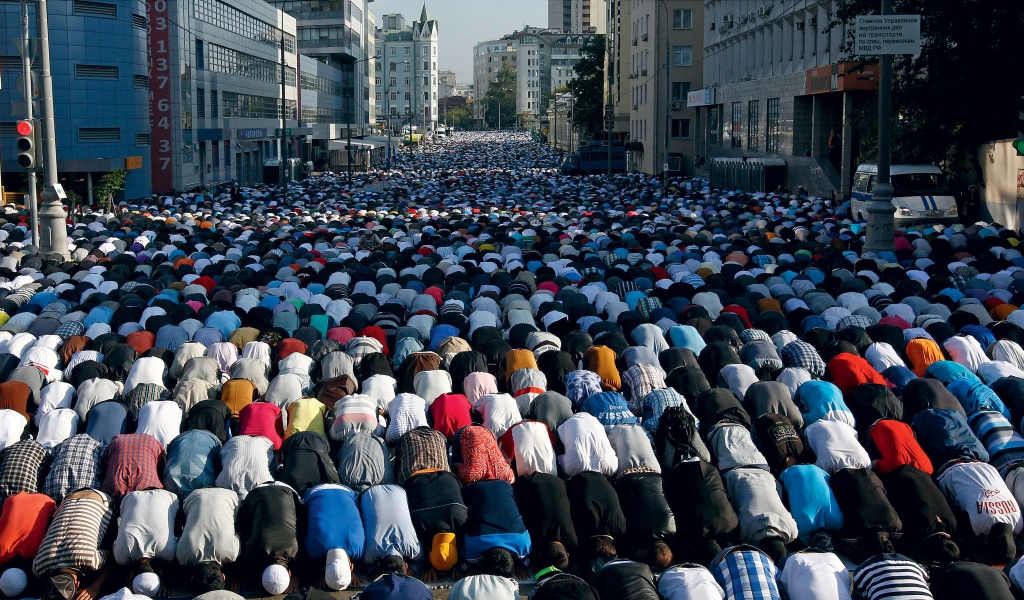
August 8, 2013 Avenue Mira, Moscow: Feast of Uraza-Bayram-the end of the Holy month of RamadanParticipants:
Alexander Verkhovsky , Director of the Information and Analytical Center "Owl"
Murad Musaev , Lawyer, Doctor of Law
Emil Pain , HSE professor, head of the Center for the Study of Xenophobia and the Prevention of Extremism of the Institute of Sociology of the Russian Academy of Sciences, in 1996-1999 - adviser to the President of the Russian Federation B.N. Yeltsin on national policy issues
Vladimir Thor , Chairman of the Executive Committee of the National Democratic Party, member of the Coordinating Council of the Opposition
Maxim Shevchenko , author and leading Channel One
Questions: Evgenia Albats
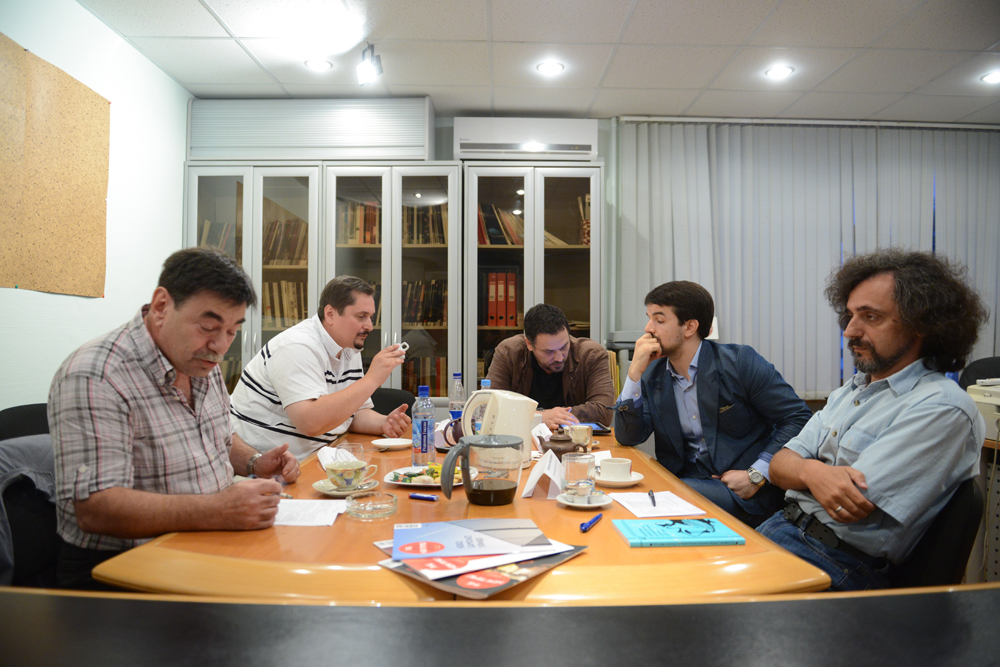
The editors of The New Times, from left to right: Emil Pain, Vladimir Thor, Maxim Shevchenko, Murad Musaev, Alexander Verkhovsky
Diagnosis
The New Times: There are several hypotheses why the national theme is “swollen”. The first, political technological: the Kremlin transfers arrows to strangers, making them responsible for the difficult life of people. The second, populist: the mayor’s elections in Moscow, during which the candidates, including primarily a candidate of authorities, try to capitalize on phobias. The third: everything is very serious, the inertia of the ideological machine of the USSR with its policy of violent internationalism dried up with all the ensuing consequences. Your version?
Alexander Verkhovsky, Center "Owl" : media effect. A la (confrontation in the city) Pugachev were before, and not so rarely. In the past two years, they have occurred more often, maybe twice as often as a couple of years ago, but they did not write so much about this and did not show on TV. And the raids of nationalists with the aim of catching illegal migrants were - these are generally routine. In some cases, they collaborate with the police, as in the course of the (operation) “Zaslon”, in some they are limited when they burrow. For example, the same Mangushev, the leader (nationalist organization) “Bright Rus'”, he is now under criminal case. That is, somewhere he overdid it. It is clear that the Moscow elections are catalyzing this process, and everyone around this is used. Well, besides, the growth of the protest movement also activates the nationalist sector. And this is normal. In short, nothing new, unusual.
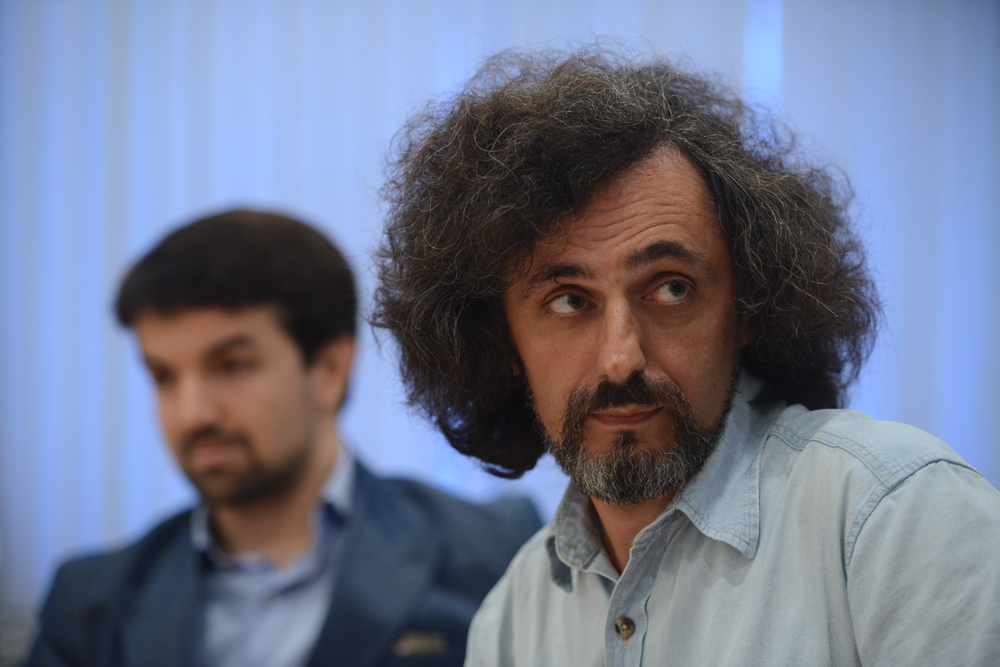
Sociologist Alexander Verkhovsky believes that there is no aggravation of the interethnic situation
Emil Pain, the Center for the Study of Xenophobia and the Prevention of Extremism of the Institute of Sociology of the Russian Academy of Sciences : I do not agree with Alexander that the situation is ordinary, such as it was. We will believe the General Prosecutor's Office, which shows that from 2008 to 2012, the level of extremism has increased by five times, and almost 70% of these cases falls on inciting interethnic, interethnic growth. Now the reasons. The protest, expelled from Bolotnaya, has not gone anywhere, he goes into another direction. We are characterized by a pendulum between ethnic mobilization and political mobilization. Until 2012, most of the mobilization took place in ethnic form. The same, for example, in Dagestan, where everything began with the struggle against arbitrariness, the disappearance of people, and ended with conversations about the right and incorrect Islam. When swamp and Sakharov happened, it seemed that political goals can unite different groups of people. It was a miracle. But the miracle is not long: as soon as the political process died out, everything returned to its circles, but with greater power. On the one hand, xenophobia, on the other, is the rally of ethnic groups, for example, immigrants from Central Asia, as a reaction to lawlessness.
Vladimir Thor, the National Democratic Party : of course, (interethnic) conflicts are becoming more. There are two main stimuli. Firstly, this is external migration, primarily from the countries of Central Asia. The second, this is internal migration - from the North Caucasus. The North Caucasus is such an ideal beating boy whom no one loves now in Russia. We can say that a national idea that unites Russians has been found: "We are not the Caucasus." Recipes that could reduce the intensity are quite simple. First of all, this is a visa regime with the countries of Central Asia. It is necessary to sharply reduce the number of migrants from Central Asia on the streets of Moscow, St. Petersburg, million-plus cities. This is quite possible and does not represent any complexity. And it is necessary to solve the problem of the North Caucasus. This is a powerful irritant. It is necessary to change the distribution of a budget pie. A decisive struggle with ethnic criminal groups is also needed, which are associated with the North Caucasus in the mass consciousness today. Why is it “swollen” now? Where it is thin, it is torn there. Here are the elections, and the weakness of power, and the need to translate the arrows.
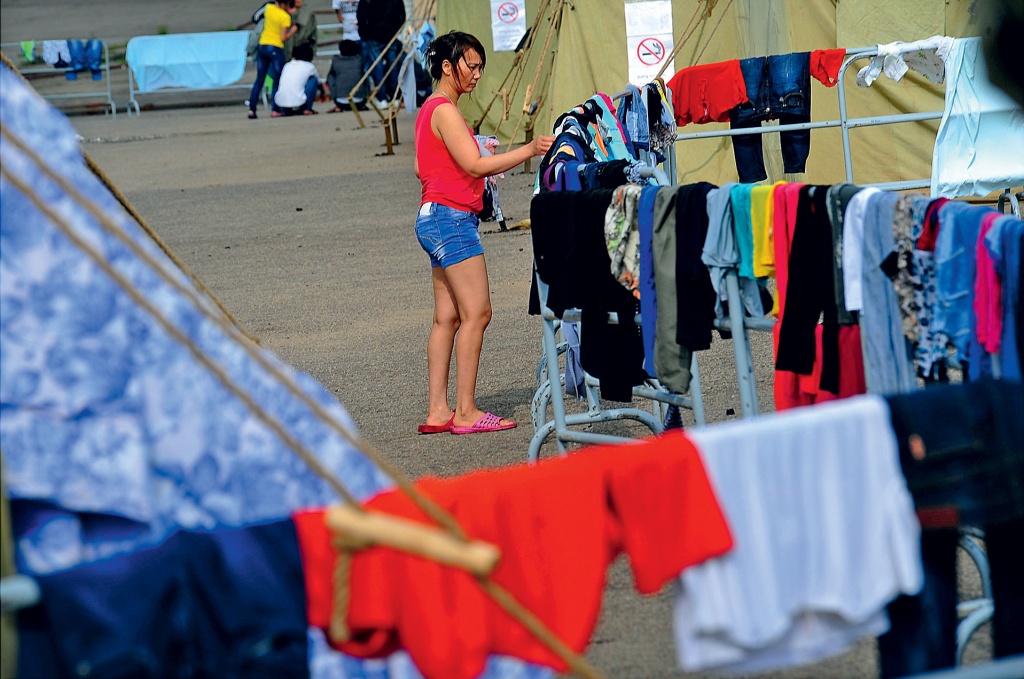
August 5, 2013, Golyanovo, Moscow: camp for illegal migrants
** Maxim Shevchenko, TV presenter **: Of course, the problems are rushed. In a country in which there are so many different factors with a variety of forms of identity - ethnic identity, religious identity, regional identity, group identity - conflict situations are absolutely inevitable. These situations arise for the reason that the power becomes weak and it is trying to play these conflicts to resolve its intra -elite showdowns. I analyzed the situation on Pugachev: headlines in state, federal media indicate that by no means opposition publications led this wave - the media, which at least receive state financing. Therefore, this is a manifestation of a conflict within the power elite. The national question - it weakens the classical bureaucracy, which orientates Putin, and enhances the position of structures, which, let’s say, are less attached to the territory, are more mobile, for example, federal power structures.Who and why
That is, nevertheless, the power plays a nationalist map?
Shevchenko: Unfortunately. Unfortunately, a criminal state has been created in Russia, in which a significant part of the budget is a shadow budget of cash. I can give an example. The Dagestan village of Khojalmakhi with a population of 10 thousand people raised 24 billion rubles in cash during the financial pyramid. Cash! I did not make a reservation. Where could that money be there? There are two options: either they were buried in the vicinity, or it served as a transshipment point for sending money to Moscow. And this happens throughout the country. Throughout the country, the work of illegal migrants is operated. Taxes are not paid throughout the country. There are two cash desks throughout the country, one of which is shadow - cash. This system was created in the 90s, at the turn of the 2000s the criminal elements were included in power, and now graters begin again between them. The national question is the most convenient way to squeeze the territory or business of another person.
Murad Musaev, lawyer: I am from that camp who believes that for interethnic conflicts in today's Russia there is no and cannot be objective reasons. What we are dealing with is the effect of focusing. People simply pay attention to the ethnic component of certain events in life - the same brawl in the market. I specially watched news reports. That week, when there was a conflict in the Matveevsky market, for example, there were six events of the use of violence by police officers: none of these episodes received such lighting as the story of a magician from the Matveevsky market. Moreover, in RIA Novosti, that on the First Channel of Irada Zeynalova - provoking headlines. Consequently, the current current government itself does this, pursuing its goals.
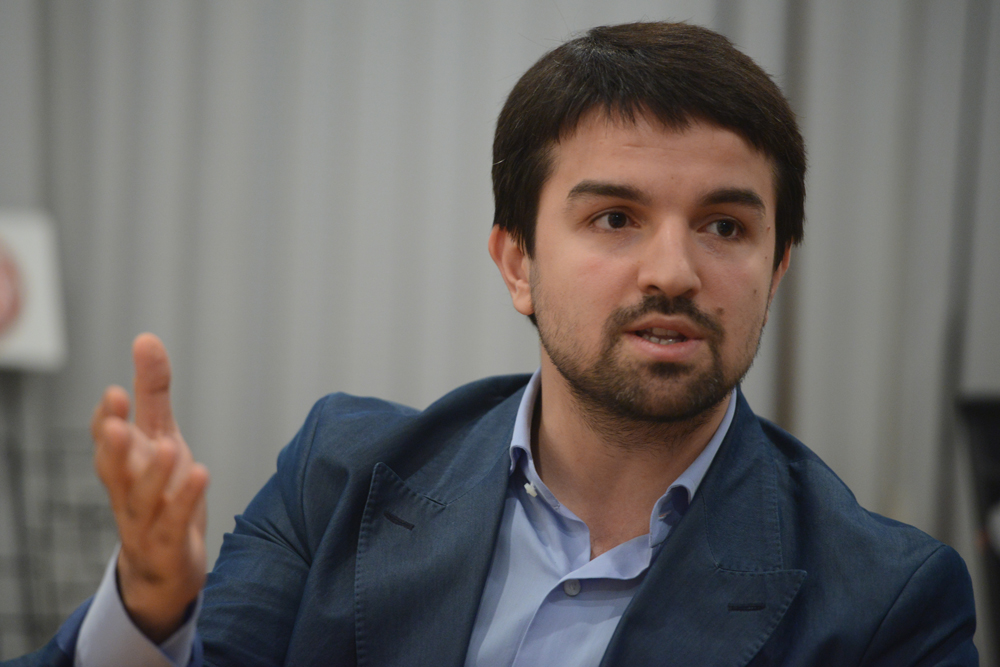
Lawyer Murad Musaev is convinced that focusing on strangers has the goal of "maintaining temperature in a political corpse"
Which?
Musaev: Disaders the attention of the population from problems such as raising prices for housing and communal services, or for fuel, or for vodka, anything.
Shevchenko: You take the criminal, show him some battered Chechen, say: here he is, the culprit, here he has received ten years, and according to the housing and communal services-whom to show? Management company, local bureaucracy in handcuffs?
Musaev: And besides, when the choice is between hatred for a certain part of the population of the state entrusted to them and hatred for them as administrators, I believe that of these two evils they choose less for themselves. And not that, in my opinion, they have some long-term plan on this subject, it is just a momentary measure, but quite effective.
Interests
So, on the one hand, there is a split in the power elite, which uses the national question for its own purposes-redistribution of property, the withdrawal of popular anger, etc. On the other hand, business interests in cheap labor and corruption of the authorities-from the FMS to the police: this is a colossal corruption market, which they wrote about a lot. And there is no political interest here?
Verkhovsky: Yes, of course, this is kept precisely on a corrupt state apparatus. But the corrupt state apparatus is interested in ensuring that this cheap labor force enters peacefully, dug something here or, conversely, sweeping it, and that’s all. They are not interested, of course, in any conflicts. Is it possible to assume that there is a political interest in provoking a conflict somewhere? Small political games, of course, are possible, but this is a completely third -rate moment. Primary - growing social discomfort in different groups, which is interpreted by people as interethnic conflict. Where a young man would have seen a gopnik in front of him before, now he sees some kind of alien gopnik. Where there used to be just a janitor is poorly chalk, now the Uzbek janitor is poorly dangled and so on. In the 90s, every citizen knew that Yeltsin’s gang was to blame for everything, up to bad weather. And now everyone is exactly the same, at the same level of rationality and sanity know that those who have come to the face are to blame. This is the result of the bunning of the political process. But it seems to me that the scale of the group association on ethnic signs is greatly exaggerated.
Pain : And again, Alexander, I do not agree with you. The question is: why right now, 55% of the population of Moscow said that it considers the most important problem the influx of migrants? See: March 13, 2013, Moscow Prosecutor Sergei Kudeneev, in the editorial office of the Official Russian Newspaper, reported on the achievements of law enforcement agencies, and there he stated that over the past five years the number of crimes committed by migrants in the capital almost doubled. I quote: “If in 2008 16 thousand offenses were committed by visitors, then in 2012-a little more than 8 thousand. The share of migrant crime in the citywide is stably 20%,” Kudeneev noted. Remember: 20%. But already on August 2, that is, only four months later, the same prosecutor Kudeneev reported the exact opposite information: “Each second crime has been committed by non -residents of Moscow, of which it was foreign - more than 40% of crimes.”
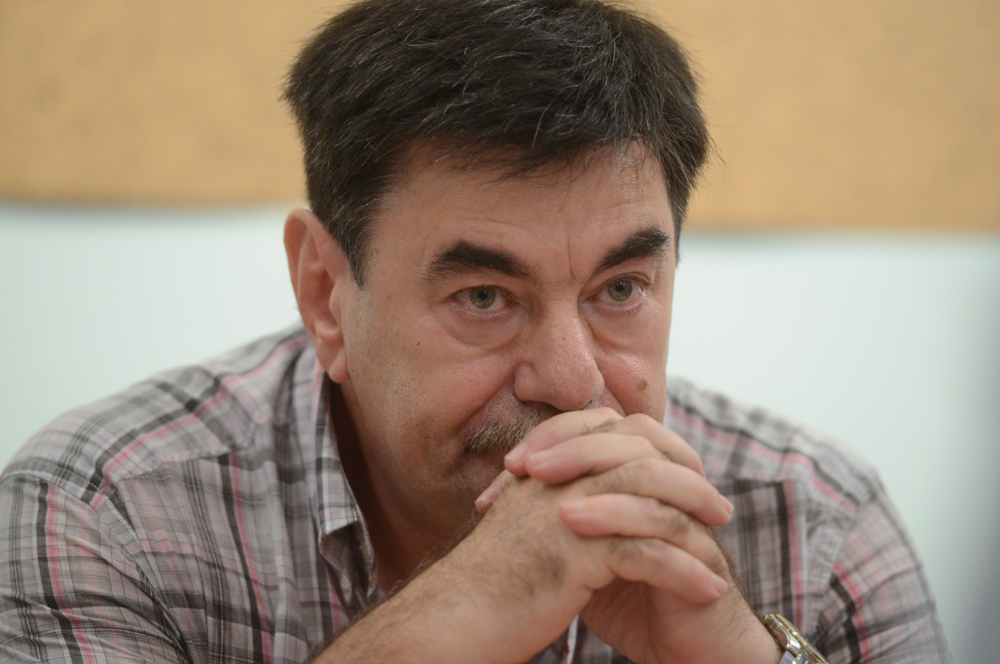
Ethnographer Emil Pain is convinced that the government promotes the problem in its interests
What happened over these months so that suddenly statistics turn over to complete opposite? And the fact that the head of Kudeneev went to the polls. I specifically traced on the dates: June 4, Sobyanin announced his readiness to be elected, and told Izvestia on June 13: if you remove the crimes committed by visitors, then Moscow will be the most law -abiding city. June 14, acting The mayor repeats his thesis, on June 18 - again about the same, by June 20, the repetition of the migrant topic became so intrusive that Dmitry Demushkin, a representative of the nationalist association “Russians”, exclaimed: “Migrants and Sobyanin! The last month I only hear this. Moreover, he managed to steal several points from the program with us. ” This is a quote from Demushkin.
The next question: why would the authorities exploit a national topic? And then, that today is the largest boss and his Moscow reincarnation came to the idea: that's enough for us to focus on everyone, we need to collect only our nuclear electorate around us, our majority, those who are dissatisfied with these people who have come in, and we will promote this topic. As soon as they began to promote this topic, then the information effects and the explosion of a negative attitude towards migrants went further. And Moscow immediately broke into the leaders of these sentiments.
Thor : I am convinced that it is impossible to light up where nothing burns. It is impossible to set fire to what is not set on fire. Of course, you can manipulate mass consciousness, but within certain limits. Try to go out of Moscow and light up the ethnic conflict between Russians and Portuguese ...
Pain : Even between Ukrainians ...
Thor : Here is possible between Ukrainians, but with the Portuguese it will not work in any way. We have no intersecting interests. And with the North Caucasus - there is.
The Soviet ethnic well -being was based on a terrorist machine that forced love, peace, agreement, and tranquility. We remove the terrorist machine and get what, in fact, we had in the 90s.
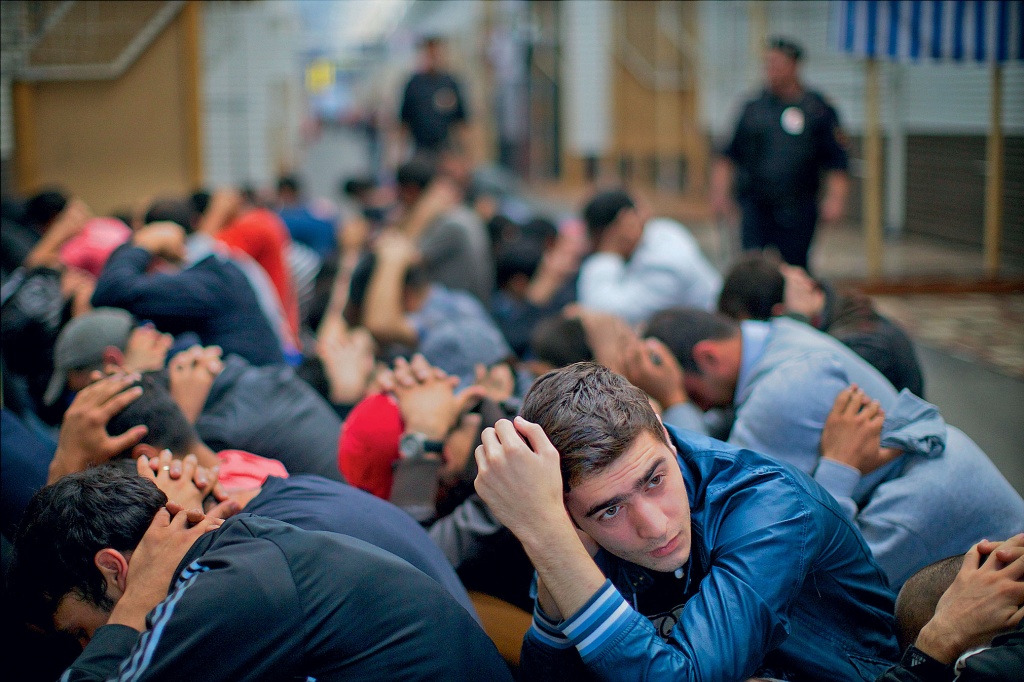
August 7, 2013, Moscow: The police held a raid in one of the street markets, where she detained dozens of migrant workers
** Do you propose a terrorist machine to start again? **Thor: In no way. I believe that in the interests of Russians in no way to scream at all corners, that ah, so let's delight the ethnic world and consent. We are not going to provide the world on any conditions. We need ours, the Russian world. Those who agree with this, please, ask for mercy. And whoever does not agree, who does not want to assimilate, is going to impose on us our way of life, which we categorically do not need ... What is the name of this person from the Matveevsky market?
Magician. And he, by the way, a citizen of the Russian Federation, was repaired at his own expense, as I understand it, offices in the Ochakov Directorate of the Ministry of Internal Affairs.
Thor: He was in his right. We do not need such a right. We do not need peace with a magician.
Musaev: Tell me that in this famous video now, that in the behavior of this magician speaks of his nationality or belonging to some religion? I'm talking about behavior. For me, he does exactly in the same way as representatives of one social group of any ethnicity with him. Terminology: "Hey, you, fraer, come here, I am your mother and this way and this way." Is it ethnic? Is it in Dagestan? Under women, with her wife and her sister, say "I am your mother and this way and a kind." How religiously does it come from the point of view of Islam? How in Dagestan and Caucasian does he act? Nina is so much. He acts like Vasya from the market.
Thor: I have to remind you of the theorem (the famous American sociologist of the XIX - XX centuries of William Isek) Thomas: “If the situation is thought as real, then it is real in its consequences.” That is, it is important who this magician perceives mass consciousness. From the point of view of public consequences, this is unambiguous.
Musaev: He was assimilated, that's what I'm talking about.
Mines
In a number of European countries, the policy of open doors in order to import labor or from humanistic reasons - the salvation of refugees, for example, from Somalia or other countries of Muslim Africa - created a bunch of problems. People of a different culture refuse to accept the reality of the European tradition - for example, the traditions of open society and freedom of speech, hence the fury about the caricatures on Mohamed and the threat of death to journalists. In response, the growth of local nationalism and the formation of extreme right -wing parties in such traditionally tolerant countries as Holland, Denmark, Sweden. How serious is this problem for Moscow? The significant growth of the population professing Islam is clearly visible during the holidays. At the last Uraza-Bayram (the festival of the end of the month of post-Ramadan), the district around the Cathedral Mosque near the avenue had to be blocked. People prayed on the street - about 150 thousand people came. In Moscow, there are obviously lacking mosques - from here underground chapel houses appear, which in the same Europe became a nursery of terrorism.
Shevchenko: Muslims are not annoyed by Muscovites - they are annoyed by uncontrolled masses of a different culture. It is not clear that the people who are engaged in, it is not clear how and on what grounds living in Moscow are.
Pain: In Russia, religious phobias are incomparably small compared to ethnic ones. We do not like foreigners, not Gentiles. Studies show that there is no religious problem. Tatars and Bashkirs are the largest Islamic group today, but in relation to them the hostility is minimal. Bashkirs and Tatars never called migrants in Moscow. Although there is no difference between them and those who arrived from Chechnya in a religious sense.
Thor: I am categorically against the construction of new mosques: they will attract new Muslims.
Shevchenko: Well, yes, and the old ones - there are five of them in Moscow - to ruin ...
Thor: No, I do not think that the old mosques must be destroyed. Existing mosques should be preserved.
But people are forced to pray on the street, including in the rain, in the snow - right on the sidewalk.
Тор: Кто желает жить там, где много мечетей, есть прекрасная страна — Саудовская Аравия.
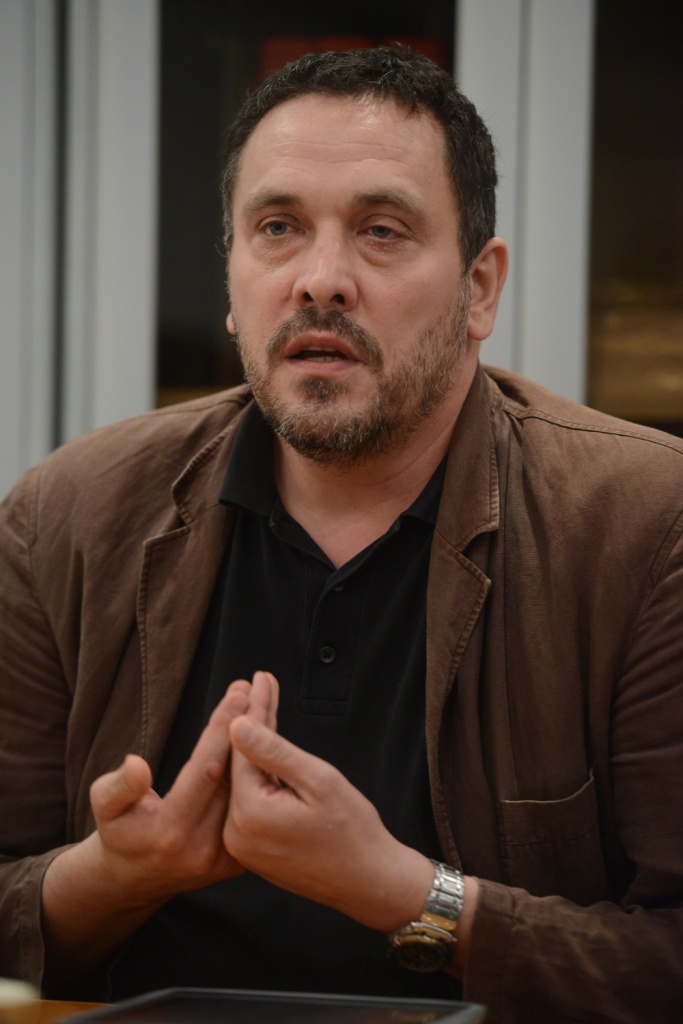 |
| Телеведущий Максим Шевченко полагает, что в основе конфликта — криминальный капитализм |
Шевченко: Есть рациональное зерно в том, что говорит Владимир. Я считаю, что должен быть план по развитию культурно-национального и религиозного облика таких городов, как Москва и Санкт-Петербург. Например, хотим ли мы образования гетто — киргизских, таджикских, узбекских гетто? В центре, вокруг проспекта Мира, оно не образуется — квартиры слишком дороги, а в Реутове или Капотне — возможно. Но я совсем не хочу, чтобы гетто появились в Москве. Нужно, чтобы вопросы строительства тех же мечетей становились предметом обсуждения в органах местного самоуправления. А не так: купили у коррумпированных бюрократов землю и решили: будем строить, как было в том же московском Митине. Естественно, это вызывает негативную реакцию. Тем более в стране, которая пережила две кровавые чеченские войны, где власть вынужденно, но использовала ксенофобию как мобилизующий фактор. Вот судят белгородского стрелка. Он заявил на суде: «Я отрезал в Чечне головы женщинам и детям. Я убивал, потому что мне давали приказ». Страна полна этой страшной тенью этнического насилия, которое было в ходе чеченской войны. Особенно второй войны, которая с обеих сторон велась под этническими лозунгами. И должной оценки совершенному в этих войнах насилию так и не было дано, причем с обеих сторон.
Паин: Нравится вам это или не нравится, существует ограниченное количество моделей решения межэтнических проблем. Придется выбирать: либо этническая чистка, либо плавильный котел, либо мультикультурализм — хотя не дай бог. Естественно, у каждой страны свои особенности, но все равно придется опираться на какую-то модель. В Латинской Америке, например, хорошо себя показала идея плавильного котла — в Аргентине, Бразилии, Мексике, в меньшей мере в Чили.
Тор: Ничего постыдного в национализме нет: это желание добра своему народу, признание того банального факта, что народ существует и что у него есть свои национальные интересы. В России, округляя, 81% — русские. Дальше — 3,8% — татары, 1,4% — украинцы, 1,1% — башкиры и так далее. В России любая сила, которая позиционирует себя против русского национализма, обречена на маргинальную роль. Потому что Россия исторически — это страна русского народа. С этим фактом придется жить, смириться и терпеть.
Паин: Согласен, в слове «национализм» ничего постыдного нет. Я и сам себя считаю националистом. Только я сторонник идеи гражданской нации. Что касается ваших слов про маргинальность тех, кто выступает против русского национализма, должен заметить, что в царское время, когда русский национализм очень поддерживался, националисты никогда на выборах в Думу не получали большинства. Never. И я согласен с Максимом: любые решения — мечети не мечети — должны приниматься только после того, как на то дали согласие москвичи.
Choice
Хорошо, все со всеми согласились, а что делать-то! Как решать межэтнические противоречия?
Шевченко: Конфликты между народами России сегодня имеют абсолютно политэкономическую основу. Народы не конфликтуют — конфликтуют некие их представители, которые в криминальном обороте капитала конкурируют между собой, опираясь на этнические группы. Например, много говорят об этническом напряжении в Ставрополье. А ситуация там следующая: местная власть — не чеченская, не армянская — местная, отчуждила у казачьего населения выпасные и пахотные земли. Потом незаконно перевела их под контроль местной казачьей верхушки, то есть трех человек, которые сдают земли в аренду, под выпас, дагестанцам, кабардинцам, карачаевцам. То есть национальный вопрос в Ставрополье — результат действий местной коррумпированной бюрократии, которая просто перевела стрелки на тех, кому сама сдала в аренду землю. Поэтому на ваш вопрос, что делать — сделать можно только одно: порушить криминальный капитализм. Не вообще капитализм, а именно криминальный.
Паин: Пока народ не допущен до сферы принятия решений — на уровне Москвы или страны в целом, — никакие изменения в сфере этнической политики не дадут результатов. Сначала нужно создать правовые условия, включить людей в принятие решений, одновременно просвещая их, а потом уже предлагать им вопросы, строить мечеть или не строить.
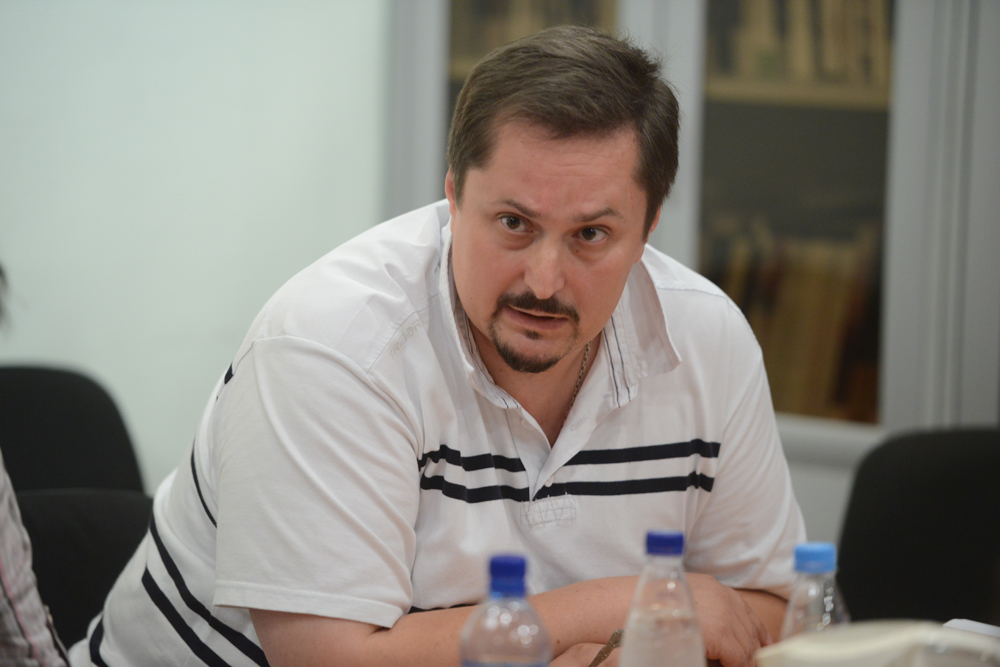
Националист Владимир Тор призывает инородцев к ассимиляции
Тор: Плавильного котла в России не получится. Есть русский народ, русская культура, есть возможность ассимиляции определенных групп в русское пространство. И есть народы, которые не ассимилируются — не хотят, и это их исторический выбор.
Шевченко: А вы собираетесь ассимилироваться?
Тор : Я? For what?
Шевченко: А почему чеченцы должны ассимилироваться? Вы, национал-демократы, ратуете за вхождение в Европейский союз. Вы хотите ассимилироваться в европейской цивилизации или не хотите?
Тор: Я хочу быть русским. Между прочим, с татарами и башкирами у нас проблем нет, хотя я сам в 90-е пережил войну с казанской преступной группировкой…
Шевченко: Пятнадцать группировок было! Просто не воспитывали ненависти к ним, а к чеченцам — воспитывали. Я считаю, что националисты России — русские, чеченские — рано или поздно объединятся и создадут новый союз национализма, который будет носить антилиберальный, антизападный, антикапиталистический характер.
Интернационал националистов?
Шевченко: Да, интернационал националистов.
Паин: Ну вот, снова особый путь…
Верховский: Все разговоры о том, есть конфликты между нациями или нет этих конфликтов — это сплошная демагогия. Русский национализм сегодня слабый, другие виды национализма — тоже слабые. Единственный сильный игрок — это государство: оно может провести кампанию, включить под это колоссальные ресурсы. Случилась Манежка — начальство забегало, написали концепцию этнической политики. И все о ней немедленно забыли. Why? Потому что для них важен один главный вопрос — вопрос сохранения власти, а национальные противоречия на этот вопрос не влияют. Власть крайне неэффективна. К сожалению, с ныне существующим политическим механизмом никакой переход к политике плавильного котла или какой-либо другой последовательной политике просто невозможен. Однако социальный дискомфорт нарастает, люди все больше видят источник своих проблем в других этнических группах, что-то рано или поздно должно сдвинуться, только вот в какую сторону — неясно.
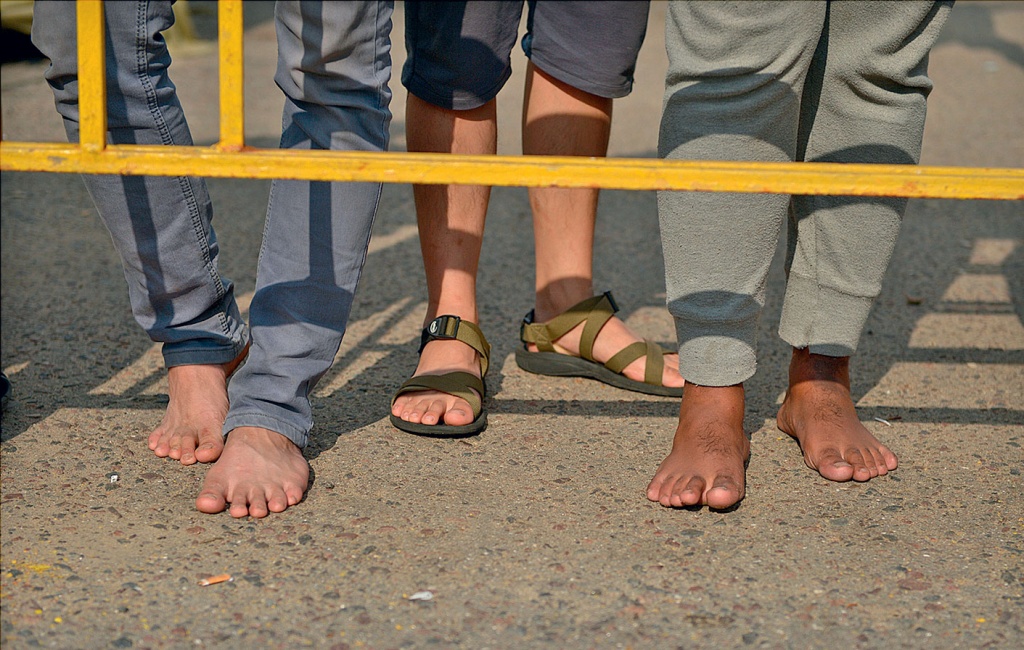
7 августа 2013 г., Москва: палаточный лагерь в Гольянове
Шевченко: Если власть приложит столько же сил, такое же информационное усилие, какое она приложила для раскручивания национальной проблемы, то она сумеет погасить этнические противоречия.
Мусаев: Я не думаю, что нынешняя власть это сделает. Потому что этническая карта — это один из немногих политических инструментов, которые есть у них в руках. Как иначе им удержать электорат? Кто Собянин людям с московских окраин? Почему они должны за него голосовать? Поэтому единственный их инструмент — это борьба против других: приезжих, чужих, геев, лесбиянок. Вот за счет этих групп, на которых все сфокусировано, они и поддерживают тепло в политическом трупе.
Prospects
Погромов ждать?
Верховский: Вероятность, безусловно, существует.
Паин: Надежды на то, что власть образумится и будет вести себя иначе, нет никакой. Но тотальной неизбежности (погромов) тоже нет.
Тор: Я думаю, что нас ждет война на Кавказе. Градус межэтнического напряжения в России будет нарастать. Но на территории русской России большой крови не будет.
Шевченко: Как сказано: «Царство разделившееся не устоит». Война группировок наверху неизбежно приведет к ослаблению систем управления, этот сигнал считают местные криминальные элиты: собственность, принадлежащую прежде всего кавказцам или выходцам из Средней Азии, начнут отжимать. Поэтому погромы будут.
Мусаев: Я разделяю опасения Максима. Хотя надеюсь, что у власти довольно рациональные люди, они не захотят пройти точку невозврата. Но кто знает: кто-то решит, что нужно чуть температурку увеличить — подогреть. А в результате — спалят.
фотографии: Митя Алешковский, Зураб Джавахадзе/ИТАР-ТАСС, Alexander Zemlianichenko/AP, Евгений Биятов/РИА Новости, Sergey Karpukhin/Reuters