
Translated material
The decision of the business person
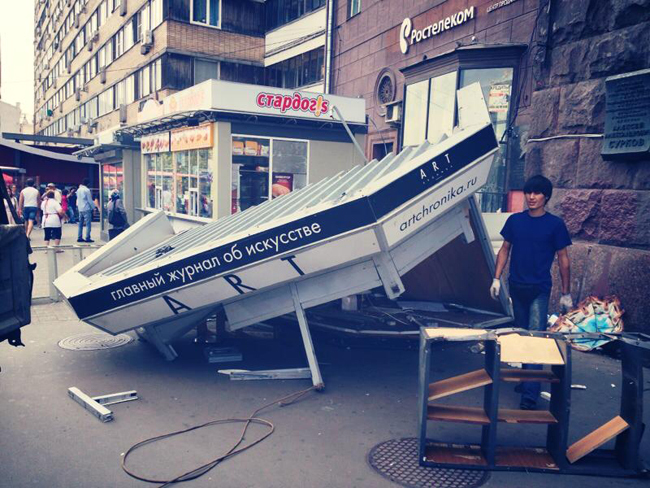
This afternoon, Maria Roguleva, editor -in -chief of the largest Russian art magazine, reported that the magazine was closed, the prepared number would not go into a seal, and the editors of the dismissal - it seemed that the story of Arthronika ended so. It remained only to put the “main” and “largest” clarification “former” before the words, but there is an excerpt from the official press release : “The publisher of Arthronika magazine Shalva Breus stated that Arthronika magazine continues to work. The publication from the printed format goes into the electronic version. The editorial staff will either remain to work in the electronic version of the magazine, or leave the project by agreement of the parties with the payment of compensation. On the further steps for the development of the project, the online will be reported later. ” Now the editorial staff is no longer in a limited state, not alone with the emails that are not recognized by Russian courts, if at least one side in them doubts, not with their hands - although ...
While this statement was not from the publisher, the editors tried to negotiate - through intermediaries, not directly: they did not want them to be forced to quit “of their own free will”, and wanted them to be paid compensation, and with freelance authors - fees. One of these authors, the famous critic Andrei Kovalev, who likes under all posts about the injustice of the publisher of Arthronika Shalva Breus, so commented on the situation when it was still very vague: “I have the same as corporate solidarity. Writing in “Arthronika” was pleasant, people very good worked there. But the owner is a master, nothing can be done. Not the first time, yourself, colleague, you know. I really hope to get fees for the texts in an unfinished room. I don't know anything about the publisher’s considerations. I sympathize with colleagues. "
In most comments and reviews, after a sudden news about the “closing of the magazine”, on the one hand, bitter, pessimistic, on the other hand, let’s say, cynically-pragmatic-tired notes slipped. There is a stubborn habit of thinking that this can happen to someone-with a “big city” or openspace . ru , - but "not with me." In principle, over many years, everyone has been accustomed to this state of affairs. The critic and art critic Alexander Novozhenov, who worked for some time in the “Arthronika” and left from there long until recent events, believes that “such situations are always regular.” How else? “The fate of workers in this case is in the hands of one person who solves issues alone. The theater is no different from the serf. Now that there are other toys - a “drummer”, for example, this can be abandoned under the sofa. ” However, most likely, such a “master”, having played up, and the “drummer” will abandon under the sofa, and the Kandinsky Prize, and the new site in the place of the magazine is any of its toys. And what? The owner is a master. Well, maybe we treat everything with the same respect for everything that Shalva Breus does? Asymmetric.
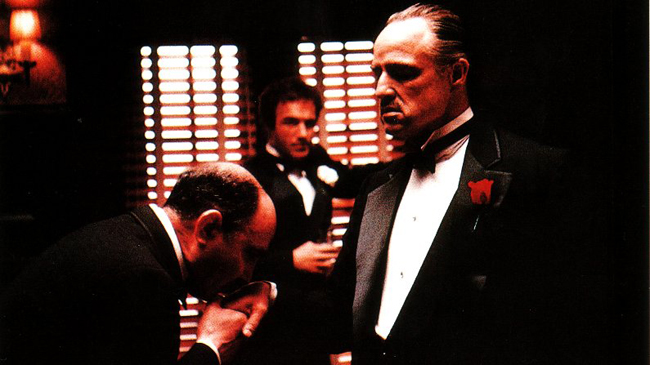
The critic Gleb Napapenko, who worked in the “arthronika” and symbolically resigned right before its closure, explains the context and the essence of what is happening (the comment was written before the release is released, but did not lose relevance, since everything can repeat it a thousand times - remember the fate of the “big city” or openspace . Ru ):
“In the story of the dismissal of the editors of“ Arthronika ”, the mechanics of power that were laid down in the functioning of this magazine and for which the magazine itself was a kind of decoration came out: in a critical situation, it was this mechanic who came to the fore, and it always gave priority to any magazine content associated with the values of culture. The decisions of Shalva Petrovich Breus, who recently demanded that the magazine pay off (the culture should bring money!) Wow the status of Soverene’s decisions in a state of emergency: at the last moments, before passing the number, it was necessary to give an interview with the artist from the Breus collection, then to illuminate the book of BREUS publishing house, then write more about Breus. Kandinsky Prize and “Drummer”. Of course, now many will tell me that this is normal , that this is how it is done everywhere. Many searches that it is indecent to talk about such things. But it is such “humility”, such a willingness to compromise and contribute to situations like the one that we see today, when the editorial office first demanded to quit of their own free will, and then they began to threaten dismissal for absenteeism. Or the earlier situation that brought me to the final decision on dismissal. By chance, my dismissal was legally made exactly on the eve of the arrival of the letter from the financial director with the news of the end of the magazine.
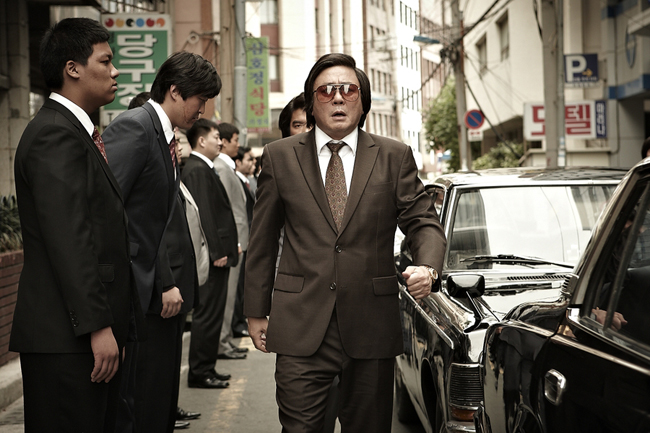
In my case, Shalva Petrovich Breus, apparently, with a hint (although what really happened, I still do not know) expressed a wish not to see on the pages of “his” magazine Alexander Novozhenov, not enough to the Grisha Bruskin’s exhibition in a “drummer” rented by Breus. Meanwhile, Sasha had already written several texts into the upcoming number, and before that she played a significant role in recommending me as an editor in “Ah”. In response to my indignation, some began to assure me that Sasha violated the taboo, that “you couldn’t bite the giving hand” and that “all hundreds of times were in a similar situation when it was necessary to compromise.” Fortunately, I had a retreat path (which not everyone has), and, having quit, I escaped such compromises, the dog’s self -awareness before the owner.
Now, when Breus apparently decided that the “arthronics” is not effective enough or that it was worth sending more money to the “drummer”, and when the editorial office, the art and the authors of the magazine are in full condition, finding out whether they will give the due compensation and fees or have to go to court, I, in response to our Novivenova , in the event of non-payment of the boycott of the initiatives of Breus in I read the “Drummer” and Kandinsky awards about “necessary compromises” and “Shalva Petrovich, who invested in all this and allowed us to do what we love”, I read that it is bad, that we are blackmailing , that we should not change the weapon of criticism of criticism of weapons.
I have no goal of demonizing Breus, who did a lot to “legitimization” of contemporary art in Russia, unlike another fan of effective management, and at the same time Orthodoxy and autocracy, Vladimir Medinsky. In his current behavior, Breus, apparently, is a typical representative of his social layer. Its logic in this story is the logic of a function depending on its capital. What confused me in “Arthronika” is not at all the will of a particular sponsor, but the will of capital, which declared itself, for example, in the requirements of advertisers. The art against the background of this machine seemed more and more tinsel.
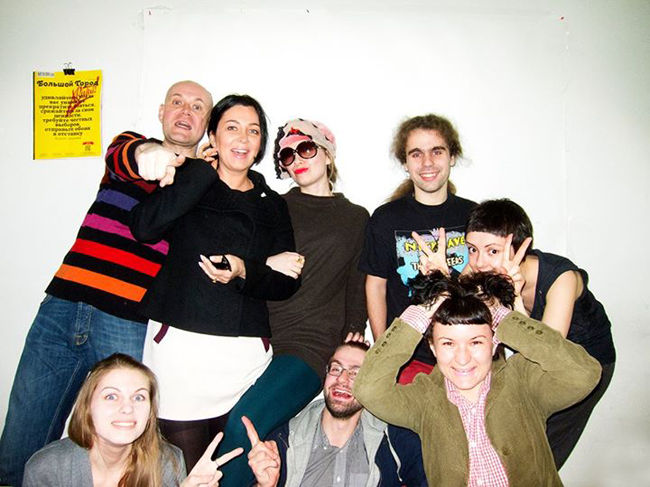 Provided by the editorial office of Arthronika magazine
But it was in order to distract from the image of Breus as a master and father, who must be loved or overthrown, I would like to put an end to conversations about the “hand of the giving” and about “allowing you to do your favorite thing”. In these phrases there are two parcels, both dating back to the 1990s. The first is the servility of capital and ignoring the value of labor: as if the sponsor graciously gave us money, now he is our master, and the work that we give him is so, trifles. The second package, the continuation of the first, is the hope that with this person, the chairman of the Board of Directors of the Central Bank on the Volga, you can somehow be on equal terms, you can reach him, helping him “organize” work. But, friends, this person - he, sorry for the Marxist banality, a man of a different class. You can sometimes drink coffee with him, but at the decisive moment there will be barricades between you - and now they arose. It is impossible to equate the relationship between Breus and the editors between the editors and the authors, indicating that if everything is not quite regulated between the editors and the authors, then “mutual understanding” also needs to be between Breus and the editors. This beautifulness ignores the split between the classes, ignores that the editors and authors really have much more in common in a socio-economic plan than editors and sponsors. Contemporary art, meanwhile, if it can arise somewhere, then only where schisms do not obscure. So we will consider this protracted sermon to the next attempt to save art. And also this is a call for those who work in structures like “arthronics”, openly and firmly support not a corporation and a brand, but each other in front of the bastards of a private sponsor in the same way as in the face of state power. This would avoid attempts to disenfranchised dismissal and even, I think, stories with censorship in relation to Sasha Novozhenova. With all their contradictions, Breus and Medinsky will agree with each other. Will we agree?
The so -called left critic, from the position of which I, now, speak, plays in society the role of a jester, which is allowed to talk about what others are prescribed to be silent and attempted to encroach on “sanity”. The role, in fact, is strictly regulated and therefore dreary in some ways. But now I feel the need to go on stage and still fulfill it. ”