
Translated material
The defeat of the Prague Spring
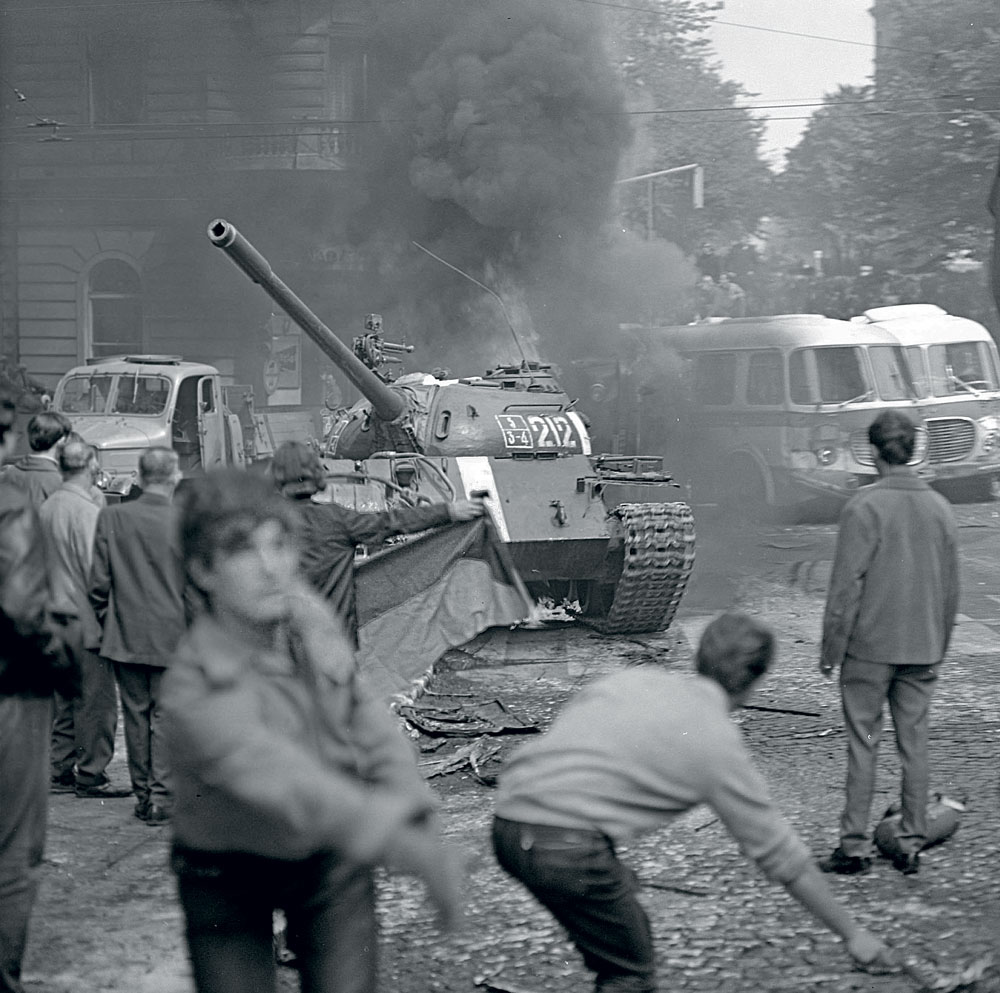
August 1968 Soviet tanks in the center of Prague. Young people met interventionists with stones and bottles with incendiary mixture
In January 1968, Alexander Dubkek was elected first secretary of the Central Committee of the Communist Party of Czechoslovakia, the initiator of the reform of the economy and expand democratic freedoms, limiting censorship, introducing multi -party, decentralization of power. The liberalization of public life, called the "Prague Spring", was enthusiastically perceived in Czechoslovakia itself and in many committee of Europe, the intelligentsia in the countries of social camps looked at it with hope.
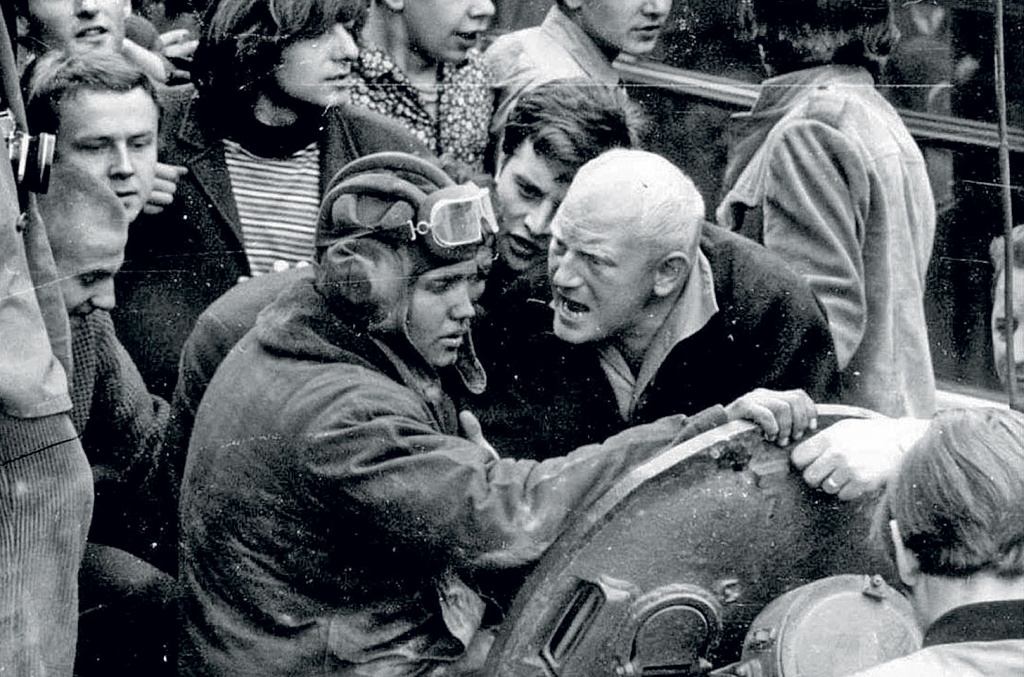
Residents of the Czech capital are trying to explain with tankers
The “Raging of Democracy” in Czechoslovakia scared the top of the CPSU and the leadership of the Communist Parties of the Warsaw Treaty countries. “Socialism with a human face”, which was professed by Czech reformers, posed a threat to Soviet -style socialism.
The political thaw in Czechoslovakia ended with the invasion of the "fraternal" country on the night of August 20 to 21, 1968 of the military group of the Warsaw Treaty (Operation "Danube").
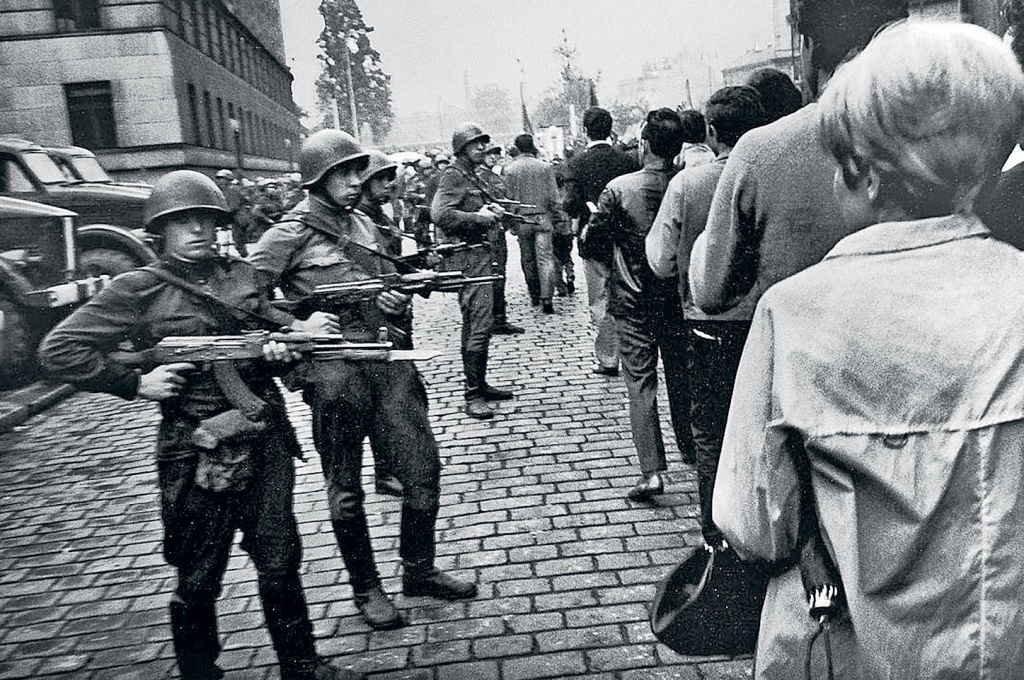
Soviet soldiers in Prague
The number of troops of the Warsaw Treaty introduced into Czechoslovakia:
USSR-18 motorized rifle, tank and airborne divisions, 22 aviation and helicopter regiments, about 170 thousand people;
Poland - 5 infantry divisions, up to 40 thousand people;
GDR - motorized rifle and tank divisions, up to 15 thousand people as a reserve on the border. In Czechoslovakia there was an operational group of several dozen military personnel;
Hungary is a motorized rifle division, separate parts, only 12.5 thousand people;
Bulgaria-two motorized rifle regiments with a total of 2 thousand people and a tank battalion (26 T-34 tanks).
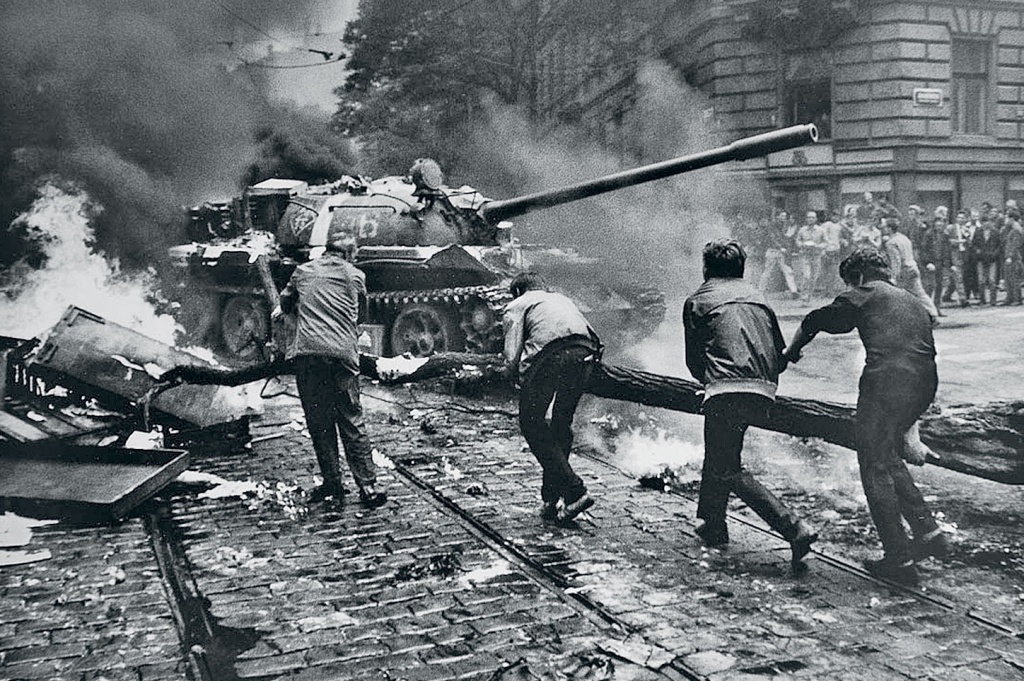
On the way of tanks, Prague students erect a barricade
Photos: Libor Hajsky/Reuters, B.Novotn, from the archive of the International Society "Memorial"