
Translated material
Those who have a dream
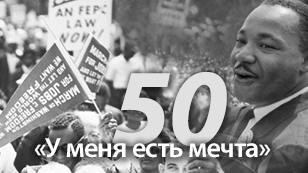
On the day of the 50th anniversary of Martin Luther King, Radio Liberty turned to civilian activists of different countries with the question of their dream
On the occasion of the 50th anniversary from the day when the leader of civil rights in the United States Martin Luther King made his famous speech “I have a dream” , Radio Liberty asked civil activists from different countries to tell what they dream of today and what the future of their countries see. King’s speech was uttered during the “Washington” march, in which 200 thousand African Americans who fought for their civil rights took part.Shirin Ebadi, Iran
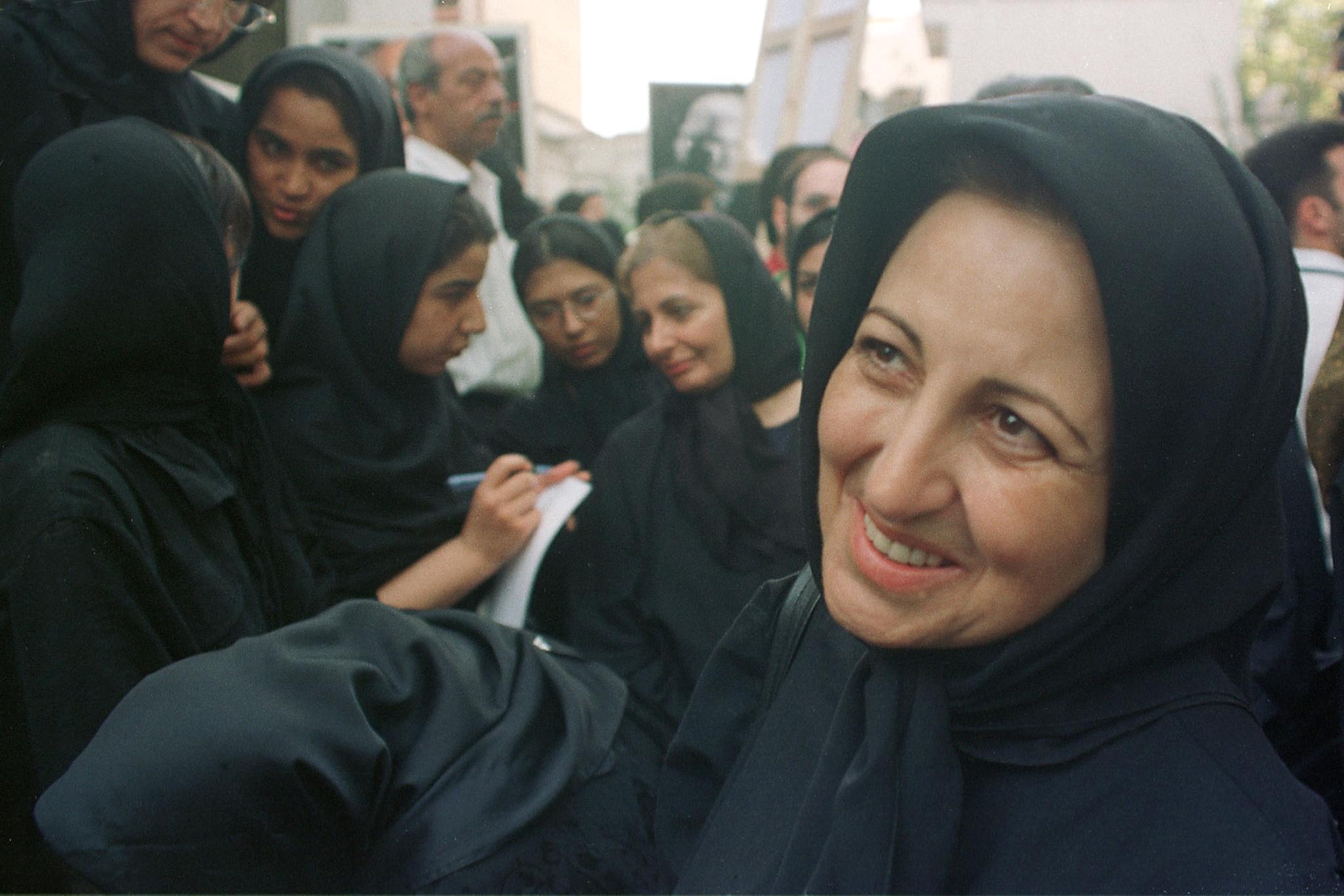
"My dream is that the human heart is revealed to the globalized world ... Thus, so that every person can feel the pain and grief of the other, as if it were his own pain and his own grief. Instead of globalizing trade and economics, globalize humanity! I have a dream when, instead of sharing humanity, borders will unite people. I have a dream that instead I know that in today's anxious world, this dream may seem unrealizable that many successes of humanity began to be just about the independence of India and the abolition of slavery, but today these dreams have come true.
Natasha Kandich, Serbia
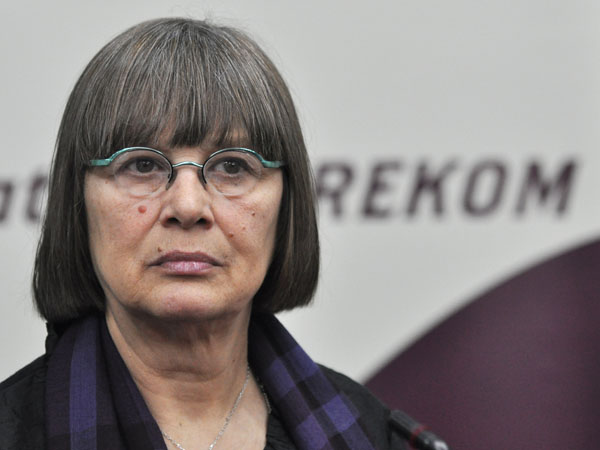
"I often think about how they called all the victims of the Yugoslav war and how to break the Balkan silence about the past and the dead ... There are always numbers, not names in memory. This is my dream. I hope that one day all the inhabitants of the former Yugoslavia and the whole world will recognize the names of the victims of war and war crimes."
Olga Noskovets, Russia
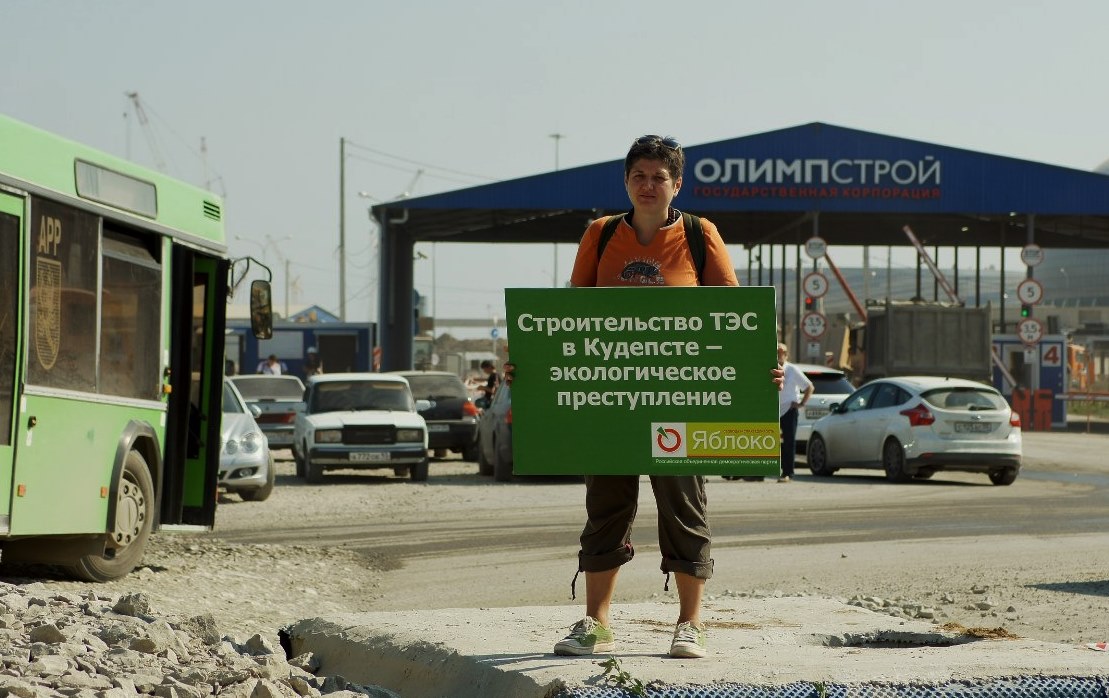
"I had a favorite job, dreams of business development, I worked as a guide. I was interested in. We showed people natural objects than my city: gorges, canyons, waterfalls. But then the Olympic project of Sochi began. I felt that it was hypocrisy - to carry people, to tell them how beautiful, we were on the cut -out meadows, near the mountains of garbage. Schlagbaumes for a paid entrance, I have no longer a salesman at the bazaar, trying to impress low-quality goods under a beautiful wrapper. And do not run around the mountains and forests and not rush under equipment. "
Tolekan Ismailova, Kyrgyzstan
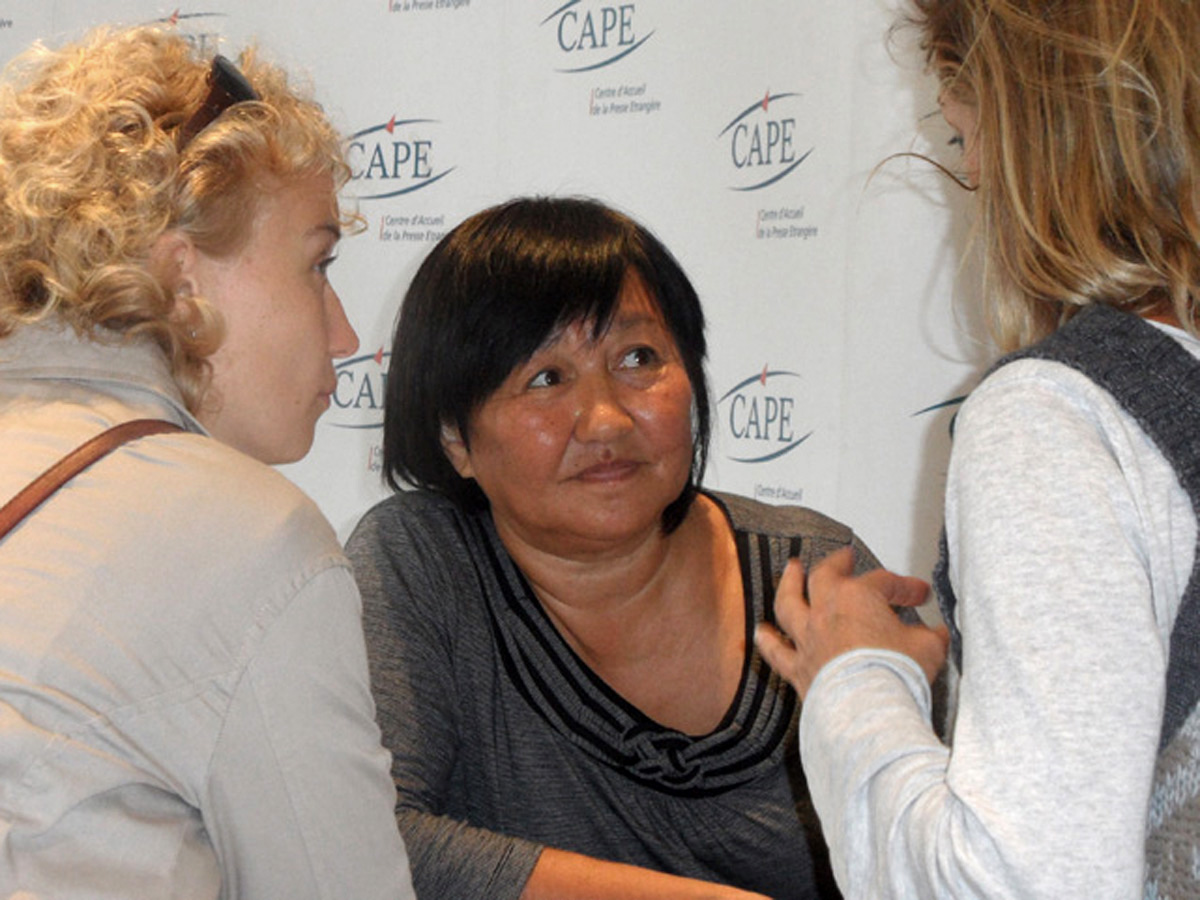
"We tried to find a peaceful tool in order to change the system: to use the power of civil action. The actions of Martin Luther King, the Dalai Lama and many others served as an example. We need to establish a dialogue to achieve mutual understanding without weapons or violence. And the authorities should not think that its representatives are smarter than the population: we twice overthrew the authoritarian governments after they neglected the principles of freedom, civil society, civil society. And now we have a parliamentary system that gives civilian activists to observe and participate in the development of equal branches of the authorities, because there are many young people inspired by Martin Luther King in Kyrgyzstan that every citizen is understood, regardless Near the Kyrgyz border, we were all born equal and have equal rights.
Anastasia Dashkevich, Belarus
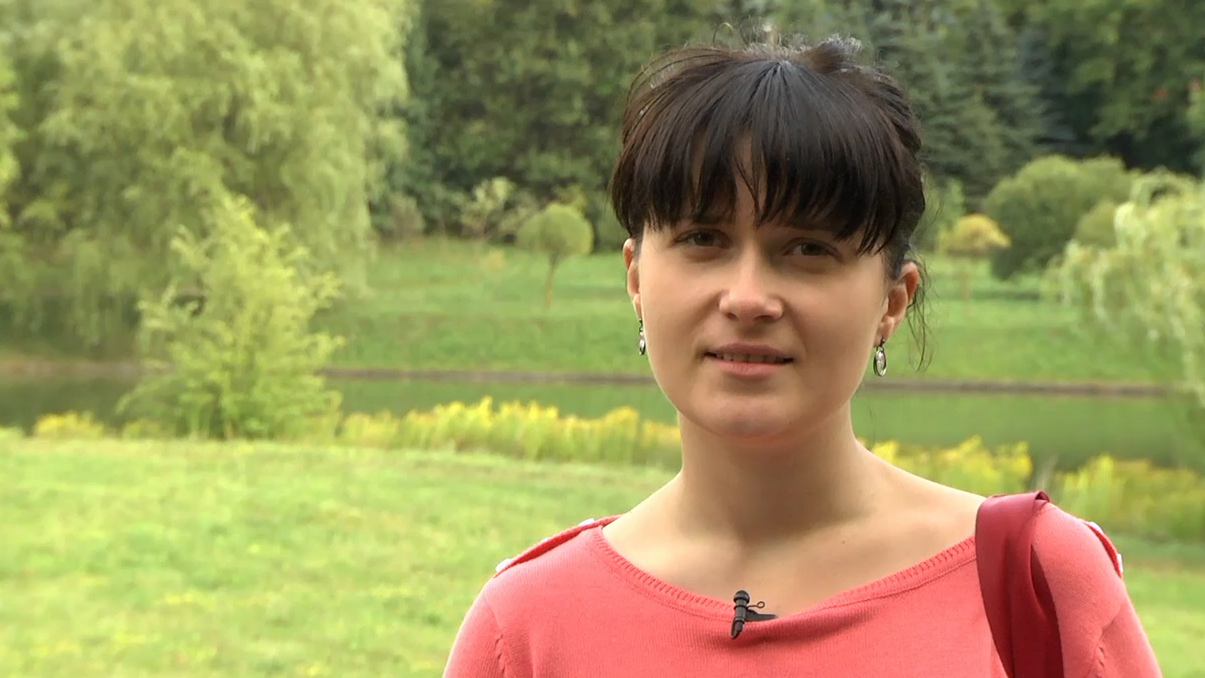
"I have a dream: I want to live in a country where there is no fear. There is no fear for my family, relatives, friends. When you know where they do, and there is confidence that everything will be fine. I want to live in a country where love dominates, where people are proud, that they live here and rejoice that they see around. I believe that there will be such a country. People will educate children. To teach in Belarusian, in the Belarusian, it will not be experienced by objects in secondary school and in universities. where the male laws and laws of God are observed that Belarus will become just such a country.
Dmitry Makarov, Russia
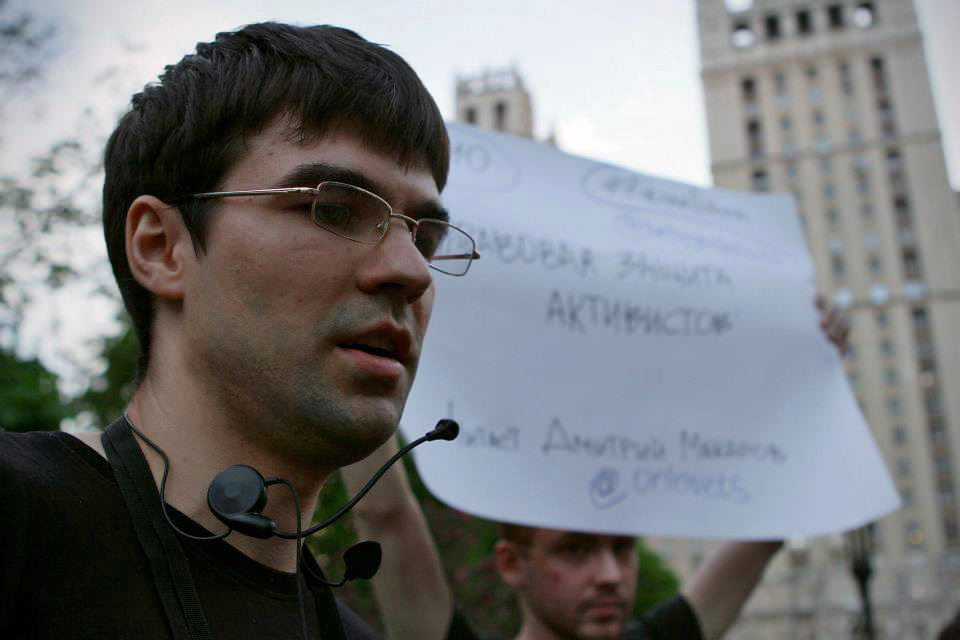
"I have a dream of the brotherhood of civilian activists and simply indifferent people who, regardless of the borders of the misfortune of others, perceive as their own, together react to totalitarian challenges, to wars at different points in the world.
I would like to live in a country in which the interests of a particular person, the value of freedom, justice and dignity are more important than territories and certain national and state interests. And in this sense, the concept of human rights that I protect, it is not about happiness on Earth, but about the minimum standards of life that allows many people not to feel humiliation and feel free. And I would like my country to observe this minimum. "
Irina Sheleketova, Russia
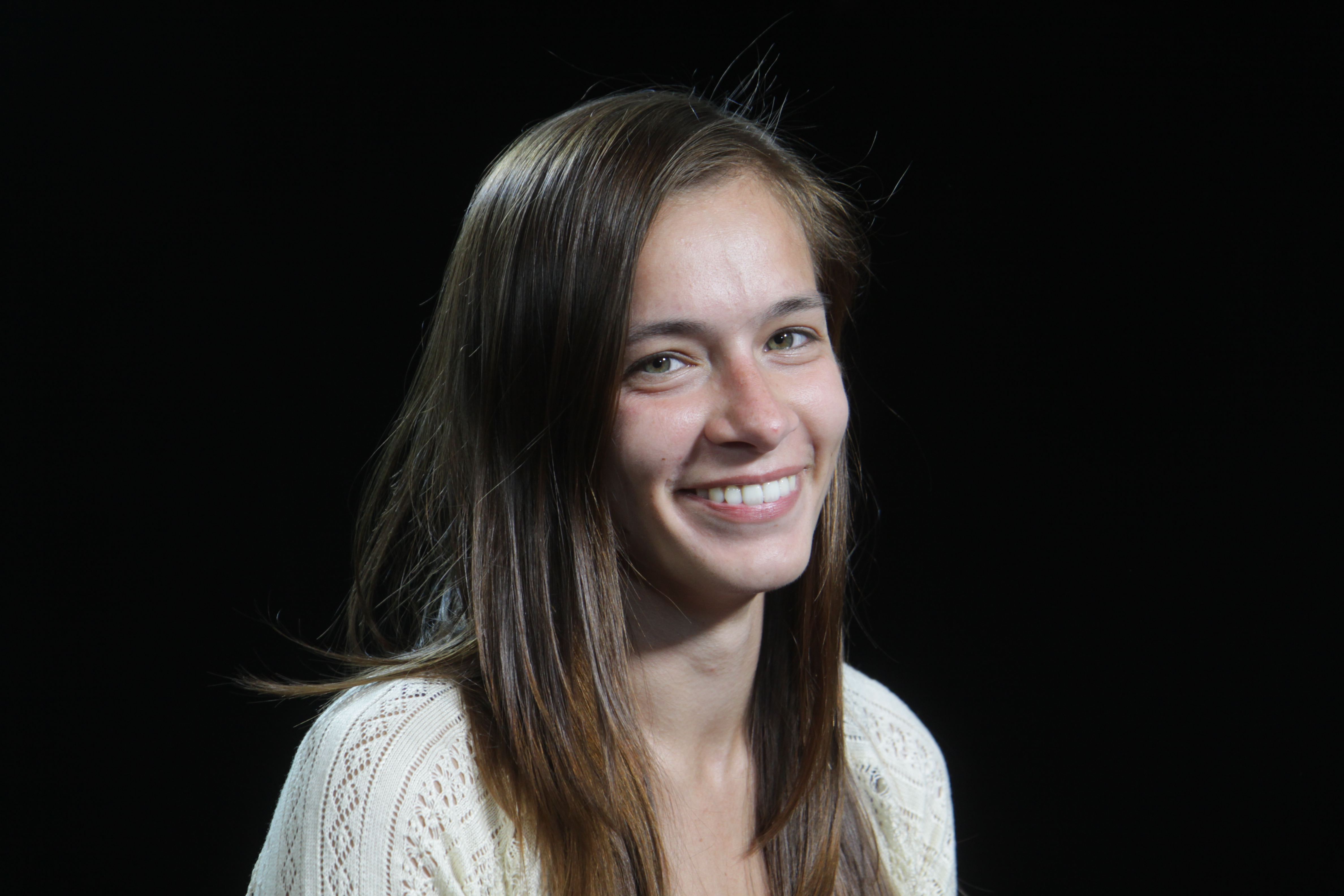
“I have a dream, since childhood, such a naive dream is that there is peace around the world. Now I really want stereotypes about migrants, about certain characteristics of people, about world politics, about what is happening around people, they are too lazy to recognize information, they are inclined to perceive everything superficially, to read the headlines of articles, but do not delve into their essence. Unfortunately, this is so much imposed by the myth that all the migrants are bad than understanding the entire complex structure and finding who is to blame for Russia so that the pre -election campaign of all candidates does not come down to the migration policy in the same direction.
Martin Luther King's dream in the United States was embodied.