
Translated material
Three questions of the Bosnian authorities
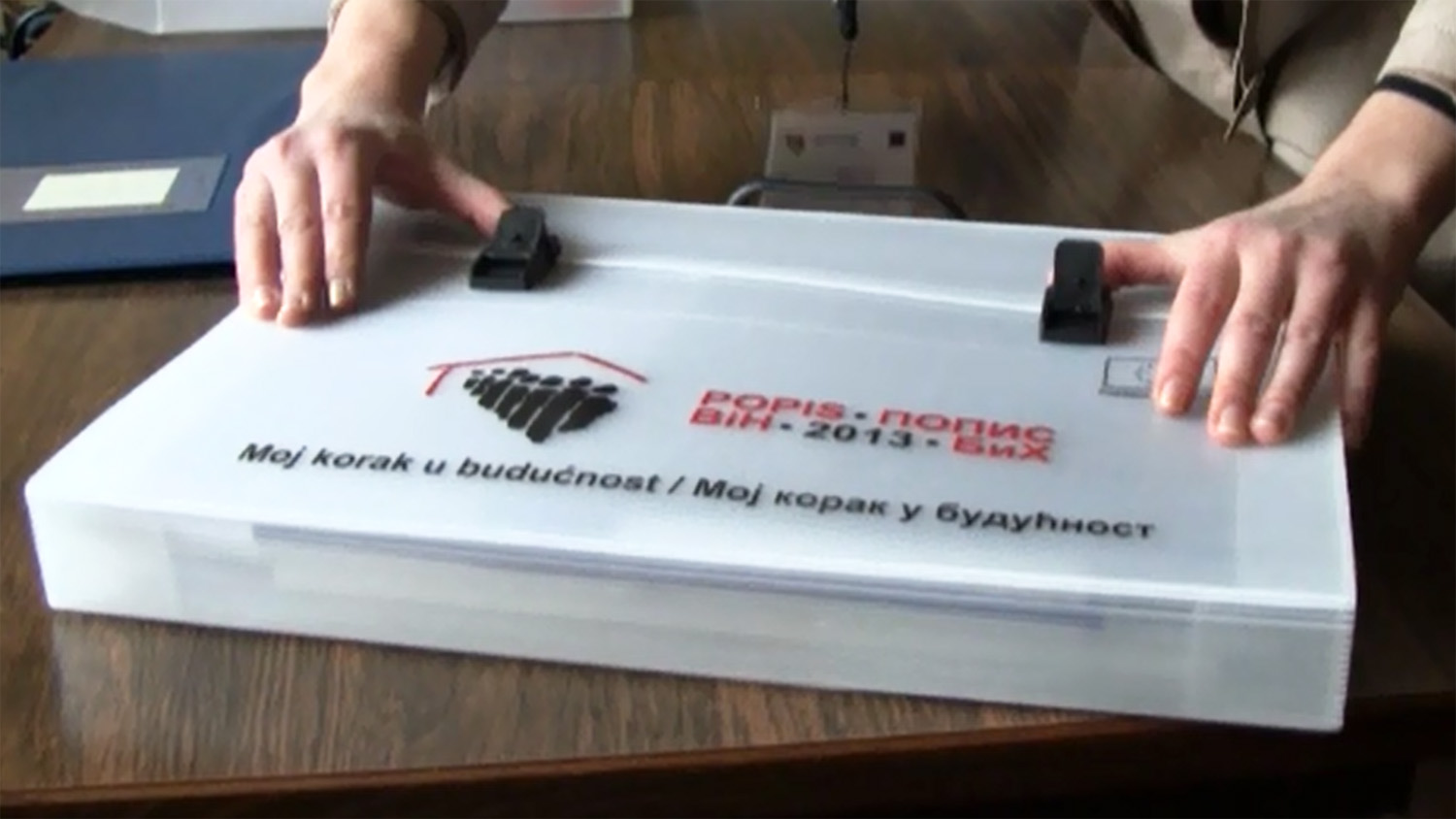
In Bosnia and Herzegovina, the first population census was held in 22 years.
The latest study was conducted in 1991, before the war and the collapse of the Socialist Federal Republic of Yugoslavia. Then the country's population totaled about 4,400,000 people: 43% of Muslims, 31% of Serbs and 17% of Croats. The last two censuses of the population throughout the world (except Bottsvan and Bosnia) were not able to organize in Bosnia. Therefore, the post -war demographic and statistical picture of the country has still remained unknown.But the process of the current two -week census took place in a tense political atmosphere. It seemed that in Bosnia and Herzegovina the census of the population was a struggle for counting as many citizens of their own nationality as possible. For months, an aggressive propaganda campaign was led, which was headed by political and religious leaders of the three main, so -called “state -forming” peoples - Boshnyaks, Serbs and Croats. They called on the population to necessarily indicate the corresponding nationality, religion and their native language. By the way, it is not necessary to answer these questions in the census.
Representatives of Boshnyaks campaigned louder. After all, the nationality of “Boshnyak” - or “Bosnyak”, as they still say, appeared in official use only after the war. Before that, in the former Yugoslavia, there was a nationality of “Muslim”, and wrote this word with a capital letter. Now a complete confusion has arisen: one of the Muslims in Bosnia and Herzegovina calls himself a Bosnian, someone continues to believe that he is a Muslim by nationality, and there are people who determine themselves to be Herzegovites.

An appropriate advertising video was released with a song called the anthem of the census: “I am Boshnyak, my faith is Islam, the language is Bosnian. This is what I will say on the census. I have no right to make a mistake because of the past. I can’t forget these three words: the key of my fate was hidden in them.”
And the main bishop of the Roman Catholics in Bosnia and Herzegovina Vinco Pulikich sent a message regarding the census, warning that the moral duty of all believers of Catholics is to indicate that they are Catholics-Khorvata. He demanded that the priests spread this message among parishioners. Since the Catholics in the country are mainly Croatians, although not all, they should, according to the church, declare themselves to be Catholics-Horvates.
It was as if the Serbs had fewer problems with the definition of their nationality and religion. It is believed that if you are a Serb, then necessarily Orthodox. However, during the census in the Republic of Serbian, which is an integral part of Bosnia and Herzegovina, cases of pressure on indecisive illiterate and old people are recorded so that they declare themselves Serbs. There were scandals in the Republic of Serbian and with the fact that Serbil's scribes sometimes refused to fill out Boshnyakov profiles who wanted to give data about the absent family members.
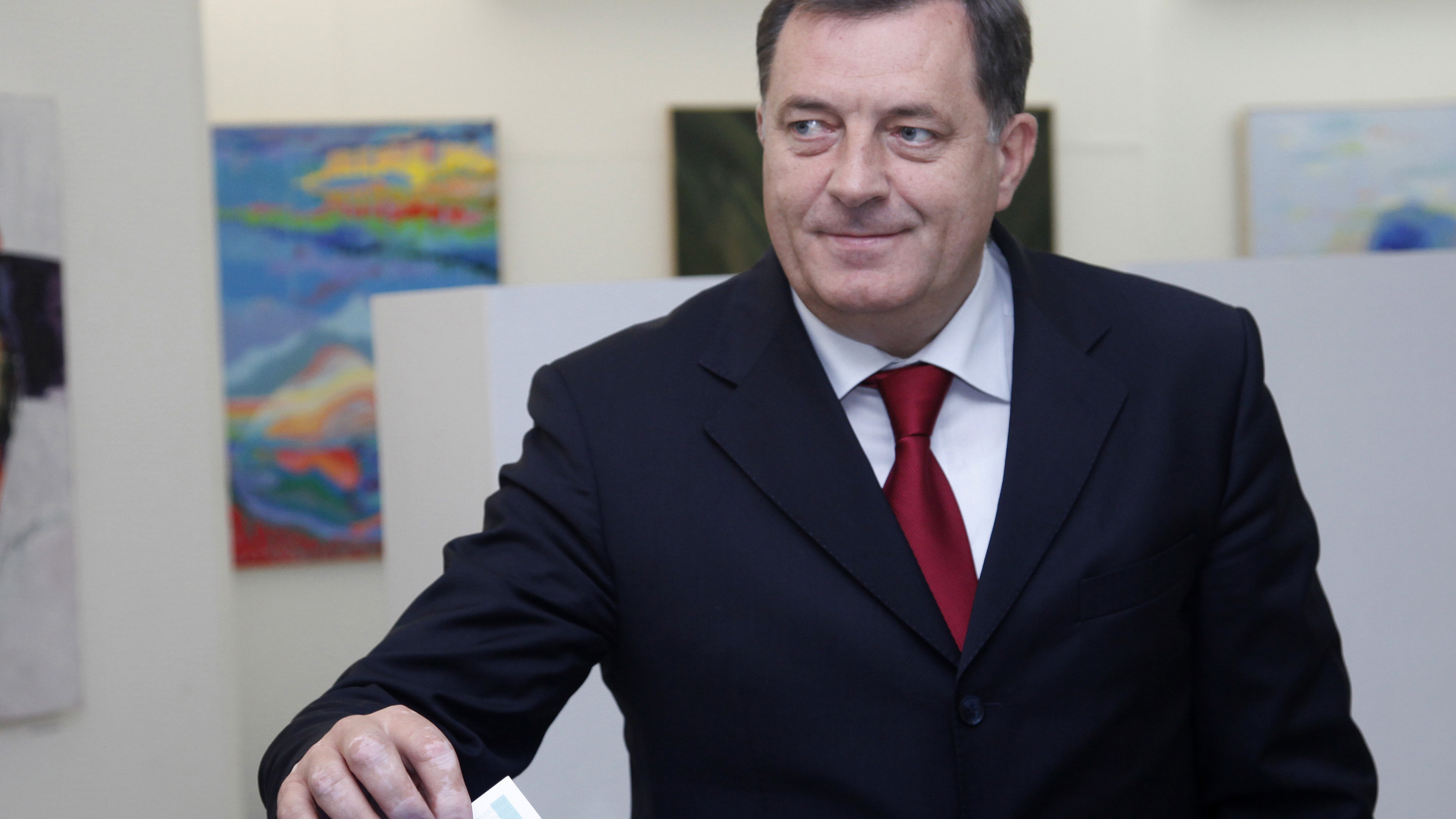
In Bosnia and Herzegovina, everyone immediately became clear to everyone that Milorad Dodik hinted at Boshnyakov. During the Bosnian war and in the first years after it, a significant part of the population changed their place of residence, many became refugees abroad and remained there. And now, in early October, many empty houses came to life: Bosnians came from the diaspora in Europe, America and Australia, mostly Boshnyaks to take part in the census. Often this is only one representative of the family who sought to fill out profiles on all other relatives. True, those living abroad could do this themselves by mail, but then they would not be ranked to the permanent residents of the country.
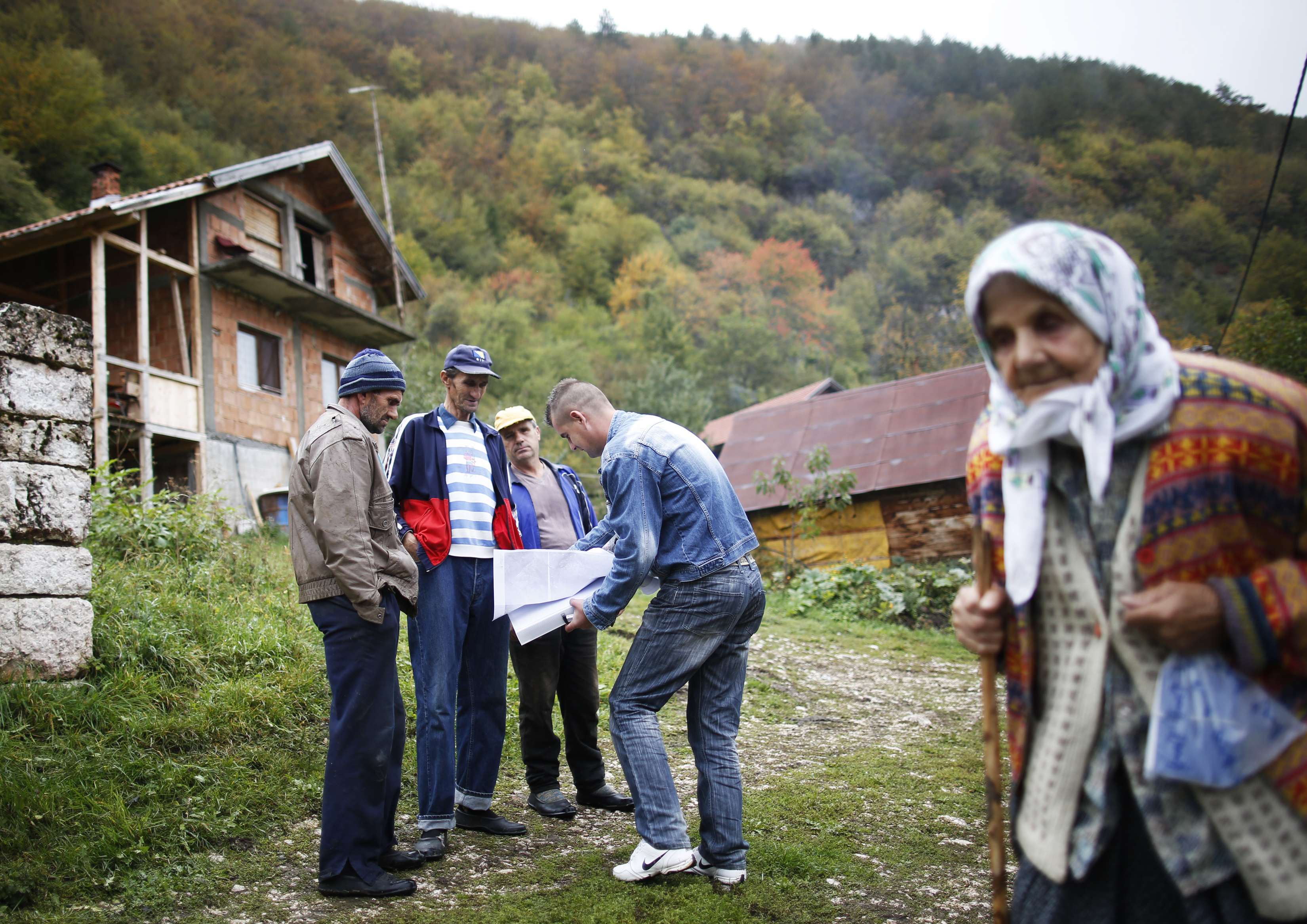
It seemed important to everyone to count as many of their fellow tribesmen as possible, because it is believed that from this ethnic group could get political benefits: the results of the census could change the system of ethnic quotas. The Office of Bosnia and Herzegovina at all levels is built on a complex proportional representation of three peoples: Boshnyakov, Serbs and Croats. And national minorities fall into the category of “others” and not only do not have the right to participate in the distribution of power, but also deprived of quotas to jobs in state institutions. Therefore, it is believed that many of them were ready to hide their nationality.
Sociologist Ivan Shiyakovich, for example, believes that it is inconvenient for national minorities to stand out, and many of them, first of all, gypsies, joined one of the three main ethnic groups. The same thing happened with those citizens who would like to determine themselves to be Bosnians, or, as before, Yugoslavs, or Europeans: it was difficult for them to fit into the questionnaire. “Since the current recalculation is similar to the final reprisal, political propaganda was so strong that it became indecent,” says Ivan Shiyakovich.
Census as a referendum on nationality
The census of the population in Bosnia and Herzegovina was similar to voting in the elections or in a referendum, only passions this time even raged
In fact, the main provisions of people's rights to private life political analyst Tanya Topich were in jeopardystronger. There were places where on the first day of the census, people went to the premises of the commissions of scribes to “give their vote”. There was a case when a person tried to fill out questionnaires on the allegedly existing 27 of his children. Often there were allegations that the family had 20-30 members, and then there was a demand to register all of them. A woman in the city of Banya-Luka in the presence of scribes lost her temper and began to beat her head against the wall of the apartment. A scandal erupted in Herzegovin, where an elderly Boshnyak died after a conflict with Serbian scribes. There were many cases when people refused to accept scribes of another nationality. And there are citizens who, in protest, completely refused to take part in the census.
“It turned out to be such pressure,” says Tanya Topich, political analyst from Bosnia, “that many people were in a difficult situation. In fact, the main provisions of people's right to private life were under threat - on many issues from the census questionnaire.” The atmosphere of citizens' counting and sorting on an ethnic grounds was created, the political scientist believes.
Even the corresponding definition of your native language is considered important. Before the collapse of Yugoslavia, there was a Serbian-Khorvat language. Then its name changed. The Bosniyskiyi language called the Bosnian language, Serbs-Serbian, Croats-Croatian. During the census, a struggle was fought so that each of his native language was called according to the strict instructions of their national leaders.
Distolled by "ethnic corns"
Tanya Topich is afraid that this atmosphere will remain after the census, and this will have practical consequences: each side will try to interpret the results as it is beneficial, from the corner that suits her. “This paradoxical situation around the census was well described by our publicist, reminding how our national political elites, representatives of each of the three ethnic communities, years after the war tried to prove that it was in their national community that most of all the dead. And now incredible campaigns and struggle are being conducted to prove that the number of members of their“ ethnic corral ”is the largest,” Topich notes.
Bosnia from the multi -ethnicity became the “three -ethnic” country Professor Enver KazazAnother practical detail: the proportional principle of the distribution of power between the three main ethnic groups in Bosnia was built on the basis of the 1991 census. It is clear that there will be reasons for applying the results of a new census to the section of power.
Some demographers have already warned that the results of the census in Bosnia and Herzegovin may be invalid. Tanya Topich also notes the fact that in Bosnia and Herzegovina a huge number of illiterate citizens. “On the other hand,” she says, “in all this madness around the census, none of the nationalist political elites are worried that this census will show that ethnic cleaning has occurred throughout Bosnia and Herzegovina. I fear that there is not a single city, not a single settlement in our country, which would have a multinational character.”
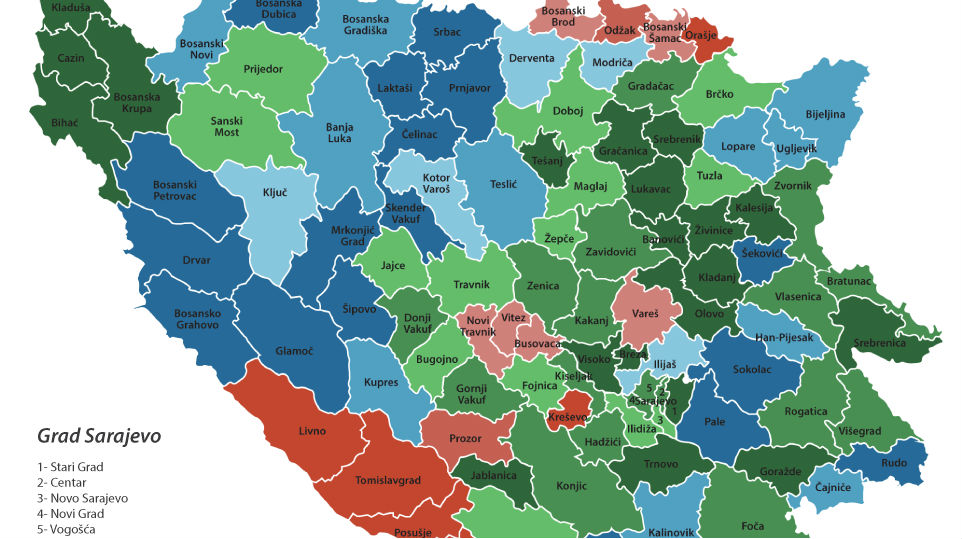
Professor from Sarajevo Enver Casazes draws a non -rehabilitative conclusion: the census will show that Bosnia from the multi -ethnicity has become a “three -ethnic” country. “She will show terrible social stratification, show a demographic catastrophe and the fact that our policy of employment, economic development, social protection is a failed policy,” the professor says.
The first results of the census in Bosnia and Herzegovin will be known in January next year.