
Translated material
Kasparov asks to provide him with Latvian citizenship
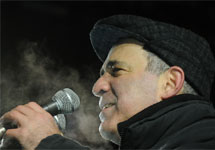
The leader of the United Civil Front, ex-champion of the world of chess, Harry Kasparov asked the Latvian authorities to be given the citizenship of this country for special merits, Delfi.LV reports . According to the chairman of the Seima Commission, internal affairs and the prevention of corruption Ainar Latkovskis, Kasparov also wants to maintain Russian citizenship.
The letter from Kasparov received all the fractions of the Latvian Sejm, the publication reports. Many deputies wrote about Kasparov on Twitter on Tuesday morning.
In early June, Kasparov, at a press conference in Geneva, dedicated to the award of the UN Watch human rights organization, said that he decided not to return to Russia yet . The politician explained that he was afraid of persecution by the Russian authorities. “I went back and forth until the end of February, when it became clear that the ongoing investigation of the activities of political activists can touch me,” Kasparov said. “Now I seriously doubt that upon returning to Moscow I will be able to go back. So for some time I will refrain from returning to Russia.”
On June 10, Kasparov in an interview with The New Times confirmed that he was not going to return to Russia, "while there is a threat of a criminal case." He said that formally the TFR did not send him the agenda for interrogation. However, the investigator called Kasparov’s mother and his former lawyer. According to Kasparov, the activity of the Investigative Committee is due to the fact that he was the main speaker on the issue of the "Law of Magnitsky" at a CSO meeting on February 16.
Kasparov fears that they can take a recognizance not to leave him to stop his political activity abroad. “And I am engaged in the fact that I try to prevent prominent Russian officials to travel abroad, this is the main part of my international activity,” the politician noted.
At the same time, the politician asked for no doubt about his commitment to the work of free and strong Russia. Kasparov noted that he is seeking to introduce "against criminals and bandits in the Kremlin" international sanctions. “I had hundreds of meetings and speeches in order to promote the adoption of such legislation,” he wrote. “It is impossible to imagine that I will be able to continue this work in Russia today.”