
Translated material
Pre -trial detention center No. 1, No. 4, No. 5
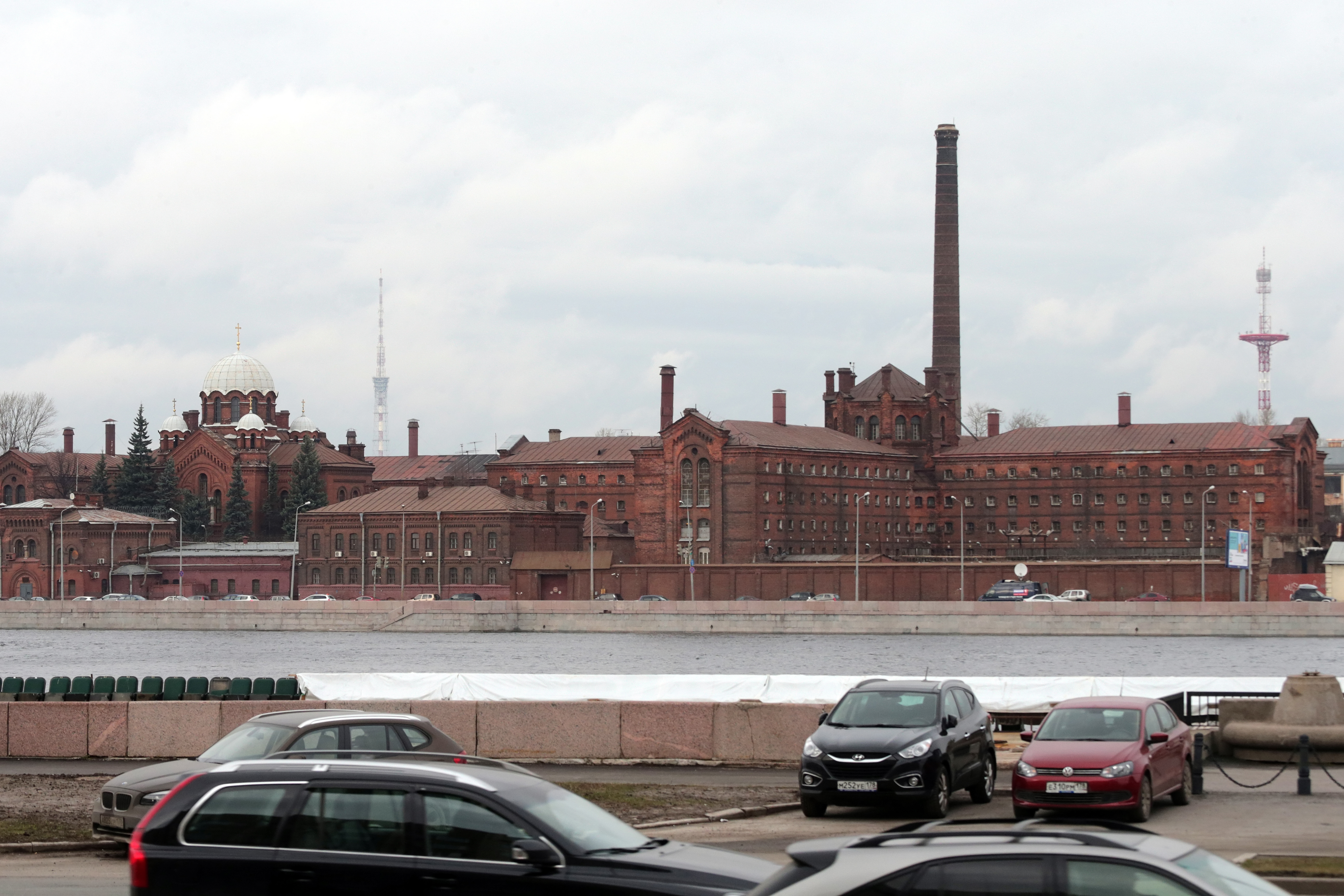
Greenpeace activists expect a trial in the three St. Petersburg pre -trial detention centers
30 arrested Greenpeace activists and crew members of the Arctic Sanraise vessel are located in St. Petersburg, where they were transported from Murmansk on November 12. Investigators explain the need to transfer the Greenpeisers to St. Petersburg by the fact that their case does not fall under the jurisdiction of the courts of Murmansk, but the head of the St. Petersburg branch of Greenpeace Dmitry Artamonov is confident that it does not fall under the jurisdiction of the courts of St. Petersburg either.
"We expect that on November 22, the international tribunal on the law in Hamburg will make a decision on the lawsuit of the Netherlands against Russia and will require immediate liberation of activists," says Artamonov, who hopes that Russia will not wait on November 22 and release activists earlier.
If this hope is not justified, then the question will arise about extending the term of arrest, Artamonov notes:
- Until the 24th, Russian courts will have to confirm this preventive measure. Our lawyers will defend the position, according to which there are no grounds for extending arrest. In parallel, we plan to appeal to the European Court of Human Rights on several grounds at once: on the fact of the most illegal arrest, and according to the conditions of detention, and according to the terms of transportation, which were still in Murmansk.
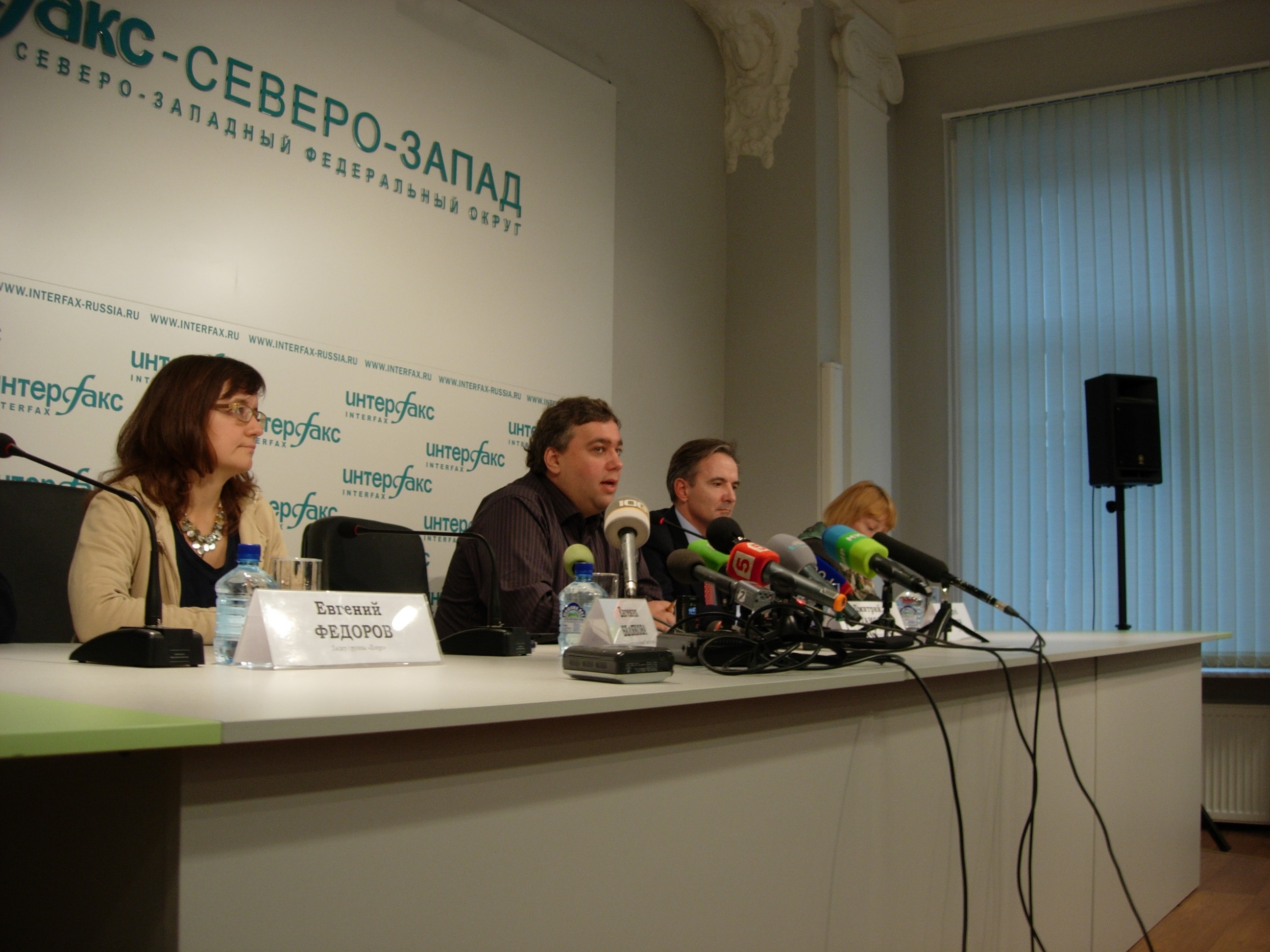
“Everyone is talking about how and where the activists were transported, they will be released or not, and at the same time it is forgotten what they suffer for, what they protested against,” Evgeny Belyakov, the coordinator of the Arctic project of Greenpeace, emphasizes. It recalls how often oil spills occur. In her opinion, with Russian methods of oil production, these spills can not be avoided. And this must first be remembered when it comes to the Arctic: it is here, in the ice, that it is especially difficult to collect spilled oil. So these spills can lead to an environmental disaster.
The musician, the leader of the Sorge group, Evgeny Fedorov, who signed under the appeal to the President of Russia with a demand to release Greenpeace activists to freedom, talks about how they are treated by nature:
- The military bases, which recently closed on the islands along the Northern Sea Route, left behind a huge number of oil barrels, barrels of fuel oil, all that was brought there to ensure the energy systems of military units. There are islands that are completely consisting of fuel oil barrels and dead birds. Few people know about this, but now the Russian leadership has been obliged to remove these territories in order to obtain the approval of the world community to develop a shelf. That is, until no international sanctions threatened, no one was going to remove anything.
For the liberation of Greenpeace activists, several dozen lawyers are fighting. Among them is Andrei Schukov, who draws attention to the fact that not one, but three cases were instituted in the Pechersk Sea: the criminal process in Russia, the case in the International Marine Tribunal and the European Court of Human Rights. In the ECHR, according to the lawyer, two outcomes are possible: the case may be terminated due to rehabilitating circumstances or the arrested will be released on bail. This measure acts in international waters, and in the open sea, and in a special economic zone, ”the lawyer explains:
- We expect that a legal decision will be made. If not only the defense, but also the court will fulfill the laws, then the case must be terminated, although the civil lawsuit to compensate for the harm caused is quite possible.
Lawyers who help Greenpeace activists expect that when the term of two -day quarantine expires after transferring from Murmansk, they will be able to visit their wards, find out under what they are contained and what they need. It is yet known that they are in three investigative insulators of St. Petersburg - 14 people in pre -trial detention center No. 1 “Crosses”, 8 in pre -trial detention center No. 4 on Academician Lebedev Street and 8 more in pre -trial detention center No. 5 on Arsenalnaya Street. There is no information about who exactly in what pre -trial detention center was. With the exception of two people: the Englishman Ian Rogers managed to report that he was placed in pre -trial detention center No. 1, and the Dutchman Faizu Ulalase wrote on Twitter that she was sitting in the female pre -trial detention center No. 5.