
Translated material
Marten Purvy: "Because he is American"
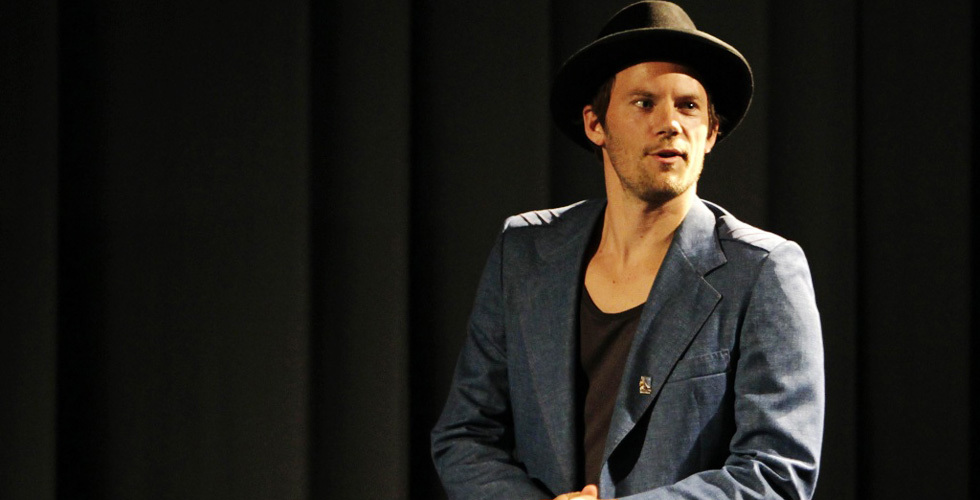
On Sunday, November 17, the Blick festival will be shown by the mockier “here is not a California” about the history of the skateboard in the GDR. Vasily Koretsky talked with the director of the film Marten Prasil about the mythology of Skate and East Germany.
- As far as I understand, a significant part of the archival material in the film is setting and stylization. I even noticed there artistically scratched shots from the film “Kings of the Dogtown” ... But, for example, an episode with an interview with a official from Stasi is a real one?
-Yes, you correctly noticed, not all the material is truly documentary, about 50 to 50. But I never specify what exactly is the production and what is real archival materials. Otherwise, there will be no pleasure! Here, after all, the whole idea is to succumb to illusion, to believe that this is true, at least for a time of viewing. I myself describe California as a documentary story. It is clear that the requirement to believe in my film is quite serious, but I don’t invent anything from scratch, I just ... I rearrange the facts in places. Everything that is shown in the film has a precedent. Real people, real events. In this sense, the film is documented, because it is based on documentary evidence. Well, if you still want to play guessing, then here is a hint: all the most crazy and incredible-this is just real material. Life is a much more strange thing than we can imagine.
- In your interviews, you sometimes mention the anonymous veteran of skateboarding, which provided you with your archive. Can you report any details about him or is it a secret too?
- Yes, there was such a person, most of the archival filming in the film - from his collection. But I had to convince him for a long time. You understand that the material is very personal, intimate for him, like a family archive, and here some types from the West come. Eastern Germans with some suspicion relate to directors from the West, which shoots about life in the GDR.
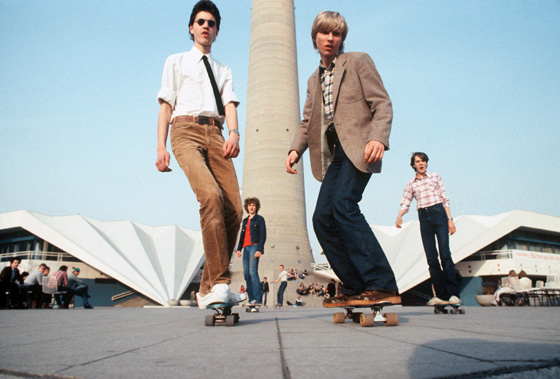 © Wildfremd frame from the movie "Here you are not California"
- Why?
-In such films, arrogant intonation is usually felt, and the 80s in the east are shown as a strange time of stupid outfits and ridiculous hairstyles. But I was not going to mock-I am a skater myself, and the heroes of the film cause me deep sympathy. In general, then we made friends with him, and he handed us these boxes with 8 mm films. O-o-oh-very strange material. When we watched them, it became clear that we would succeed.
- And what did you shoot a movie about? A skateboard is just a reason, packaging ...
- I shot about how it is to be young and open the world around. The more repressive the political system, the more obstacles it builds in the way of this knowledge of the world - and such a situation can become an interesting dramatic conflict, give rise to fascinating stories, radical biographies. One of our sources spoke very definitely about this. I asked him: "Why a skateboard?" And he replied: “Because he was forbidden. Imagine what happens when a teenager is prohibited by something? "
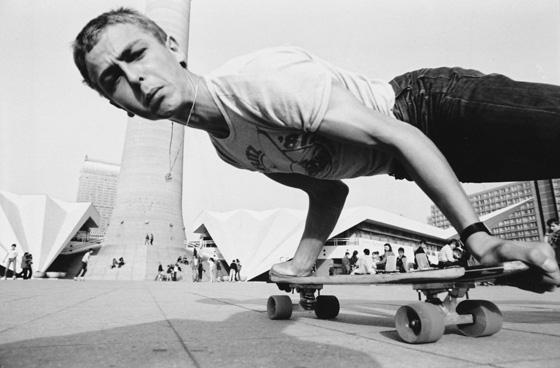 © Wildfremd frame from the movie "Here you are not California"
- Well, in the GDR - I see. But why does a skateboard around the world become a “symbol of independence and personal freedom” - like that jacket of snake leather in the “wild heart”? There is such a short film “Skateistan”, about life in Kabul without Taliban, there the skateboard also becomes a metaphor for liberation.
- Because he is American. And America is traditionally considered the land of free people. And besides, a skateboard is cool and, in general, is available to every child. On the board you can learn to ride yourself, this technique is intuitive. There is no competition, this is not a sport, not a dance - but just a trip to the area on a piece of wood. At the same time, a skate is not just a game. A skateboard is a marginal thing, it is located between, on the border. There are no rules here-and someone may scare someone, but others find this anarchism very attractive.
- Now films about life in the GDR are an obligatory part of the program of almost any festival of German cinema. Why so? Is it just nostalgia?
- I think there is only a little. Certain frictions in society always turn out to be good soil for strong cinematographic history, in such a world the character of the hero is very clearly manifested. It probably sounds cold and prudent - but it really works. I think the fact that so many films are being shot today about the times of the Cold War are evidenced, on the one hand, on the value of human dramas caused by this era. And on the other, about how difficult it is for filmmakers to comment on today. As for nostalgia, it seems to me that this is a specific nostalgia for the “order”: there was a specific enemy, everything was simple and clear. This feeling of the black and white world was, let’s say, the positive side of the Cold War, it gave people some fundamental confidence-and this happened not only in the East, but also in the West. In other words: it is easy to tell a story when you have a good guy and a bad guy.
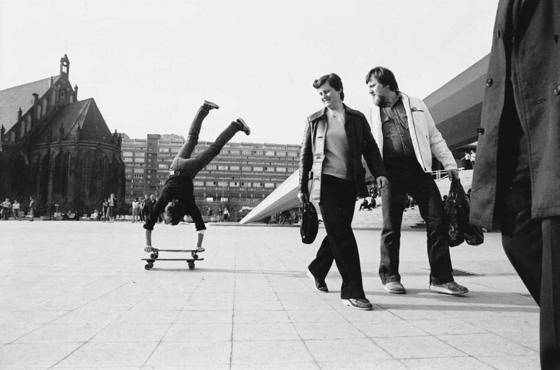 © Wildfremd frame from the movie "Here you are not California"
-It does not seem to you that recently people began to lose interest in Fikshnu, in the stories told-and documentary, on the contrary, from something boring has become supermined? Directors even have to remove the mockmentaries - for conjunctural reasons.
- Well, I don't know. It seems to me that this traditional division simply disappeared, that's all. Too many films today do not fit into this tough classification. In the 30s in music stores, you may have found only three regiments-classics, opera, dance-orchestra music-well, and, probably, in the most fashionable places there would be another fourth-jazz and swing. And today in music stores you can find thirty such labels. I think that soon other categories of films, not only “documentary” and “artistic”, will officially exist at festivals. Or maybe there will be only one category - just a movie. This option is most to my liking. After all, all films are both true and fiction. This is a movie, not reality.