
Translated material
We dismissed without looking
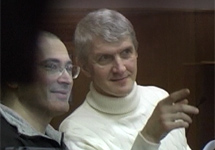
The Presidium of the Supreme Court refused to consider the supervisory complaint against the second sentence of the ex-head of the Yukos Mikhail Khodorkovsky and the former leader of Menatep Platon Lebedev. This was reported on the court website. According to RIA Novosti, in the complaint the lawyers of the convicts insisted on the abolition of all previous decisions in the case as illegal and unreasonable, termination of proceedings and the immediate liberation of the defendants.
The complaint about the verdict issued on December 27, 2010 by the chairman of the Khamovnichesky District Court of Moscow Viktor Danilkin entered the Presidium of the Supreme Court on September 25, and was transferred to the judge on October 16.
On August 6, the Board of Criminal Cases of the Supreme Court slightly softened the sentences to Khodorkovsky and Lebedev in the second case of Yukos. The term of punishment was reduced to 10 years 10 months. Thus, Lebedev will be released on May 2, 2014, Khodorkovsky - August 25, 2014.
The decision was made following the consideration of the supervisory appeal, which was filed by the defense of the Khamovniki court and subsequent judicial acts legalizing it. In the complaint, the defense indicated that the verdict and subsequent acts of cassation and supervisory instances "are an attempt by the judicial authorities under the cover of the criminal procedure law of the proceedings of the proceedings of the judicially false and initially inconspicuous accusations, which were brought by our client at the pre-trial stage."
In May 2012, the Supreme Court already considered the supervisory complaint of the defenders of Khodorkovsky and Lebedev about the verdict in the second case of Yukos, then it was rejected. In February 2013, the Supreme Court again requested the cases of accused for supervisory proceedings from the Meshchansky and Khamovnichesky district courts.
The sentences of Khodorkovsky and Lebedev were not softened for the first time. On December 20, 2012, the Presidium of the Moscow Court reduced the terms of imprisonment from 13 to 11 years. This decision was motivated by the mitigation of liability for economic crimes.