
Translated material
Iran tightened his demands on the nuclear program - perhaps this is a diplomatic move
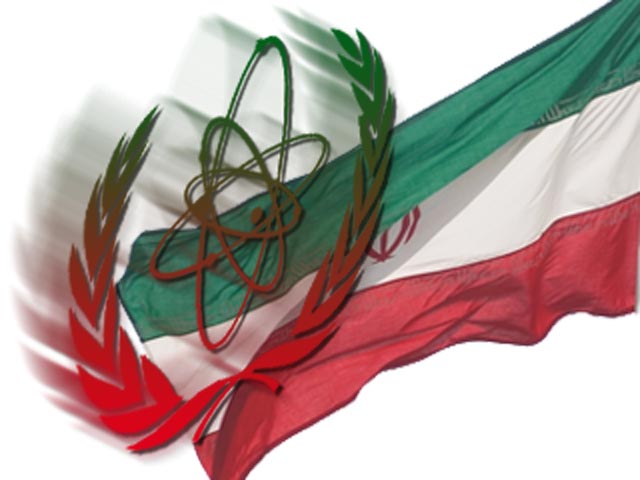
The next meeting of the Six countries and Iran on the Iranian nuclear program, which is held in Geneva, threatens to end without concluding a temporary agreement. Many powers had high hopes for this conference, but the Iranian side does not seem to seek to find a compromise so much - unexpectedly for the member countries Iran tightened their demands, reports Newsru ISRAEL .
The Deputy Minister of Foreign Affairs of the Islamic Republic, Abbas Arakchi, said in an interview with the ISNA news agency that Tehran insists on the immediately weakening of sanctions imposed by the West on the oil and banking industries.
According to Arakchi, a temporary agreement can be reached with strong concessions for Iran, with which Western countries, of course, disagree, since the initially the sanctions were to be weakened only after freezing the Iranian nuclear program. In particular, neither the United States nor France with Great Britain planned such concessions, which had also previously tightened their conditions.
A large -scale lifting of sanctions from Iran is possible when signing a comprehensive final agreement, when all the parties will finally come to a consensus. Experts evaluated Arakchi's two statements in two ways. On the one hand, it can be planned by the maneuver before the agreement, but, however, it is possible that this decision was made by the Iranian delegation after consultations with officials.
In any case, the members of the "six" are ready to continue negotiations on November 22 and are set up to succeed. China, Russia, the USA, France, Germany and Great Britain offer Iran a temporary and limited weakening of sanctions if he agrees to temporarily freezing its nuclear developments, which should become the basis of further discussions.
It should be noted that not so long ago, French President Francois Hollande, visiting Israel, said that Paris continues to take a tough position against Tehran.
Hollande announced four conditions for achieving an “intermediate agreement” according to the Iranian nuclear program: “The first requirement is to immediately transfer all the nuclear facilities in Iran under international control; the second condition is to stop enrichment (uranium. - approx. Newsru.com) to 20%; the third is to reduce its existing reserves; and, to stop building the center in Araka.”
The beliefs of Israel, which did not support the compromise decision under the Iranian nuclear program, could be affected by the position of France with a high degree of probability. At the same time, Israel does not lose time: the country's Prime Minister Benjamin Netanyahu has held telephone conversations with the leaders of all Six countries, except China, discussing Iran’s nuclear program, and he even met with the President of Russia on November 20, hoping to change the position of Vladimir Putin about the compromise of Iran’s nuclear program.