
Translated material
Iran and the world agreed for the future
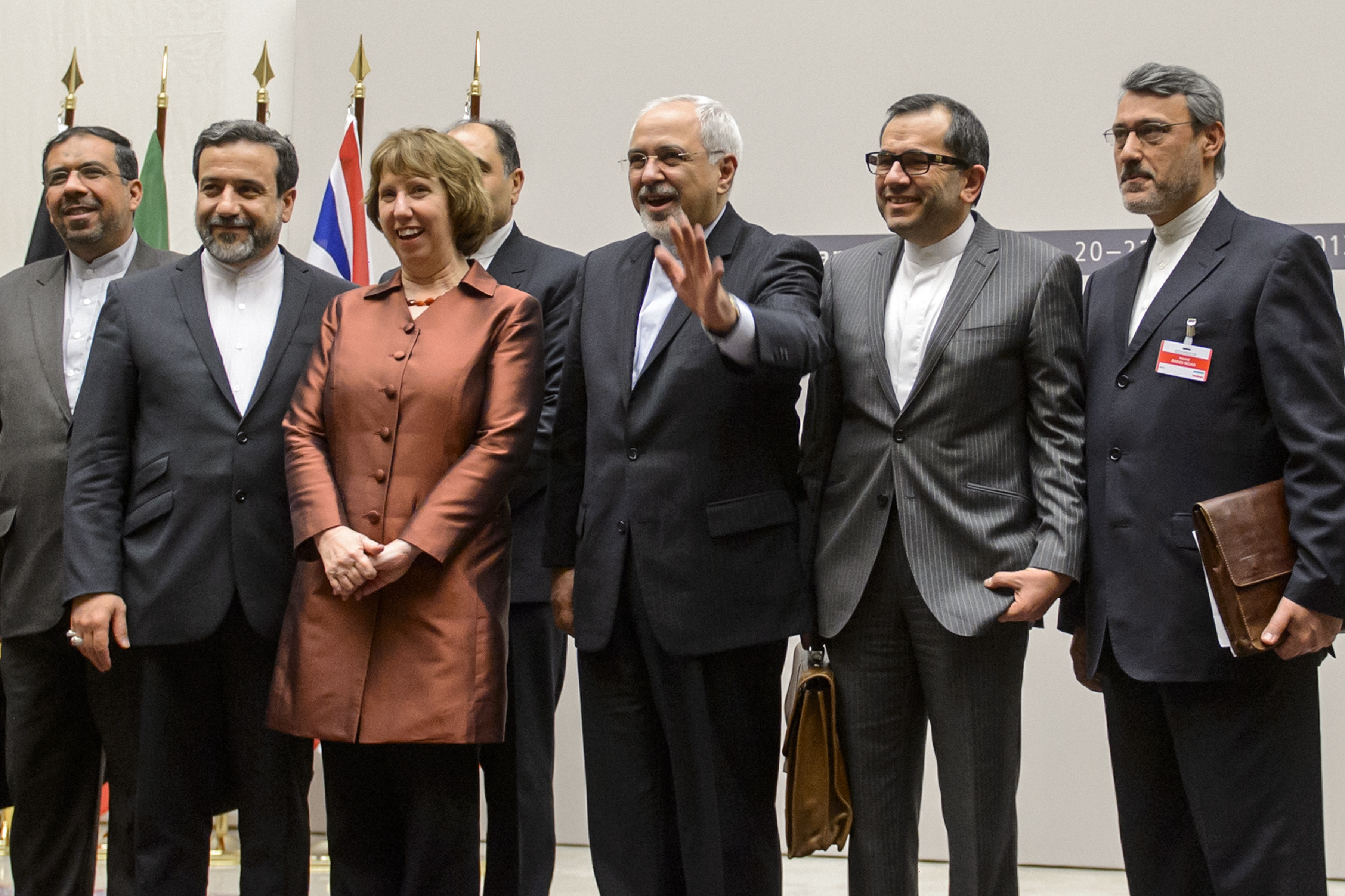
Geneva announced an agreement on the Iranian nuclear program
Negotiations of a group of six states with Iran in Geneva ended with an agreement that gives Iran for six months to put in order of his nuclear dossier .“As a result of intensive negotiations, we have reached an agreement on a joint plan of action today, which will determine our approach to achieve a long -term and comprehensive resolution (problems),” the words of the head of the foreign policy of the European Union Katherine Ashton are not much different from such statements after negotiations with Tehran in the past. When these negotiations did not end with a breakdown. We agreed to agree.
US President Barack Obama said that Iran was given the opportunity to "return to the international community." Israeli Prime Minister Benjamin Netanyahu rated that the agreement is bad for what he gave to Iran what he wanted: a weakening of the sanctions regime while maintaining the main elements of the nuclear program. In the European capitals, the agreement was called "historical" and "turning point."
What we agreed
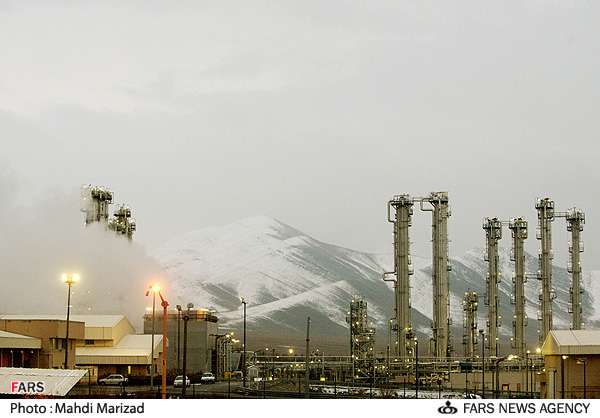
The Barack Obama administration has spread a press release, from which it follows that Iran and the international community represented by the states of Group 5+1 (USA, Russia, China, France, Great Britain, plus Germany) came to the agreement that Iran would stop the uranium enrichment, for six months, will neutralize the reserves of uranium, enriched up to 20 percent, will not establish new centrifuges at the facility in the facility in Nathanz, will stop working on a heavy water reactor in Arak, will go to "unprecedented openness measures" and will accept the monitoring of the international community.
In response, the international community will relieve sanctions on Iranian export of gold, precious metals and energy products. Iranian airlines will have the opportunity to repair the fleet of aircraft. The ban on the supply of spare parts, which blocked the possibility of maintaining in safe condition, Iranian Boeing and Aerobuses led to the fact that the Iranian government was forced to rely on third countries, like Venezuela, to maintain its civil aviation. Iranian airlines are in the list of the most dangerous in the world - over the past decade on them, 14 major incidents on them, which ultimately led to a ban on their flight to the territory of the European Union. The European Commission considered them too dangerous to let them into the EU airports.
In total, as a result of the Iran package signed in Geneva, having partially free from the sanctions, he will receive $ 7.2 billion.
What should close
The attitude of the Iranian rulers to the national nuclear program over the past decades has changed more than once. The nuclear program in the 70s of the last century began to develop a shah. As a result of the Islamic Revolution of 1979, Ayatollah Khomeini, rising at the head of the country, closed the program, because, in his opinion, nuclear weapons, due to its indistinct character, is anti -Islamic. Homeini replaced as the spiritual leader of the country Ayatollah Hamenya had his own interpretation of Islam, as well as Islamic and Nislamic in the military field. The conservative and in many respects irrational president Mahmoud Ahmadinejad brought nuclear developments in the country to a new level .
What do Iran say
Iranian President Hassan Rouhani, after signing an agreement in Geneva, said that negotiations with the Group Six confirmed the right of his country to enrich Uranus. "For this reason, I declare the Iranian people that the enrichment of Uranus in Iran will be carried out, as before," the president said. Ayatollah Ali Khamenei noted that the Geneva Agreement is the “basis” for further progress.
Despite the fact that the president and spiritual leader in the past few months often contradicted each other, both this time preferred to submit Geneva agreements as an achievement for the Iranian people. Rowhani, as his former adviser to Mehdi Mahdavi Azad described him in an interview with Radio Liberty , adheres to open and pro -Western views in social matters, but his openness disappears when it comes to politics. His relationship with the spiritual leader in Iran is evaluated as relatives. He was a representative of Khamenei in the Supreme Council of National Security. As the main negotiator for the Iranian nuclear program from 2003 to 2005 - negotiations were carried out in close coordination with the Supreme Leader - Rowhani was able to insist that some elements of the Iranian nuclear program were closed to ensure that the country's nuclear dozier is not submitted for consideration of the UN Security Council. Subsequently, when a jerk in the enrichment of Uranus led to the strict sanctions of the international community against his country, Rowhani began to openly criticize the Akhmadinejad government for the social consequences of the Iranian nuclear program.
As his former assistant says, Rouhani seeks to force the country's ruling religious top to make a choice in how they rule the country - on the basis of ideology or on the basis of pragmatism. He believes that if the clergy wants to continue to rule Iran, then pragmatism must choose. The time of ideological solutions for the country has passed.
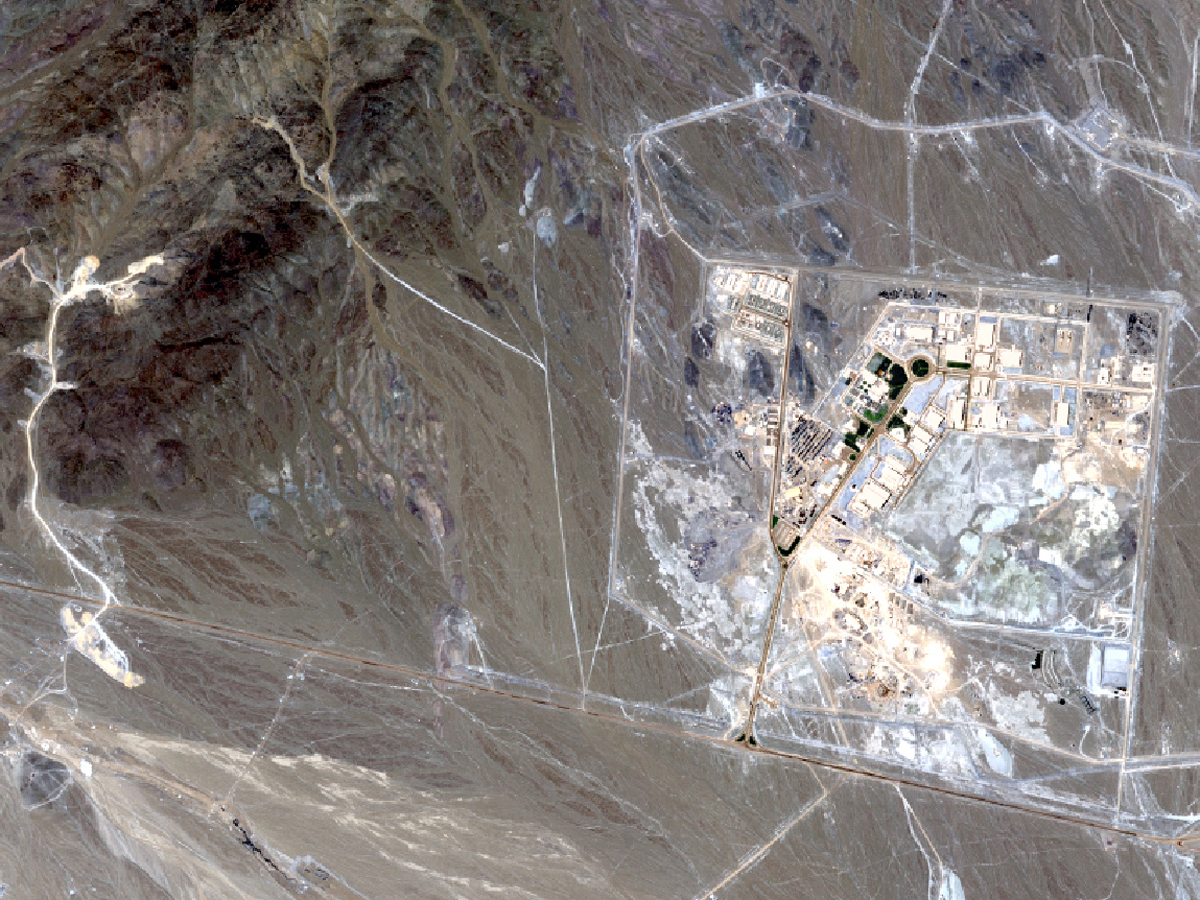
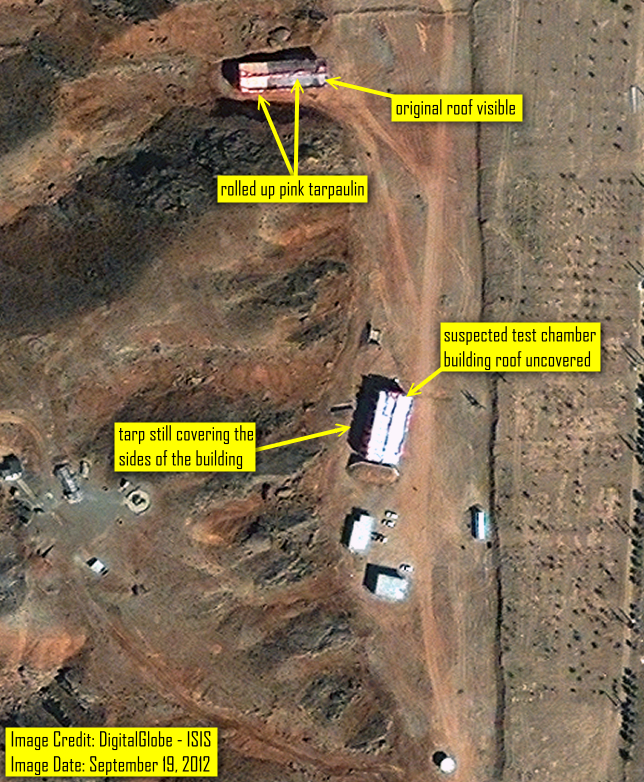
According to Israeli intelligence, the number of objects related to the nuclear program reaches Iran to 300.
-


Irina Lagunina
Head of Special Projects of Russian Service Radio Liberty
Laguninai@rferl.org