
Translated material
Documentary as a new game
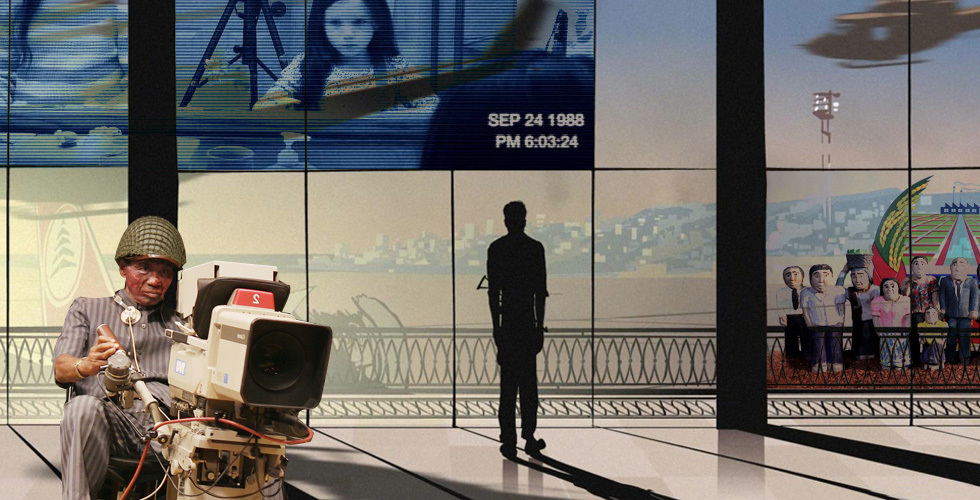
At the end of August, Colta.ru and the Fraulic Festival "End of the World" held two round tables in Yuzhno-Sakhalinsk. You can read the transcript of the first, dedicated to the death of the Institute of Kino Star. The second discussed an equally relevant trend - parallel mutations of gaming and documentary cinema, their unexpected, often to indistinguishable, rapprochement. Participation: the program director of the Fraud of the World Aleksey Medvedev, director of documentary cinema Vitaliy Mansky, director of installation Ivan Lebedev, director of the feature cinema Boris Khlebnikov, film critic Anton Dolin, chief editor of the Cinema section COLTA . Ru Vasily Koretsky and deputy chief editor of COLTA . Ru Mikhail Ratgauz.
Mikhail Ratgauz: There is a feeling that documentary cinema in recent years has become much more serious in the film process than before. A simple example of this year: at the MMKF, I found that my colleagues and I mainly discussed films from the documentary program “Free Thought”. (Another example-in 2013 for the first time in the history of the Venice Festival "Golden Leo" went to the documentary. -Ed.) Suddenly it turned out that the center of gravity, the center of stress was shifted towards documentary cinema. Let's talk whether it is or not.
Watching a bad phenomenon is flour, and a weak documentary can give a curious experience.
The second one is worth discussing is the penetration of documentary aesthetics into a feature movie. This is not the first time, it happened many times in the history of cinema, but now we are observing it again. Moreover, it seems to me that documentary aesthetics are recognized as modern, and non -cocked - as archaic (there are also reverse trends, but now not about them). And, on the third party, documentary cinema also undergoes changes. Namely: we now know many cases when documentary cinema no longer claims to seem true, uses game elements, sometimes he confesses, sometimes - no. The genre "Moucationers" bloomed. Very often, after some wonderful, outstanding works of documentary cinema, you come out in some bewilderment, because you do not understand to what extent what was told is in line with reality. As an example of such a film, I can cite “I love you” directors of Rastorguev and Kostomarov. Or the film, which everyone was discussing at the Moscow Film Festival, the “Act of the Murder” by Joshua Oppenheimer, leaves you in the feeling of some inner nonsense when you do not really understand how true everything is true (interviews with Joshua Oppenheimer can be read here.-Ed. ). While this question is what I saw, because exists on this side of the screen? - Continues out of habit to occupy us. Although this is just archaism.
These are the three topics that I would like to touch. Why did the documentary cinema suddenly become so important why the feature cinema uses a documentary arsenal today and why the documentary, on the contrary, begins to blur and use a lot of game elements from the inside.
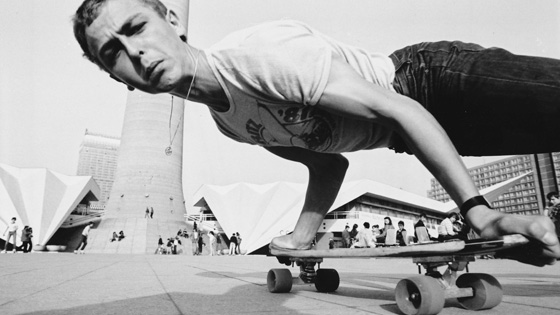 Frame from the movie "Here you are not California"
Alexey Medvedev: You have stated a very extensive topic. I personally are most interested in the mockmentaries, the genre that consciously or unconsciously, openly or generally uses a constructed reality and passes it as a real one. There is, for example, such a seemingly completely traditional documentary, very cute, which is called “You are not California”, a German picture about the subculture of skateboarders in the GDR, based on amateur filming, on films from the home archive. A delicate, lyrical, wonderful picture. Quite by chance, at the Toronto festival, it turns out that there is not a single frame of truth there, and the main character is a fashion model. I wonder why this was done, why the authors chose this method of playing with the viewer (interview with Marten Prasil, the director "here you are not California," can be read here . - Ed. )? We will return to other examples, and now I want to answer the main question - why is documentary cinema become more popular and more interesting than the game?
I share personal experience. I come to the festival in Berlin and I know for sure that if there are three good films of those forty that I have time to watch in 10 days, then this is already happiness, but, as a rule, there are only two or one such film - the efficiency is very small. But in Berlin a very rich documentary program - by the way, it was there that the premiere of the wonderful tape “Act of the Murder” took place. So, when I choose what to go for - the player or documentary cinema, in most cases I choose documentary. Because watching a bad game is flour, and a weak documentary movie, just because of the fact that some elements of reality are allowed into it, can give a much more curious experience. How to explain this? The fact is that in a bad fiction made by a mediocre author, the contact between me and the film is completely absent, I do not get anything, moreover, this is a certain metaphysical funnel that sucks my strength, my attention and does not give anything in return. Documentary cinema initially for me a more free, more fruitful, more interesting structure that always gives me something-even if the theme of the film is not very interesting to me, even if the film itself is not very talented. I almost certainly know about any documentary that his viewing will bring me some kind of inner experience.
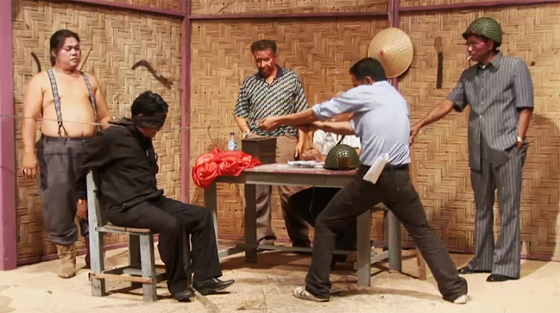 Frame from the film "Act of the Murder"
Ratgauz: Did you always have that?
Medvedev: No, it was not always. Some special ontological status of documentary cinema has been formed for me really in recent years. I realized that this thing is more important than I thought before, that there is no fish in the feature cinema, but some deep creatures are swimming here that interest me more. When the artist’s capabilities to create his own universe, the world living according to his own laws, are exhausted, when it is not very clear whether the artist can create something, at that moment the study of those worlds that already exist at that moment.
Here is one of my strongest impressions of the documentary cinema of the last time - “The Devil's Story”. This is a South African film about the world of small gangsters and dragders, shot with completely unprecedented access to all this world, to all small secrets, crimes, all the activities of this special layer, this subculture. The slums of Johannesburg, warring gangs, one of which is planning a real murder before our eyes. When I watched this film, my suspicion crept in that this was still a production-I admitted that these are people taken from the bottom, not actors, but some scenes are staged. And then it turned out that the director of this film is the school friend of the main mafiosi, and he asked him: "Listen, can I shoot here?" - "Well, you want to shoot - take off." This is terribly scary and terribly funny sight. So, you will create your world in a playful film or not - it was still a grandmother in two, and here there is a ready -made environment with her subculture, with your chips and baubles, with your phrases, with your heroes. And if you manage to infiltrate this environment and show it adequately on the screen, then here it is - the world that is created before our eyes, which already exists and is shown to us by the artist. When I am talking about the growing status of documentary cinema, this is what I mean.
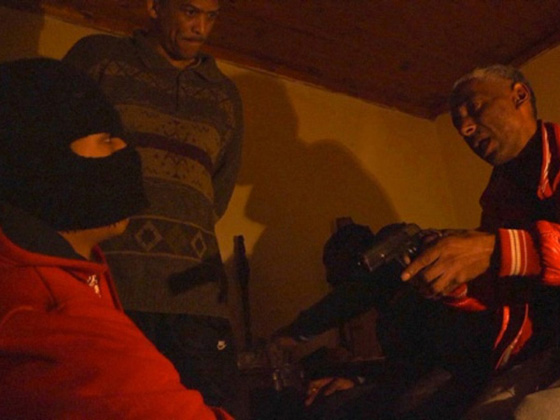 Frame from the film "Devil's Lop
Ratgauz: Curious. When you talked about the fact that the film shows preparations for a real murder, but you feel that this is a staging, a strange thing happens. Thus, the cinema makes this real preparation for the real event something less than the present. Documentary cinema, which causes such doubts, acts on reality as alkali, does not fix, but destroys.
Anton Dolin: I will try to say briefly, because the theme of our conversation is really immense. Michael asked how it happened that documentary cinema became more important than the gaming. How - I will not say, but I can say for sure when this happened. September 11, 2001. It was on this day to the whole world that documentary personnel became more interesting than all playing. The world consciousness was forever changed by the fall of the twin towers in New York. Even the largest authors suddenly realized that they could not work as before. Since then, the cinema has been divided into two streams that go in parallel, very rarely intersects. One of them suggests that since the world is so monstrous, since this is happening in it, then we must offer the most incredible paths of the escape and this incredity should surpass everything that was until then. You can talk for a long time, call specific films, but for me the point of surrender when the movie aloud admitted that it recedes after September 11, there was a moment when James Cameron annulled the film “Truthful Lie-2”, to which the scripts were already written, there was money, everything was. He said: "I can’t shoot a comedy about terrorists after this event and I will never shoot it." This is a very important point. Hence the “Pirates of the Caribbean”, a huge number of comic book adaptations. In the 90s it seemed that it was ridiculous to shoot comics, well, who was interested? But the cash success of numerous comics and cartoons shows: people want some funny animals to be, because everything is too monstrous around.
The second stream is precisely the directors of the feature cinema who began to think what to do and how to reflect in the movie what is happening around. Thus, in my opinion, today's documentary cinema is films that do not show reality as such (the documentaries themselves admit that this is not possible), but reflecting it and without a that do not. And from this point of view, the film “The Dark Knight” for me is a new documentary movie, because it reflects the atmosphere of paranoia and collective horror. I am convinced that his box office success was not associated with advanced special effects and immortal Joker Hit Ledger, namely with this atmosphere.
September 11, 2001. It was on this day that documentary personnel became more interesting than playing.
Boris Khlebnikov: It seems to me that the point is not at all that the documentary cinema was worse or better or that everyone suddenly noticed him. I think that just documentary cinema has technically radically changed over the past 15 years because of these digital small cameras. It was able to get to the hero as close as it could never do in life. If the film was shot about these South African bandits 20 years ago, then it would be necessary to carry 20 kilograms of different techniques, set sound, we needed an operator, configure a huge camera and a film change every 10 minutes. This movie would be impossible.
Vitaliy Mansky: Everything that says, it seems to me, is more related to perception than to the subject itself - the separation of playing or non -game cinema. We all were in the zoo and have seen animals in the cells close, and everyone knows that in the forest a flashed tail of an incomprehensible animal causes more emotions, feelings and some, maybe, perhaps, catharsis, because at that moment you relate to something natural, real, even if you did not consider it. Not to mention the fact that the trace of a boar on you can make a greater impression than the wild boar itself, walking in the circus on the hind legs. This, it seems to me, is the difference in the perception of gaming and documentary cinema.
And now, Borya is right, thanks to technology, we can not even consider the tail, but get this reality almost like a boar in a circus, because we really enter this small camera in the very thick events, and documentary cinema present it to us. And the game, may my colleagues forgive me, it becomes uncompetitive in reflecting reality, it is simply technologically impossible. I need to possess what talent I need to present reality in a feature cinema, construct it as you can just grab it when you enter this life. And here there is a continuation of this conflict - in pursuit of reality, the players begin to reconstruct the negligence of the camera, they begin to aesthetically create some visual images that create a feeling of the consumer that he watches documentary cinema. And thereby they buy in a sense of the viewer, lure it. Because both the documentary and the Istrovik still create networks in which they want to catch the viewer.
A lot of detailed material. Hundreds of hours of tracking a person from which you can make up a story.
Ratgauz: Why do you need so much reality? After all, the public in the middle of the twentieth century was mainly not needed at all, and at the beginning of the twentieth century all the more. Everyone went to watch the Circassians stir the countess ...
Mansky: Because we now live in a fundamentally different world. Previously, a person correlated with reality only through the mirror that was in his room. Now we were, as it were, plunged into the world of reconstructed reality. Television, Internet, billboards, endless TVs ... In fact, we live on Times Square, if we speak very figuratively. And we began to suffocate from the shortage of reality. We are offered an excessive amount of imitations, and a person, such is his nature, just needs to feel so that he has some kind of stability. And in a sense, documentary cinema returns this stability to a person. Not even to the viewer, but to man. And why, for example, if you go aside, does Russian television show real documentary films? Because they will simply destroy it from the inside.
Khlebnikov: I would like to add one thing. We are always talking about the fact that the feature cinema is moving towards documentary. But with these digital cameras, documentary cinema had the opportunity to move towards the artistic. Because this ability of long-term tracking a person or for some situation suddenly gave documentary cinema drama of feature cinema. There is a climax, final, history, all this can be done there. It was not there before.
Ratgauz: Where does this opportunity come from?
Khlebnikov: A lot of detailed material. How many documentary films were shot earlier? And now it is hundreds of hours of tracking a person from which you can choose a story, to make it with installation.
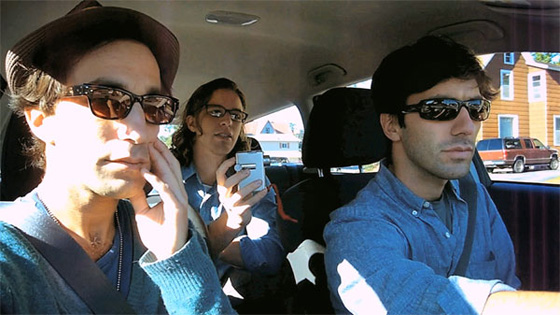 Frame from the film "How I was friends on a social network"
Medvedev: Still, to say that this has never been in the history of documentary cinema would not be entirely true. There was and is the great Frederick Uizman, who did and continues to do with reality, with his heroes and stories everything he wants. As for drama, there is again a very curious example-this is the film "How I was friends on a social network." A game dramaturgy in documentary history is really applied there, and this was done using elements of unpredictability. Because there are three guys go to a certain quest, they want to meet a girl in real life, in whom one of the heroes fell in love with the Internet, and neither we nor the authors of the film know what awaits them in the finals. They thematize this element of game unpredictability and make part of their film.
Dolin: I want to continue Leshina’s words and give two more examples of how the documentary mixes with the game, having a documentary point of departure, and not the gaming one. I had now a chance to visit America at the presentation of new cartoons of Disney studio, which is extremely far from documentary of any kind, and on me - as well as everyone there - a great impression was made by the PIXAR studio animator’s project, the very one that the Monster Corporation made. He takes a new cartoon called “inside out”, his action takes place in the brain of the main character - a girl who comes to another city. The main characters there are fear, anger, disgust - the characters acting inside the brain. And I thought that some directors do not do such things at all for children - and with great success. Recall, for example, “Waltz with Bashir” by Ari Folman. The director in his youth participated in the 1982 Lebanese War and was a witness to the massacre in the camps of the refugees of Sabra and Shatil. But he cannot make a real documentary about this experience. Firstly, all this was not removed, there are simply no personnel. He tries to speak with his fellow soldiers, finds them after 20 years - but they do not want to speak on camera, for them all this was too painful. And then Folman invited the animators and made a full -length cartoon. A lively voice of a man telling behind the scenes about real events, but on the screen we see some kind of phantasmagoria.
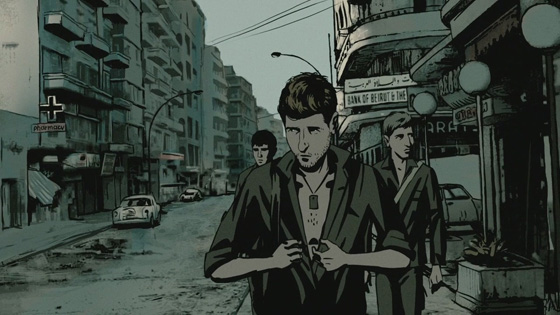 Frame from the cartoon "Waltz with Bashir"
Or the most successful film of the Cannes “Special Glash” this year is the “missing image” of the Cambodian director Richti Panya. This is a similar story, Pan talks about his childhood and youth with red khmer. And the same situation of the absence of a chronicle on which the genocide would be captured - namely, then this happened in Cambodia. What to do? Режиссер вырезает из дерева маленькие фигурки, раскрашивает их и делает примитивную анимацию, которая и служит средством повествования. С одной стороны, он приближается к тому, что раньше документальное кино не было способно передать, с другой — максимально далеко отходит от принципов правдоподобия, правды и воображения в документальном кино.
Василий Корецкий: Мне кажется, дело в том, что можно выделить две функции документального кино, которые очень востребованы сейчас. Оно может быть путешествием в неизведанное, когда документалка становится образовательным фильмом, инфотейнментом. А может усиливать сопереживание. Эмпатические возможности дока куда сильнее, чем у канонического фикшена. Некоторое время назад мы разговаривали на эту тему с Алексеем Попогребским, и он сделал очень интересное, на мой взгляд, наблюдение: методы и технологии документального кино просто переносят события с экрана непосредственно в жизнь зрителя. How does this happen? Когда мы слушаем или смотрим историю, которая случилась с каким-то третьим лицом, с протагонистом, она для нас остается отвлеченной историей. Но когда мы видим фильм, который имитирует документальность, то в нем сама собой появляется субъективная точка зрения, и этим субъектом становимся именно мы. Почему был так популярен фильм «Ведьма из Блэр»? Потому что этот защитный кокон дистанции, который нас окутывает, когда мы сидим в зале и видим любые ужасы на экране, спадает, когда мы смотрим документальное кино — или кино, выдающее себя за документальное. Эффект присутствия становится гораздо более ощутимым. Вот, к примеру, игровой хоррор «Паранормальное явление». В нем нет никаких ужасных сцен, никаких мертвецов, расчлененки и т.п. — только довольно примитивные спецэффекты: одеяло само собой движется или на полу появляются какие-то следы, которые авторы явно из муки сделали. Но все это снято камерой наблюдения, в углу экрана отсчитывается тайм-код, и это реально очень страшно. Это очень популярный фильм ужасов, и он действует на нас только благодаря тому, что создается эффект присутствия. Причем приемы-то самые примитивные: с одной стороны, хичкоковский tickling clock , c другой — эта бесстрастная подглядывающая камера; в документалистике такой прием, кажется, называется «муха на стене».
С другой стороны, мне кажется, что некорректно было бы так уж сильно разделять кино документальное и кино игровое — между ними всегда была серая зона, причем довольно обширная. Например, этот эффект включенности, присутствия, который мы сейчас связываем исключительно с доком, еще 60 лет назад начало создавать именно игровое кино. Все эти разговоры Базена о том, что кино — это такое уникальное медиа, которое может создавать эффект «здесь и сейчас», все эти приемы неореалистов, снимавших придуманных героев на документальном фоне итальянских улиц. Любой фильм может инкорпорировать в себя элементы документального — не обязательно фактов биографии протагониста, хотя бы просто течения жизни на улице. И примечательно, что одновременно собственно документальное кино тут же начало разрушать эту иллюзию соучастия. Кто придумал jump-cut , который стал главным средством остранения в фильмах Годара? Документалист Жан Рауш!
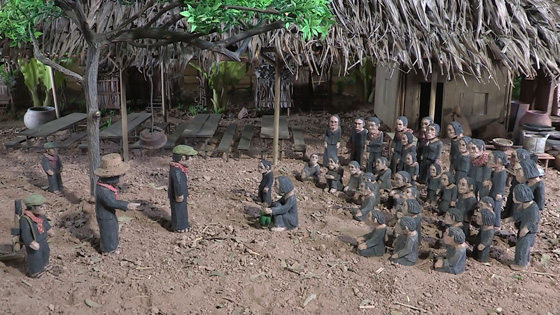 Кадр из мультфильма «Пропавшее изображение»
И наконец, мне кажется, стоило бы поднять проблему нарратива. И в документальном, и в игровом кино обычно всегда есть нарратив — вот Борис не зря начал говорить о том, что сегодня драматургия дока стала идентична драматургии игрового кино. Но иногда документальное кино пытается разрушить нарратив, как происходит, например, в некоторых фильмах студентов Марины Разбежкиной, когда они стараются давать сырую, ничем не обработанную реальность, такое «кино факта». И вот тут происходит инфляция этой самой реальности. Я боюсь, что через некоторое — и очень недолгое — время документальное кино, работающее исключительно с эффектом присутствия, переносящее нас в те места, где мы никогда бы не могли побывать, и дающее возможность встретиться с теми людьми, с которыми мы никогда бы не могли встретиться, просто перестанет действовать. И опять встанет вопрос о нарративе, об истории. Ведь фикшен тоже имеет отношение к реальности, просто это не сырая реальность, а некоторая ее метафора, и художественное кино, способное дать подходящую метафору тех событий, которые происходят с нами, вокруг и внутри нас, — такое кино по-прежнему востребовано и популярно. К примеру, «Груз 200», являющийся, в общем, как бы костюмно-историческим фильмом о стране, которой уже нет, к тому же основанным на произведении американской литературы, написанном вообще в начале 1930-х. И тем не менее мы все отлично считали эту метафору.
Иван Лебедев: Я хотел бы присоединиться к Васе. Можно говорить о двух направлениях, в которых документальное кино влияет на игровое. Это, с одной стороны, язык, безусловно, то есть камера, монтаж, звук. С другой — драматургия, и самое интересное для меня сейчас — это то, как документальная драматургия влияет на игровое кино. Просто классическая драматургия работает сейчас гораздо хуже, чем драматургия, имитирующая документальность. Это довольно сложный вопрос, и мы сейчас то же можем наблюдать в театральной драматургии, допустим, в новой драме — проникновение реальности, в частности вербатима.
Манский: Игровое, не игровое — вообще разницы никакой нет, на мой взгляд. Главное — чувства, которые вызывает или не вызывает картина. Вот Зара Абдуллаева предложила пару лет назад такой термин — «постдок». Собственно говоря, постдок подразумевает и игровое, и документальное, любое кино, базирующееся на реальности, интерпретируемое художником в художественное произведение. А все остальное... Часто вспоминают Флаэрти. Но нужно понимать, что классик документального кино своего «Нанука» снял абсолютно игровым методом. Более того, не просто снял, а переснял, потому что в первой экспедиции пленка была утрачена, он приехал и все переснимал с актером, ну, с живым персонажем, который играл сам себя, и все эти сцены с граммофоном... Игровое кино как документальное. Документальное как игровое. Первично наше восприятие и наше пространство, которое мы сначала должны построить, а потом в нем жить.
Просто фикшен — не сырая реальность, а ее метафора.
Вот возьмем советские пропагандистские «документальные» фильмы — «Навстречу XXIII съезду партии» или «XXIII съезд партии в Кремле». Мы видим картину, которую на сегодняшнем языке правильно назвать игровой, потому что там ни слова правды, все постановочно, ну и так далее. Но мы сегодня ее смотрим и считываем больше, чем подразумевали ее авторы. Это вообще бездарное кино, но оно гениально, потому что в нем есть смыслы и в нем есть интерпретации, которые нам рассказывают об этом времени больше, нежели мог бы тогда сделать какой-то режиссер, автор, желающий вскрыть эту тему. Или когда была псевдопредвыборная кампания Путина, студия «Мастерская» сделала на «России» пару фильмов о нашей прекрасной действительности. Это же потенциальные фильмы ужасов завтрашнего дня! Хотя они абсолютно документальные — там «документальные» коровники, только коровы там как будто и не испражняются, потому что все дерьмо там вынесено до начала съемок. А по коровникам ходят какие-то космонавты в белых халатах и рассказывают нам про страну, в которой мы якобы живем. Но мы-то ничего общего с этой страной не имеем!
Долин: Есть режиссер, который очень интересно исследует как раз эти исчезающие границы и демонстрирует своим примером, как они исчезают, — Сергей Лозница. У него есть фильм «Представление», полностью смонтированый из советских киножурналов, там ничего больше нет, кроме этого монтажа. И он не комментирует никак то, что происходит, он ни с чем это не монтирует, чтобы показать, что это все вранье. Просто сегодняшний глаз и сегодняшний мозг осуществляют эту дифракцию автоматически без специальных подтасовок со стороны автора. И этот фильм, смонтированный сейчас, в путинское время, превосходно и без каких-то специальных средств комментирует сегодняшнюю нашу реальность и ее отражение в теленовостях — сегодняшних киножурналах. Там нет никаких специальных трюков, мы просто смотрим на фрагменты из киножурналов хрущевского времени и все понимаем и про ту жизнь, которая была тогда на самом деле и которой в этих журналах нет, и как реконструировалась настоящая реальность, и про то, как те же самые процессы, хотя с соответствующим апгрейдом, происходят сейчас.
Ратгауз: А нет ли у вас ощущения, что жажда, которую мы испытываем сейчас к документальному, к настоящему, к действительному, к так называемой правде, совершенно неутолима? И никакое документальное кино в его уже экстатическом разливе, которое прорвало видовые плотины и перехлестнуло в игровое, все время никак не может и не сможет эту жажду унять, утолить. Что как бы жадно мы ни гнались за жизнью на экране, нам все мало: для нас она все еще недостаточно правдива. Мы как бы все время пенетрируем реальность, но не можем достичь оргазма, простите мою метафору. У нас всегда остается ощущение недобора, потому что, по большому счету, ведь не удовлетворено другое наше желание, наше ощущение от реальности самих себя. И что речь идет о погоне за тем, чтобы вернуть самим себе ощущение принадлежности к чему-то онтологически прочному, несомненному. Здесь прозвучало много разных версий, но еще не звучало страшное слово «постмодернизм», которое имеет, как мне кажется, непосредственное отношение к тому, о чем мы говорим. Как известно, европейская многовековая культура привела себя к 70-м годам ХХ века в состояние разрухи, и постмодернизм с ней расправился окончательно. Пушкин и Гете перестали нам хоть что-нибудь говорить. Может быть, они говорят кому-то что-то частным порядком, но они ничего не говорят культуре, из них ничего не растет, это мертвая почва. И вот искусство, которое было в конце ХХ века в плохой форме, чтобы регенерироваться, попыталось, как Антей, очень крепко прижаться к земле, источнику своему, к реальности, к тому, из чего оно выросло. К миметической основе. Но проблема заключается в том, что мы прижимаемся как бы радиоактивным телом, потому что тело культуры проникнуто этой усталостью, там есть эта радиация. И эта радиация, мне кажется, очень сильно начинает обратно разрушать действительность. Отсюда интерес к «мокьюментари» и отсюда отказ документального от претензий на достоверность. Банда в Йоханнесбурге готовит реальное убийство, но в кино эта подготовка становится подозрительным балаганом. То есть культура, которая размолола себя, хочет напиться живой воды, но в результате ее заражает. Что, конечно, соответствует общему постиндустриальному положению вещей. Мы знаем, что сама реальность очень сильно разрушена и сама себе не идентична. И что ютьюбовские home video — классический пример того, как действительность себя инсценирует и тем самым девальвирует собственное ощущение от своей реальности. Так что теперь кино, которое реагирует на это наплывом документальной эстетики и пытается утолить эту нашу жажду сделаться реальнее, действительнее, на самом деле продолжает разрушительную, деконструктивную работу. Оно становится одной из машин по истончению и уничтожению действительности.
Студия «Мастерская» сделала пару фильмов о нашей прекрасной действительности. Это же потенциальные фильмы ужасов завтрашнего дня!
Манский: Мне кажется, речь идет не об уничтожении реальности, а об уничтожении нас в этой реальности. Все меняет нас. Природа сделала человека таковым, что он две трети своего жизненного цикла проводит в реальности и одну треть проводит во сне. Сон — это и есть фикшен, это имитация. Сейчас же социум нас изменил, и мы в нашей реальной жизни практически большую ее часть отдали имитации. Жажда восстановить нормальный баланс — она в природе человека. И либо этот баланс рано или поздно будет восстановлен, либо мы просто превратимся в других людей, мы изменим свою природу. Нахождение в реальности усложняет наше существование, но оно делает его реальным, живым.
Корецкий: У меня есть ответ на твой вопрос, Миша. В фильме Антониони «Красная пустыня» Моника Витти произносит очень важные слова, она говорит: «В реальности есть что-то ужасное, но мне не говорят что». Вот это ужасное или — я бы предпочел не такое трагическое слово — тревожное, вызывающее беспокойство, — верный критерий реальности, то, что отличает ее от симулякра, который, конечно, стерилен и комфортен. Именно этот дискомфорт, смутная экзистенциальная тревога и есть то, чего мы ждем от документального кино, именно эти ощущения мы бессознательно воспринимаем как критерий достоверности. Зачем это нам — отдельный разговор, психоаналитик, наверное, сказал бы, что, определив источник этой тревоги, мы избавились бы от нее. Так вот, парадоксальная особенность этого тревожного элемента в том, что его невозможно пересказать и невозможно представить в виде образа. Для него попросту нет слов, он ускользает от нашей синтаксической системы, он разрушителен для нее и потому исключен из нее — так же как разрушительно документальное кино для синтаксиса российского телевидения. Но и образа у него тоже нет — любой образ, в котором мы пробуем собрать эту тревогу, немедленно преобразует ее в страх. А фильм, указывающий на то, чего стоит бояться, — это чистая пропаганда, а не документалистика. Единственное, что можно тут сделать, — это воссоздать это ужасное художественными средствами, критически. Таким образом фикшен, я думаю, в итоге одержит победу над реальностью.