
Translated material
The cross -cultural dialogue of the ancient Greeks and the Egyptians in Navrais was studied in the British Museum
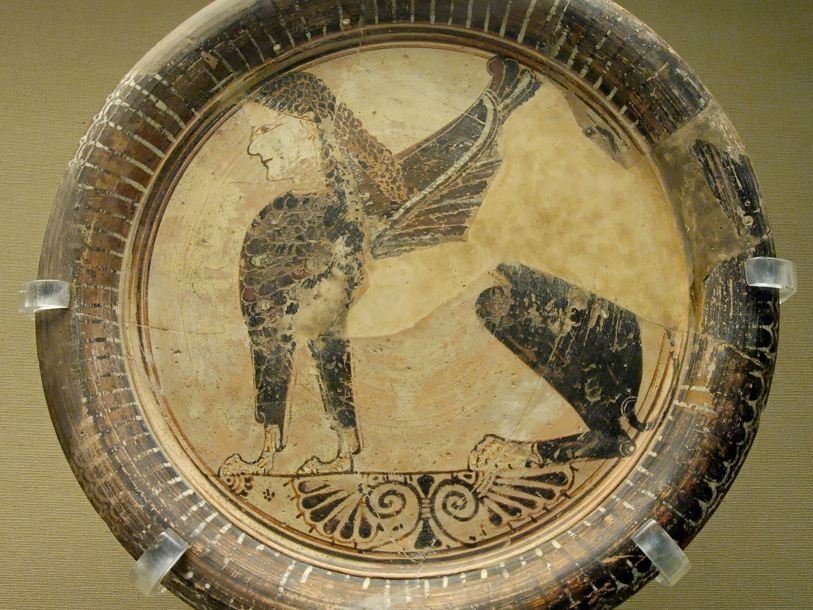
The city of Navlas, founded by the Greeks in the Nile delta near the royal city of Sais at the end of the VII century. BC, is the earliest settlement of the Greeks in Egypt. Herodotus in the 5th century BC He visited and described the city in the second book of his history. About one and a half thousand years, Navratis was the center of trade and intercultural dialogue between the Egyptians and the Mediterranean peoples. While at the intersection of civilizations, the settlement represents for archaeologists a rich source of Greek, Cyprus, Etruscan, Persian, Anatolian, North -African, Ptolemaic, Roman, Byzantine and Coptic material.
Since the archaeologist Flinders Pitri opened Navkratis in 1884, most of the finds remains unexplored and unpublished. The largest collection of items from the excavations of Pitri and Gardner is located in the British Museum. Within the framework of the project “Navkratis: Greeks in Egypt”, scientists will collect 15,000 archaeological exhibits located in 60 museums in the world in a single online catalog .
The main task of the project is to study how the Greeks, the Egyptians and other peoples lived together, traded and interacted in Navrois, and also what influence the cultural exchange for the development of Greek and Egyptian civilizations had had. Among the issues that researchers raise: who and why founded Greek Navkratis? How significant was the Egyptian presence among citizens and administration? What role did the material culture play in the interaction of the Greeks and the local population? How has it developed for all centuries?
Work on the Navkratis: Greeks in Egypt began in 2003 with the study of the Greek ceramics of Navrais from the collections of the British and Eshmolovsky museums. To date, scientists have also cataloged Egyptian ceramics, Greek figurines, inscriptions and amphoras. In 2011-2012, exhibits from museums around the world were included in the database. At the same time, archives, notebooks and diaries of archaeological excavations of Hogg, Gardner and Petri at the end of the 19th - early XX centuries were studied and published .
Archaeologists of the British Museum also spent two seasons of new excavations in Navkratis, the results of which are published on the site. In June 2013, the project curators Marianna Bergeron and Aurelia Masson-Berghoff organized a conference dedicated to cults, sanctuaries and sacrifices in Navstis with the participation of 60 Egyptologists and archaeologists. The themes of the reports were included by Egyptian and Greek ritual poults, the royal cults of the Ptolemes, the vast terracotta figurines and dishes, the intelligent inscriptions, the Egyptian religious processions and the temple architecture.