
Translated material
Rutin torture
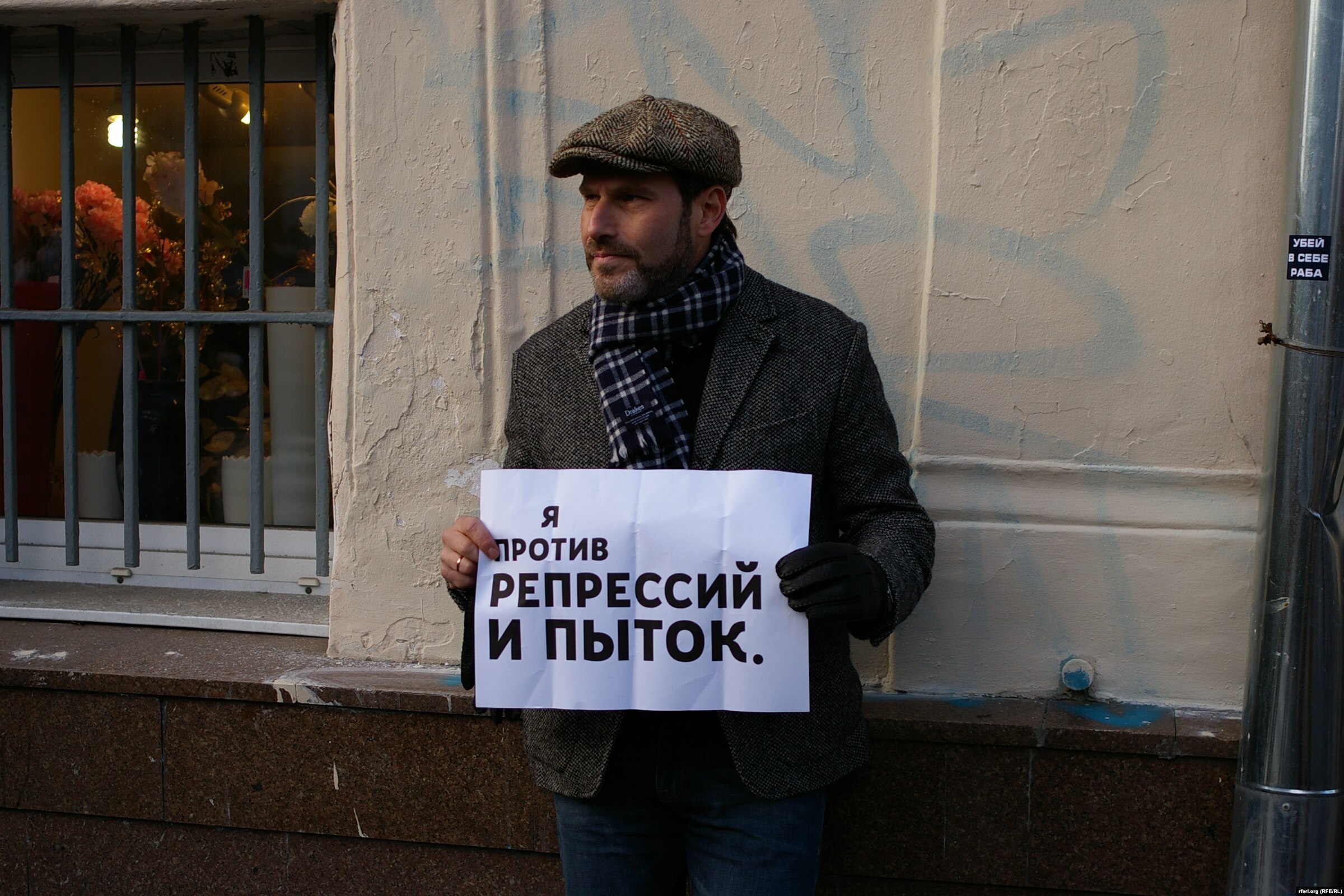
The presentation of the international report on the use of torture in Russia is organized as part of the Non/Fiction Fair in Moscow
The French Association of Christians for the abolition of torture in cooperation with Russian human rights organizations - the "Committee against torture" and the Public Verdict Foundation - prepared the report "Torture in different persons". His presentation was organized in Moscow on November 29 as part of the International Book Fair of Intellectual Literature Non/Fiction.The coordinator of the “Understanding violence” project in Russia French Ann Le Huérou is one of those who will present a report, she tells that she was most amazed in prison stories from Russia and what similar tortures in Russia and Mexico are similar.
Among the members of the Council of Europe, Russia is a country that is most often punished by the European Court of Human Rights for Violation of 3 Articles of the Convention against Torture- This study is part of the program that received the support of the European Union in different countries. Studies were conducted in five countries: Sri Lanka, Mexico, Guinea, Tunisia and the Russian Federation. And the purpose of the project is to increase the protection of the victims of torture. Having familiarized yourself with the practice of torture, you can improve awareness about this problem, control the situation and prevent new cases of torture and cruelty. Why exactly Russia? Firstly, among the members of the Council of Europe, Russia is a country that is most often punished by the European Court of Human Rights for violation of the 3rd article of the Convention against torture. Appeals from Russia to the ECHR very often relate to precisely cases of the use of torture. Plus, of course, you yourself know that a very wide public outcry in Russia itself receive cases of torture, especially in the police and in the penitentiary system.
- And what conclusions did you come to your study?
- General and main conclusions, which, unfortunately, today in Russia the practice of torture is familiar, is like a routine phenomenon, and moreover, we understand that it has a systemic nature. This does not mean, of course, that torture and poor appeal are practiced everywhere and everywhere, but still it is a part of the system, the purpose of which is, for example, to obtain confessions that allow you to quickly finish the investigation of the case and achieve either good statistical indicators, or simply bring the case to court. Therefore, torture is part of the chain of the criminal and judicial system.
- The report is called "torture in different faces." Does this mean that it presents the stories of specific people?
- Yes, sure. We conducted research since the fall of 2011 for several weeks in different regions and cities and regions of Russia, including Chechnya. We talked with victims of torture, with their families, with their defenders, lawyers, with human rights organizations who are engaged in this problem daily. We also managed to talk with representatives of state or close to them, such as the Ombudsman, for example, in Yekaterinburg. And even with the help of members of the Public Supervisory Commission, they visited some places of imprisonment, where we were able to talk with representatives of law enforcement or a penitentiary system.
- And what are your impressions?
- Different. When we speak with representatives of these structures, we do not see torture, of course, because all this is done outside the official framework. This happens, for example, inside the police department, at night, and this will not necessarily be in the presence of the authorities. Although in some cases, which we describe in detail in the report, it is clear that officers and heads of units were present or at least in the course.
- What specific stories were most amazed at you?
-Probably, this is one story that we describe in the Republic of Mari El, in Yoshkar-Ola. The young man, in respect of whom they were absolutely illegally opened for the murder of his bride, achieved many years of punishment of those police officers who fabricated this case against him. But how much suffering this person suffered! The bride was killed from him, and he also suffered from the fact that he was absolutely unreasonably accused of murder. It is still very important for me to convey that not all victims of torture are innocent, but the fact that they committed an offense should absolutely not mean that
Mexico and Russia have common - this is torture as part of the system of obtaining confessions and a system where corruption occupies a large placeThey deserve poor treatment or torture. In such cases, we see how the society itself believes that the use of guilty abuse is a normal phenomenon. And such also stories, especially the cases that were in Nizhny Novgorod, I was personally very touched.
-The report was created as part of a general study of torture in Sri Lanka, Mexico, Guinea, Tunisia. What place does Russia occupy among these countries?
- If we take, for example, Mexico, there are general phenomena - torture as part of the system of obtaining confession and system where corruption occupies a large place. I can give another positive example from the publication of this report. For example, in the case of Tunisia, after the publication of the authorities, investigations of torture cases that were mentioned in the report began, and they developed a national mechanism for preventing torture. It was part of the recommendations of the report. I am not saying that this is only because the report was published, but this is a positive consequence, it seems to me. As for Mexico, the UN Committee against torture after the report drew attention to what was happening in this country. Mexico City officially promised that the authorities would change the legislation in this area. Especially with regard to illegal detention, which was described in our report.
- Are you waiting for the same result from Russia?
- Of course, we always expect a result, otherwise we would not have made such reports. We really hope to be heard. We know that more than once our partners drew the attention of power structures to these issues, and the authorities themselves sometimes recognize these facts. The most important thing is so structurally changing the system so that torture is impossible.