
Translated material
What they see the blind
Exhibition "Out of vision" at the Vinzavod
At the Vincuration in the Red Winzavod, the exhibition "Outside of vision" was opened. For the first time, a collection of contemporary art belonging to the Benedictine Abbey Admont was brought to Russia from Austria. This unusual exposition is focused on blind and visually impaired people
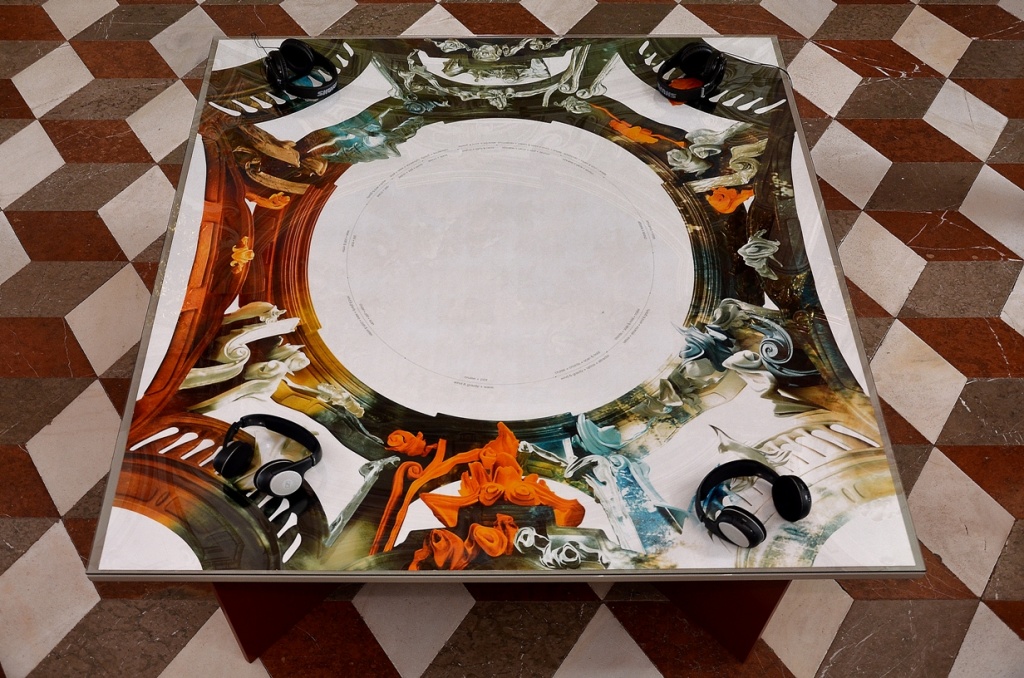
Konstanta Rum in collaboration with Fared Armali and Otto Krenzler, Blindstorey, 2003
The Admont Abbey, known as the largest pilgrimage center in Austria, is famous for its collection of works of art. The project “outside the field of vision” was born here eleven years ago. A large group of artists ordered work, which had to have one thing in common: invisible, or not only visual, perception of art. A difficult task that makes an exhibition of fine art interesting not only for blind, but also for sighted people. Moreover, the latter get the opportunity to feel and understand the existence of other possibilities of perception. “We tried to make the impossible - so that the sighted would see what they feel blind,” says Simon Mraz, the director of the Austrian Cultural Forum in Moscow, one of the authors of the idea of holding an unusual exhibition in Russia. He is pleased, among other things, that thanks to cooperation with the Moscow Special School No. 1, 400 blind and visually impaired children will visit the exhibition.
How unique are the objects presented in the exposition, the author was convinced personally. There are not so many installations, but everyone is interesting in their own way and everyone is interactive. Usually, the museum and exhibits hang signs “do not touch” with your hands, here, on the contrary, you need to actively touch everything, try and experience in order to feel a response. For example, by clicking on the buttons of the art object in the form of a suitcase or leaning against a black frame, you turn on the music. You can feel how Catholics pray - kneel down and lower the elbows into special stands. It is completely incomprehensible how technically this happens, but you seem to hear a story in Russian with your hands about the vein of silence.
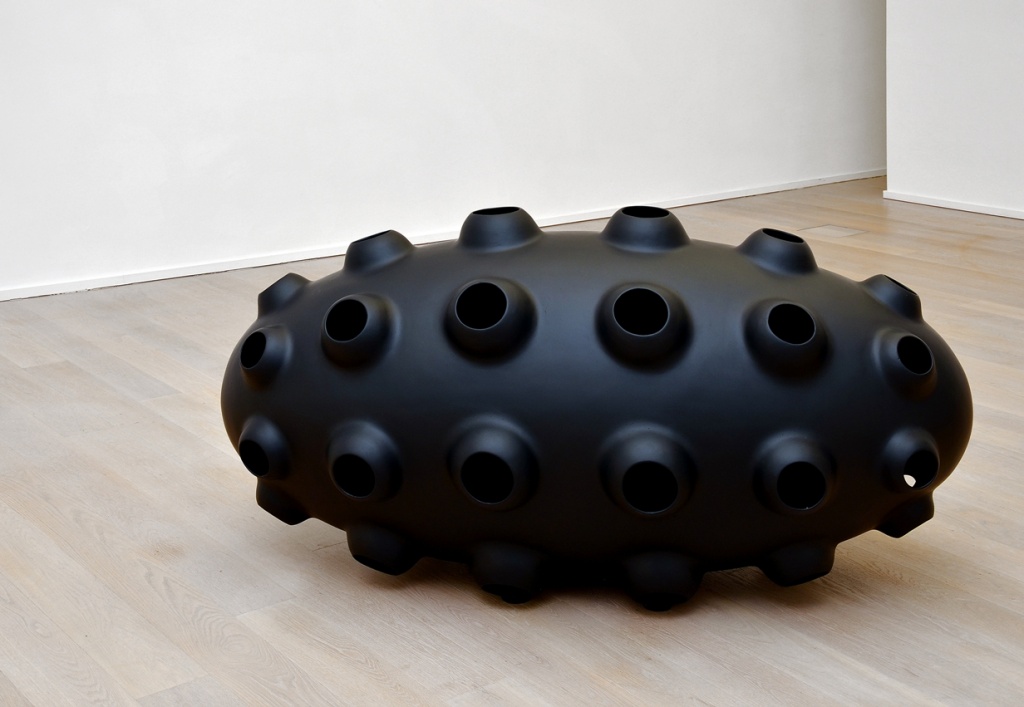
Julie Hayword, Phobic, 2012
The pimpled monster inside is sensitively reacting to touch, touching it, you feel how it begins to tremble. The usual metal spiral in the center of the hall at first does not cause interest, but it has a pedal, if you press it - caustic smoke begins to swirl, a blind man has an olfactory image of this figure. Basketball balls cut out in shape, which can be tried on the head, or turned into a rather comfortable bag. Cast iron sculptures first seem chaotic figures, but it turns out that they contain, for example, a knight or a spear helmet, which can be “seen” by touch. Such sculptures develop associative thinking. With the help of sticks that hang on the wall, you can feel the shape of an object or try yourself as a drummer. The project manager Father Vinfrid Schwab said that one boy with the help of a stick arranged a 30-minute concert in the abbey.
Father Schwab, a historian by education, took up the collection of collections with a colleague-art, also living in the monastery: “My contribution to the museum is spiritual, and he participates as a professional museum. The Department of Contemporary Art was created in 1997, and the collection for this exhibition began to be collected in 2002. Blind for me are people who have other ways to perceive art, and more developed than that of the sighted. ”
What is very important: all exhibits of the exhibition are permeated by the spirit of the integration of the world of the blind and the world of sighted. Any ordinary person who has come here can feel and feel the world in which people who are deprived of vision live. The blind replenish their world with sensual artistic images.
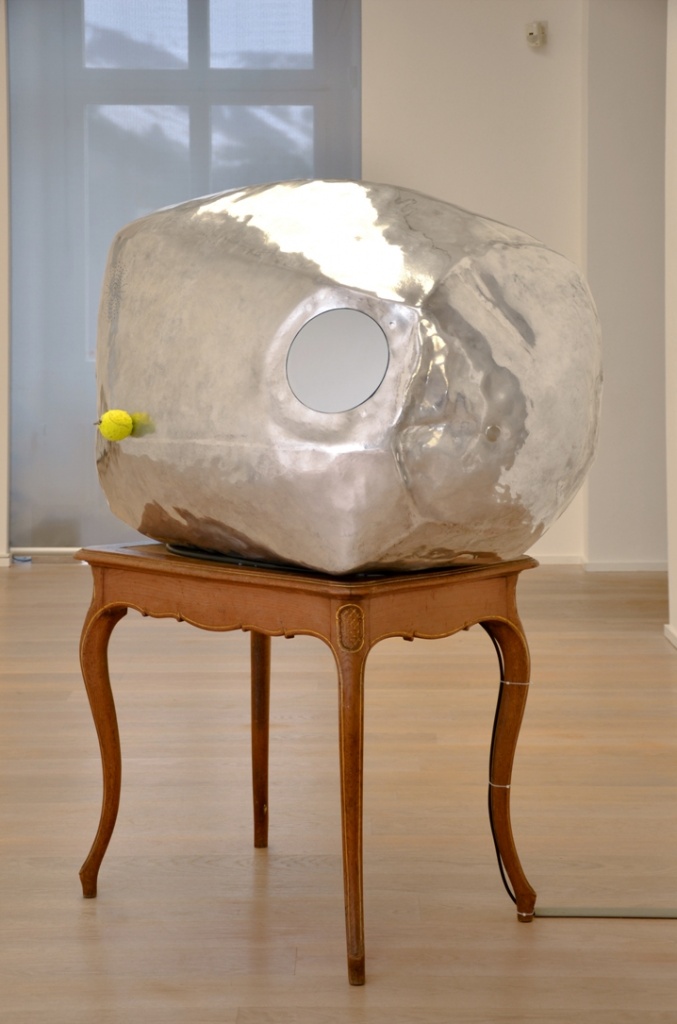
Werner Reuters, without name, 2002/2003
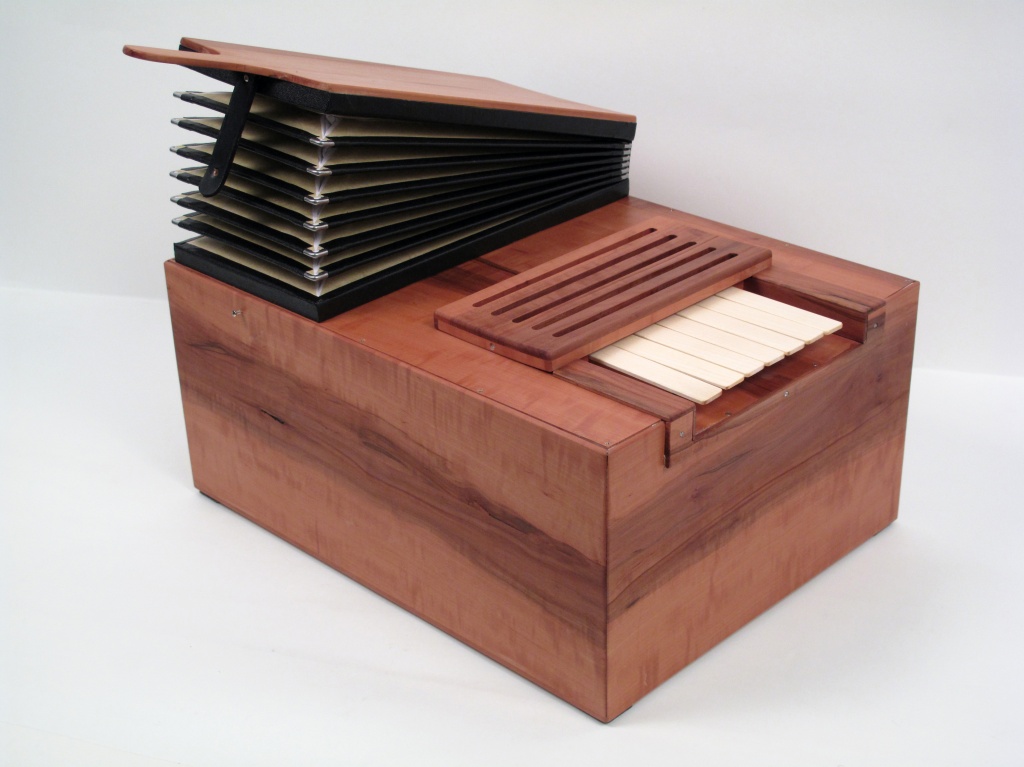
Norbert Trummer, Bluesbox, 2012
Photos: Press Service of the TsSI "Vinzavod"