
Translated material
Memory of the wine merchant
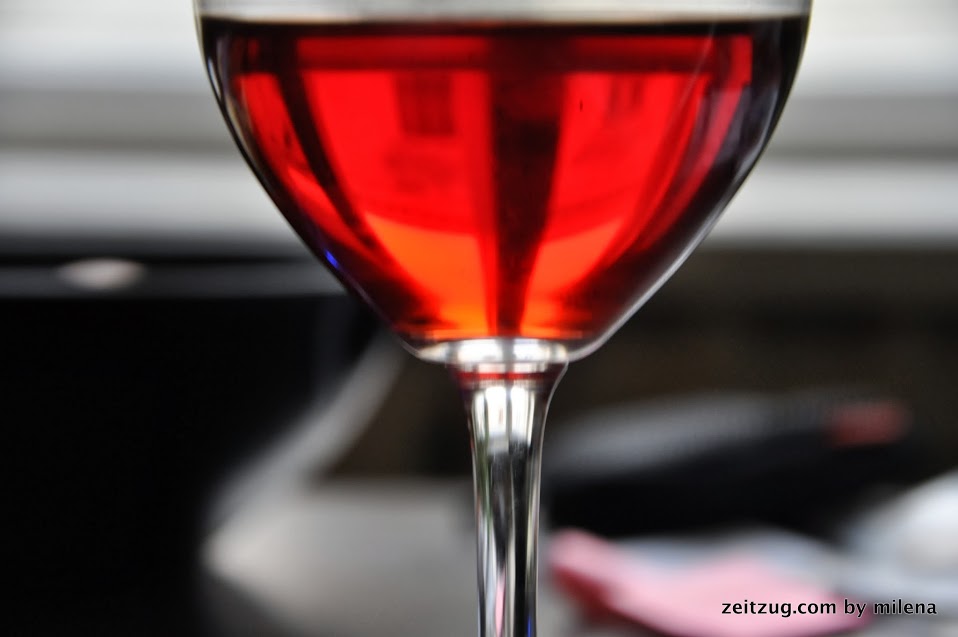
With Fred and Publito, I became friends in the mid -eighties in London. Fred was then a very young man. He has just graduated from the Spanish department at the University of Bristol. He was not interested in his career. He was expecting an inheritance from old parents, who were in no hurry to radically correct his financial situation. However, Fred did not lose hope and worked on the hunt on Saturdays and Sundays in the wine shop of the Spanish family, the head of which escaped from Franco after the defeat of the Republicans in 1939.
But I want to write a few lines about Pablito, as they say, off the record (between us). We were with him people of the same soil: wine. But it was to him that I owe the science of Spanish wines, to whom I treated Pablito with a wary. On the first day of our acquaintance in the shop, when I looked out of curiosity by handicraft stickers on bottles of hopelessly provincial Spanish wines, Pablito invited me to try the glass of Riohi. I replied that I had come for the Codorniu Catalan sparkle and quoted D. G. Lawrence (“God you are my, Spanish wine, and rubbish! Cat pussy in comparison with him is champagne. Yes, this is just a putty urine of the old nag”). But out of decency sipped (“Federico Paternina”, 1983, light oak aroma). At that very moment I felt ashamed of myself and D. G. Lawrence. This first glass of Rioja brought me closer to Publito for several years. By the way, then, in the first acquaintance, Pablito elegantly answered me with a quote for a quote:
“You know, the Englishman Hugh Johnson has such an observation.” Like, the air of England is recreated by watercolors, the air of the north of France - pointerists and spots of impressionists, but Spain is scarlet, gold, black - and all this in Spanish wine.
From Pablito, I first heard that the wine meets the soul in my mouth and that it could be a love date. After closing the bench, we uncorked bottles together, sniffed traffic jams, delicately wiped the neck, with a candle displayed the sediment in the goiter. After that they competed in the listing of aromas:
- Black currant.
- Strawberries.
- Parm violet.
- Rubber.
- mustard.
- Raws.
- Pepper.
- Wool.
Publito also opened my alphabet with a sherry alphabet, taught me to determine what the grapes were fertilized, from which they made a simple-income-salt Fino and gloomy golden Oloroso: a first-class horse dung or pig shit. And his story about how thousands of white pigeons soar into the sky of Spain at the time when the first drops of the future sherry drip from the press, remained in my memory, as the best verses of the Andalusian Garcia Lorca.
In the early nineties, we parted: Fred became the Madrid correspondent 'Reuters' (his father is now under ninety, he is in good health and clear memory), I left for the Munich edition of Freedom, but Publito ... No, he did not leave, but something happened to him. He made a sharp roll towards Brandy. He documented that his palate was covered with almost soot. The brothers pushed him from the “big” business, and he stood at the counter for eight hours. The wife left, taking two black -eyed angels. He suffered from emphysema, hopelessness, loneliness. Probably, at the commemoration of Pablito they only spoke good, they spoke sincerely, with tears in their voice. That day I bought a bottle of Riohi (“Federico Paternina”, Vino Tinto Reserva, 2001) and remembered Publito. For several years now I have not been drinking my favorite strong drinks: the elegant 'Mascaro', the classic 'Grappa del Petrarca', the fatal 'Marc de Champagne'. So I extend my wine age. So far, it turns out.