
Translated material
Handicrafts | Colta.ru
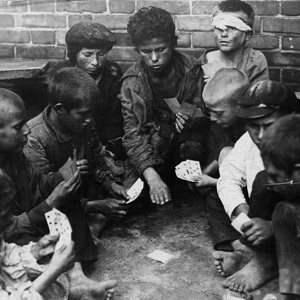
The former Museum of the Revolution reveals its photo funds to show the readers of Colta.ru portraits of children, to whose share two wars, hunger and poverty fell.
The collection of photographs of the Gzmsir is formed from the 20s. The last century has at least 180 thousand pictures and 160 thousand negatives. Despite the fact that the museum, previously known as the Museum of the Revolution, was assigned to the thematic documents a special role, a unique set of photographs of everyday life and the daily life of all segments of the population of Russia has accumulated for almost a century.
The street children of the 1920s are children of the First World War, revolution, terror and hunger. The strongest children of their time. According to various sources, at the beginning of the 1920s in Russia there were from 4 to 7 million children deprived of home and parents. The young Soviet state declared the struggle with the homelessness of the political task, and in 1935 it was officially announced the complete elimination of homelessness and neglect. Maybe that's why, maybe, for ideological reasons, but the museum photo archive on this topic is very small and ends in the year 1930. The fund has no more than two hundred photos, and the more expensive this collection for descendants. With the help of the employees of the GCCMSIR, we selected pictures for readers of COLTA.RU, best illustrating the lives of homeless children, their dwellings and classes, the first steps to perhaps a slightly better life in the shelters.
You can learn more about the collections of the Museum of Modern History of Russia here .
Prepared by Julia Ryzhenko