
Translated material
Magate experts arrived to examine the Iranian reactor in Arak
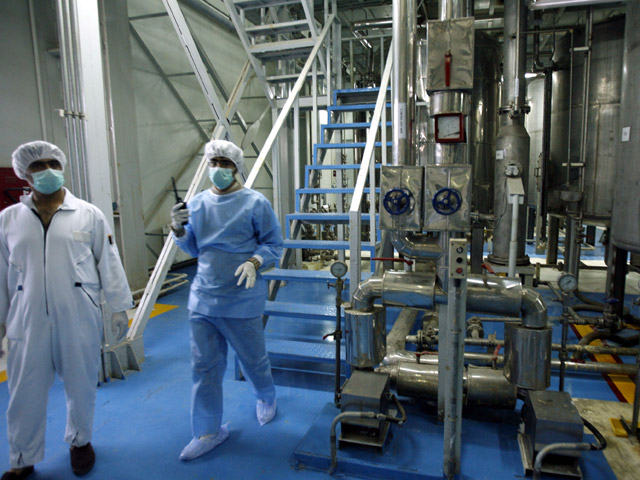
Magate inspectors on Sunday morning arrived at the Iranian heavy -water reactor in Arak, Iranian media reported. This object was one of the main reasons for the western concern, since it can potentially be used to produce weapons of plutonium.
As reported, in accordance with the achieved agreements between Iran and IAEA Tehran , it agreed to voluntarily allow the agency’s inspectors to the reactor under construction in Arak and the uranium mine in Gachin.
"The visit of the IAEA inspectors to the object in Arak confirms Iran’s good will and his desire to dispel doubts about a peaceful nature in his nuclear program," the Iranian atomic energy organization quoted at Interfax .
The provision of access of international specialists for this facility is spelled out in the framework agreement of the Iran with Iran, concluded in early November. Later, on November 24, in Geneva Iran and the “six” international intermediaries, after long negotiations, came to an agreement and approved a plan of action aimed at removing tension around Tehran’s nuclear program.
According to Geneva agreements, Iran, among other things, for six months suspend work on the construction of a nuclear reactor on heavy water in Arak, for which heavy water is produced. Experts fear that as a result of the development of nuclear fuel, plutonium is made on such reactors, which Iran can use to create nuclear weapons.
An interim document agreed upon in Geneva provides for a reduction in the Iranian nuclear program in exchange for significant facilitating the regime of international sanctions. Iran promised not to enrich Uranus above the level of 5%, and also pledged to “blur” all Uranus enriched to 20%within six months (about 200 kg, according to US Secretary of State John Kerry) to a mark below 5%. In addition, for the next six months, Iran should stop the construction of a reactor on heavy water in Arak.