
Translated material
Until the night is separated
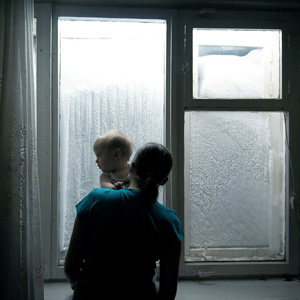
Norilsk, in which more than 170,000 people live, is one of the world's largest cities located behind the Arctic Circle. The city, lost in the tundra, is thousands of kilometers remote from other large settlements of Russia, with which it does not have a ground message. You can only get to Norilsk by plane, and in the summer months, when river navigation in the Yenisei is open, on the ship. The world outside the city Norilchan is called the "mainland."
The city, its mines and metallurgical plants were built by the prisoners of the Gulag. Modern Norilsk residents are descendants of former prisoners, workers who arrived in the city in the 70s in Komsomol vouchers, and their children. Recently, in Norilsk, where, according to official figures, unemployment is only 1%, migrants from the former union republics and regions of Russia began to arrive. The central enterprise of the city is the Norilsk Nickel Mining and Metallurgical Plant, whose share in the GDP of the Russian Federation is 1.9%. About 60% of citizens are working on it and its subsidiaries.
Norilsk - the most environmentally unfavorable city of Russia - occupies seventh place in the list of the most polluted cities of the planet. According to independent data, oncological diseases develop in residents of Norilsk 2 times more often than on average in Russia, and the average life expectancy of a person is 10 years less than in other regions of the country.
For 68 days a year, Norilsk plunges into the darkness of the polar night. The life of Norilsk people is an everyday adaptation to the extreme climate of the Far North, a dangerous environmental situation, isolation and darkness.