
Translated material
ECB: The number of fake euros identified in 2013 increased by a quarter
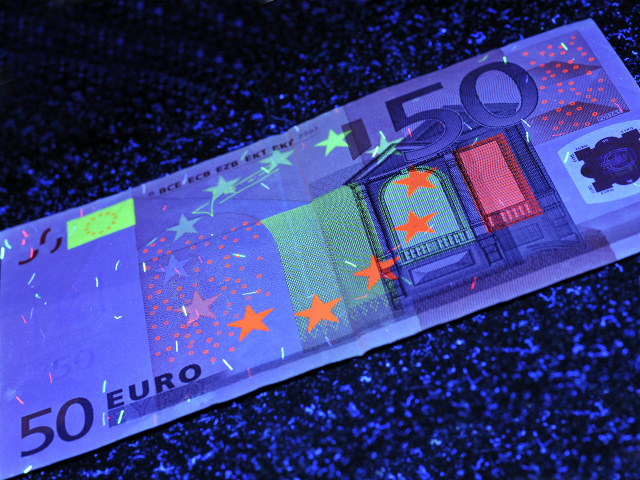
The European Central Bank (ECB) said that the number of false banknotes withdrawn from circulation in the second half of 2013 has reached the maximum value over the past three years - about 353 thousand units, Vedomosti reports with reference to The Wall Street Journal (WSJ). Compared to 2012, the indicator grew by 26%.
The vast majority of fakes (98%) was identified in the countries of the unified European currency zones, 1.5% were found in other European Union states and 0.5% in third countries.
At the same time, about 15 billion of genuine banknotes of the euro in July-December 2013 were in July-December 2013, the regulator notes.
Most often, counterfeiters fake bills with a face value of 20 euros and 50 euros, they account for 78% of the revealed fakes. Less often, as evidenced by the data of the ECB, banknotes of 5 euros (0.4%) and 500 euros (1%) were faked.
The ECB message coincided with the release of an updated banknote with a face value of 10 euros. This is the second type of banknotes of the new Europa series, which the ECB releases to reduce the number of false money. A year ago, the ECB presented a new bill with a dignity of 5 euros, in May last year it was put into circulation. The ECB promises to announce the timing of the presentation of new bills of a higher denomination - 20, 50, 100 and 500 euros.
The euro was represented by the global financial markets as a settlement currency on January 1, 1999, and on January 1, 2002, banknotes and coins were submitted. Currently, the euro is an official payment tool for 18 European countries, in which 334 million people live. From January 1 of this year, Latvia entered the Eurozone.