
Translated material
Salinger, character of Salinger
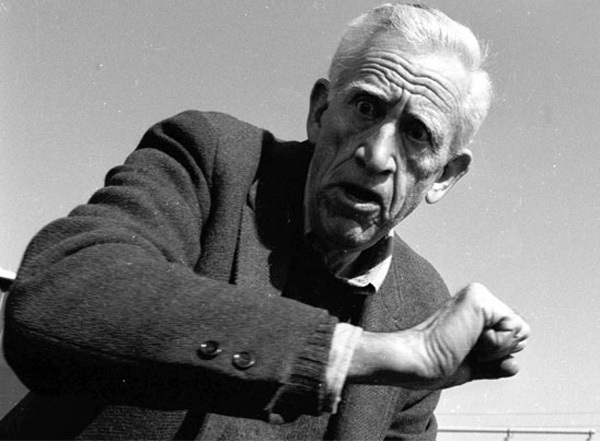
Salinger as a relic
Already a lot of young listeners of the faculty of English literature know where I live, or rather, hiding (traces of their tires on my flower beds with roses - this proof).
J.D. Salinger died at the 92nd year of his life in his house on January 27, 2010. Death came from natural causes. And already in August of the same year, it was possible to read the following news on the Internet: “It seems that the new owner of the compound, located in the root, the New Hampshire, and the recipient writer Jay di Salinger previously belonged to the deceased, put up some household items for sale ... The toilet from the Salinger’s house appeared on e Bay . It is estimated at 1 million, although other sentences are accepted ... Five has already been made ... This toilet Salinger personally used many years ... Who knows how many stories were conceived and written while Salinger was sitting ... "
The toilet was, of course, bought. Although it is not known at what price. In this story, which could well have dreamed of the late writer in a terrible nightmare, there is nothing surprising. Many people perceived Salinger not just as a very good writer, not just as the last deceased American classic, but as an object of a cult. And every cult requires icons, relics and other sacred objects. However, almost all his life, Salinger, one might say, was only engaged in that he limited the public access to relics. As a result, the price of each affordable relic increased incredibly. Any deficit creates increased demand. Surely the Salinger estate and his house before the sale were carefully cleaned of all visible traces of the former owner. But the toilet remained to stand. And he was sold.
The New Hampshire Legislative Assembly of the state, which has before last, adopted the so-called Salinger Law. This law intended to limit the right to commercial use of a person’s personality. All these rights were transferred to the heirs. In practice, this, for example, meant that no one could use a photograph of a deceased face for commercial purposes without the permission of the heirs. At the last moment, the state governor imposed a veto law, and he did not enter into force.
The law was called the "Salinger Law", because in fact it was adopted to protect the posthumous rights of the only person, the late writer J.D. Salinger. His son, film producer and actor Matthew Salinger, spent two years of his life to convince New Hampshire legislators of his necessity. And he almost succeeded, but the governor's veto upset everything.
At a press conference on this event, the completely killed Matthew showed a widespread T-shirt with the last lifetime photograph of the writer and told how it was made:
“The photographer literally jumped out of the bushes ... and photographed his father at the moment when he recoiled from him. In the photo, my father looks simultaneously frightened, angry and hunted. But in itself, this terrible photograph seemed insufficient for a man who made a tieshot ... He took and painted his eyes red, and his face in yellow, so that he looked even more ugly and wildly. "

T-shirt is still sold. You can buy via the Internet.
It would seem, why spend so much effort because of some idiotic T-shirts. For example, literally a different, no less well -known, literary hermit lived for almost twenty years, literally half an hour from Salinger. And T -shirts with his portraits are also easily accessible. However, in Vermont, no one requires the adoption of such laws. It would be much more reasonable to break through the law by which could be prosecuted by photographers, jumping out of the bushes on the elderly and frightening them to half death.

However, another statement by Matthew Salinger is of much greater interest. With one short sentence, the writer’s son explained the manic hatred of his father to all publicity. And this explanation was a purely literary property. “If the reader has a certain image of the author in his head, it changes a lot,” said Matthew Salinger, probably repeating his father's favorite thought.
Salinger suffered from many obsessive fears. But, it seems, throughout his life he was most afraid to turn into someone's character. To become a character in secular chronicle, literary party, journal and gas gossip was completely unbearable for him. And all this is much more serious than the normal desire for privacy, fear of someone else's opinion or fear of extraneous intervention. The fact is that Salinger was a literary character for himself.
Salinger and literary process
T oo, please do not plug my mouth!
 © Orchises Press
J.D. Salinger is not the only famous writer who avoided all publicity. But in contrast, for example, Pincon and Pelevin Salinger immediately refused to publish his books. Publishers who once entered into a contract with him are entitled to reprint his old works. 250,000 copies “over the abyss in rye” are still sold every year. However, not a single book in electronic form is officially sold. And his last work published in the journal, “The 16th Day of Happvort, 1924”, was never printed in the form of a separate book. The history of the failure of this book sheds some light on the literary recluse of Salinger.
The story “The 16th Day of Happvort, 1924” occupied almost the entire issue of New Yorker magazine of June 19, 1965. Despite the fact that this, to put it mildly, caused a strange work in most reading public and squeamish-lubricious reaction of regular critics of the largest publications, this “New Yorker” number quickly became a bibliographic rarity. In the best samizdat traditions, he was reprinted on cars and was resetting to microfilms. This was the last lifetime publication of the writer. Since then, Salinger has stopped all contacts with the publishers and fell silent forever. The story never came out with a separate book.
In 1988, Roger Lesbury, Director of the Tiny Publishing House of Orchises Press , which specializes mainly at the reprint of the classics, wrote a letter to Salinger, in which he suggested that he publish Happvort with a separate book. Salinger has been living a hermit in the village of Kornish, New Hampshire for several decades. Nobody knew his exact address but a few people close to him. The letter was sent simply to Kornish, Salinger, almost “to the village of Grandpa” (Salinger was then 69 years old). Lesbury did not particularly count on the answer, but two weeks later he received a short note signed by the initials of J. D. S. Salinger thanked and promised to think.
Eight years have passed. Lesbury, who has already forgotten to think about this story, received a letter from a literary agency, representing the interests of Salinger. The letter began as follows: “Before you get acquainted with the content of this letter, it may make sense to sit down ...” Lesbury notified that Salinger agreed to be published.
After some time, Lesbury received a letter from Salinger. In a cute, laid -back manner, he retold to him the content of his story, as if it were not known to anyone, and added: “I don’t even know how I managed to finish it. I think this is the best that I have ever written. ” Salinger proposed discussing details for lunch. He wrote that next week it would be in Washington, in the vicinity of which the publishing house was located.
They met in a cafe. The 77-year-old writer was cheerful, cheerful and charming. Lesbury agreed without sound to all his requirements, although some of them were somewhat strange: bookstores will sell a book at the price of the publisher, that is, they will not earn a dime on it; The book will be released without the name and name of the author on the cover; The surname of the author will be written only on the spine and diagonally. The layout of the book, approved by Salinger, looked quite ugly, but for Lesbury all this was unimportant. He became the publisher of Salinger!
Preparations for the publication of the book took more than six months. All this time there was a lively correspondence between the author and the publisher. The release date of the book was approaching. And then irreparable happened. Lesbury applied to the Congress library for receiving a special issue for the book. This number is printed on a book with a copy. Such numbers receive all books before publication. Since daily the Congress library assigns a hundred such numbers, Lesbury was sure that no one would pay attention to his application. But he was wrong.
The article on the release of the book was printed in Washington Post. The next day, Lesbury’s phone was torn from the calls of journalists who want to interview him. He had no choice but to confirm the fact of a future publication. And a few days later, the New York Times was a review of the story written by the most authoritative literary observer of the country Mitiko Kakutani. Kakutani wrote a review of a book that had not yet been released, using the New Yorker text for almost a quarter-century ago. She ended her with these words: “An infinitely entertaining author“ over the abyss in rye ”, a writer who conquered the hearts of several generations of readers with his subtle understanding, sensitive hearing, perfect knowledge of the psychology of a teenager and, with his charm, made a sour, implausible and, no matter how sad, absolutely unusual history.”
After the article was released, Salinger stopped all contacts with Lesbury. He did not answer any of his many letters. Happvort never published a separate book.
The story “The 16th Day of Happvort, 1924” is a letter written by seven Seymour Glass to his parents from the summer children's camp. The letter takes about sixty pages. A rather large part of this letter is a list of literature that Seymour asks to send him to his five -year -old Baddy's brother:
“Any ugly - and narrow -minded - books about God and in general about religion, written by the authors whose names begin with any letter after“ and ”; Just in case, those that on “and”, too, although they, it seems, have already crossed everything. Once again - the complete works of Count Leo Tolstoy ... Any remarkable, good, just interesting or even regrettable poems, if only not too familiar and obsessed in his teeth, and what nationality the poet is indifferent ... Charles Dickens, a blessed full collection can be blessed, or in any other touching form. My God, I welcome you, Charles Dickens! .. The Chinese “Materia Medica” , the author is Porter Smith ... “Raja Yoga” and “Bhakti Yoga”, two tiny touching volumes ... ”And so on about ten pages.
One must be a very naive or very malicious person in order to treat this thing as an artistic work and evaluate it according to the laws of fascination or even more likely. Happvort, of course, is a sacred text and cannot be judged by the laws of literary genres.
As the world reacted to this text, Salinger knew well since the 65th year. It is unlikely that he had any reason to assume that in twenty and a few years the situation has changed a lot. Most likely, trying to publish a work already known to the world, he wanted to find out whether the reaction of peace for him as an author is also important. How much this reaction outweighed for him the desire to convey its texts to those few who would understand. That is, he felt the possibility of new publications. Apparently, the result of the experiment was unambiguously negative for him.
After this incident, he fell silent completely. He could not be a writer. Could not be part of the literary process. Publishing his works, he inevitably became an object of critical assessments. And they touched him so much that it became impossible to continue writing. With a high probability, we can say that Mitiko Kakutani and her many colleagues forced Salinger to shut up.
Salinger as an evangelist
When was this literary work your profession? It has always been your religion. Always.
Seymour Glass was born in 1948. The story “Bananka fish is well caught,” at the end of which the main character knocked out his brains from a pistol, was published in the New Yorker issue of January 31 and brought fame to the young author. Before the exit “Over the abyss ...” there were three years.
The birth of his daughter Margaret Salinger gave his wife two stories: Franny and Zui. In addition to them, between the 1955th and 1959s, he published two more novels in the New Yorker magazine, “above the rafters, carpenters” and “Seymour. Introduction ". In 1965, Happvort was published. All these texts talk about the brilliant Glass family. The eldest among seven children of vaudeville actors, Seymour, until he committed suicide, was for the rest a kind of living god. The next in seniority, the writer Buddy, plays the role of the evangelist. The rest of the brothers and sisters are the apostles.
It is very difficult to believe in the possibility of the existence of such a family as the vowels. In Seymour, it is almost impossible. But there is no need to make efforts to believe in Baddy Glass. Salinger does not hide that he himself is. That between the author, the narrator and the character you can safely set the equal sign.
Between 1955 and 1959, something happened to this narrator. “Seymour. Introduction ”is sharply different from the“ above the rafters ... ”. In place of brevity, even dryness comes verbose ornation. The exact, laconic prose is replacing a sentence that seemed to catch themselves by the tail. Instead of almost angry drama-some suspicious relaxation.
“Seymour. Introduction ”(the name can be translated both as“ beginning ”and“ performance ”and as“ acquaintance ”) - this is by no means an attempt by the portrait of Seymour. No portrait arises there. This is Salinger's self -portrait, who is trying to describe his late brother in the image of Baddy Glass. No, do not describe. Relating. Resurrect.
In this book, like the sorcerer of Voodoo, Salinger sculpts a wax doll, puts his clothes on her, colorks her face and tries to breathe life into her. When the doll spoke in Happvort, the writer Salinger had to shut up forever. More precisely, to finally turn into Baddy Glass, who recorded his texts from the words of the living God. But others did not see this transformation. Their disbelief prevented Baddy from focusing on these words. It was necessary to get rid of others. Or, at least, to limit their presence as much as possible.
Salinger as a character. Part I
I live alone (and cats, I ask you to remember, I don’t have it either) in very modest, so as not to say dilapidated, house, in a deaf forest, and even on the slope of the mountain, where it is quite difficult to get.

April 23, 1972 New York Times Magazine published an article by the 18-year-old freshman University Joyce Meinard. The article was called " An 18- Year - Old Looks Back On Life " . It was a kind of attempt by a generation manifesto. Now all this is quite funny and a little boring to read. But the article was written smoothly, briskly and emotionally. In general, it was a very professionally made text. Joyce Meinard was a quite established professional. Since for fifteen years, she was published in teenage magazines for girls Sixteen and Mademoiselle , interviewed celebrities, received non -nominal fees.
However, not the article itself aroused truly reader interest, but a portrait of the author on the cover. It looks like a girl, you won’t give more than fifteen. A gray sweater, bluish jeans, red socks, funny sneakers in the cell on the legs. An embarrassed and at the same time flirty smile. The lower eyelids are very swollen. On the left wrist is ridiculous men's watches with a large dial. The clock drove a little to one side. The heroine of Salinger’s story “Dear Esme with love and all abominations” had such a clock. Remember, at the end of the story, Sergeant X received them from her as a gift.
Two days after the magazine’s exit (the post office in America works quickly) in front of the Joyce room door in a student dormitory lay three bags of letters. Explanations in love, offers from editors, invitations to speak on television, requests for a meeting ... Glory fell into Joyce. She lazily sorted out letters and thought that she was now doing with all this. Suddenly, one short note attracted her attention. The author expressed his admiration for her article, but at the same time warned her. He wrote that he is sure: she will now receive a bunch of offers that seem very seductive. But from his own sad experience, he knows that all these people do not give a damn about her and her talent. He is sure that if she finds the strength not to succumb to the temptation of instant glory, she will become a wonderful writer. At the end there was a signature - J.D. Salinger.
I must say that at the age of 18, Joyce was a writer, but by no means a reader. “She had not read over the abyss ...” She had not yet read it, but the name, of course, heard and was announced enough to immediately answer. An intensive correspondence ensued between a freshman and a 53-year-old famous writer. Two months later, Joyce visited Salinger in his Cornish solitude, and three more later threw the university and moved to live. Они прожили вместе почти девять месяцев, после чего знаменитый писатель ее выгнал.
Прошло двадцать пять лет. Джойс стала профессиональной писательницей. Не слишком известной, но достаточно успешной. Настолько, что по одному из ее романов Гас Ван Сент снял фильм « To Die for » с Николь Кидман в главной роли. (Кстати, в следующем году выходит еще один голливудский фильм по ее роману.) За эти годы Сэлинджер из просто знаменитого писателя превратился в культовую фигуру с мрачновато-демонической репутацией. Сначала убийца Джона Леннона, затем человек, ранивший президента Рейгана, а потом еще один псих, убивший кинозвезду Ребекку Шеффер, ссылались на «Над пропастью…» как чуть ли не на единственный источник своего своеобразного вдохновения. И за все это время Джойс ни слова не написала о своих отношениях с Сэлинджером. Вообще ни разу не высказывалась на эту тему публично. Хотя соблазн был, конечно, велик.
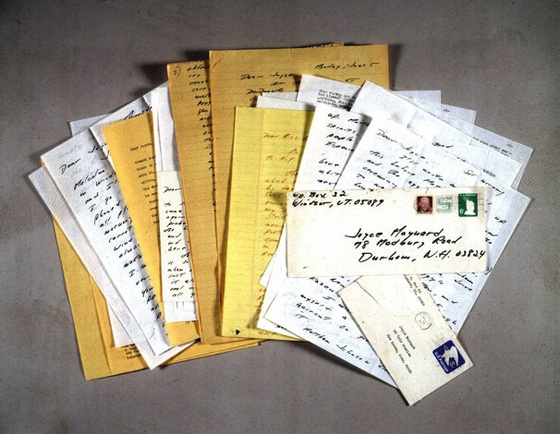 Письма Сэлинджера Джойс Мейнард
И вдруг что-то случилось. В 1999 году Джойс разразилась пятисотстраничной книгой мемуаров, в которых история ее отношений с Сэлинджером пересказана до мельчайших, интимнейших подробностей. Судя по всему, этим «чем-то» была простая нехватка денег. Тому подтверждением является то, что, не довольствуясь изданием мемуаров, Джойс выставила на аукцион 14 писем, которые Сэлинджер написал в самый разгар их романа. Один из фанатов Сэлинджера, экстравагантный мультимиллионер Питер Нортон, создатель популярной оболочки для ДОСа и еще более знаменитого антивируса, эти письма выкупил и вернул автору.
Видимо, Джойс решила, что если уж предавать, так с музыкой, и поэтому в день своего 44-летия она появилась на пороге сэлинджеровского дома в Корнише. Похоже, что этот поступок был не чем иным, как PR -акцией по продвижению книжки. По словам Джойс, престарелый писатель (Сэлинджеру было уже 79) прогнал ее со словами: «Твоя главная проблема в том, что ты слишком любишь мир!» Эти слова и дали название мемуарам «В миру как дома». Хотя совсем не исключено, что название у книги уже было, а реплика была просто вложена в уста Сэлинджера из чисто конъюнктурных соображений. Проверить все равно нельзя.
 © Picador
Помимо того что мемуары Джойс Мейнард являются лучшим и подробнейшим портретом Сэлинджера и главным источником информации о его более чем полувековом корнишском отшельничестве, это еще и увлекательное чтение, и очень неплохая литература. Последнее, впрочем, наводит на подозрение. В надежность рассказчика не слишком-то легко поверить. Все эти яркие сцены, насыщенные драматическими диалогами и расцвеченные подробнейшими деталями и психологическими нюансами, являются скорее атрибутами любовного романа, а не добросовестными воспоминаниями о событиях четвертьвековой давности. Но в любом случае другого такого источника у нас нет.
Что же представлял собой Дж.Д. Сэлинджер, персонаж книги Джойс Мейнард? Как ни странно, в нем нет ничего необычного и тем более демонического. Вполне типичный американский дядечка со странностями. И странности у него были все какие-то безвредные: диета и гомеопатия. Во время совместного проживания Джойс и Дж.Д. питались по преимуществу мороженым горохом и подсолнечными семечками. Голодным мукам, которые Джойс испытывала из-за этого, посвящены самые яркие страницы ее книги.
Вообще гастрономическая часть книги — самая интересная. Иногда, чтобы разнообразить меню, Сэлинджер покупал в магазине здоровой еды бараний фарш, замораживал его, чтобы убить все бактерии, а затем разогревал до 90 градусов (ни в коем случае не до 100). Раз в месяц он ездил в Нью-Йорк (пять часов в один конец) за копченым лососем. Так они и жили.
Ежедневно Дж.Д. проводил многие часы за чтением гомеопатических журналов и приготовлением различных снадобий. Похоже, что помимо этих журналов он ничего больше не читал. Что касается его литературных занятий, Джойс пишет о них как-то вскользь и неуверенно. Впрочем, она утверждает, что лично видела два законченных манускрипта, которых, правда, не открывала, а также огромный, постоянно пополняющийся архив семьи Гласс, который открывала, но не читала.
Вообще-то литература как тема в книжке практически отсутствует. Персонаж Джойс Мейнард любил поговорить с рассказчицей о секретах писательства, но в основном изрекал банальности о том, как писатель должен быть честен с самим собой, игнорировать чужие мнения и так далее, и так далее.
Помимо гомеопатии и диеты была, конечно, у персонажа Джойс Мейнард и еще одна странность: это сама Джойс Мейнард. То есть о чем он, собственно, думал в 53 года, собираясь связать свою жизнь практически с ребенком? Но никакой гумбертовщины в этом не было. Все достаточно просто объясняется мечтательностью Дж.Д. Писатель узнал свою любимую героиню на обложке журнала и на время потерял голову. Потом, кажется, горько об этом сожалел.
И чтобы уже закрыть этот вопрос: согласно Джойс Мейнард, до встречи с Сэлинджером она была девственницей. Девственницей она и осталась после их расставания. Дело в том, что, как оказалось, Джойс страдала вагинизмом, и у них попросту ничего не получалось. Ну как-то они там обходились. Сэлинджер обходился… После разлуки с Сэлинджером Джойс достаточно быстро излечилась от своего недуга.
Неоднократно отмечалось, что в конце «Над пропастью во ржи» («Ловец во ржи» правильнее) Холден отдает младшей сестре свою красную охотничью шапку с козырьком, тем самым переставая быть «ловцом». Теперь уже Фиби должна спасать его от падения в пропасть, а не наоборот. Ну вот, видимо, Дж.Д. сделал что-то подобное и долго потом раскаивался.
Сэлинджер как персонаж. Part II
Но чаще всего, особенно в наше время, о чрезвычайно плодовитом — хотя и страдающем — поэте или художнике существует твердое убеждение, что он хотя и существо «высшей породы», но должен быть безоговорочно причислен к «классическим» невротикам, что он — человек ненормальный, который по-настоящему никогда не желает выйти из своего ненормального состояния…
В книге Мейнард Сэлинджер предстает типичным американским любящим родителем. В недолгий период их совместной жизни дочери Дж.Д. Маргарет (Пэгги) было 16 лет, а сыну Мэтью — 12. Дети половину времени проводили у матери, жившей всего в одной миле от дома писателя, а половину — у отца. Сэлинджер добросовестно выполнял все положенные американскому отцу функции: возил сына на футбольные матчи, ходил с детьми (и Джойс) есть пиццу, ел ее сам. Когда они возвращались домой, Джойс и Сэлинджер шли в туалет и засовывали себе в рот два пальца. С тех пор Джойс страдает булимией, от которой, в отличие от вагинизма, она так до конца и не вылечилась.
Булимией, а также еще целым букетом нервных заболеваний страдала и старшая дочь Сэлинджера Маргарет (Пэгги). Ее мемуары с весьма претенциозным названием «Ловец снов» вышли в свет через несколько месяцев после публикации книги Мейнард.
Говорят, что на детях выдающихся родителей природа отдыхает. Исключения из этих правил встречаются, но редко. Маргарет Сэлинджер, увы, к ним не относится. В отличие от «В миру как дома», воспоминания дочки Сэлинджера — чтение изнуряющее, если не сказать мучительное. Сэлинджер не является в них главным героем. Ему посвящено, может быть, не более десятой части этого многословного повествования. Тем не менее создается впечатление, что Маргарет написала его для того, чтобы свести многочисленные счеты со своим 81-летним отцом, еще живым и даже вполне вменяемым на тот момент.
Вряд ли на этом свете найдется больше сотни людей, осиливших эту книгу от начала до конца, но коллективное представление о Дж.Д. во многом определило взятое из этой книги перечисление его меняющихся жизненных увлечений: «…дзен-буддизм, индийская веданта, Церковь самопознания Йогананды, Христианская наука, хаббардовская сайентология, учение Эдгара Кейси, макробиотика Джорджа Осавы, восточная медицина и разные прочие практики, включая питье собственной мочи, говорение на язЫках и сидение в Рейхиановском Органоме». Вот никто ведь не заставал Сэлинджера за глотанием собственной мочи, но так оно навсегда и приклеилось.
Пэгги, которая когда-то окончила Гарвард по специальности «теология», находила в ситуации, которую отец создавал вокруг себя, все признаки религиозного культа. Она считала, что Сэлинджеру было необходимо этот культ создавать и поддерживать.
Хотя нельзя сказать, что у Пэгги не было оснований обижаться на своего отца. В свое время Сэлинджер требовал, чтобы его беременная дочь сделала аборт, потому что «не нужно производить на свет еще одного несчастного, которого ты тем более не способна содержать». А как-то в ответ на просьбу тяжелобольной дочери о помощи отец выслал ей трехлетнюю подписку на журнал, издаваемый Церковью Христианской науки, вместе с сопроводительным письмом, объясняющим, что болезнь — это только иллюзия.
Ко всему этому следует добавить, что по выходе мемуаров младший брат Пэгги, Мэтью, назвал их «готическими выдумками» и сказал, что у него было совсем другое детство. Так или иначе, в течение одного года Дж.Д. Сэлинджер стал персонажем сразу двух книг. А если точнее, то он был предан двумя близко знавшими его женщинами, которых он любил.
Сэлинджер как персонаж. Part III
Первоначально я хотел на этих страницах написать короткий рассказ о Симоре и назвать его «Симор. Часть ПЕРВАЯ», нарочно выделив слово «ПЕРВАЯ» крупными буквами и тем самым поддерживая больше во мне самом, Бадди Глассе, чем в читателе, уверенность, что за «первым» последуют другие (второй, третий, а может быть, и четвертый) рассказы о нем же…
Похоже, что Дж.Д. так обустроил свое посмертие, что теперь каждый год должны происходить связанные с ним события. В ушедшем году таких событий было два. На том же злосчастном eBay , где за два года до этого был продан сэлинджеровский унитаз, появилась книжка в простой голубой обложке. Называлась книжка «Три истории». Автор Дж.Д. Сэлинджер. Книжка была продана за 110 долларов.

На самом деле никакая это была не книжка. Просто распечатка PDF -файла. А рукописи трех рассказов хранились в Принстонской библиотеке и были доступны практически любому. Кто-то переснял их на мобильник, смастерил книжечку и зачем-то продал ее за смешные деньги.
Из трех рассказов два — «Пола» и «Именинник» явно являются чем-то недоделанным и не заслуживают внимания. Третий — «Океан, полный шаров для боулинга» — повествует о последнем дне младшего брата Холдена Колфилда Алли. В рассказе его зовут Кеннет, и умирает он не от лейкемии, а от сердечного приступа. Это хороший рассказ, которого вполне могло бы и не быть. Тем более что некоторые эпизоды из него Сэлинджер использовал в «Над пропастью…». Так что его нежелание публиковать эти три истории вполне понятно.
Намного больше шума вызвало появление документального фильма «Сэлинджер» Шейна Салерно и одновременно 700-страничной биографии писателя, написанной Салерно в соавторстве с писателем Дэвидом Шилдсом. Впрочем, главной причиной шума было третье имя: Харви Вайнштейн. Почему продюсер «Криминального чтива» и «Властелина Колец» взялся за эту работу, видимо, так навсегда и останется одной из неразгаданных загадок, связанных с Сэлинджером. Так или иначе, от фильма ждали сенсаций.
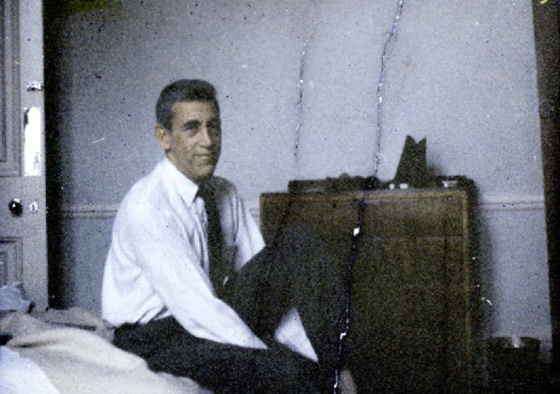 © The Story Factory Кадр из фильма «Сэлинджер»
В многочисленных интервью создатели намекали на то, что в фильме и, разумеется, в книге будет сообщено что-то потрясающее. Ожидания лопнули, как мыльный пузырь. Книга оказалась довольно сумбурным собранием давно известных фактов вперемешку с невыверяемыми слухами, а фильм — просто банальной кинобиографией, в которой говорящие головы различных знаменитостей объясняются в любви к писателю.
Многое в этой работе объясняет главная сенсация Шилдса и Салерно: оказывается, у Сэлинджера было всего одно яичко и он ужасно этого стеснялся. Авторы уверяют, что читатель может им полностью доверять, поскольку они лично беседовали с двумя анонимными женщинами, которым этот печальный факт был известен не понаслышке. Отсюда тяга писателя к отшельничеству. В лесах Нью-Хэмпшира он скрывал…
Гораздо больший интерес вызывает список написанных и неопубликованных книг, которые, по уверению Шилдса и Салерно, будут появляться в печати ежегодно начиная с 2015 года. This:
— «Семья Гласс» — собрание уже напечатанных историй плюс еще пять новых.
— Учебник веданты, дополненный рассказами и притчами.
— Роман, действие которого происходит во Вторую мировую войну, а сюжет основан на реальной женитьбе Сэлинджера на немке. Сэлинджер действительно привез из Германии молодую немецкую жену. Судя по некоторым слухам, подтвержденным дочкой Сэлинджера, она была сотрудницей гестапо. Сэлинджер был сотрудником американской контрразведки и познакомился с ней во время допроса. Они прожили вместе всего несколько месяцев. Она вернулась в Германию, и следы ее затерялись.
— И, наконец, полностью переписанный неопубликованный рассказ «Последний и лучший Питер Пэн», который будет издан вместе с другими рассказами, касающимися Холдена Колфилда и его семьи, а также вместе с новым изданием «Над пропастью во ржи».
Никаких доказательств Шилдс и Салерно не приводили. Единственные люди, могущие подтвердить правдивость их слов, сын и жена Сэлинджера, отказались от комментариев. Одно можно сказать с уверенностью: независимо от того, будет ли напечатана новая книга Сэлинджера в 2015 году или нет, в покое его точно не оставят.
Сэлинджер как писатель
Прежде всего, существует одна довольно жуткая черта, свойственная всем богоискателям, — они иногда ищут Творца в самых немыслимых и неподходящих местах.
Есть одно знаменитое высказывание Пушкина, которое все очень любят повторять: «Толпа жадно читает исповеди, записки etc. , потому что в подлости своей радуется унижению высокого, слабостям могущего. При открытии всякой мерзости она в восхищении. Он мал, как мы, он мерзок, как мы! Врете, подлецы: он и мал, и мерзок — не так, как вы — иначе». Эта мысль по меньшей мере спорна. Как правило, и мал, и мерзок точно так же. В том-то и дело, что толпа радуется не зря. В мерзости своей все люди более или менее одинаковы. Другое дело, что гении не такие, как толпа, именно в том, там, где они гении.
Стремление Дж.Д. Сэлинджера максимально оградить себя от навязчивого любопытства толпы приводило к тому, что он только разжигал это любопытство. Был ли у него другой выход? Скорее всего, не было. Интерес толпы убивал в писателе Сэлинджере Бадди Гласса, родного брата Сеймура Гласса. Он, этот интерес, превращал Бадди Гласса в Джерома Дэвида Сэлинджера, который со всеми своими мерзостями был не способен говорить голосом Сеймура Гласса. Дж.Д. Сэлинджер умер, а вот Бадди, возможно, еще с нами. Говорят, его первая публикация намечена на 2015 год. Любопытно, он и правда еще кому-то интересен?
Слава Создателю, тема закрыта. Уверяю вас, тут моя воля ни при чем.