
Translated material
Unknown Sappho Poems are opened
Unknown Sappho Poems are opened
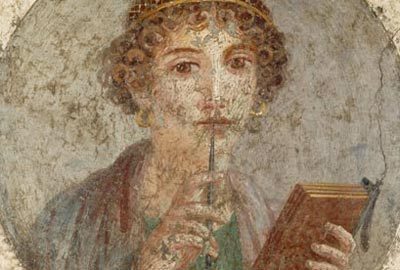 © Museo Archeologico Nazionale di Napoli
In Oxford, two Sappho ancient Greek poetess previously unknown to researchers were found and attributed.
According to Greek Reporter , the discovery was made after the owner of an old papyrus turned to a well -known papyrologist and anti -story Dirku Obninka, who teaches ancient Greek literature at the University of Oxford.
On the papyrus provided for the study - in the opinion of the Obnink, the best in safety of all the scientists at the disposal - were two poems in the Aeolian dialect of the ancient Greek language.
One of them is about the brothers of the poetess character and Larikus, whose names were not previously recorded in any text of Sappho. The poem is built in the form of a dialogue about the marine journey of character. The first lines are absent, so it is impossible to establish whether Sappho itself participates in the dialogue.
The second poem, separated from the first horizontal feature, has survived worse. With confidence we can only say that this is an appeal to Aphrodite.
Both poems are written by a sapphic stanza and, in all likelihood, belong to the first of nine books of Sappho verses. Features of the drawing of letters allowed the bar to approximately set the time when the inscription on the papyrus was made - the end of the II or the beginning of the III centuries AD, i.e. Almost a millennium after the era of Sappho, who lived in the 7th century BC
The alleged place of the origin of the papyrus with the texts of Sappho is the Egyptian city of Pemege, which the Greeks lived in it called Oxyrynch. Thanks to the dry climate, in which the materials of plant origin are little subject to destruction, many written monuments, including ancient Greek papyruses, have been preserved there.