
Translated material
Escape from Norilsk
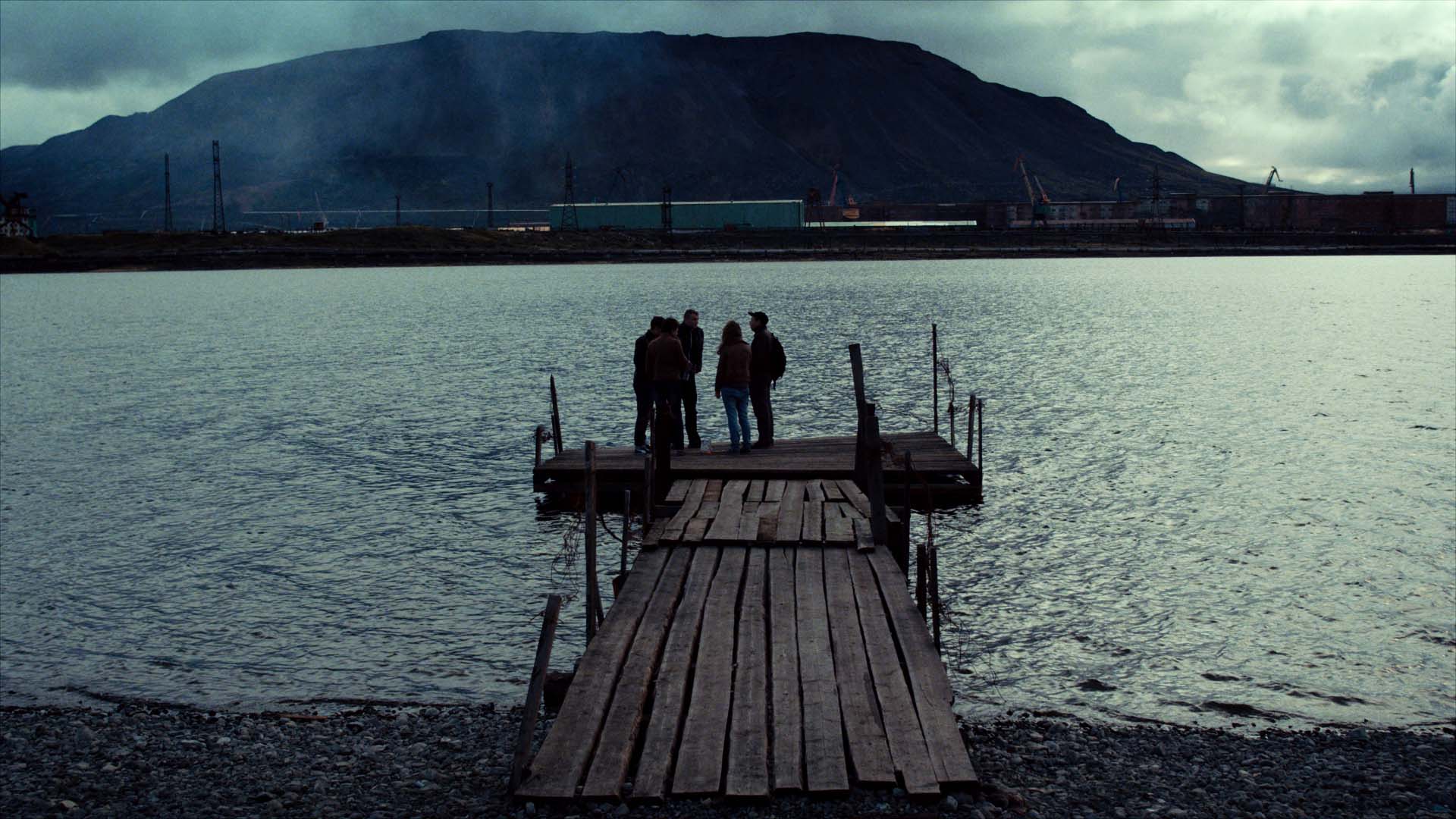
Zaydl shot “Paradise: Love” in Kenya, the film by Natalia Meshchaninova “Hope” was made in Norilsk. In Norilsk, it is much more difficult to work than in Africa. The city was half -closed, and the local authorities did not like the script. The combine in the name is the Norilsk Metallurgical Plant, and hope is the name of the prostitute and the dream to run away from this In general, from Norilsk "to the mainland".
The film by Natalia Meshchaninova was shown in the competition program of the Rotterdam Film Festival, then they will be shown at the Kinotavr, and what will happen next is incomprehensible. It is clear that the authors of the Ethical Charter of the Union of Cinematographers will be unhappy. First of all, the fact that the heroes of the film say as their peers from this social environment should say - a mat through every word.
The conversation with Natalia Meshchaninova - about Norilsk and the Charter - after the Rotterdam premiere:
- Your heroes dream of escaping from Norilsk, but after the film I wanted to go there. Sveta’s brother shows her a secret “place of power” in the mountains. Is there such a “place of power” in Norilsk-something attractive, forcing him to linger there?
- I don’t always want to linger, now there is minus 64. But the city is really very powerful energy, it attracts with its severity, cruelty and at the same time strange tenderness. When you find yourself in the tundra next to Norilsk, I want to be there - there is a continuous place of power everywhere. But the industrial city itself did not attract me very much.
-There is some Stalin Empire: quarters of the 30-50s swim in your film ...
- The main street of the city is the Stalin Empire. They paint at home in bright colors - blue, pink, yellow; They say this is so that people are not sad in winter. But then there are already completely different buildings, scary. Only one central street looks so bright and juicy.
- And what is left of the Gulag?
- This is called the old city, it is located on the other side of the long lake. There are abandoned mines of those times. This is a guarded territory: if suddenly the guard finds you with a camera, there will be problems. Non -hearted ones cannot be photographed there, foreigners all the more, they need to obtain permission. These are terrible places, there is a cemetery where the prisoners were buried, where they died in thousands. It's terrible.
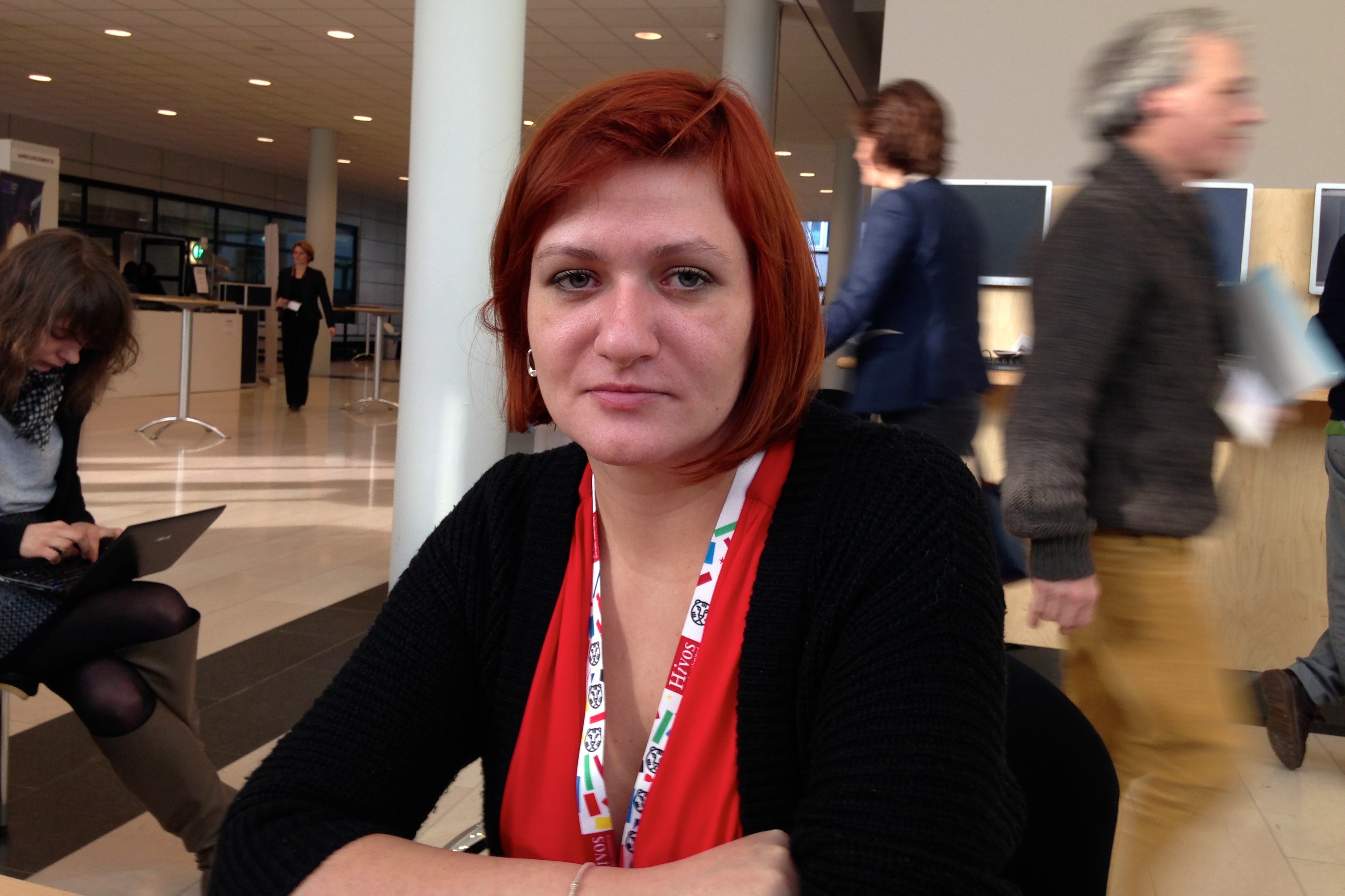
- I know that you had problems when you shot the film: the city was excited by the work of the film crew ...
- The city was excited only because in the press it was worried that we were taking them off. If there were no such press that obviously slandered us, if we were constantly not shown on TV that we had come from Moscow to disgrace them, then the city would be normally treated to us. There was a conflict with the locals because of this. And with the Norilsk Nickel, who did not let us shoot and behaved quite vilely.
- And who warmed the conflict? Were there any specific ill-wishers or was it spontaneously so?
- The city’s leadership is Norilsk Nickel - I did not like the script that they demanded for the proofing to allow us to shoot in this city. Because it is a closed city, and you can’t just come there and shoot. At the airport, passport control, as on the border. Norilsk Nickel decided that we should not shoot there. But before their answer, we managed to obtain permission from the city administration for shooting on the streets. Therefore, what they could forbidden, they banned, but could not influence what cinema would be, could not control it.
- And the shooting in the workshop is not the Norilsk Metallurgical Plant?
- Unfortunately no. We were not allowed there, I had to go to a similar type of type and shoot a workshop there.
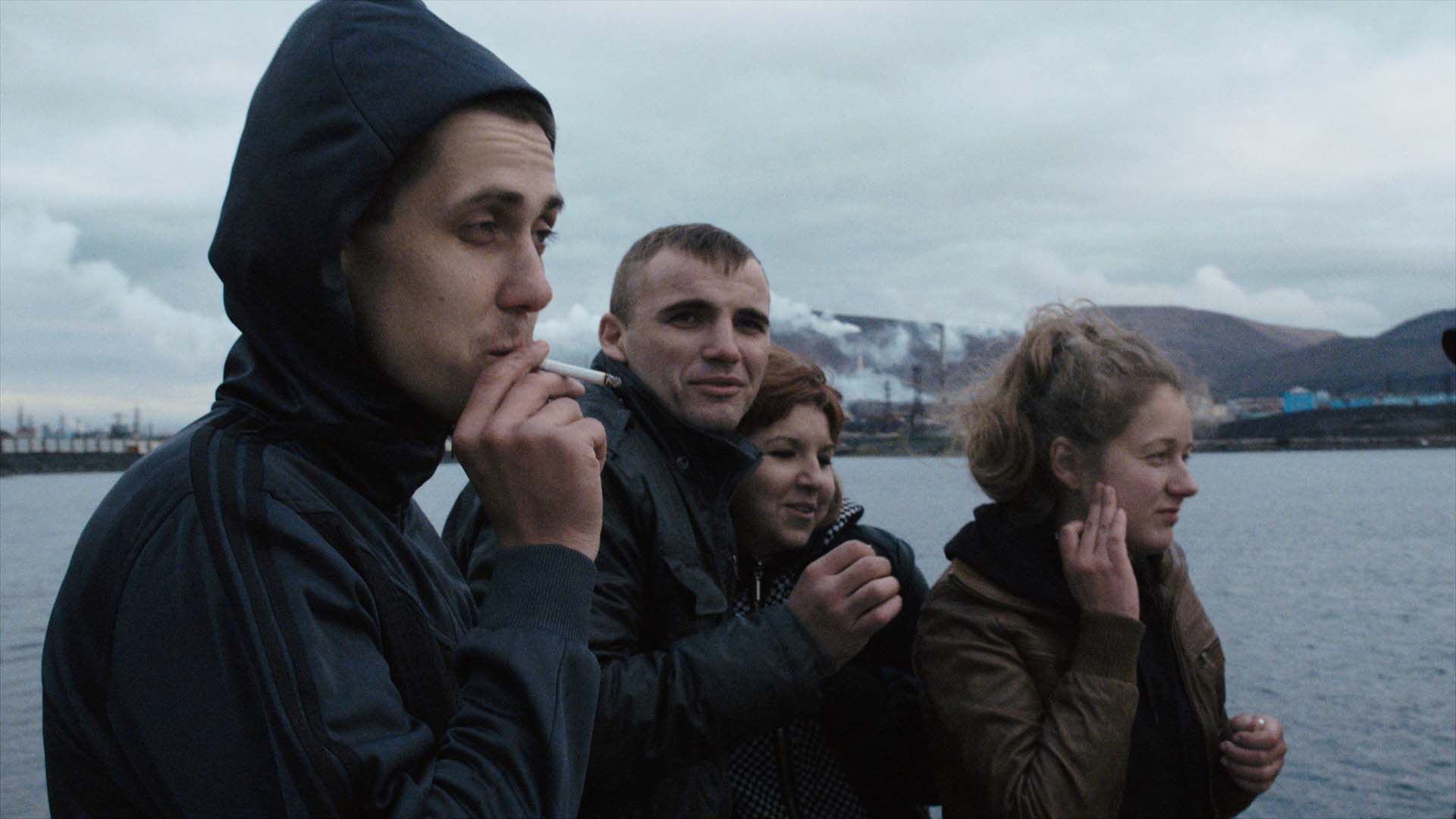
-You made friends with someone in Norilsk, some kind of circle arose?
-The circle did not arise, there were three or four people who helped us because they liked it. Oddly enough, the local mosque helped, the northern northern mosque in the world. They are the only people who did not rush at us, we were provided with shelter, heat and electricity.
- And the bandits are local?
- No as such bandits. There are embittered, strongly exhausted people who work at the factory. After work, they stand at a stop and do not have time to get into the bus, as they already swell right away. These people treated us negatively, because Muscovites arrived and make a movie how they live. For them, it was humiliating: I think they believed that we came to shoot about them. Therefore, they were aggressively configured.
- Were there clashes?
- The insignificant ones did not reach the fight, but they shouted "Get out!" They rushed into the camera.
-Norilsk is not your hometown, did you choose it because of the script?
we can be banned in our country in general: in every scene we have that which cannot- I wrote the script myself with the scriptwriters. First, the plot appeared, and then we were looking for a city in which this plot could be the most believable. Norilsk turned out to be very true, in my opinion, the city, because everything came together there, all the lines, all the problems immediately became more significant: I live on the edge of the world, between me and other people thousands of kilometers of impassable tundra, I want to leave, but I can’t. It was important to make this drawing.
-The viewer can perceive the history of Sveta as a metaphor: Russia (or even Ukraine) seeks to break out somewhere, to Europe from the Stalinist city and remains inside in its place. Do you approve of such a reading of the plot?
- Personally, I did not put any metaphors in the heroine and continue to insist in every interview that I do not shoot metaphorical and symbolic cinema. What my heroine experiences is experiencing people around the world before a fig, and you can find common with any country, with any cities. People generally have the usual to leave, this is a universal situation. We can say otherwise that the heroine wants to run away from the city, which was once great, now has become terrible, and there just cannot live, because it is a very difficult climate. Not so much from the Soviet past as from the current realities. Few people are realized within themselves: I run away from the Soviet past, this metaphoricality is not characteristic of people. I run away from today, what I do not want to see outside my window is more clear. Complex metaphors are not needed here.
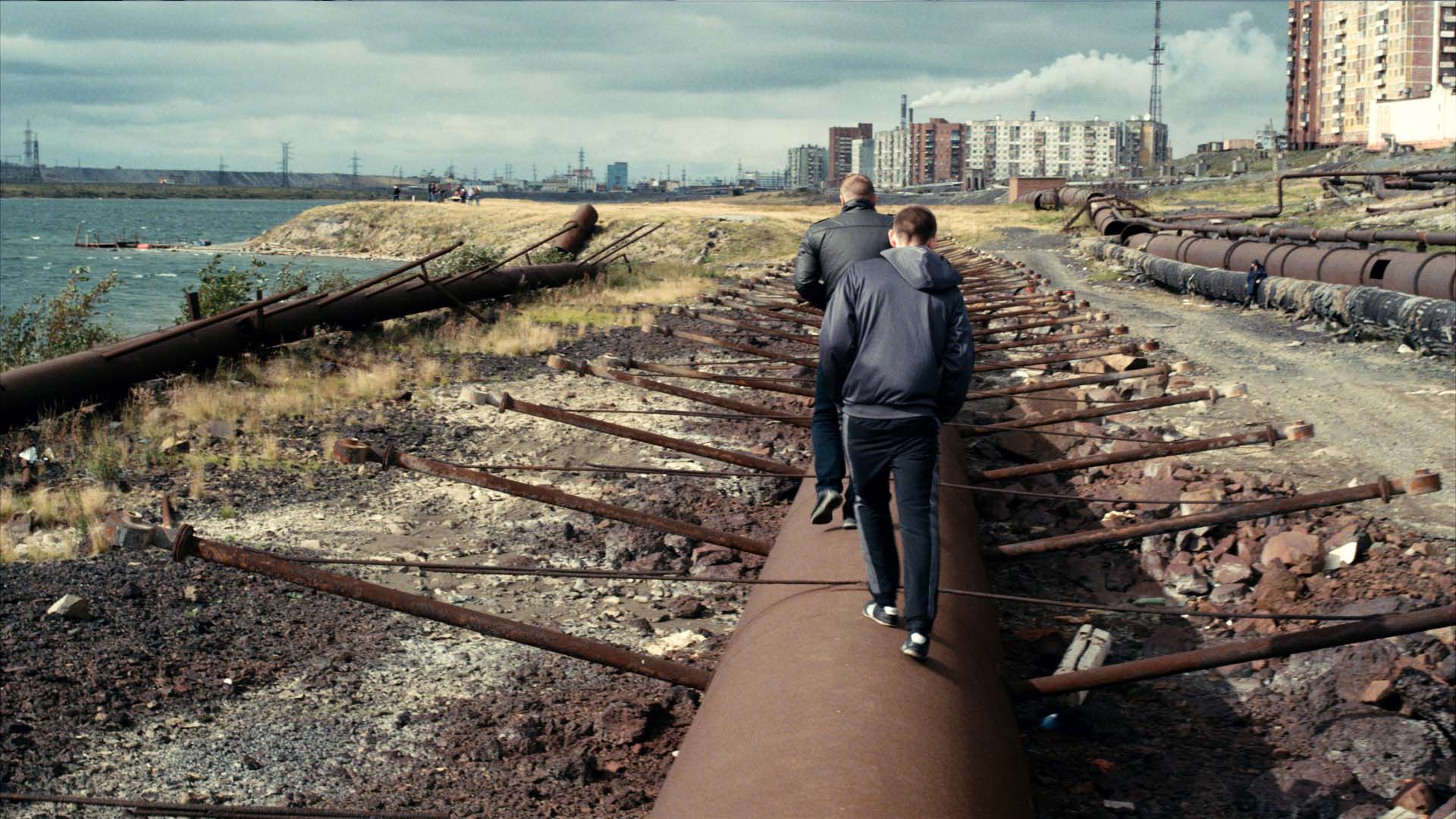
- Now the ethical charter of filmmakers has arisen. After the first two minutes of your film, you understand that it does not correspond to this charter. Did you consider that there will be problems from this side?
- When we started making a movie, there was no charter yet. Moreover, when we wrote the script, there was no ban on mat. There was talk that, probably, they would be banned soon. But no one could have imagined that everyone would ban. We were not filming the charter, we shot how we feel that it is so that people are talking like that. Filmed, relying on their perception of reality. We made an author’s independent cinema, we owe nothing to anyone, we did not take money from the state, so we are not obliged to comply with some rules, because it is in its pure form. And then the charter appeared, and it became clear that perhaps we could be banned in our country. Let's see how things go further, but in every scene we have what is impossible.
- On TV they will definitely not show, I think that not a single channel will be decided ...
- It is unlikely that in Russia. Could show Gordon, but it was closed. I don’t know what should happen in our legislation to be shown in Russia on television.
- Fabric critics say that your film is a sign of the appearance of a new generation in Russian cinema. Do you feel like some group, movements?
-Probably, before I wanted to feel the community and be next to Boris Khlebnikov or with Guy Germany, to cross in something. It was four years ago, and now, on the contrary, I want to move away. I do not like to join the community.
-And would some collective manifesto against the ethical charter sign?
-Against the charter, I would sign, of course, because it kills art, some nonsense. I do not know what they think, but it just kills attempts to make a good author's movie, because there is no way to get money for it, except for state ones. This pushes us back 30 years ago, and it’s scary to imagine what will happen next. I know that many young filmmakers look more and more towards co -products and the West, because it is unrealistic to get money for a movie in Russia, which wants to be a little more radical than accepted.
The main prize in the second Rotterdam contest "Cinema for the Great Screen" received the film Oksana Bychkova "Another year". This is a family drama, the script is based on the play of Volodin "Do not part with your loved ones", the action was transferred to modern Moscow. Egor and his wife Zhenya are the provincials who came to the capital. Zhenya finds work in the editorial office and feels great among hipsters. Egor - “bombing”, is not interested in trends and prefers a quiet family life. Their marriage is doomed. One of the authors of the script was Natalya Meshchaninova, the director of the film “Combine Nadezhda”, but this is a movie with public financing, and therefore with normative vocabulary. The director had almost as difficult as Yorgen on the fly, to whom Lars von Trier proposed “ five obstacles ”.
Says Oksana Bychkova:
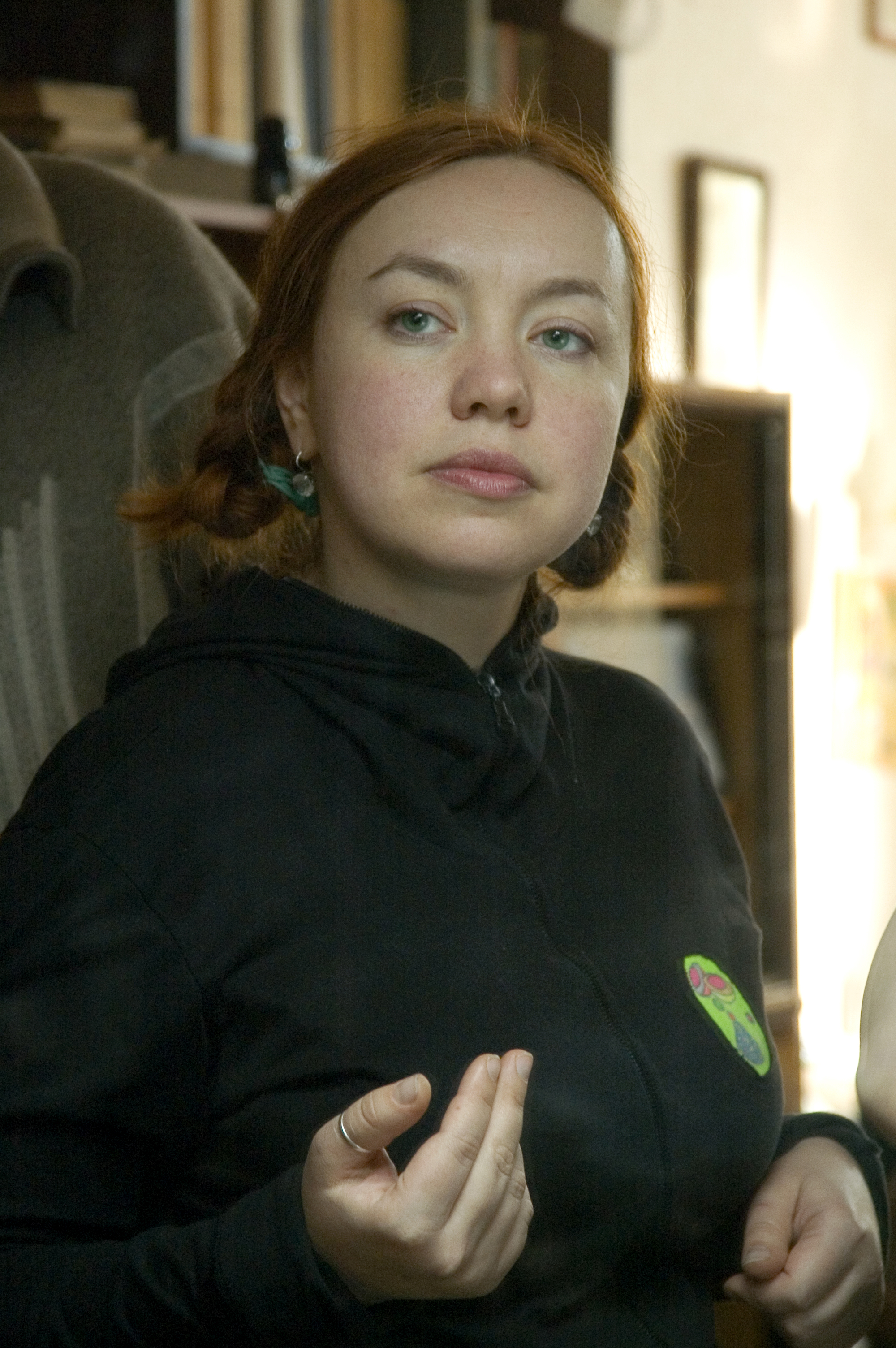
- Is there a kinship between two paintings? Does Sveta from “Plant A “ Hope ” become your wife , being in the capital ?
- No, these are two completely different films, like two Hypostasi Natasha, she can be like this and like that. By the way, she has a wonderful prose: she is not only a screenwriter and director, but also a good writer.
- We talked with Natalia about the ethical charter, and she, of course, categorically against it. What do you think?
- I am also categorically against. These are very strange restrictions. Beautiful Natashin's picture is made with great love, and if you emasculate all the meat from it just because it does not coincide with some points, there will be perfect stupidity. I am against this. I believe that the author’s cinema should be completely free.