
Translated material
New Korean battles
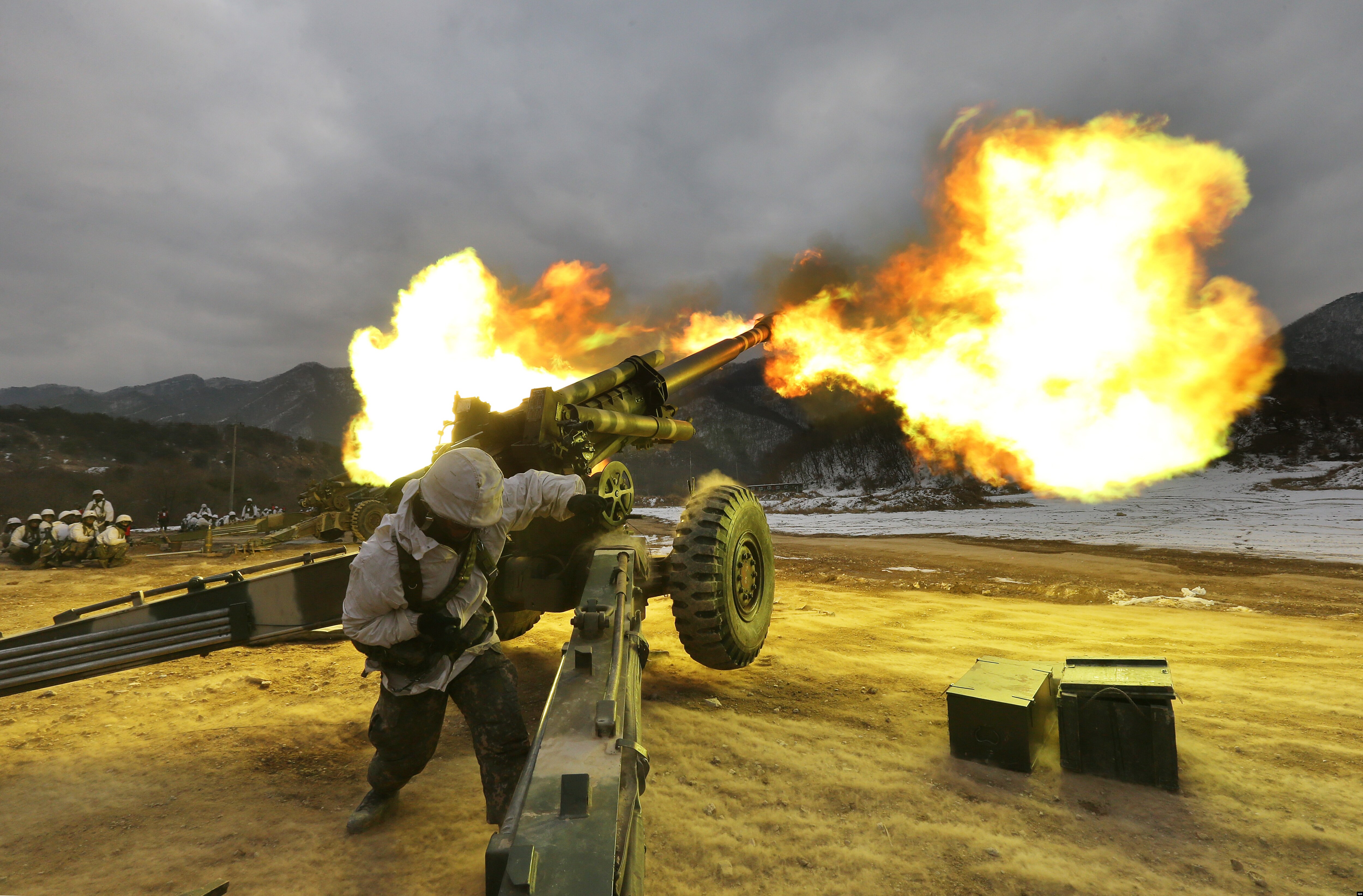
The joint military exercises of the United States and South Korea caused another flurry of accusations by the DPRK
On February 24, the command and staff exercises of the Armed Forces of the United States and South Korea under the code designation "key support" began on the Korean peninsula. The game part of the maneuvers will end on March 6, after which the start of a full -scale field exercises called "Eaglet", which will last until April 18, will be launched. By tradition, the DPRK in the most aggressive expressions condemns the joint training of the American and South Korean troops, as the “rehearsal of invasion to the north”, forcing Washington and Seoul to give the same usual explanations. Nobody would have attached importance to this verbal war if the border area between the "two Korea" were not the most "militarized" sushi on the planet.
The first part of the maneuvers from the American side participate in 5,200 troops, despite the fact that last year there were 3,500. USA and South Korea, anticipating what trump cards these figures can give North Korean propagandists in advance the information counterattack was in advance: if in 2013 the Americans used 10 thousand military personnel in the second part of the maneuvers, then only 7 and a half thousand will participate in them.
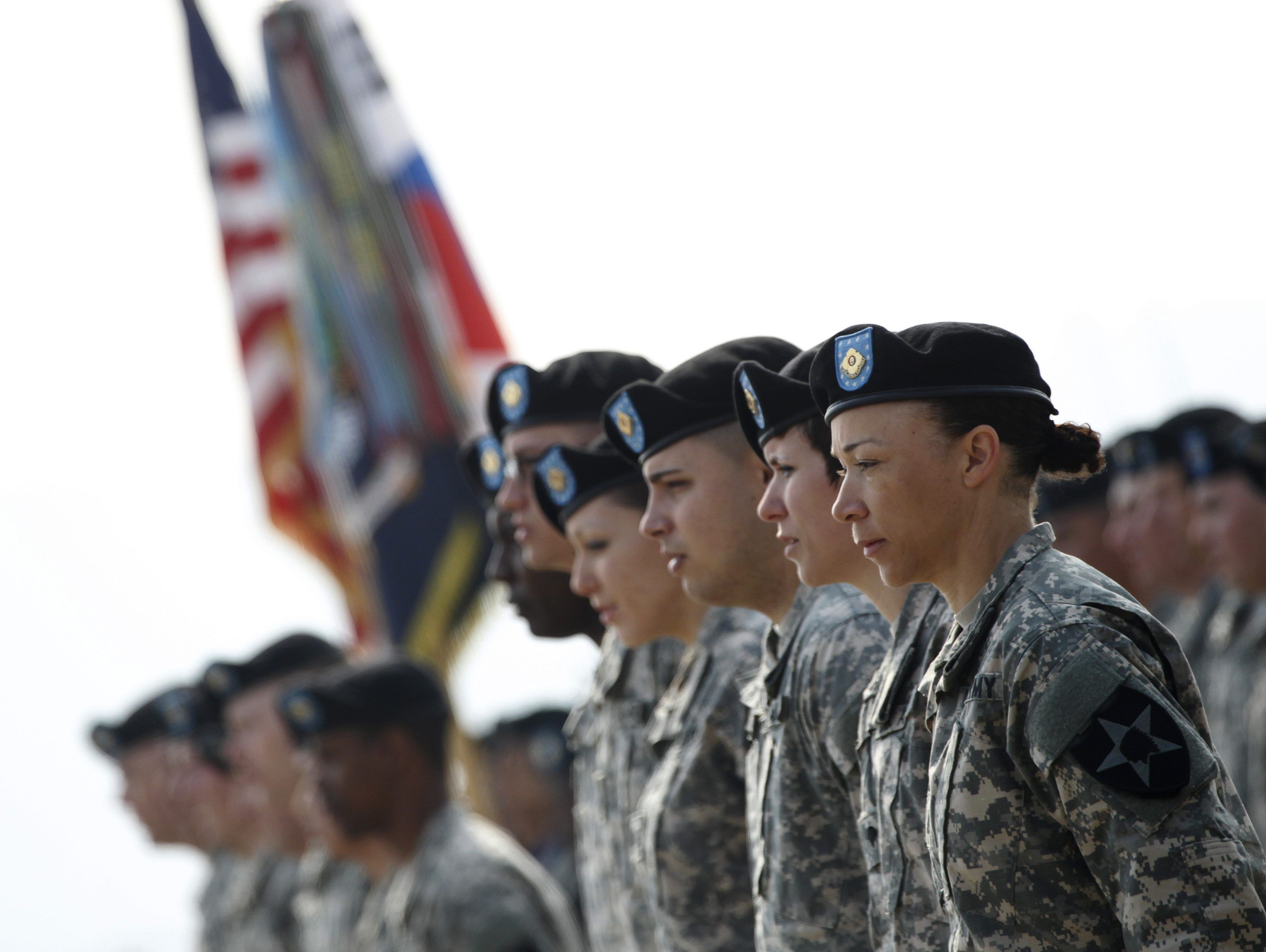
Deputy Director for Science of the Institute of Asian countries and the Pacific region at the University of Stanford, a connoisseur of the Korean Peninsula Daniel Snyder emphasizes that current exercises are absolutely standard both in scale and the composition of the parties:
- Last year, the United States slightly retreated from the regulations, sending strategic bombers with nuclear weapons on board to the exercise area. The reason was that Pyongyang timed to these teachings a new test of his nuclear ammunition. The appearance of the B-52 and B-2 in the sky above the Korean peninsula caused the sprouted threats from Pyongyan to incinerate nuclear weapons and the whole south and the United States. It seems that even the degree of combat readiness of the North Korean missile units was increased. But everything worked out. This time, the command did not see any need to connect the “nuclear deterrence forces” to the exercises, they will take place in absolutely regular mode.
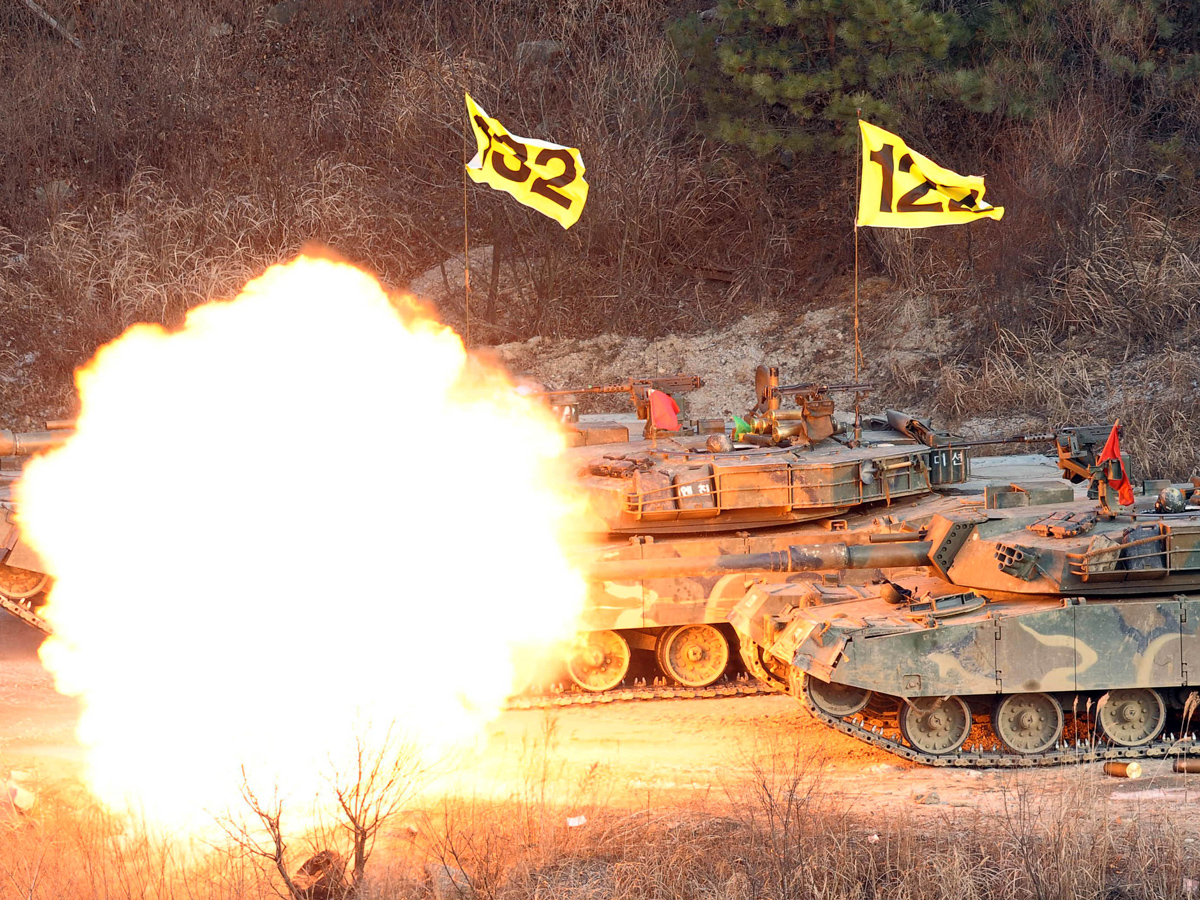
- North Korea, nevertheless, with unbending persistence stigmatizes these teachings as evidence of the aggressive intentions of imperialist circles. Analysts note that the factor of surprise, as on the eve of the Korean war of half a century ago, remains the cornerstone of the offensive military doctrine of Pyongyang, and therefore it logically condemns any events that strengthen the combat readiness of the opponent’s forces, their ability to repel unexpected attack.
-As far as I remember, and the year did not pass without these anger statements preceding the joint American-Yuzhno-Korean maneuvers. Their tonality, however, varies, but not much. It should be borne in mind that the target audience, which is addressed to these threats, is not American, but South Korean. Pyongyang knows that in South Korea there are both liberal and nationalist circles that dream of uniting the peninsula with almost any conditions. They are easily succumbing to propaganda, laying on the "malicious Seoul" guilty for poisoning the atmosphere of inter -Korean relations "with provocative military maneuvers." A systematic repetition, I must say, bears its fruits, and we see how the current president of the Republic of Korea Pak Kyn Hy is trying to flirt with Pyongyang.
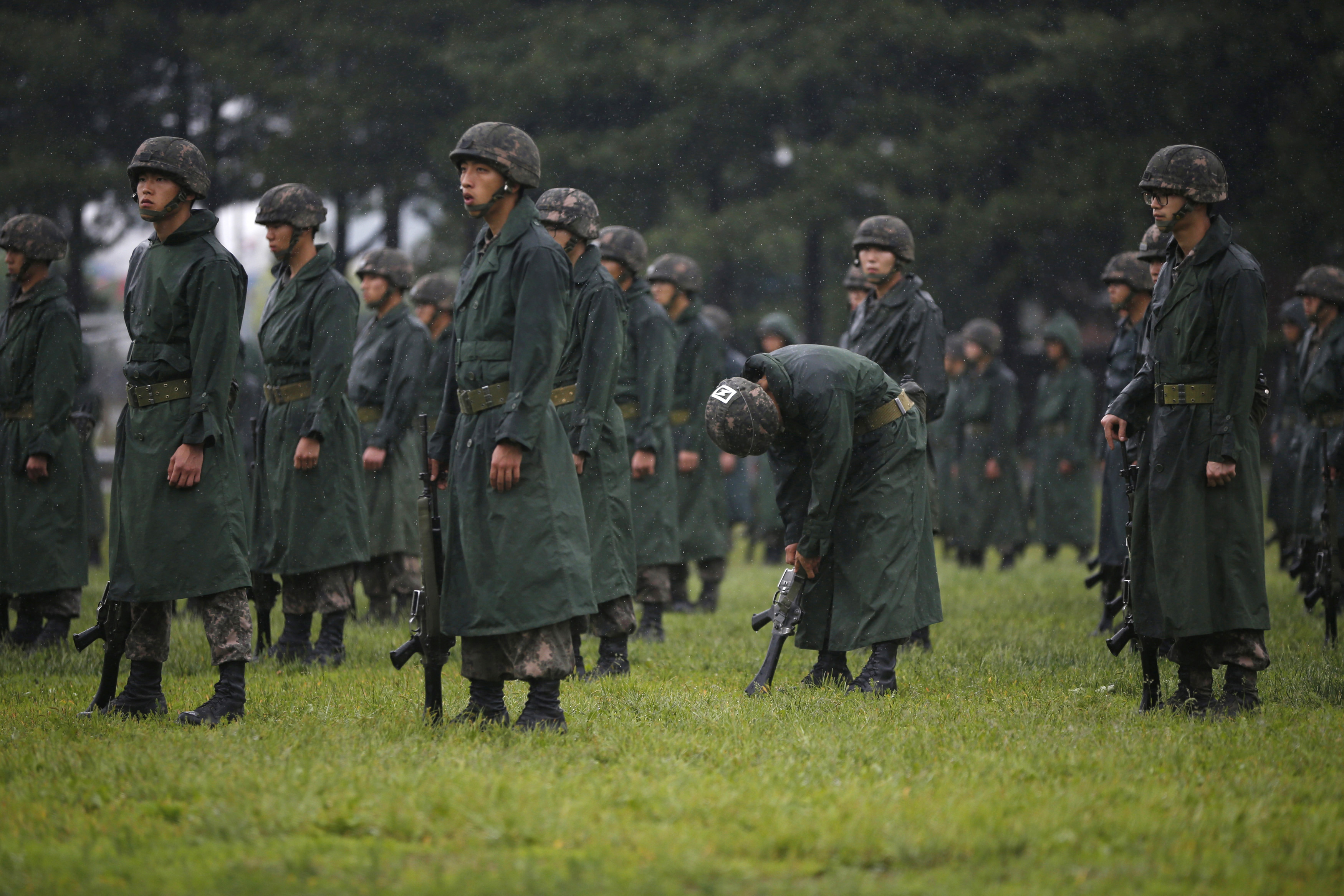
Daniel Snyder , among other things, mentions in this regard a business trip to the north of a senior delegation of South Korean businessmen. This time, the DPRK tried to disrupt joint exercises or at least achieve their transfer, saying that otherwise it would interrupt the preparation of meetings of the members of disconnected families living on both sides of the border. This maneuver did not work, but Daniel Snyder , Pyongyang, will not be especially worried about this, hoping that the reception will work some other time. According to him, people are sitting much more sound and able to calculate risks in the power in Pyongyang than it seems, therefore, there were no cases when the North would try to violate the course of American-Yuzhno-Korean teachings in history.
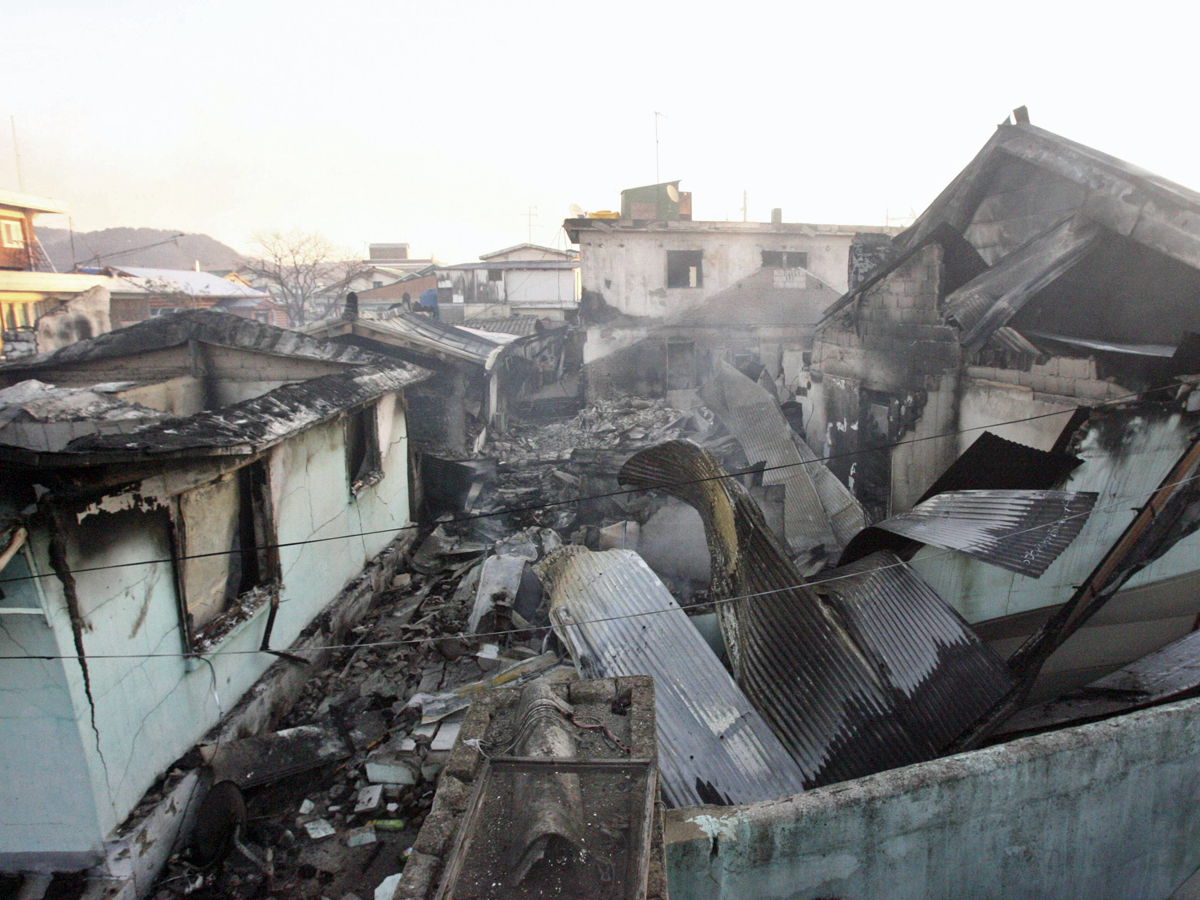
- Washington DPRK has not yet lifted up, but we remember how until recently the North allowed itself, without any occasion or provocation from Seoul, to fire a densely populated South Korean island from the artillery guns, and still sinking the corvette of the Navy of the Republic of Korean Chhonan?
- Yes, in 2010, the shelling of the island of Enphendo occurred , and Seoul did not then answer the death of his citizens, and the act of aggression itself. But since then, North Korean guns have been silent. I believe because South Korea openly announced that she was changing the rules of the game and from now on will respond to such provocations, along with the United States or independently, in the most decisive way.
- During the current exercises in the air, on land and at sea, tactics of the quick transfer of the South Korean units to the border area are worked out. American units were sent to defend Seoul, located close to the border, within the reach of the North Korean artillery. If you look at the ratio of forces statically, then the advantage of the North, especially the number of troops in the border strip, looks stunning.
- On paper, the numerical superiority of the north is undoubted . However, even from open sources, it is clear that this superiority to a large extent leve a low level of training of personnel, poor material supply, which does not allow the army to conduct proper exercises, outdated Soviet equipment, which remains in service with tank units and the Air Force. At the same time, American analysts highly certify the units of the North Korean special forces .
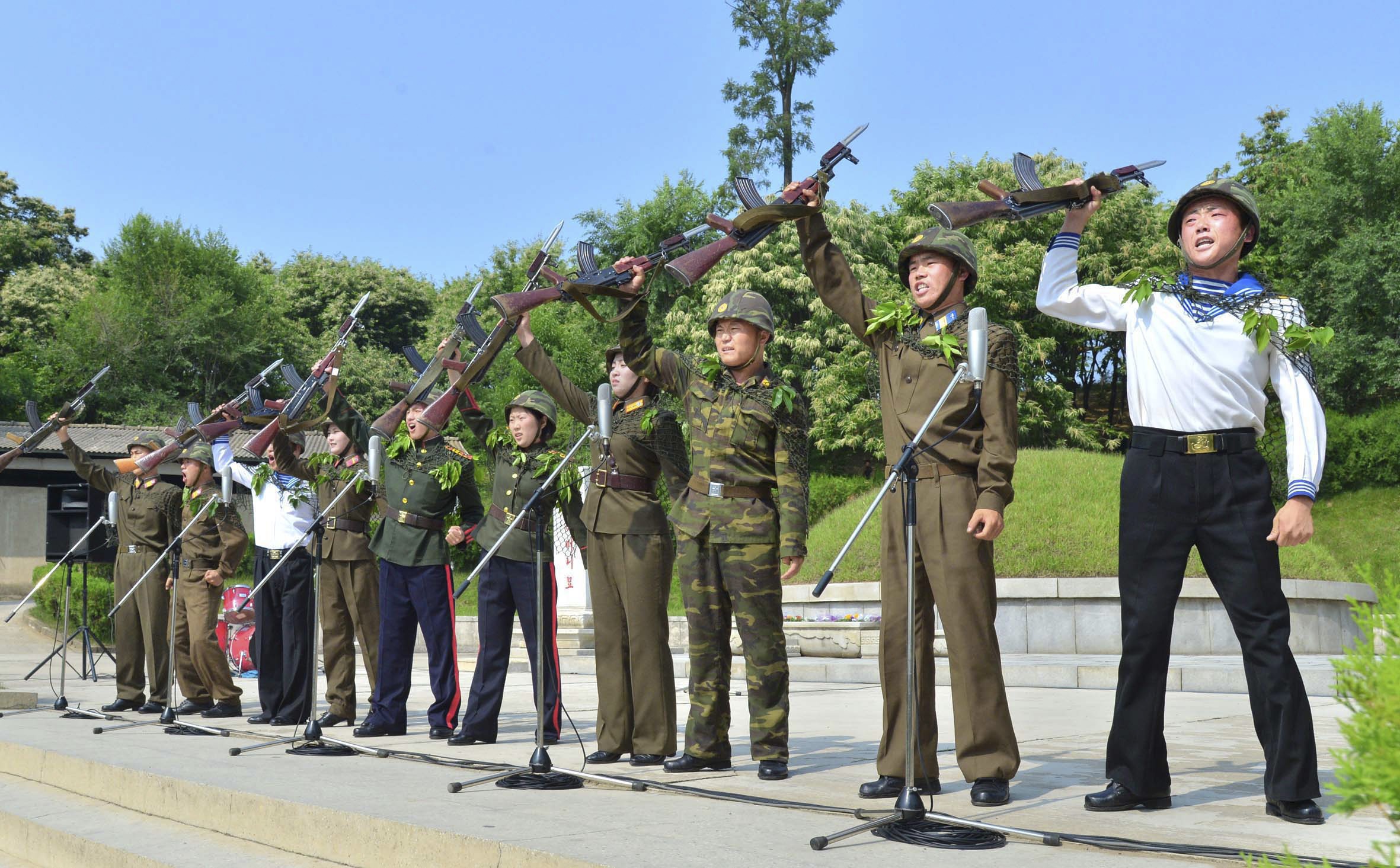
When experts analyze possible military scenarios in dynamics, they come to the conclusion that a short rapid war, blitzkrieg, not to overpower the north, and he will not allow him to win the huge economic potential of the South. Scenarios for the North look even more pessimistic when taking into account the factor of external assistance: America will help South Korea, but the DPRK cannot definitely, as in the case of the war of 1950-1953, count on the long-term military and economic support of Russia or China. The Chinese leadership has recently taken an unprecedented step, violating diplomatic decency and openly advised the North Korean comrades to behave more restrained.
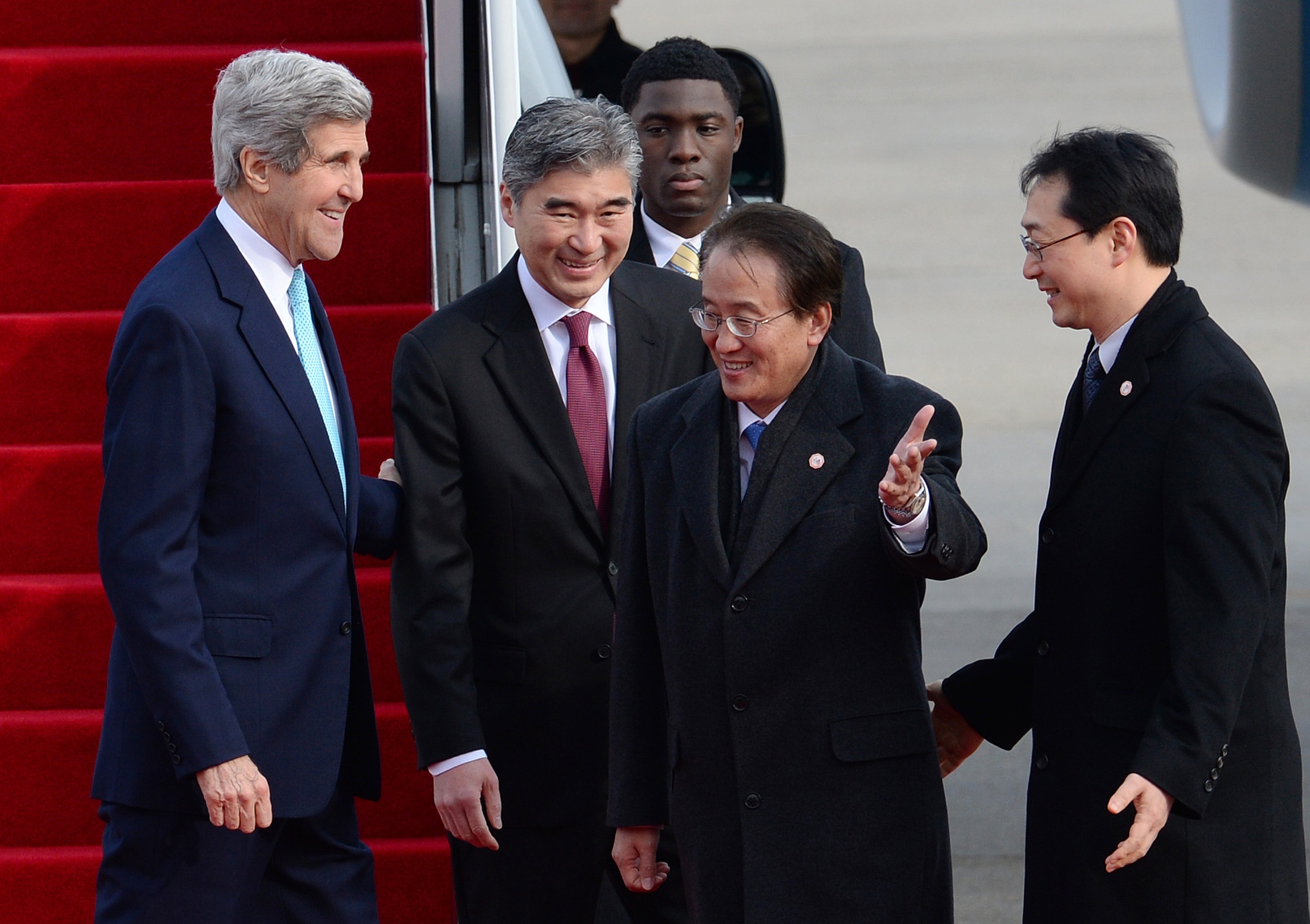
-In the early 90s, the United States removed its nuclear weapons from the Korean peninsula, although it is still, of course, there are many in the region, in American submarines and aircraft carriers. However, the DPRK stubbornly increases its own nuclear potential, causing considerable anxiety in Seoul, Tokyo and Washington. And also, perhaps in Beijing and even in Moscow. US Secretary of State John Kerry during the last foreign trip again asked China to help the curbing of Pyongyang nuclear ambitions.
- This is one of the key issues of the Korean policy of the United States. We cannot exclude the possibility of tactical use by the north of nuclear weapons in the event of war, especially if at that time he will also have reliable intercontinental ballistic missiles with combat blocks, potentially able to keep Washington from the act of retaliation. The immediate danger, however, is lurking not in the military use of north of nuclear weapons, but in its use as a tool of political or economic blackmail, or in order to force the opponent to refuse to apply a commensurate strike in response to an armed provocation.
The second danger, initiated from the fact that Pyongyang owns nuclear weapons - spurring the nuclear weapons race in the region, I mean the creation of such weapons South Korea and Japan. And the third risk factor is rooted in the complete reluctance of North Korea to refrain from exporting their nuclear technologies to everyone who would like to secretly get out of non -proliferation. We know that Pyongyang secretly built an atomic reactor in Syria and that he actually cooperates, both in the nuclear and missile regions, with Iran. Especially after both Pyongyang and Tehran began to master uranium, and not plutonium as their main weapons material.
Analyst at Stanford University Daniel Snyder , like many of his colleagues, also draws attention to the fact that the stubborn nationalism of the Koreans of the South plunges them into a completely meaningless, according to Washington, a quarrel with Japan due to the controversial islands of Toktok or Takesim. This mixes the geopolitical priorities of the southerners: they sometimes forget about today's strategic confrontation with the north and so inflate past grievances inflicted by Japan, which make military cooperation with it impossible, thereby weakening their safety.