Date
Author
Сергей Гогин; Сергей Хазов; Надежда Гладыш; Анна Белецкая; Григорий Бакунин
Source

Preserved copy
Translated material
One problem is quality
The Russian auto industry is going through difficult times: a review of the situation at the main car factories of the Russian Federation
Ulyanovsk:
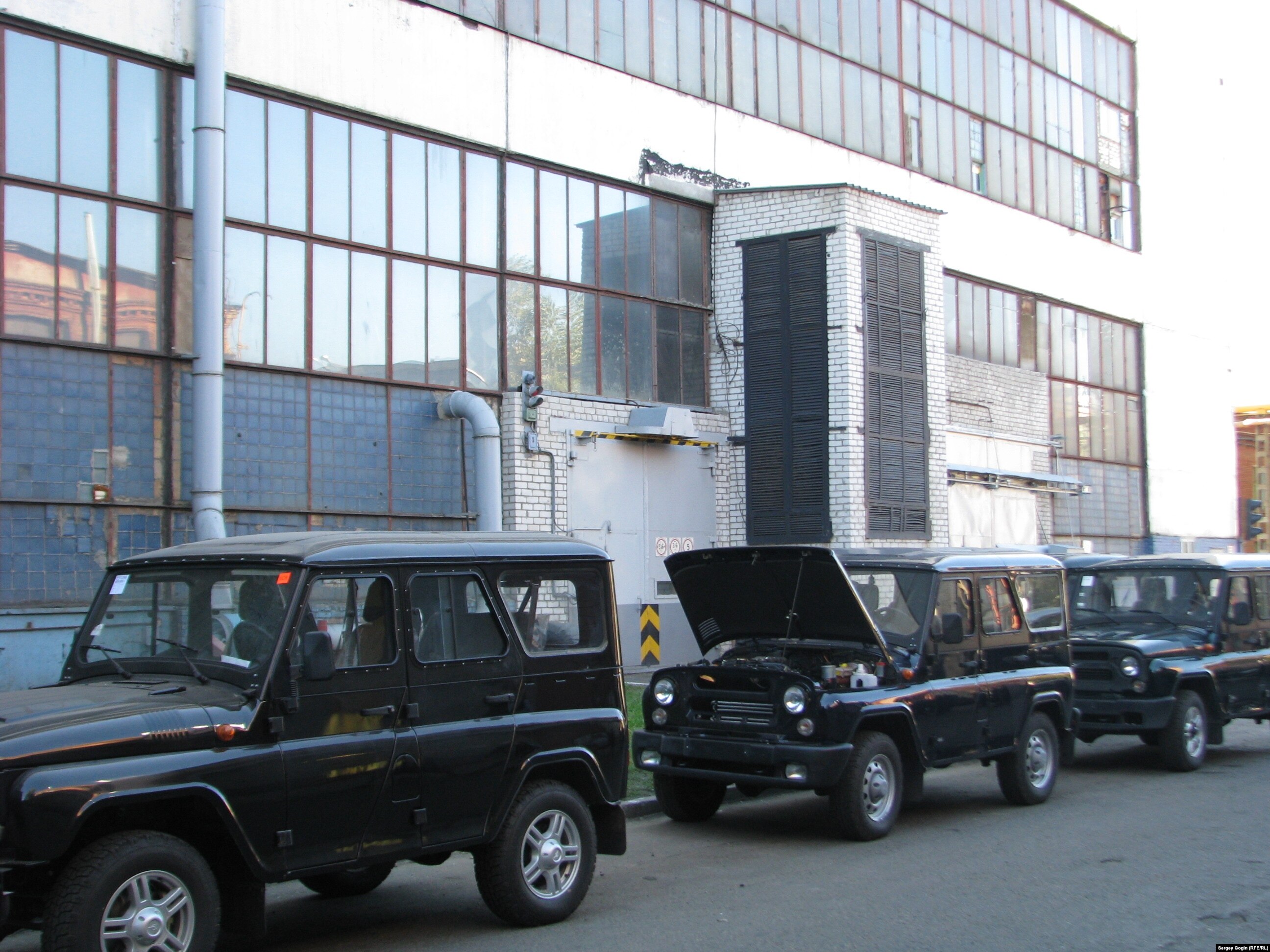
The Ulyanovsk Automobile Plant, which is part of the Sollers group of companies, on February 24 for two weeks was stopped by a car production conveyor in connection with a fall in demand for its products. Back in December 2013, the plant notified the city employment Center about the intention to reduce more than 1,100 people out of eight thousand working at the enterprise. But then, in order to maintain staff and two -shift operating mode, it was decided to enter an incomplete work schedule until the end of May. The team of the enterprise was reduced by 200 people, but we managed to avoid mass layoffs. Since February 19, the Ulyanovsk Motor Plant was transferred to a four -day working week, where engines for cars produced on UAZ and GAZ are made. In part -time, this enterprise will operate until mid -July.According to the European Business Association, UAZ cars in 2013 fell by 15%. In 2014, UAZ, where Patriot and Hunter SUVs are produced, special vehicles and low -tonnage trucks plans to produce about 54 thousand cars. Previously, the plant managed to keep the production at the level of 70 thousand cars per year.
“We have one trouble - quality,” said Vadim Shvetsov, General Director of Sollers OJSC.
At the same time, Shvetsov announced plans for large -scale modernization of the enterprise, designed for the period until 2020. It is planned to invest more than 23 billion rubles in the reconstruction, which will go to update production and the creation of an industrial park. It is also planned to start the release of cars of two foreign brands, which is still a secret.
Togliatti:
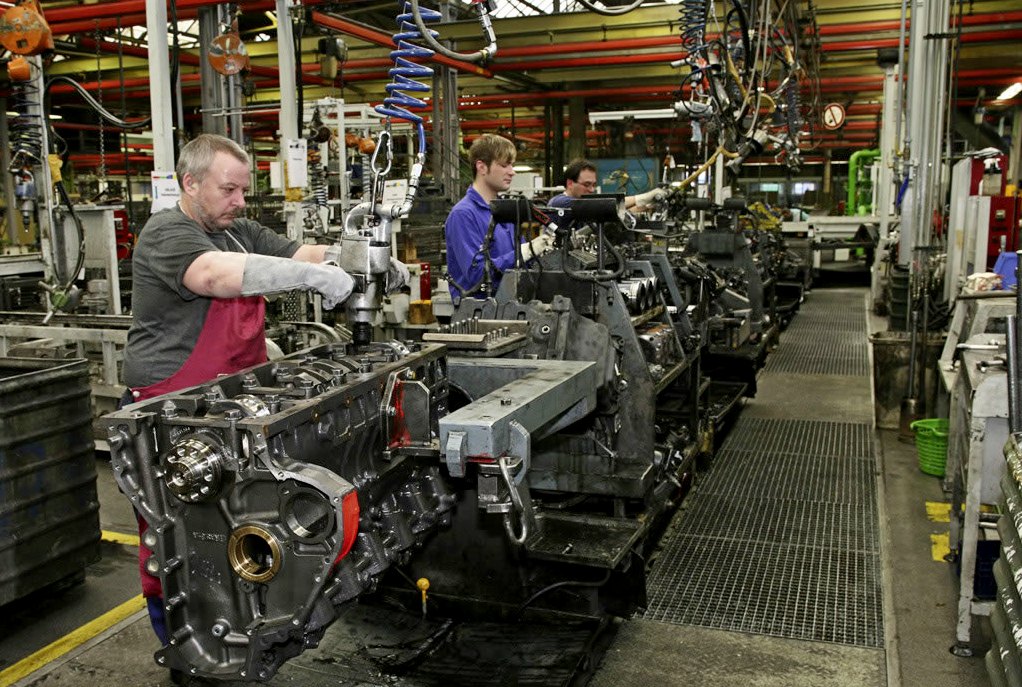
On January 22, 2014, the leadership of the largest Volzhsky Automobile Plant in Russia announced the intention to reduce 7.5 thousand jobs by the end of 2014. 2.5 thousand engineers and employees, as well as 5 thousand workers, should reduce. All 7.5 thousand dismissed from the car factory were offered work at the enterprises of the Far Eastern Federal District. Now 67 thousand people work at AvtoVAZ.
On February 25, at the Volga Automobile Plant for five days, the production of Lada Granta and Lada Kalina cars was suspended. Since February 26, the LADA 4 × 4 SUV was stopped at AvtoVAZ for three days. According to the official information of the Volga Automobile Plant, the stopping of production is connected by reducing sales in the Russian automobile market. Last year alone, the sale of individual Lada car models decreased by 15%.
However, according to the members of the independent union of the Volga unity of the Volga Volga Automobile Plant, the conveyor stopped specifically so that the reduced workers would not arrange a strike. "On March 1, the AvtoVAZ department will publish the names of the first 1.5 thousand reduced workers, and the factory’s leadership is afraid of any protest. While workers are offered to quit voluntarily," by agreement of the parties "," said the leader of "Unity" Peter Zolotarev.
The head of the “official” factory trade union, Sergei Zaitsev, said that “the VAZ employees who have resigned in February will receive five average monthly salaries as compensation, four in March, three more dismissals by agreement of February are already more than a thousand. In March, another 300 people should resign,” Zaitsev explained.
On February 26, the Unity trade union sent a letter to the President of the plant Bu Anderson, proposing to refuse to dismiss the factory. The trade union proposed to reduce the costs of maintaining the managerial apparatus, refuse to use borrowed labor, and temporarily reduce the working day and working week. In turn, the Vice President of Humanities and Social Policy of AvtoVAZ Dmitry Mikhalenko told reporters on February 27 that "the actual number of managers, specialists and employees of AvtoVAZ OJSC exceeds the established standards by almost 13.5%."
As the official media write, the average salary of a working plant: 25 thousand rubles. At Togliatti Internet forums, workers call another amount: 12-16 thousand rubles. Against the background of such salaries, the income of top managers of the car factory look fantastic-in 2013, 12 members of the VAZ board received 337 million rubles only as premium bonuses for the main salary.
Izhevsk:
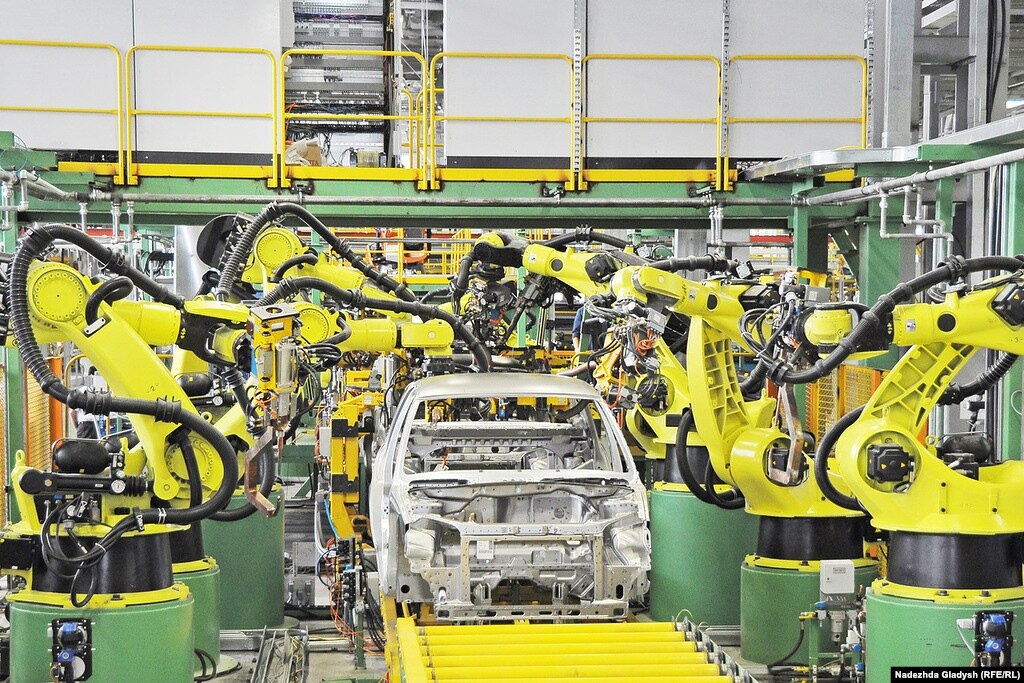
According to the official website of Izhavto, whose assets acquired AvtoVAZ in 2011, its production capacity can produce from 220 to 360 thousand cars per year. These are more than 10 percent of the total potential capacities of auto -assembly of the Russian Federation. But today they are almost loaded by a quarter - according to the results of 2013, 57.771 Lada Granta car, which was 19% more than it was produced in 2012.
The stop of the conveyor occurred in early December 2013 and was connected, as the leadership of the plant stated, with the modernization of production, more precisely, the installation of a flexible welding complex for Renault and Nisan models and staff training. Then more than a thousand employees were sent to partially paid leave, and the same group was sent to study at the recently open training center.
According to the head of the Izhavto press service Sergey Subbotin, today 4401 people work in the enterprise, a set of highly qualified workers continues. The average salary at the car factory is 21.388 rubles.
In 2013, 2.7 billion rubles of investment were invested in the enterprise. In 2014, their volume is planned to increase to 6 billion. The plan for the production of cars for the current year is 80,000 cars of the brand Lada Grant and Nissan in the two -shift operation of the conveyor. The number of workers will increase by more than a thousand people.
The Izhevsk Automobile Plant has existed since 1965, he released the first small draft in December 1966. In the Soviet period of its history, more than three million "Muscovites" of various modifications were made. Before the collapse of the USSR, about 15 thousand workers worked here.
The post -Soviet life of Izhavto turned out to be not easy. The lag in technology coincided with the collapse of the country. The possibilities of modernization were closely linked with the search for strategic partners. They were searched all over the world, both in Europe and in Asia. The production of products fell, at times reaching several thousand pieces. In the 2000s, stopping the main conveyor and sending employees to partially paid leave have occurred repeatedly.
Kaliningrad:
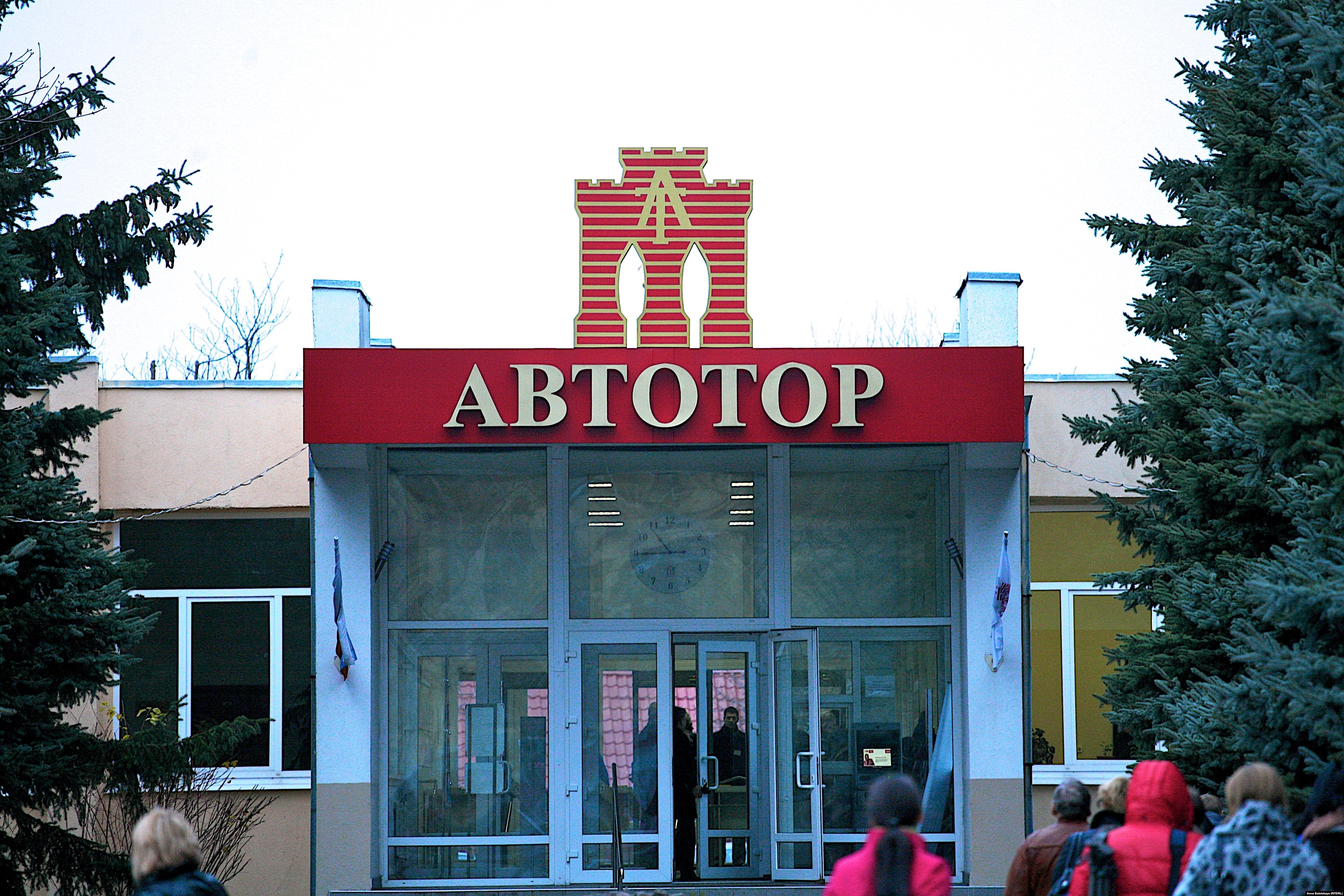
In the territory of the Kaliningrad region, only one production of cars is operating - the enterprise of the Autotor Holding Group of Companies Vladimir Shcherbakov. At the end of 2013, Autotor with a pomp presented the beginning of the creation of an autoclaster at 1000 hectares of land allocated to him for a small rent near Kaliningrad. But production and workshops will appear only in some areas of this territory, most will depart more profitable housing construction. For this project, regional authorities hope to attract more than 15 billion rubles from the federal center.
According to official figures, last year, Autotor in the Kaliningrad region produced about 230 thousand cars, a year earlier - 250 thousand by 2016, when new production should earn, the production of products will remain at the same level - 250 thousand cars.
Taganrog:
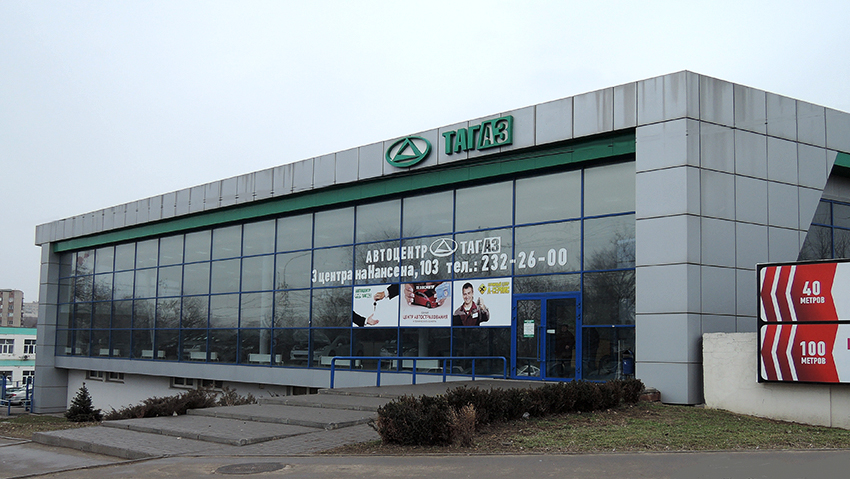
Tagaz, which a few years ago collected cars under the Hyundai brand, can become the birthplace of Russian jeep. Moreover, this can happen no later than July 2014. The fact that the Fiat Chrysler plans discussed since February 2013 for the use of Tagaz capacities for the production of their Jeep Grand Cherokee are close to reality, said the Deputy Governor - Minister of Industry and Energy of the Rostov Region Alexander Grebenshchikov. He assured that both the factory’s lenders and Fiat Chrysler, the owner of the Jeep brand, act.The minister emphasized that the production site of the plant is in a working state, and there should not be problems with the resumption of the assembly. In addition, Chrysler experts visited the factory a year ago and appreciated the capabilities of Tagaz. "12 Chrysler specialists arrived, they conducted a technical audit of production, which is 95% ready for assembly," the representative of the Taganrog Automobile Plant LLC told reporters.
Neither the estimated production volumes, nor the price of new Taganrog jeeps are known. But in any case, the start of the Jeep assembly in Taganrog will help to cope with several problems at once. Fiat Chrysler will finally launch production, because the concern has been trying to organize a Russian assembly since 2011. The company itself will begin to really earn money, and the regional authorities will be able to partially pay off the focus of social tension and return workplaces to specialists.
Now Tagaz is experiencing worst times in its history. The financial difficulties, which in July 2012 led to the introduction of external observation procedures, and in March 2013 - external management, reached a peak. In early February 2014, at the request of numerous creditors, the Arbitration Court recognized the Taganrog Automobile Plant LLC bankrupt.
Although the production is not officially curtailed, the assembly of cars was reduced to a minimum, and in the summer of 2013 mass reductions began at the enterprise. According to the European Business Association, in 2013 Tagaz produced only one thousand cars, including Tagaz Aquila. According to Rostovstat, last year the Don Automobile Plant reduced the production of cars by 89.6% and completely abandoned the production of trucks and buses.
Tagaz was created in 1997. A total of $ 320 million was invested in the construction and equipment of the plant. Since 2001, Tagaz began cooperation with the South Korean company Hyundai and eventually began to produce a wide range of models - cars, trucks, buses. As a result, by 2008, Tagaz produced every second Hyundai sold in the Russian Federation. In 2008, the Taganrog Automobile Plant launched its own Vortex brand - under it were collected by cars of the Chinese brand of Chery. However, after the crisis of the same year, and then the breakdown of relations with Hyundai, the situation at the factory began to rapidly deteriorate, and Tagaz has not yet been overcome by a strip of failure.