
Translated material
Magic map
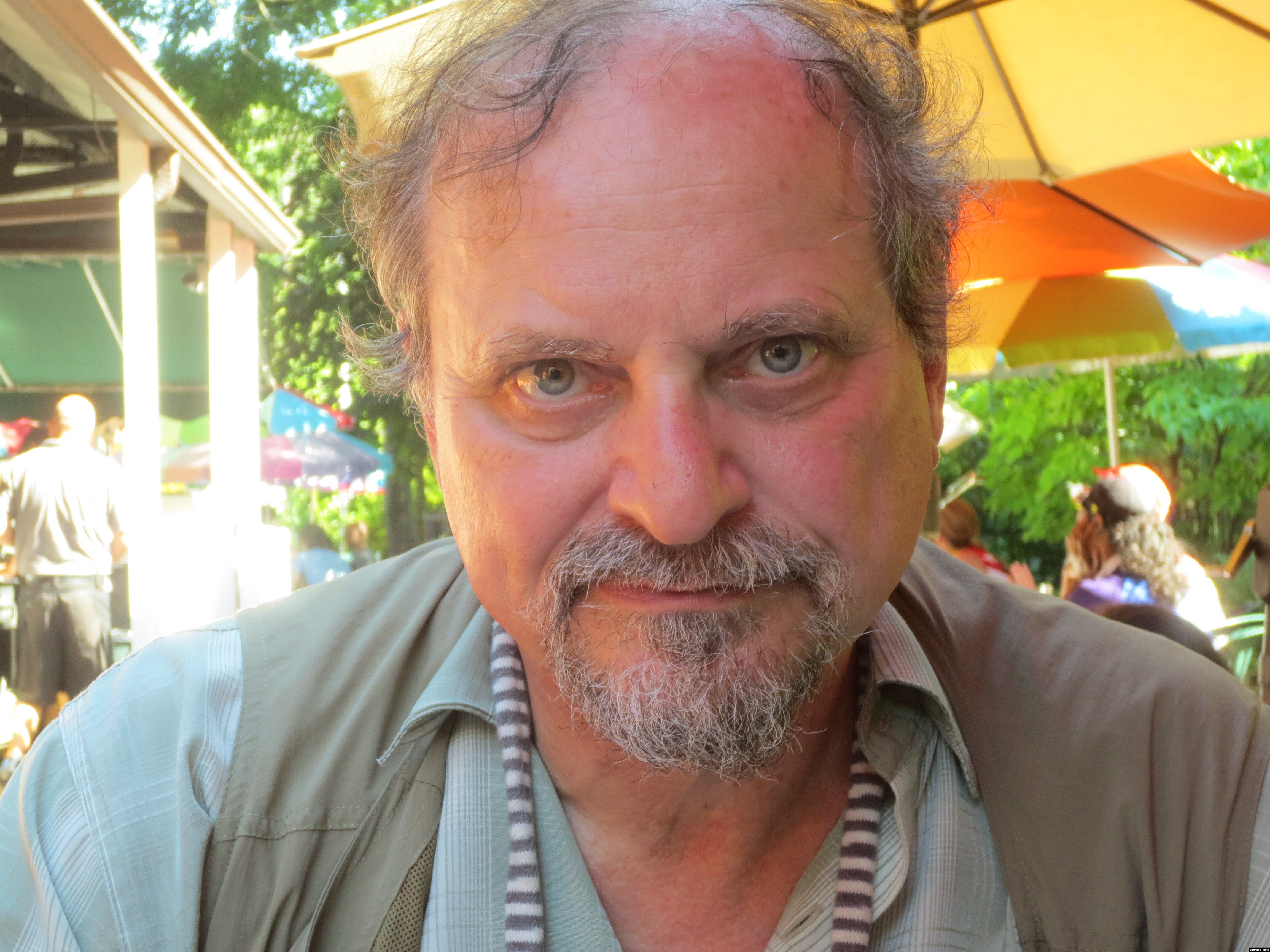
In addition to the literary gift, the writer possessed others. A talented mathematician and an excellent chess player, he raised marvelous apples, traveled the whole world and knew how to argue politely. So it was this time. We sat by the fireplace and slowly talked, of course - about America.
“Understand that Russia simply does not have a way out,” the guest began, “she is forced to confront the United States who want to absorb the whole world.”
- Are you sure?
- One hundred percent. And the White House is not to blame. Such is the indisputable law of sovereign expansion. He forces each country to expand, like gas, occupying all the territories that she manages to capture. So, you yourself see: the conflict is inevitable.
“What do you think,” I asked, “do the United States want to capture Canada?”
“Of course,” he rejoiced, that I immediately understood everything. - America cannot but dream about it. After all, then she would stretch to the Arctic Ocean and would become almost equal to Russia around the territory.
“And Mexico,” I continued in question, “would the Americans also like to join?”
- Mexico? He hesitated.
“Well, yes, Mexico,” I assented. - After all, then America would have acquired tropics. True, she would have to incorporate 120 million ally -speaking Mexicans, extend the social security network to them, expand the American school and medical care system, raise the standard of living to the American and, finally, cope - instead of the Mexican police - with drug cartels. Would you agree with such a prospect? After all, there will be much more on the map of America, right?
The writer pouted and said that he was tired of arguing, tired, and I said nothing out of politeness.
The two -dimensional thinking that the card imposes on us provides for straightforward and monstrously erroneous conclusions: the more, the betterThe fact is that, in my opinion, I know where this crazy theory comes from: from an old-fashioned, more precisely, antediluvian, if you recall the First World War, love for geography. Two -dimensional thinking imposed by a card provides for straightforward and monstrously erroneous conclusions: the more, the better. In the framework of this prejudice, the country's success is directly proportional to the place that it occupies on the globe. Exactly a century ago, this wild point of view led to a disaster, which is rightly called the almost successful suicide of the West.
Stefan Zweig, one of their few intellectuals-pacifists of the then era of universal wildness, recalled how in the early days of the war on the lips of each resident of the beautiful vein was the name of the village in the disputed territory. But soon, he says, in the trenches they forgot about her forever. The abolishing obstacles of the borders of the 21st century, the century of the world web, the European Union and total globalization, would seem to commit the ominous magic of the map. But, as it was with fascism, the return of progress resurrects skeletons in the closet of the national subconscious.
I thought about this by reading a letter of a prominent Russian pianist . Explaining his support for Putin's aggression in Ukraine, he writes that Putin does not have a way out: Crimea must enter Russia so as not to become the 51st state of the United States. I am embarrassed to translate this nonsense to my American friends, for I am embarrassed for a compatriot. But in Russian they read it. Moreover, there are enough those who agree with him. The rest is even worse. It’s scary to think how many reasonable, educated, talented and independent Russians are now thinking about emigration.
And this is the highest price of aggression. Indeed, in essence, one Brin stands Crimea.
Alexander Genis is a New York writer and publicist, author and host of the American Hour program on top of the barriers
Opinions expressed under the heading "Law" may not reflect the point of view of the Radio Liberty editorial