Translated material
Blocking reality
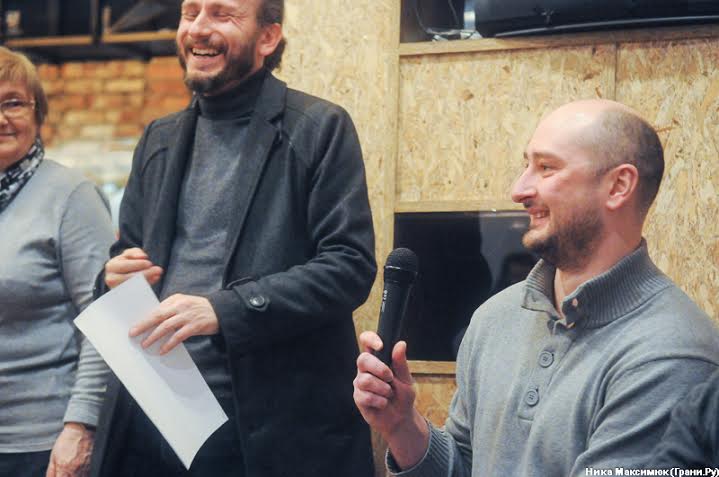
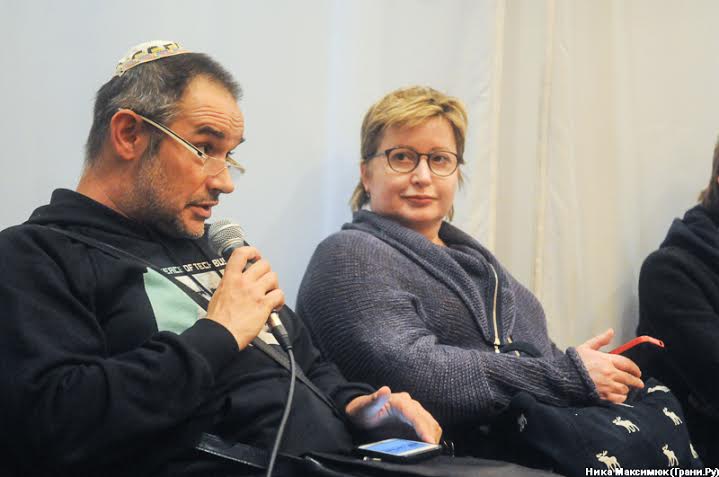
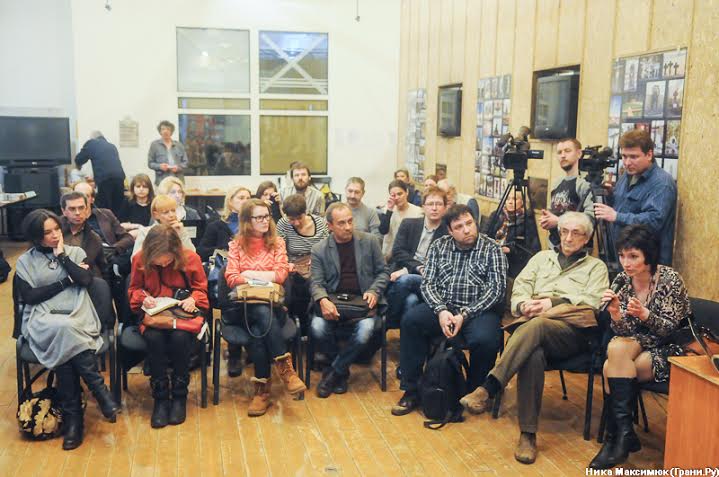
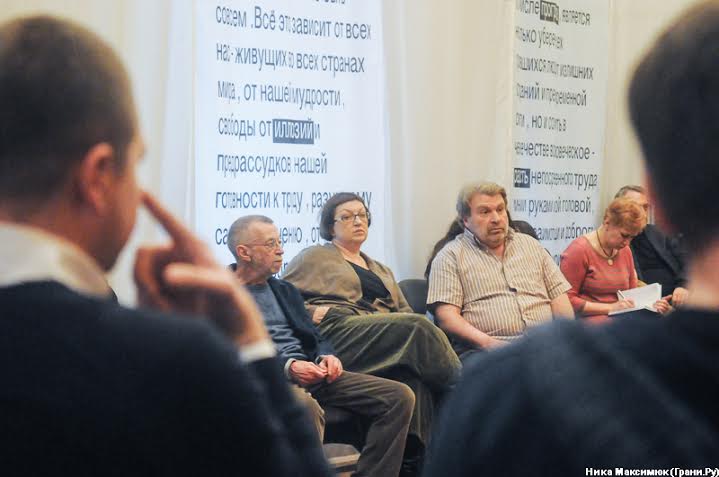
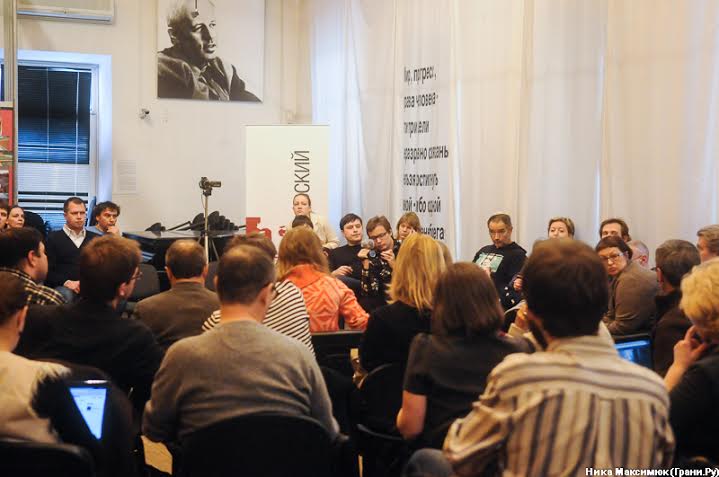
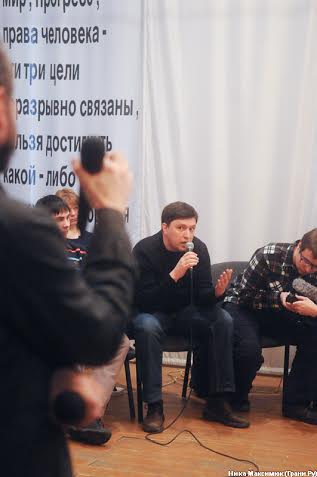
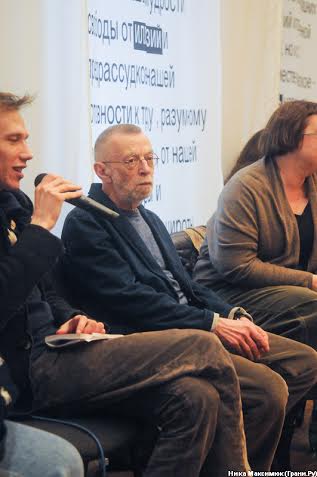
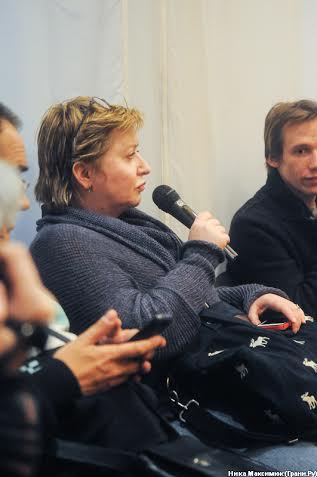
The stripping of the socio-political Internet is in full swing. After the actual destruction of the tape.ru, the authorities used the club of extrajudicial locks - by order of the Prosecutor General’s Office , Russian users closed access to the blog of Alexei Navalny, the sites of Brani.ru, the Yezh.ru and Kasparov.ru, although not a single material published on these resources was recognized as extremist. On the initiative of the "faces" in the Sakharov Center, the Military Council was held.
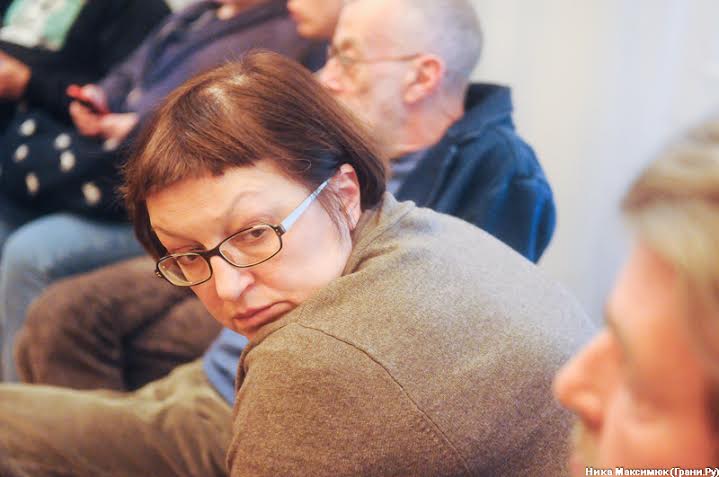
The law on instant blocks of sites by the Prosecutor General , which entered into force on February, contradicts Russian and international legal norms. It is necessary to seek his cancellation through the European Court of Human Rights, says lawyer Galina Arapova from the Center for the Protection of Media Protection. But even taking into account the accelerated procedure for considering Russian complaints in Strasbourg, the struggle for the abolition of the Lugovoi Law will be stretched for many months.
Now it is necessary to convey information to users by common efforts about the methods of access to access. Internet providers could help in this, says Artem Kozlyuk from the Association of Internet users. Galina Arapova and Grigory Okhotin from the OVD-info also hope for the civil consciousness of providers.
Nikolai Lyaskin and his associates in the party of progress consider it a promising distribution of leaflets. Former chief editorial of Lenta.ru Galina Timchenko does not believe in the effectiveness of offline measures and calls for more actively involving the largest communities in social networks in the fight against censorship. Grigory Okhotin believes that the propaganda of censorship bypassing means is effective only for the nucleus of the audience of blocked sites. In his opinion, the time comes the time of new medium -sized media with diversified financing and distribution schemes.
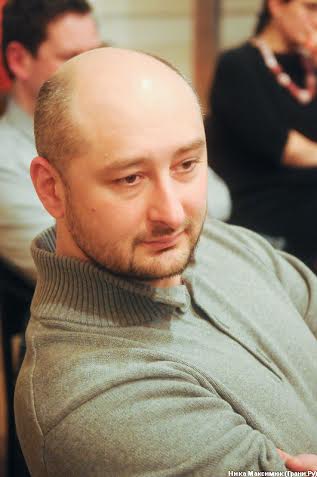
Russia goes along the North Korean path, the ban on Facebook, Vkontakte and other social networks can be considered a vague fact, Anton Nosik believes. He calls on to look for new ways to disseminate information. Irina Borogan (agents.ru) spoke about the successful experience of Turkey, where, after the prohibition of Twitter, they continue to use this social network bypassing blocking. In this suddenly coming "tomorrow" the experience of China, Iran, Sudan and other supercanisarian countries will come in handy. In the conditions of pressure, horizontal connections, network, and not consolidated structures, work.
Grigory Okhotin and the director of the Sakharov Center Sergey Lukashevsky recalled the successful experience of the joint confrontation of NGOs by the law on "foreign agents" . However, there is no need to wait for a rigid joint -solid reaction of the media community to blocking - the remaining few non -certificate media are not ready to connect to a general struggle.
How to read illegally blocked sites
Video Dmitry Zykova:
"We were driven underground": Life after blocking