
Translated material
Get up from the knees and fall in the USSR
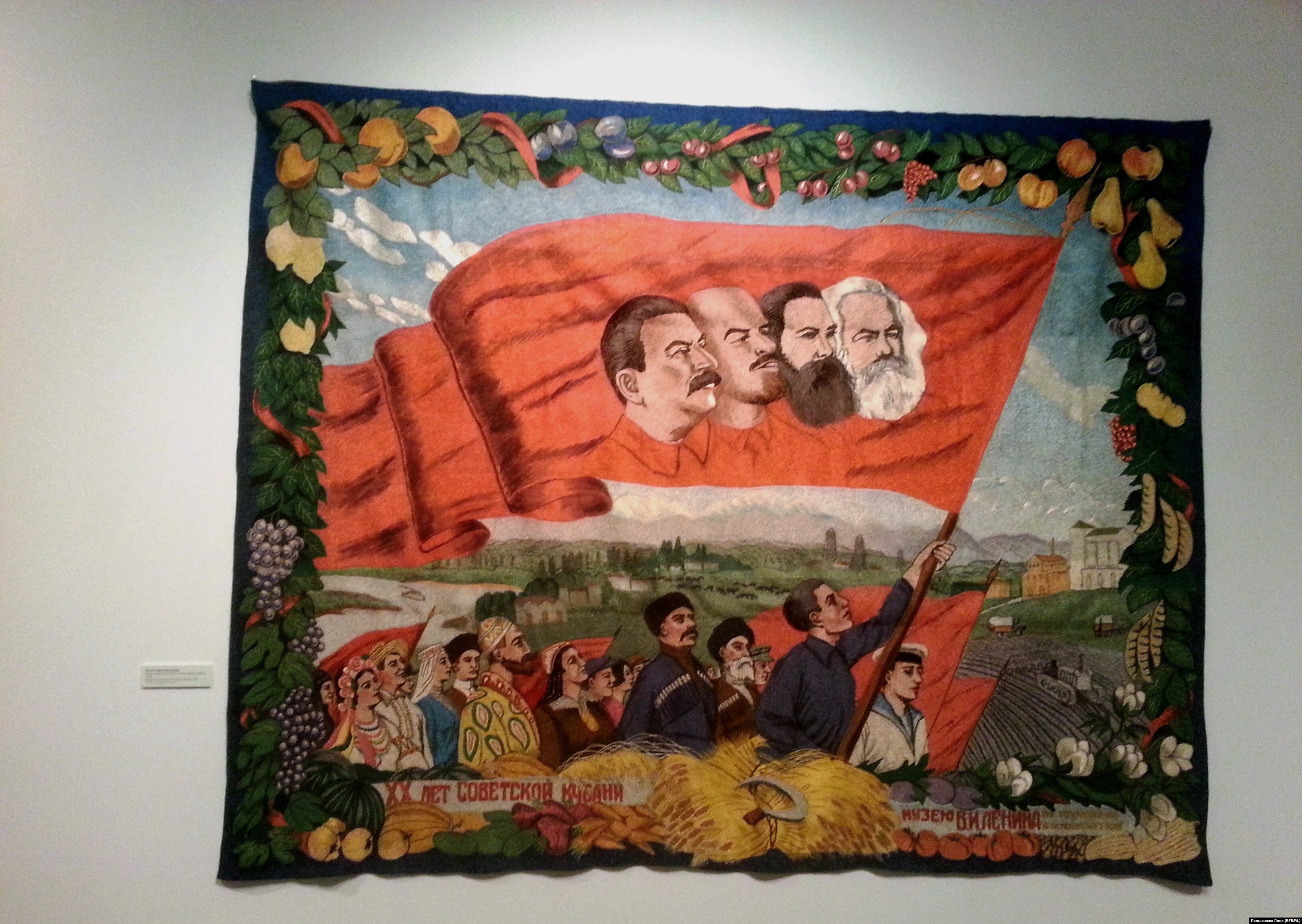
An exhibition of artwork on Stalin-Leninist topics in the actual context looks like a paradigm of the present
"The myth of the beloved leader" is the name of the exhibition, which opened in the Moscow Historical Museum. The project is completely dedicated to the apologetics of Lenin and Stalin in the USSR. Someone exhibition, made in the style of former decades, will seem nostalgic, but a thoughtful visitor will find a lot of roll calls here with today's day.All exhibits come from a meeting of the Lenin Museum abolished in 1991, which accumulated about one hundred thousand storage units. The former director of the former Museum of Lenin, and now an employee of the Historical Museum, Tatyana Koloskova , says that the exhibition she prepared helps to find out the truth about the Soviet era.
- How otherwise, because exclusively originals are exhibited! We show a full -fledged collection of artifacts: these are painting, posters, sculpture, and photographs. The collections of the former Museum of Vladimir Ilyich Lenin joined the structure of the historical museum as a whole, they are not sprayed in different stock departments. The exhibition allows you to trace the evolution of political goals and objectives in Soviet visual arts.
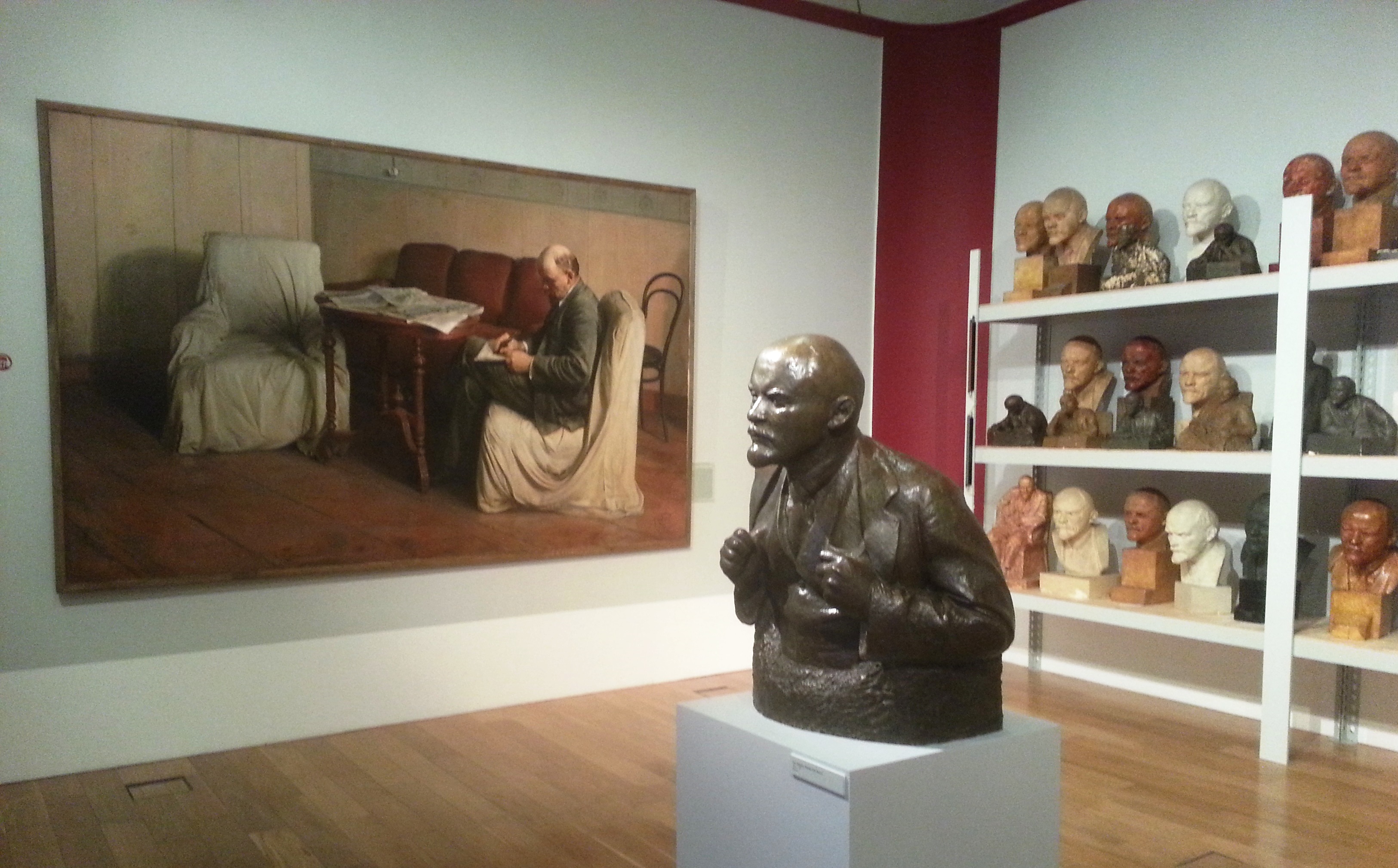
During the installation of this exhibition, I have discovered a lot of picturesque
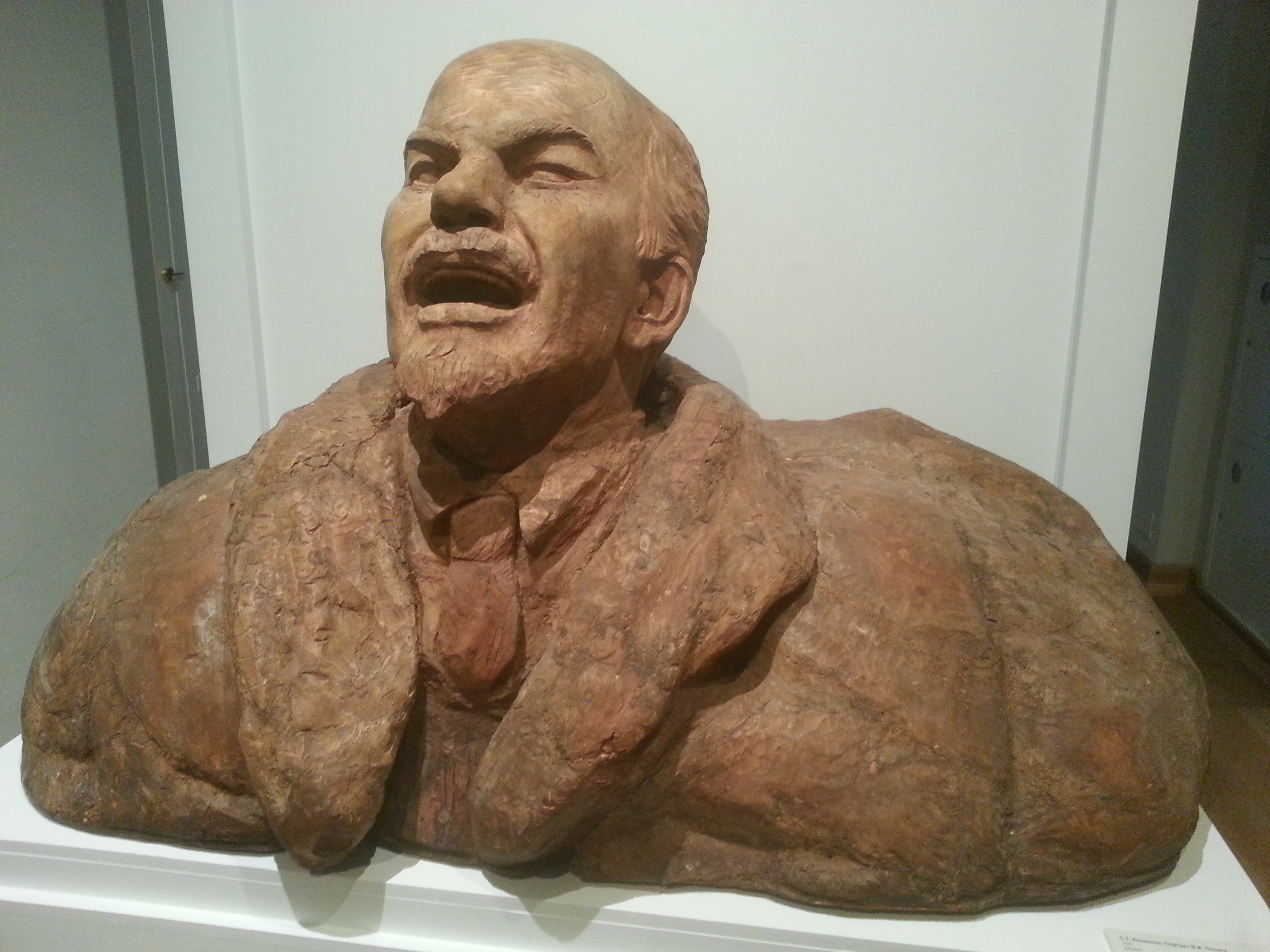
- They did not correspond to the canon?
- Yes. The same can be said about sculpture. One of the halls of the exhibition is dedicated to the sculptural Leninian. There are huge racks - this is like a gear of a fund of the former Museum of Lenin, where Leninian sculptor Nikolai Andreev is represented, who for six years worked on the instructions of the party and government over the image of Lenin as a prototype of monuments to the leader. On these racks - a huge number of models indicating the personal perception of the sculptor and his attitude to the leader of the world proletariat. In the middle of the hall - one single monument that was accepted by Stalin and put into replication. In response to this, Andreev will say: “Ilyich is over, Lenin began,” Tatyana Koloskova reports.
The exhibition "The Myth of Favorite Water", from the first exhibit to the last, of course, is a reflection of reality, just not genuine, but constructed. More recently, such exhibitions caused only evil fun, the discrepancy between the truth of the historical fact and the fiction was too striking. All types and genres of the fine art of the Leninist-Stalin era were a world of prosperity and prosperity, a world inhabited by happy people, who are only busy, that, being in a state of complete euphoria, they build a happy future, happily glory to the leader.
After Gorbachevskaya
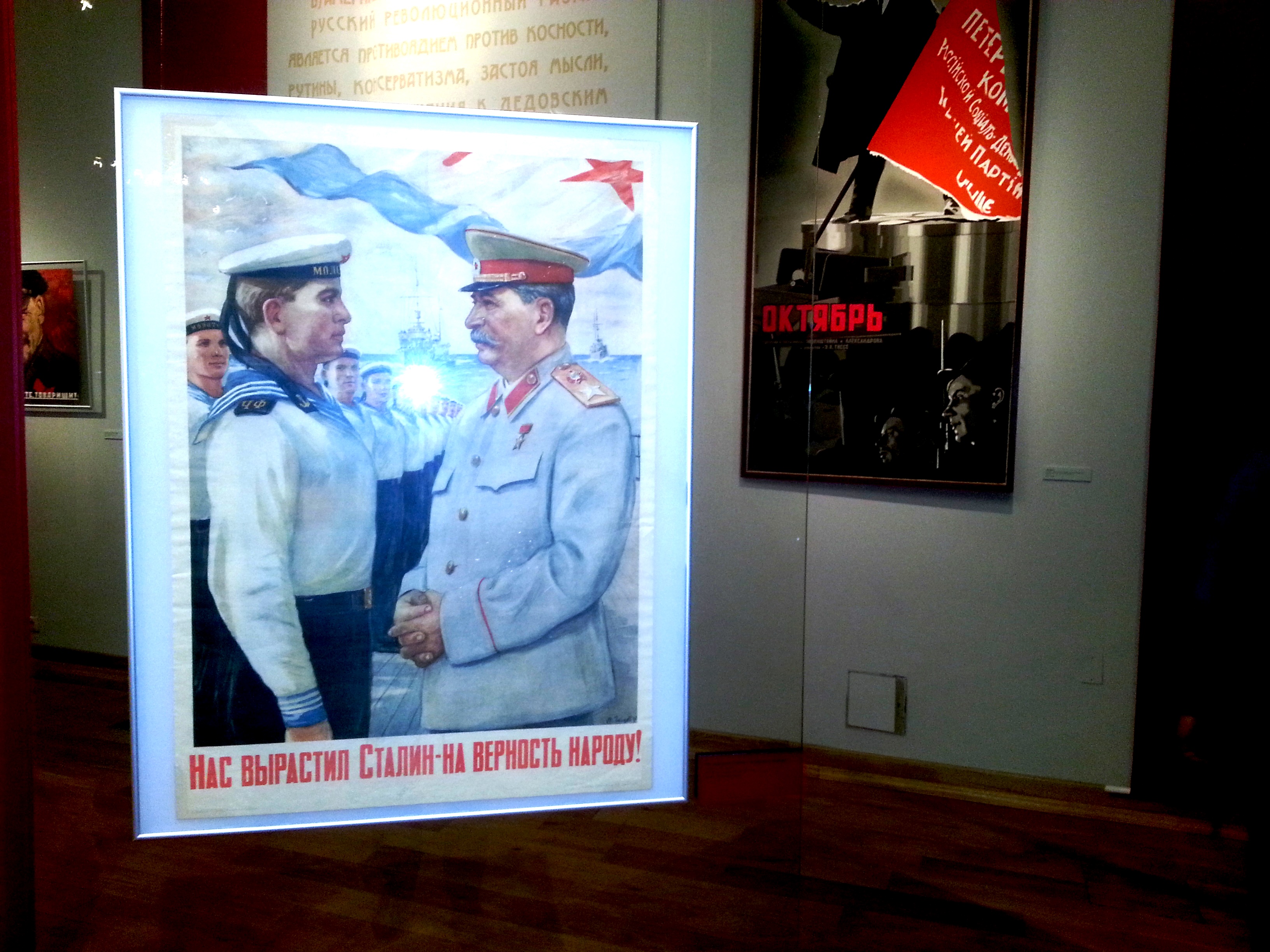
It seemed that all this in the distant past, the society developed immunity to lawlessness. But no, most again applaud the leader and screams "cheers" during the salute in honor of the capture of Crimea. There are no statues of Putin in the squares, but they are not needed: monumental propaganda successfully replaced television. The style is old, proven. First of all, it is excessive decorativeness. At the exhibition in the Historical Museum, Portraits of Stalin are entwined with garlands from fruits and
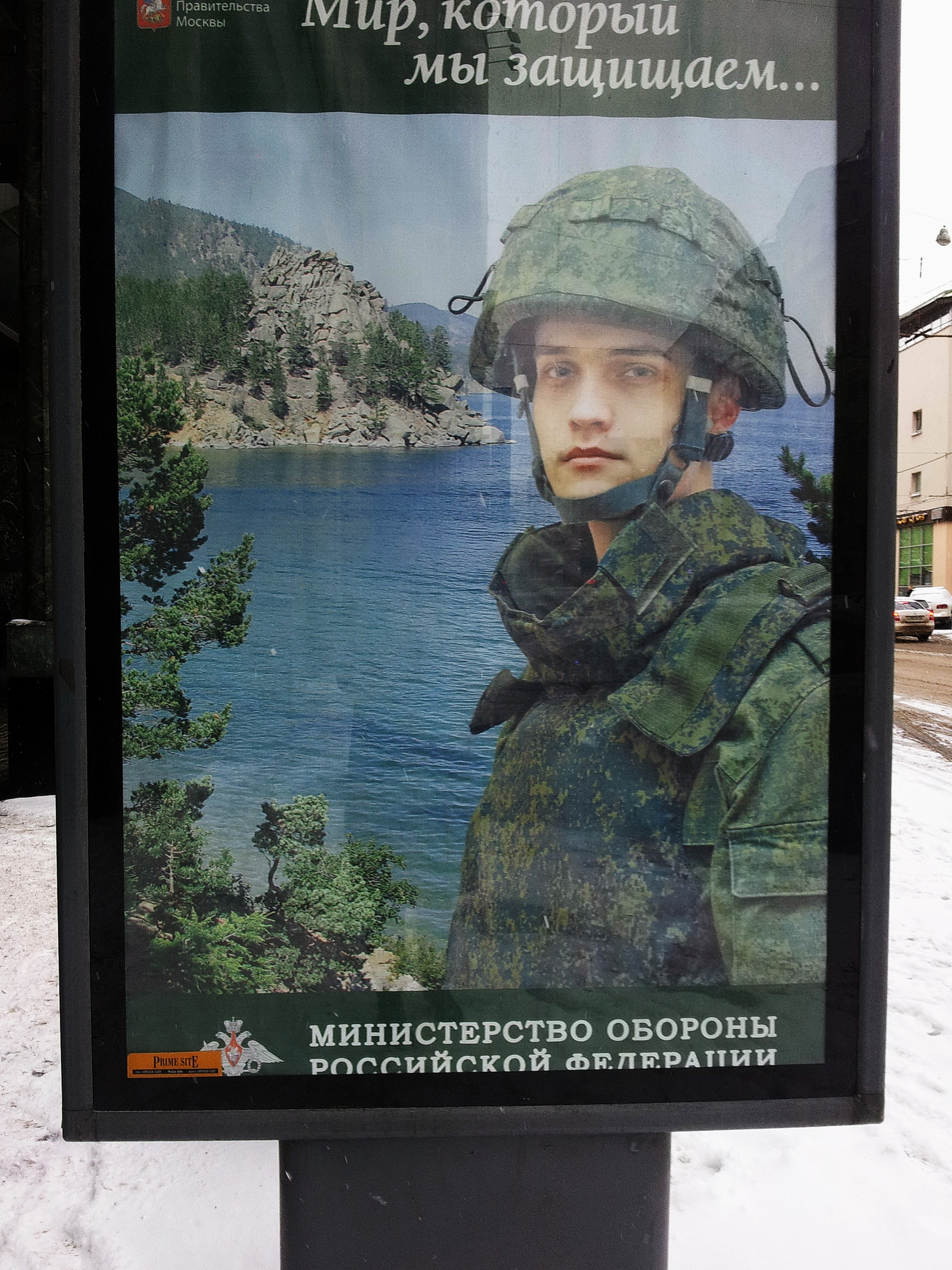
If in the early, 20s-early 30s of the paintings Lenin and Stalin are lost in multi-figure compositions, then later the leader is always separately, a close-up, necessarily from above, he is above the crowd. As you know, Vladimir Ilyich and Joseph Vissarionovich were not tall, but such angles made their figures monumental. Compare with a modern television picture. The current president of Russia is shown in the same way. Everything is in use, a complete set of excess decor, the kingdom of hyperbola.
Fragment of the final issue of the Freedom Time program