
Translated material
Rescuer of antiquities
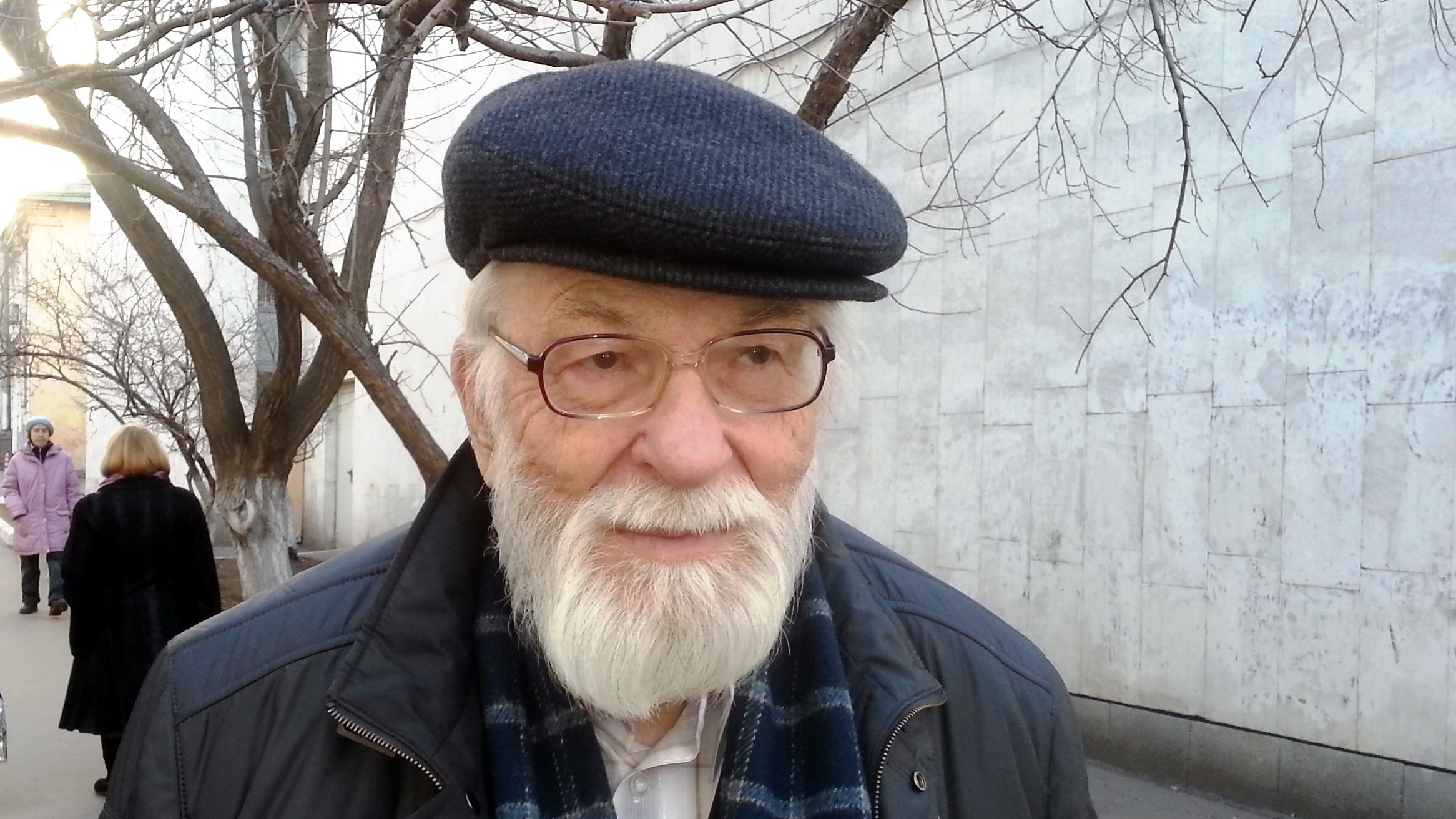
Professor Vyacheslav Orfinsky became the winner of the award named after Alexei Komch. He knows the secret of eternal youth of wooden temples
On Tuesday, April 15, in Moscow the next ceremony of presenting the International Prize named after Alexei Komch will be held . This annual award is awarded for a socially significant civil position in the protection and preservation of the cultural heritage of Russia. This year, its laureate was the director of the Research Institute of Folk Architecture, professor of Petrozavodsk University, academician of architecture Vyacheslav Orfinsky, thanks to which a number of valuable monuments of wooden architecture of Karelia were saved.
For many years in the field of Orfinsky’s concern-the Transfiguration Church in Kizhi. The history of restoration knows different ways of working with wooden monuments. Now it turned out, the best is the so -called "bulkhead". If the structure has squinted, if due to deformations it can fall apart and already individual parts fall out of it, the building is disassembled on a log and a plank, and then assembled again. This was done in the old days, and, it turns out, nothing better cannot be invented. At the same time, the dilapidated and rotten parts are replaced by new ones. General, historical material, competent restorers are trying to save as much as possible, but a larger or lower percentage of replacement is inevitable. This is exactly what is happening in kizhi. The fierce critic of previous methods of working at the UNESCO World Heritage Site, Vyacheslav Orfinsky is first calm for the fate of the Church. He refers to the replacements philosophically:
- We can say this is a symbol of our whole life - a gradual dying and replacement. We are not injured by a change, it is inevitable anyway. We are injured by the haste with which it comes. There are two components of authenticity. This is authenticity
We are injured not by a change, but a haste with which it comeshistorical material, that is, wood, and the authenticity of technology. The authenticity of the technology is eternal. Now her share in restoration science is increasing. The method that is realized in kizhi is the secret of eternal youth. Yes, there will be changes. In the end, someday the previous, old material will not remain at all. But by that time everyone will already get used to the once made replacements and will not notice them. There will be a calm realization that this is inevitable; What happened to happen. It is like ancient Roman sculptures do not upset us, although they are often copies of even earlier Greek sculptures.
- You are the creator of the new scientific direction - ethno architectural studies. What is it?
- This is a comprehensive study of objects of cultural heritage, from the standpoint not only of architecture, but also in history and ethnography. This explains, for example, why a sacred grove next to some graveyard and an ancient chapel is no less valuable than the chapel itself. And these groves in Karelia cut unreasonable people!
A few years ago, we saved the village of Panozero. She was threatened by flooding due to the construction of the Beloporozhsky hydroelectric power station. Meanwhile, the Kemsky cascade has already destroyed many villages, they poured entire settlements. In general, the whole north was devastated by the construction of the hydroelectric power station. The territory was used for wear. Entire ethnic groups of the population moved to new places, they lost their identity. This is a real genocide! In the end, one village was unstable in the Kemsky district - a five -hundred -year -old Panozero. This is a pure Karelian northern village, by nationality all its inhabitants of Karelia. There are completely different laws, other customs. The village is very interesting, peculiar layout, good grove. There are a lot of interesting differences from Russian wooden architecture in the Karelian national architecture. The struggle with the authorities for Panozero was very persistent. I must say that the main curator of the project was Chubais. Do you know this personality?
- Certainly. And how did you manage to win such a powerful person as Anatoly Chubais?
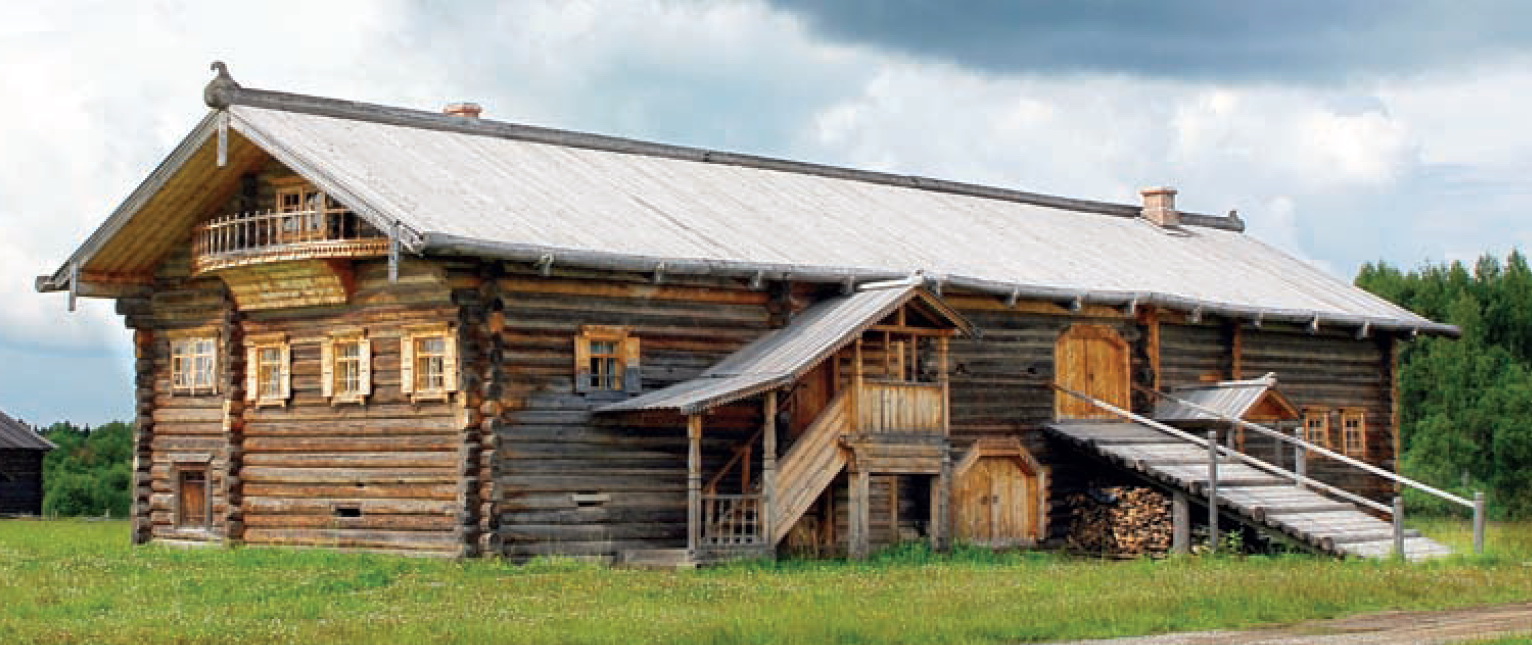
- You live in Petrozavodsk and do, in addition to villages, the cultural heritage of this city. If you compare the rural and urban ancient buildings in Karelia, which monuments have more preserved?
-In Petrozavodsk there is little ancient, although in fact this city is the same age as St. Petersburg and his provincial brother. For me, this is a special city, I left it in evacuation when I was 12 years old. And this departure from Petrozavodsk is a line between youth and early growing up. I was spoiled by Mamenkin 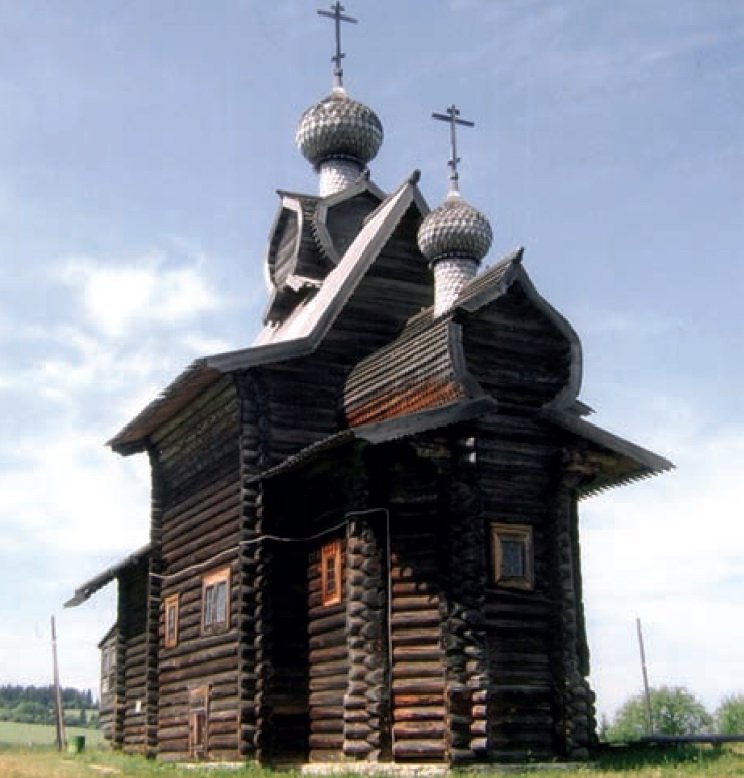
-So, after all, in Petrozavodsk, at least something is left if you saved something from demolition and distortion?
- Left! There are separate houses. The main thing is that here the relief is peculiar. This is a city of interfluve, it descends to the lake with an amphitheater. Street layout is a harmonious scale. Even in Petrozavodsk, the best ensemble of Stalinist classicism, in the provincial calm and discreet. It was the most beautiful city. Now he was spoiled.
- Modern development?
- Yes, modern buildings. When they began to call on to revise the historical layout so that it does not interfere with the business. 2006 was a turning point when mayor Viktor Maslyakov came, the city in a short time degraded several orders of magnitude. I hope you can do something else. I hope that in Petrozavodsk something else can be saved, but it is increasingly difficult and difficult to do. The courts stretch one after another.
- You are primarily known as a person who is engaged in Karelia. But there is another page in your biography, namely, you fought against the construction of the Okhta Center in St. Petersburg. Why did you connect to this struggle? After all, this is not your topic .
- You see, the three best monuments of Russia are the historical center of Moscow, the ensemble of the center of St. Petersburg and the ensemble of the Kizhsky graveyard. They were the first to be included in the UNESCO list and were the first to be at risk of death. We will protect them further, - Academician Vyacheslav Orfinsky is sure.
Fragment of the final issue of the Freedom Time program