
Translated material
Between Fukushima and Putin
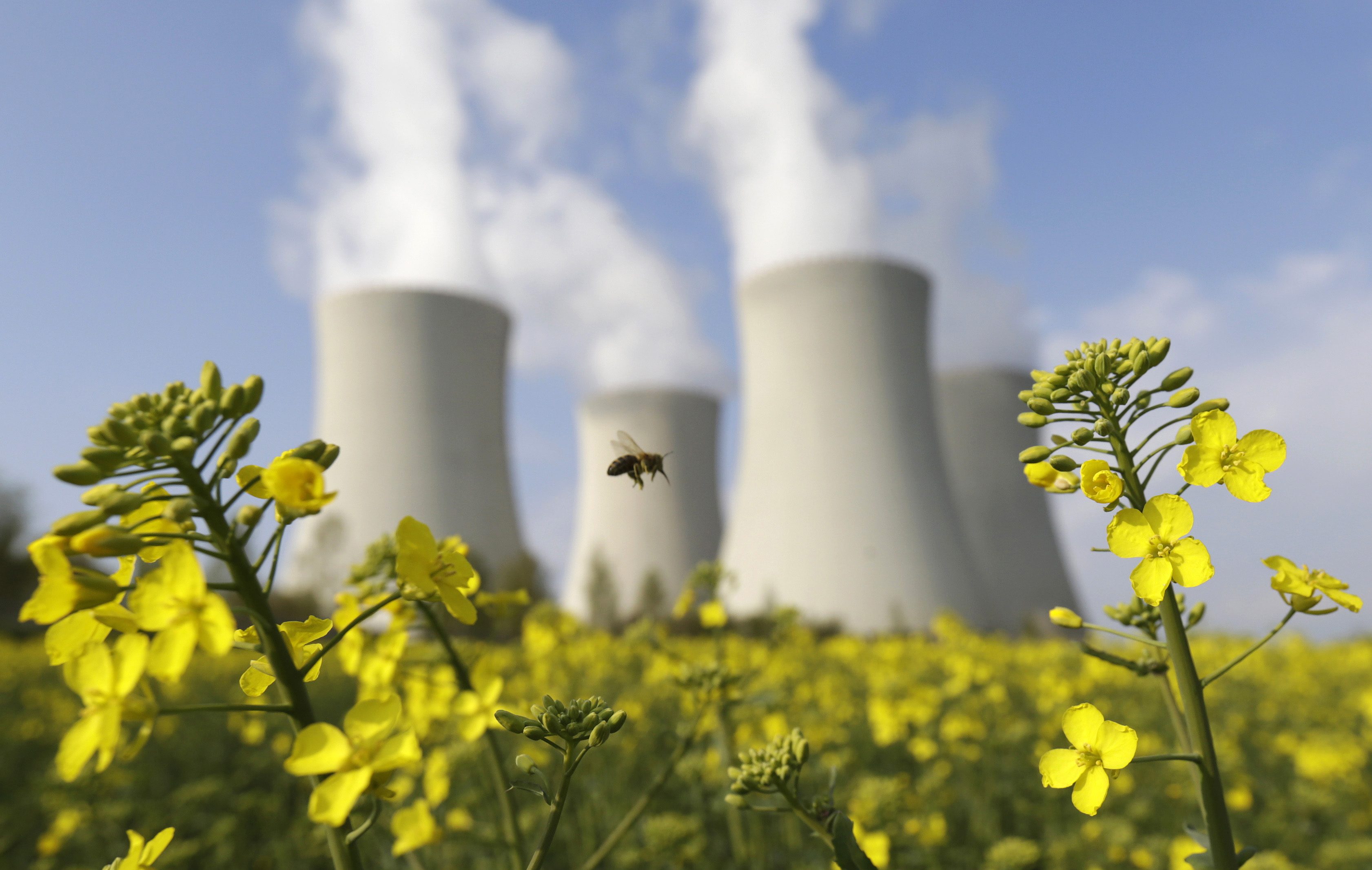
Along with the "gas", Russia plays a "atomic" map in Europe. The European Union does not yet have a single circuit
How to escape from the Russian pipe, more precisely, from the political risks that excessive energy dependence on Russia carries with it? As the Ukrainian crisis deepens, this topic is increasingly discussed in the European "top".The main ways to get rid of this dependence are three. The first is the diversification of oil and gas supplies to Europe (now, in general gas consumption by EU countries, the share of Russian raw materials annually ranges from 25 to 30%). The second is the emphasis on renewable energy sources (VIE). And the third is the development of atomic energy.
The European Union still does not have a single energy policy. There is a set of general priorities and goals in this areaThe European Union still does not have a single energy policy. There is a set of general priorities and goals in this area - for example, to reduce by 2020 by at least 20% of emissions into the atmosphere of gases that cause a greenhouse effect. To this end, in particular, the construction of power plants operating on the energy of the Sun, wind and other renewable sources is fully supported. In February of this year, the European Parliament approved a plan according to which by 2030 at least 30% of electricity in the European Union should be produced at the expense of renewables. On the contrary, the ecologically oriented part of the European community looks obliquely on traditional energy using coal, oil and gas.
Atomic energy in this regard turned out to be somewhere between the ideal environmentally friendly energy of renewal and “dirty” energy of coal and gas. The nuclear reactor, of course, does not produce environmentally harmful emissions into the atmosphere, but only if this reactor does not happen, and this, alas, is not safe from this. The Chernobyl disaster has occurred for a long time, and they began to forget about it gradually. But the 2011 accident at Fukushima again reminded the whole world of the problem of security of the nuclear power plant. Immediately after it, Germany announced a sensational decision - to abandon the further development of atomic energy.
German energy revolution
At the end of 2010, Vladimir Putin , speaking at the annual economic forum in Berlin, said about popularity in German society the ideas of refusing atomic energy: "I do not want to comment on it, but I don’t understand what you will not want to drown? You will not develop the gas, will you develop nuclear energy. Will you be drowning with firewood?" After a small pause caused by a loud laugh in the hall, Putin stated that the Germans and "for firewood should go to Siberia." “You don’t even have firewood,” he concluded. But already six months later, after the tragedy at the Japanese nuclear power plant in Fukushima, Germany made the final decision to refuse to use nuclear power plants. It was decided to turn off eight nuclear power plants immediately, and the rest are supposed to be gradually disable by 2022.
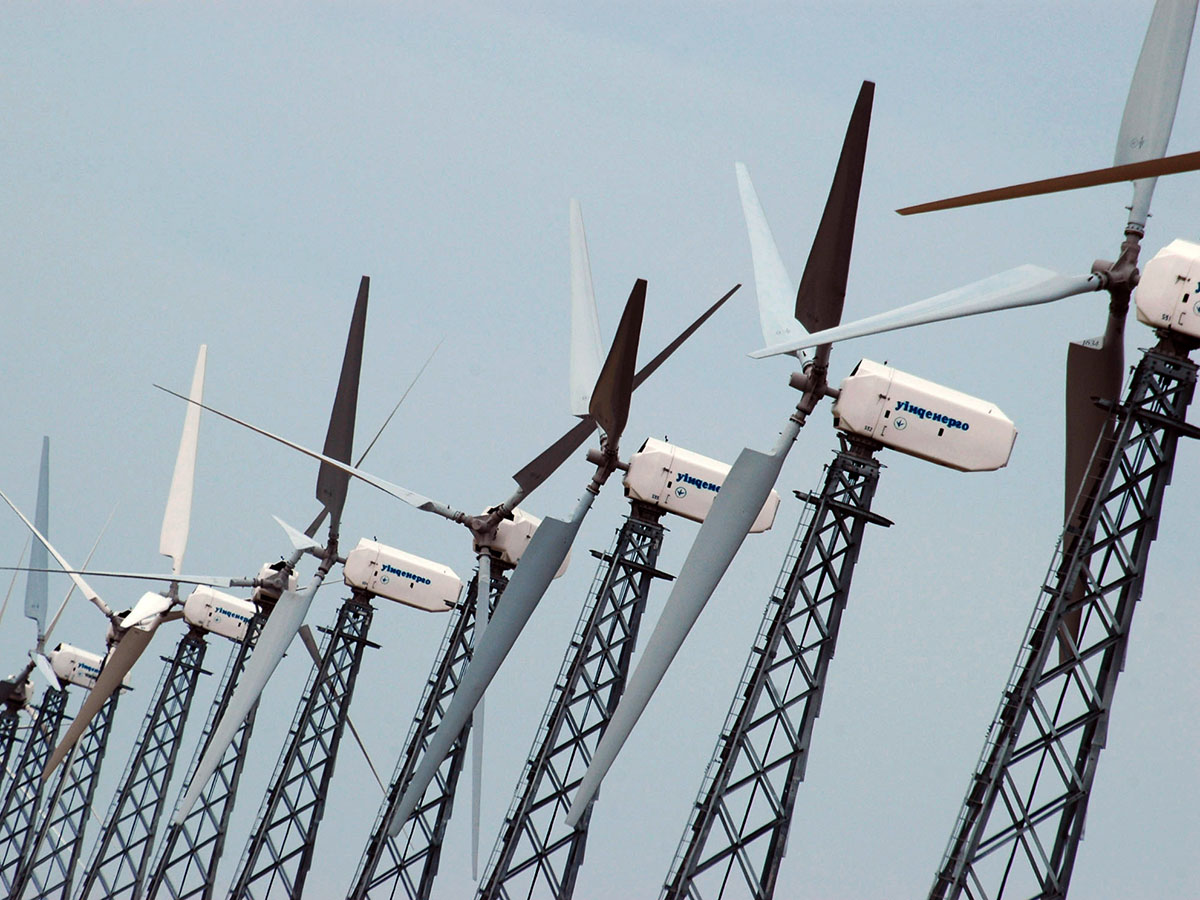
It is interesting that with its latest decisions, the government deliberately inhibits the development of the sector of renewable energy sources - its authorities want to bring to the desired condition later. Tactical goal is to give time to the history of energy to restructure business. Therefore, part of the government plan is the temporary activation of the use of coal as fuel and an increase in its production. This decision was criticized by many deputies of the Bundestag from the Green Party.
Says the co -chair of the Soyuz90/Green party Simone Peter :
-The electricity remains, and will remain, unfortunately, dear, because the Vice-Chancellor Sigmar Gabriel and the government do not want to review fat discounts for the industry. Vice-Chancellor protects German interests in Brussels, but, unfortunately, the interests of not ordinary consumers, but large industrialists. However, this should not be in the future. Of course, we should continue to support those who are involved in international competition, but many other manufacturers could abandon privileges, since ordinary consumers and middle -sized entrepreneurs are forced to pay for them as a result. We say: let's better stimulate energy production from renewable sources, let's provide honest prices for consumers, let's reduce the use of coal, and then we will come to stable electricity prices.
But the opinion of the Prime Minister of the Earth North Rhine-Westphalia, Social Democrates Hannelore Kraft :
"Energy turn" is an ambitious project that cannot be carried out for free. But this is a project that promises good results- We have no right to mislead people. "Energy turn" is an ambitious project that cannot be carried out for free. But this is a project that promises good results. If we can promote the production of electricity from renewable sources so that we will achieve the goal - to provide a country by 80%, we will also get very, very cheap energy. And we will become independent from foreign suppliers. And this is also very important how we have been convinced lately. Before us is a path that requires costs that we must, of course, try to reduce. All this is the goals of our reform.
Voice from another part of the government camp. Says the chairman of the parliamentary commission on economics, representative of the Bavarian Party of the CSS Peter Ramzauer :
- We started the Energy Turn project three years ago. This was and is an unprecedented phenomenon. Therefore, all risks and side effects could not be calculated in advance. As a result, we are forced to pay for our training, and we will still pay a lot as they advance to the goal.
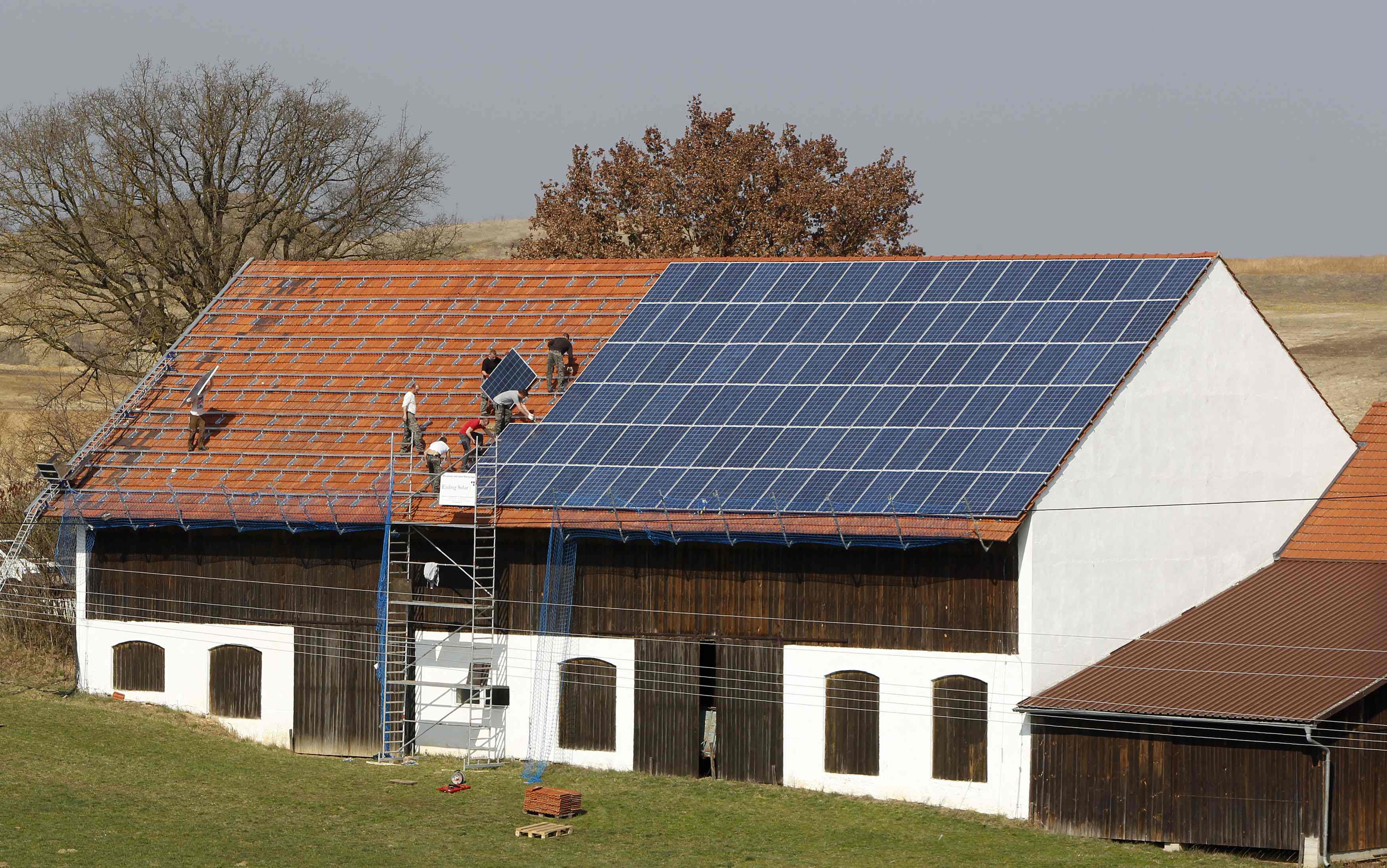
Optimism causes the fact that already in three federal lands-Brandenburg, Saxony-Angalt and Schleswig Holstein-more than 49% of the need for electricity is covered by chickenpile generators. In the land of Mecklenburg, the passing of the sponds is more-54.3%. Vetryakov in these lands is from 2 to 5 thousand, and in the Lower Saxony there are most of them - 7646. But there their contribution to the energy supply of federal land due to its magnitude and structure of industry is more modest - 25.5%. In general, the Germans already have something to be proud of. Therefore, criticism of green, reproaching the government in poor PR of their own achievements looks quite convincing. Says Anton Hofraiter , head of the green faction in the Bundestag:
Atomic Czechs
In neighboring Czech Republic, the attitude to atomic energy is exactly the opposite. The right and left -wing parties, replacing each other in power, are united in opinion: without nuclear power plants, the Czech economy cannot be dispensed with. Here is the opinion of the current prime minister of the country, the Social Democrat of Boguslav Sobotka : “In the future, one cannot count on the fact that the Czech Republic will do without atomic energy, especially given our obligations to limit the emissions of carbon dioxide into the atmosphere. Therefore, we will have a serious discussion about how, when and how we will finish our nuclear power plants.”
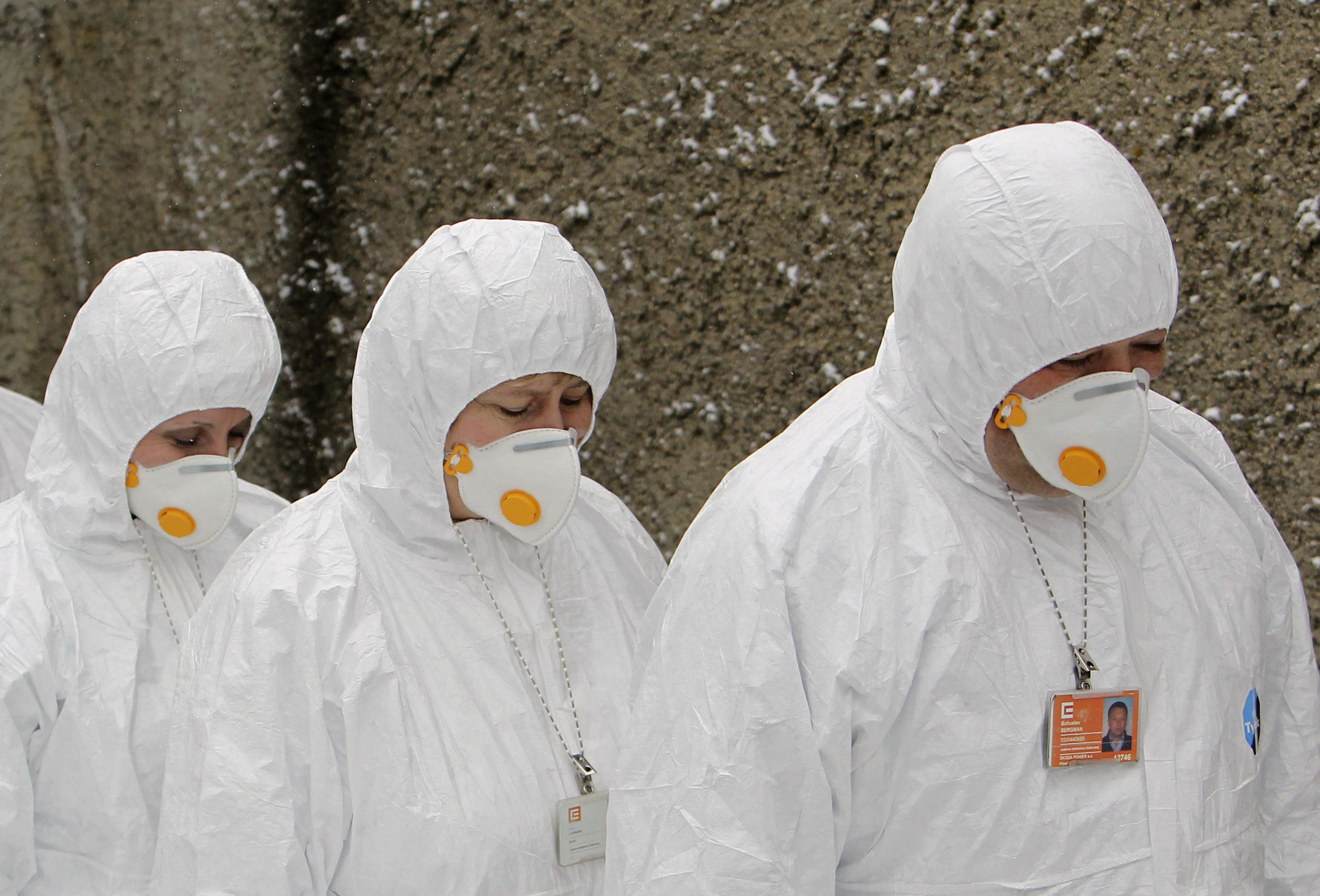
Daniel Benesh, General Director of the company, rejects the political background of the abolition of the tender. According to him, the whole thing is in money, more precisely, in their absence. Prices in the European electricity market have fallen sharply and now amount to approximately 35 euros per 1 megavatt-hour. In early 2009, when a tender was declared, they were twice as high. A price of at least 60 euros for Megavatt-hour was laid in the project, in which the costs of completing and reconstruction of the Temelin NPP would have paid off. When it became clear that there was no need to dream of such prices, čez turned to the government with a request to guarantee that the energy produced in Temelin would be purchased at fixed prices, and thereby čez would regain those billions that would pay the contractor for the construction of reactors. The government did not give such guarantees: the Czech treasury is not in the best condition today. As a result, the tender decided to cancel, although its participants have already spent millions of dollars on the development of projects and the legal support of their applications.
True, Daniel Benesh believes that the construction will still be - but, apparently, not in the dark nuclear power plant, in Dukovany: “I think it will be correct if they are coupled earlier than expected. The introduction of the new block can coincide with the two old stops. While the closure is planned for 2035. Until that time, you can have time to build a new block.” In this case, in this case, it will be possible to avoid the same problems that can be canceled by construction in Temelin, the head of the company čez, however, did not specify.
The deadline for the activities of parliaments and governments usually does not exceed four years, while the development of the energy industry is calculated in the time horizon for about forty yearsThe decision of the Czech authorities most rejoice at local environmental activists and their Austrian colleagues, who regularly held protests on the border of the two countries (the Cemlinsk nuclear power plant is located very close to this border). Specialists in the field of physics and energy are less optimistic: they indicate that the Czech Republic, which is now a major electricity exporter, will soon close several old thermal power plants, after which, if the local nuclear power plants are completed, an excess of electricity can be replaced by its deficiency. The physicist of the Frantski Janoukh in an article in the large Prague newspaper Dnie indicates in this connection the experience of Sweden and criticizes the current energy policy of Germany: "The period of the parliament and governments is usually not exceeding four years, while the development of the energy industry is calculated in the time of about forty years. It was decided to close everything until 2010 in Sweden. In 2008, having familiarized himself with the calculations, the parliament was forced to cancel its own solution, and even later canceled the ban on the construction of new reactors.
Leave the nuclear power plant so as not to starve
In other countries of Europe, more than the Czech Republic and even more than Germany, which suffered from the economic crisis, the debate of the future of atomic energy are associated not only with considerations of safety, ecology or state budget, but also with the fact that nuclear power plants are a place of work and a source of income for hundreds of families. And this is very important in an unfavorable economic situation.
In Spain, five nuclear stations are currently operating. They produce approximately 21% of all electricity. The sixth station - under the name "Santa Maria de Garonya" , in the province of Burgos in the north of the country, was closed in 2012. It lasted 42 years, and therefore, according to the legislation, which was valid until recently, exceeded the life of 40 years. However, now the Spanish government has changed the law. From now on, nuclear stations that have worked out the specified period, but have no problems in terms of security, can continue to work for another 10 or even 20 years.
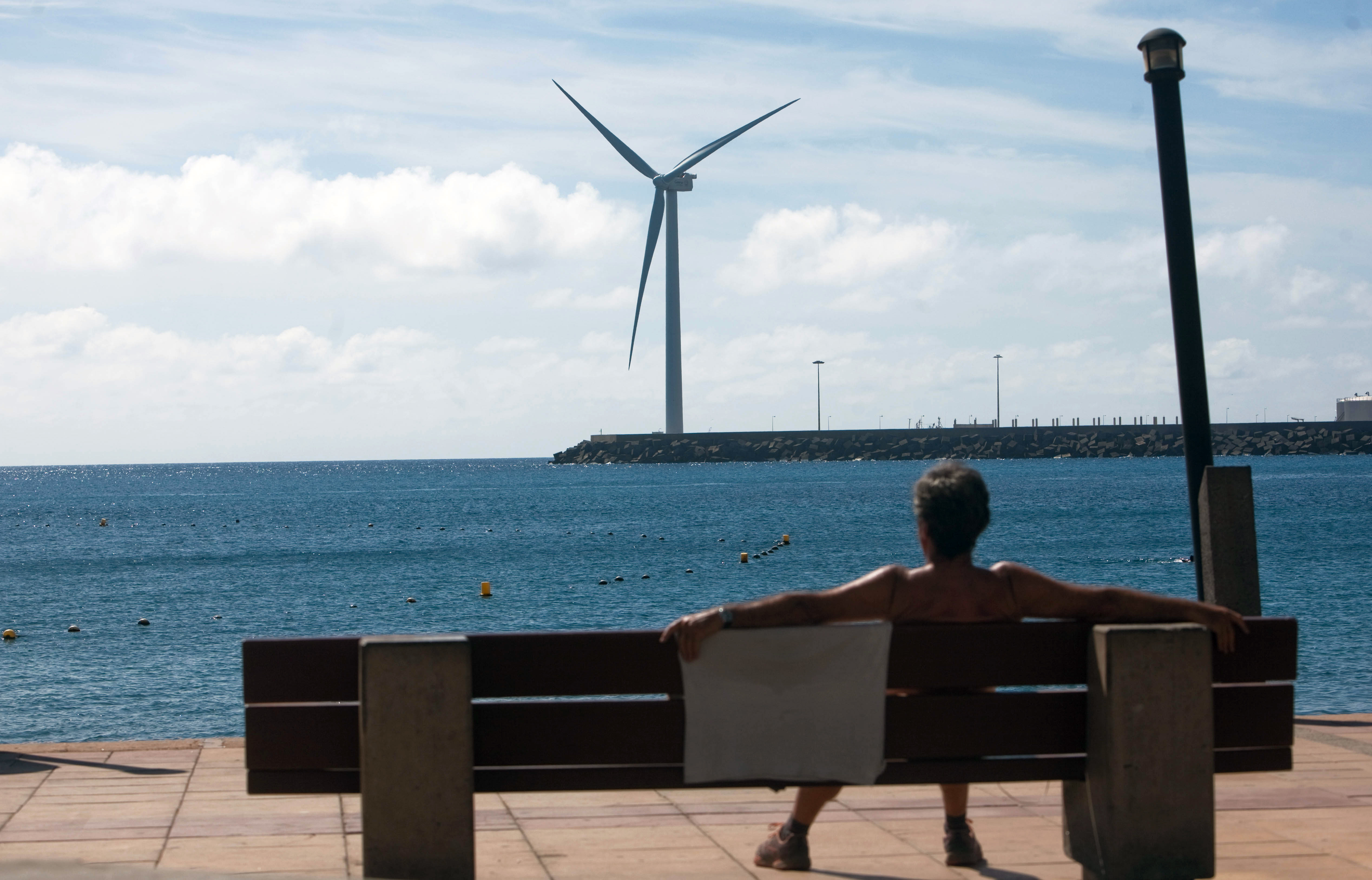
- The new law changes the old position on nuclear and radioactive objects from 1999. It enables the owners of the objects who have worked out their term to resume the activities of these structures, but only if there is no radioactive threat and if the closure did not occur due to safety.
Thus, the Santa de Garonya station, which, according to the Spanish State Council for Nuclear Security, is in good condition, can soon resume work. The government’s decision, according to Saens de Santamaria, was dictated primarily by economic considerations. The country needs cheap electricity. Indeed, today, for example, many Spanish families cannot, because of its high cost, allow themselves to fully heat the home in the winter, not to mention the cooling of apartments in a 40-degree heat. We are talking about about 9% of families, or about 4 million inhabitants of Spain.
Meanwhile, environmental organizations are against the resumption of the nuclear power plant. They refer to the potential danger of Santa Maria de Garonya. In March, a group of Greenpeace activists entered the territory of a non -working station and arranged a protest. Nine activists were detained and fined for violation of public order and disobedience to the police. Alberto Frias , an activist of the environmental movement, accused the state, in particular, that it operates in the interests of private companies operating atomic stations:
- The Garonya station is as reliable as Fukushima before its accident on March 11, 2011. By the way, both stations are similar in their design. Both of them have long been outdated. In addition, in the vicinity of the station there is a larger percentage of cancer than in other areas. Well, in the river - water and fish there are radioactive elements.
The energy industry in Spain is now unprofitable. Her debt is 26 billion eurosGiving in the pressure of environmental organizations, the Spanish authorities in 1984 froze the construction of new nuclear power plants. And the old ones have since closed as their "age" resource was being developed. In the last decade, in an attempt to find an alternative to atomic energy, in Spain a long -term ambitious program for the construction of power plants using the power of wind and the energy of the sun was adopted. However, the energy produced using these so -called "renewable" sources turned out to be too expensive. So this program had to be partially frozen. The energy industry in Spain is now unprofitable. Her debt is 26 billion euros. And this despite the fact that the tariffs for electricity, which, by the way, has never been cheap in Spain, have been growing continuously - over the past two years they have doubled.
So independent experts - both economists and nuclear workers -, following the specialists of the Nuclear Security Council, justify the extension of the life of Santa Maria de Garonya, believing that it can still serve people. In this matter, they propose not to proceed from emotions, but exclusively from facts. Инженер-атомщик Хосе Луис Пинильос категорически отрицает повышенную радиацию в районе станции и наличие там большого числа случаев раковых заболеваний:
– Известно, что большинство людей настроено против атомной энергетики. Многие годы ведется кампания по ее дискредитации. Тем не менее "Гаронья" всегда была надежной. Об этом говорят эксперты – наша профессура, многие ученые. И если они нам говорят, что эта станция надежна, думаю, им стоит верить.
Против закрытия АЭС "Санта Мария де Гаронья" высказывается и еще одна большая группа испанцев. Это служащие станции, их родственники, работники связанных с ней служб и смежных организаций. Против выступает и местное население. Ведь в случае закрытия станции на улице окажутся не только ее работники – уровень деловой активности упадет во всей округе. Опустеет сразу несколько поселков, жители которых вынуждены будут мигрировать в поисках источников существования.
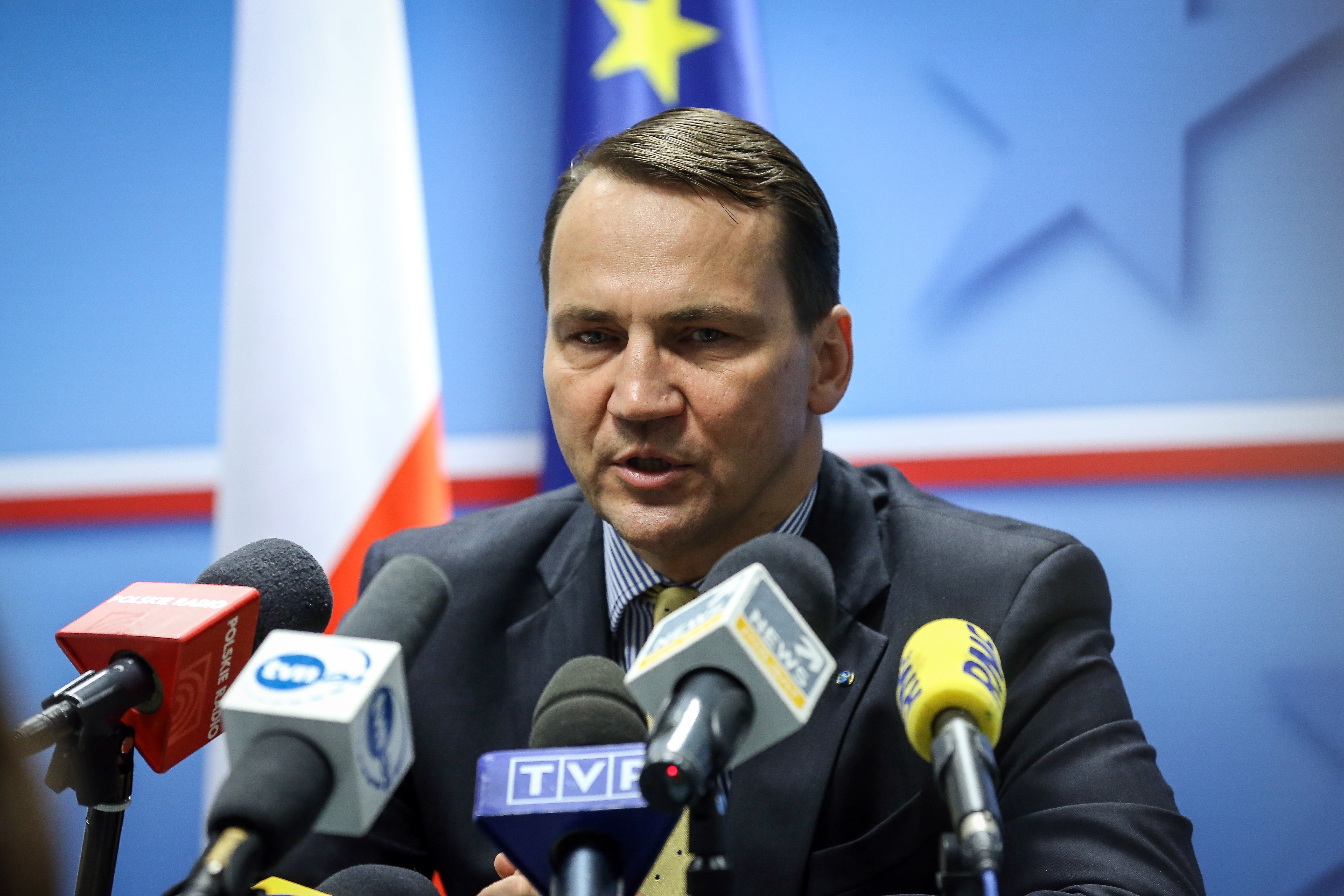
Германия, Чехия, Испания – три примера различной стратегии развития атомной энергетики. Несмотря на все разговоры об углублении европейской интеграции, в этой области важнейшие решения пока принимаются на уровне отдельных стран. В обстановке, когда отношения ЕС и России заметно ухудшились – и, похоже, надолго, – все больше европейских политиков видит в этом проблему. Вот что заявил, например, министр иностранных дел Польши , выступая на днях накануне совещания глав дипломатических ведомств стран ЕС в Люксембурге:
Очевидно, понимают это и в Москве. В последнее время можно говорить не только о "газовой экспансии" России, но и о ее все более активных попытках выхода на европейский рынок атомной энергии. Если в Чехии выгодный контракт сорвался, то в Венгрии "Росатом" ждала удача: правительство Виктора Орбана, известное своими напряженными отношениями с Брюсселем, подписало с Россией многомиллиардное соглашение о строительстве новых блоков венгерской АЭС "Пакш". А недавно стало известно о том, что "Росатом" подписал "Меморандум о взаимопонимании" с британским энергетическим ведомством. Этот документ открывает путь к переговорам о строительстве российскими специалистами АЭС в Соединенном Королевстве. Правда, глава ядерного департамента министерства энергетики Великобритании Херджен Хэй считает , что по крайней мере в ближайшие 10 лет "русская" атомная станция в его стране не появится – слишком много возникает вопросов в сфере технологии и безопасности, не говоря уже о политике. Но "атомная партия" Москвой разыграна – и не исключено, что она окажется не менее напряженной и интересной, чем газовая.