
Translated material
The FSIN of the Russian Federation plans to give "meaning of life" to the most terrible maniacs and killers, attracting them to work
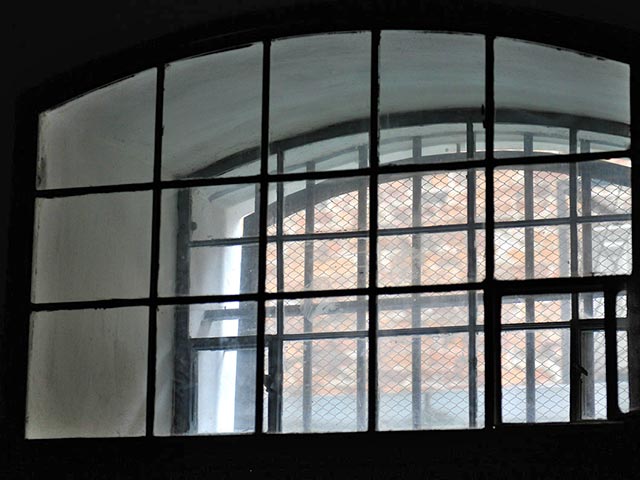
The Federal Penitentiary Service (FSIN) of Russia offers to send life -imprisoned for work, writes "Independent Gazeta" . Experts believe that in this way the warders are trying to reduce the number of suicides in the cells.
It is assumed that dangerous criminals will work in the same areas where the rest of the prisoners work. They are busy with sewing clothes for the Ministry of Defense, woodworking, metalworking and sorting.
Until now, sentenced to a life sentence has been freed from the need to work. This was done for safety reasons. For other prisoners who evade labor duties, liability is provided.
According to human rights activist Valery Borshchev, the opportunity to work even for life convicts. He cited as an example the fate of former military Igor Lisobrah, who killed his wife and mother -in -law in a state of affect and was sentenced to death. When the moratorium was introduced to execution, the Lisobor tried several times to commit suicide in the Mordovian colony.
Attempts by suicide ceased only when a man found a lesson - custom -made translations of texts from the English language.
Another problem is due to the fact that too few orders are received from the “will” in the colony, and the labor of prisoners remains almost unclaimed.
"Everyone sentenced by a life sentence dreams of getting a job," says Ruslan Zalyuzhny, a member of the Moscow Chamber of Lawyers. They only give it no earlier than 10 years after the start of the term and provided that the convict has never violated the regime during this time. The prisoner is carried out to the working workshop, bending into three deaths and with a bandage in front of his eyes. And near jobs, special cards are hung with a reminder how many murders the prisoner committed.
“The ability to organize labor is limited to them. Therefore, the expansion of the FSIN of the possibilities for organizing labor of this category of convicts is, of course, a step towards humanization,” Ruslan Zalyuzhny added.
However, some lawyers are afraid to grant life -convicts the right to creative economic activity. “They (criminals) know that they have nothing to lose - and there are a lot of examples when the prisoners killed the escorts or tried to take them hostage to escape,” says Teyub Sharifov, a member of the Moscow -Asia Bar Association.
According to him, in order to withdraw from the camera one particularly dangerous prisoner, the presence of four to five overseers is required. "How will they control them during work?" - The lawyer asks the question.
To date, five correctional colonies of a special regime are operating in Russia - Vologda Pyatak, Polar Owl, Black Golden Eagle, Black Dolphin and White Swan. They contain about two thousand prisoners: serial killers, cannibals, pedophiles and terrorists. Most prisoners are serving a sentence under Article 105 of the Criminal Code of the Russian Federation (murder).