
Translated material
Abduction, murders, censorship
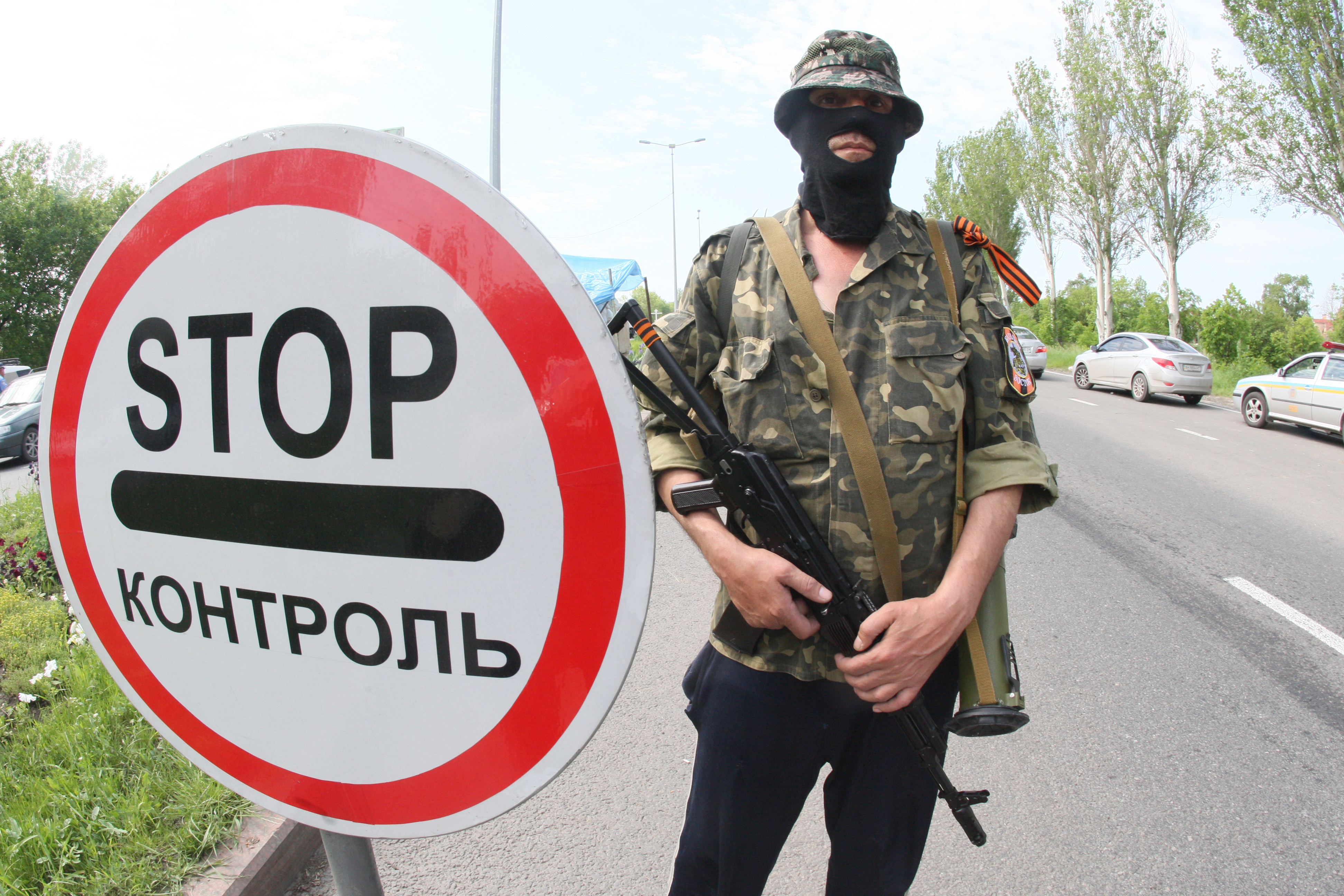
UN experts prepared a report on human rights violations in the east of Ukraine and in Crimea
The scale of human rights violations in eastern Ukraine is growing, and serious problems in this area appear in Crimea. This is the main conclusion of the report made in Friday, which was prepared by a team of 34 UN experts. The document covers the period from April 2 to May 6.Well -armed and organized groups, which illegally seized state institutions in cities in the east of Ukraine, secretly assisted local authorities, and the author’s collective states. In addition, "the police subordinate to them either did nothing to prevent separatists' attacks on demonstrating supporters of the unity of Ukraine, or, in some cases, openly sided with the attackers."
“Those who are influenced by armed groups should make maximum efforts to finally curb them and not allow the country to tear them apart,” the UN High Commissioner for Human Rights, Navi Pillai, accompanying the report of experts. Its authors are anxiously noted "numerous cases of deliberate murders, torture, beatings in the regions covered by excitement, as well as abduction and illegal deductions of the press, local and visitors, public activists, politicians, representatives of international organizations and military personnel," in which not only separatists, but partly, the Ukrainian army are guilty.
The Russian Ministry of Foreign Affairs nevertheless stated that the UN report "does not contain a hint of objectivity and is the fruit of a political order to whitewash pro -Western rulers in Kyiv."
The conclusions of the UN experts are echoing with the opinion of colleagues from the organization on security and cooperation in Europe, who on Monday published their report on an inspection trip to Ukraine in March.
The most important counterweight to Kremlin propaganda was the information that civil journalists post on social networksAccording to the senior representative of Germany Stefan Zaybert, "the OSCE report did not confirm Russia's statements about violations of the rights of the Russian minority in Ukraine. On the contrary, Ukrainians in the Crimea are faced with great problems who are not applying for Russian citizenship." In the same vein as Zaybert, the UN employee Dzhanny Magatsieni spoke out. According to him, "the main violations of human rights occur in areas in the east of the country under the rule of armed groups." This applies, in particular, journalists who are intimidated, and sometimes not allowed to the air. Speaking about the Crimea, there, in addition to people who have not refused Ukrainian citizenship, threats, persecution and discrimination, the Tatar population, representatives of sexual minorities, and patients with AIDS are subjected to. The radio and television channels suspected of disloyalty are closed.
It is still unknown about the whereabouts of eighty-three missing participants in the Kyiv Maidan are reminiscent of UN observers. According to them, the main kidnapper of people in the east of Ukraine is an organization entitled "Slavic Self -Defense Self."
As emphasized in the statement of the Human Rights Supreme Commissioner, “holding free, honest and transparent presidential elections in Ukraine, which meet international standards, should contribute to the discharge of tension and restore the law and order, it is necessary for the peaceful development of the country. Instead of not subsiding hatred rhetoric couples, including murders, leads only to the squadron of crisis.”
The UN report addresses the recommendations for resolving the crisis exclusively to the authorities in Kyiv and in Crimea. "Observers," said Magatskoren, "acted strictly in accordance with the UN resolution, which did not contain any recommendations to Moscow about what it should be done to weaken tension."
At the request of Radio Liberty, the UN report was commented on by a prominent American human rights activist, an employee of the online publication The Interpreter Catherine Fitzpatrick .
- It is gratifying that this second second report to the UN in Ukraine was made more professionally than the first that appeared a month ago. And that the Western press illuminates it more thoughtfully and comprehensively, referring to the assessments of experienced human rights defenders, including Gianni Magatzeni. The first report, as it seemed to me, was too objective: he listed the facts-the attacks of the "Berkutovites", the counter-acting of activists, shooting snipers-but did not decisively make any attempts to establish a causal relationship between them and determine who brings the main responsibility for the bloodshed. This time such an attempt was made, and even the Supreme Commissioner Pillai allowed himself a sharp criticism of the Kremlin, which, as stated, feeds the armed groups of separatists, and therefore is able to stop them. Even the OSCE, as far as I know, was not so categorical in this matter. I fully support the decision of the UN experts to pay great attention to the persecution of the free press in the Crimea and in the east of Ukraine; This turned out for us here in the West by a deficit of true information about what is happening and put forward the main sources of Ukrainian events often false and invariably tendentious Russia Today and LifeNews. I read an authoritative report from which it follows that the most visited and most influential on Twitter accounts in Ukraine belong to RT.Com and, specifically, their correspondent Graham Filips. On the other hand, Associated Press and Reuters are not missed through checkpoints, and Vice Media reporters are abducted. Even the multi -experienced British Guardian, as the investigation that we conducted in The Interpreter showed on the “duck” that some kind of Maidanites were brutally beaten by a doctor in Odessa, who had torn to help the separatists blocked in the house of trade unions. In these conditions, the most important counterweight to Kremlin propaganda was the information that civil journalists post on social networks.