
Translated material
Winter is close
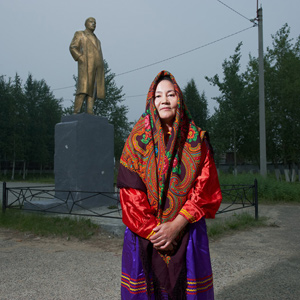
Fedor Telkov and Sergey Lostev traveled to the settlements of the Khanty-Mansi district, where oil and gas production almost stopped, and photographed, as the indigenous population of these places-Khanty and Mansi live in the summer. “This is, in fact, the future of our north,” the photographers say about what they saw.
From the authors
According to the All -Russian Census of the Population of 2010, in our country there are: Nenets - 44,640 people, Evenki - 38,396, Khanty - 30 943, Mansi - 12,269, Selkups - 3 649.
The most serious shocks of the life and culture of the indigenous peoples of the North underwent during the years of Soviet power. These changes led to the fact that today their languages are on the verge of extinction, and most of the youth live in cities. As they themselves say, the first blow was “enlargement”. The settlements, which previously consisted of two or three families and were from each other at a great distance, were combined into large settlements. The entire able -bodied population was included in the sphere of public production. Wealthy families were “dispossessed” (and this, as a rule, were families of the elders of communities), shamans were persecuted. Apparently, therefore, among other characteristic features of the representatives of the CMNS, extreme distrust and secrecy can be distinguished.
The next powerful factor in the destruction of traditional culture was children's boarding schools, where children were often taken away against the will of their parents. In boarding schools, the children were given a uniform, national clothing was thrown out, burned. The native language was not only not taught, but also strictly forbidden by teachers. As a result of this, the majority uses the Russian language in everyday life today, and the overwhelming number of youth does not know the language at all. In addition, children who spent most of the year in a boarding school lost the most important household skills.
In connection with the low social status in Soviet society, the KMNS experienced a negative attitude from the Russian population. In those days, the passport indicated the nationality of the citizen, in this regard, some Mansi tried to make it written in the documents “Russian”.
In the 1990s of the XX century, the state began to deploy politics towards preserving the culture of the indigenous peoples of the North. Various benefits and subsidies for representatives of the CMNS appeared, in some schools the native language began to be taught, national holidays began to be held at the All -Russian and regional levels, sections of folk sports were formed, ensembles, creative circles, etc. were organized Representatives of the CMNS became the owners of some advantages, receiving, for example, special fishing and hunting licenses. In the settlements, national communities were organized, where “Nationals” can now take wildpers, fish and game.
But, as people aged 45 and older not, it’s too late! The benefits and subsidies are very relaxed, they say: young people believe that it is easier not to work and receive the same money as the workers. In addition, for the sake of receiving benefits, KMNS representatives began to record children with a distant relationship with the “indigenous”, for example, only in the person of grandparents. Most young people no longer want to return to the origins, does not see any sense in this. Live "fine", like everyone else, is the main vector.
Page of the project "Line of the North"