
Translated material
Books of Philippe de Complic: Archeology of insults
Maria Neklyudova
Books of Philippe de Complic: Archeology of insults
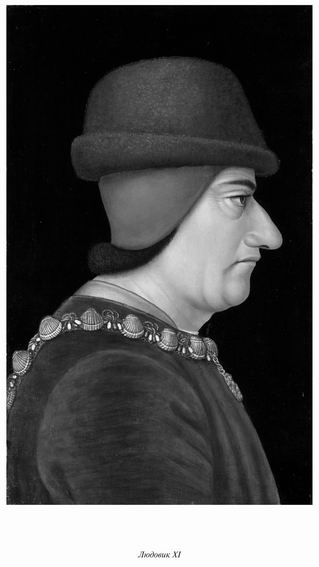
In one of the episodes “Quentin Dorvard” (1823) Walter Scott draws a meeting between the French king Louis XI and Philip de Common, then the close of the Duke of Burgundy. In a deceptively confidential conversation, Louis, trying to find the weaknesses of the interlocutor, is lamenting about the hardships of the service of the Duke:
Karl Burgundy is not worthy of your affection. Anyone who insults and beats his advisers, one who awards the wisest and most devoted of them with the shameful name “Autonated Bashka” ...
Unaware of the existence of the nickname, the Commander cannot restrain indignation. Louis explains that the reason for its appearance was the incident, the details of which Karl himself told him:
You, Sir Philip de Commander, were hunting with your master, the Duke of Burgundy; Upon his return, he dismounted, demanded that you take off his boots from him. Noticing, probably, in your opinion, what such a dismissive appeal caused you natural discontent, he commanded you to sit down and provided you with the same service that he had just accepted from you. But, insulted that you understood him literally, he, barely taking off one boot from you, began to severely beat you on the head, until the blood went out to the impudence of the subject, who allowed himself to accept such a service from the hands of his sovereign. Since then, he and his beloved jester Le Glorea have taken the habit of making you ridiculous and mocking nickname “The shod head”, which serves the duke the usual subject for sharpness.
The Commander does not deny that such a scene really took place, but tries to undumain its meaning, referring to the prison of the Duke to brawls and other gross fun. However, the narrator notes, “a deep resentment against his master will subsequently prompt the offended courtier to go to the service of Louis” [1] .
At first glance, the causal chain built by Scott seems impeccable: treating the nobleman as a lackey, Karl Smey violates his “natural” rights and brings him a grave insult, leading to serious political consequences. But what is the essence of this insult? Judging by the sequence of presentation, the reason for resentment is not a beating with a boot, but a stupid nickname. Does this mean that secret beatings are better than verbal, but public humiliation? The artificiality of the situation turns into narrative awkwardness, since Louis describes the incident in which he participated [2] . Of course, we can say that “it really was like that,” but Scott takes care of work to refute it. In a later edition of the novel, equipped with copyright comments, he explained:
This story is more rudely and less believably told in the memoirs of that era where it is argued that the commander, contrary to the judiciality of the judgment, asked Karl Burgundy to take off his boots from him, although there was no habit of familiar treatment between them that would explain such liberties. I tried to bring this joke into a greater correspondence with a famous mind and prudence of the famous author [3] .
So, the scandal with boots was not invented by Scott. But historical sources considered the instigator of his commander, who impudently offended his sovereign and was punished. Such a conflict seemed implausible to the novelist of the beginning of the 19th century, and he shifted the blame on Karl. Then he needed to explain why the unjustly offended courtier immediately did not leave the service with the duke. Recall that the action of “Quentin Dorvard” dates back to 1468, and the Burgundy court left the commander only in 1472, that is, several years have passed between the alleged beatings and its transition to the side of the French king-at least five to six, according to the notorious “memoirs” (about them below), which attribute this episode to the period of Philip Good (diem. 1467). Apparently, from here there is an additional story with a nickname, which allows you to reduce a temporary distance by the age of four and make an insult more indirect, not requiring an immediate reaction.
Walter Scott was not the first writer who took up the processing of this joke. More than a hundred years before him, the French novelist Madmoiselle de la Force published the “secret history of Burgundy” (1694). The book enjoyed success throughout the 18th century, and at the beginning of the 19th century, the franco -speaking reader still recalled it in connection with the pan -European enthusiasm for the writings of the “author of Weswern” ” [4] . The action of the novel by Madmoiselle de la Force begins in the mid-1460s, shortly after the marriage of Karl the Bold to Margarita York. On its first pages there is also Philip de Comine, who, however, suddenly leaves the Burgund courtyard. One of the protagonists faces him on the way to France and asks about the causes of departure. Next is the story of the Command - an inserting short story where the narrative is conducted in the first person. As it turns out, his heart belongs to the virtuous Duchess of Burgundy, who does not honors him with attention. Once, during the hunt, the commea fell behind the duke’s retinue and, returning to the castle later than the rest, found out that the duchess was sick, she had “terrible colic”. He rushed into her chambers, where Karl was already located, who, despite the complete indifference to his wife, was extremely jealous, and therefore, hearing the voice of the commander, hid behind the head of the bed:
I entered, without even taking off my boot, and approached the bed of the Duchess. She changed so much that it completely moved me: “Alas,” I exclaimed, “you suffer, and the unfortunate commander did not even suspect this! And his scornful heart did not tell him anything! ” The duchess did not listen to me, her torment was too great, and from time to time she emitted such mournful moans that I could not stand them; They pierced my soul, and either from surprise, or because of the heated hunt, or, because of other natural reasons, I felt that I was losing consciousness, and without feelings fell on the duchess bed. The Duke was furious out of his shelter and decided to take advantage of this moment as an excuse to insult that would get me out of himself and make him do as he wanted. There were only healers and her ladies around the duchess; One of them rushed to me and splashed into my face with water, while the duke at his legs pulled me out of his wife’s bed, and with such force that my boots remained in his hands. He pulled them completely and threw them into my face with abuse, reproaching the daring liberty that I allowed myself, entering the duchess’s room without taking off my boot [5] .
Of course, the whole thing is in love and jealousy, but the details are important here. By the will of the court lady of the era of Louis XIV, which was Madmoiselle de La Fors [6] , Philip de Commander twice violates the etiquette, first entering the ducal chambers in the boots, and then fainted on her bed. The latter, in principle, could become a reason for serious accusations, since the duke finds him - literally - in the bed of his wife. But this would throw a shadow at the duchess, and therefore Karl chooses a less significant misconduct as a reason for punishment. It is curious that Madmoiselle de la Force makes a clear difference between the actions of the commander and his master. Both act under the influence of passions, but one - without preliminary intent (and the presence or absence of intention separates sin from error), and the other is deliberately losing sight of the ultimate goal. In other words, the fault is almost completely on Charles, which manipulates the situation and does not even lose his head in anger, while the commander is “unconscious”. But then difficulties begin, since Madmoiselle de la Force practically removes the motive motive, and the removal of the boots represents an accident, which gives the whole stage an unexpected comic hue. It seems that a genuine insult is not so much physical violence as a mockery of an unlucky lovers. Although, in fairness, Karl with boots in his hands also looks ridiculous. If you distract from farc elements, it can be assumed that the essence of the insult is an intentional disproportion between the recognized crime and punishment.
To complete the picture, we will consider another attempt to explain what happened between the Duke of Burgundy and his close associates. It belongs to the French historian of the second half of the 17th century to Antoine Variyas, the author of the popular “History of Louis XI” (1689), on which, by the way, Madmoiselle de la Force was based [7] . According to him, the incident took place during the hunt, when Karl (still worn by the title of Count de Sharole, since his father was alive) lagged behind his retinue; There was only one commander next to him:
He [Karl. - M. N.] is extremely tired, and the heat tired him greatly. The case brought them to a shady place where you could relax, where the text of the stream that could quench thirst, and he decided to take advantage of this opportunity to refresh. He dismounted and, feeling that the boots were inconvenient for him, he ordered the commander to pull them out, which he did. But they say that at the same time, the commander allowed himself the liberties, asking the count to provide him the same service - either the boots caused him no less inconvenience than his master, or the ease with which the count demanded that he fulfill this one of the most vile duties, inspired him with the idea that he would not be offended if he was asked for the same. But the familiarity of sovereigns is almost always dangerous for those to whom they are addressed: usually the first in them are repented, and the latter are abused by them. The Duke realized the seriousness of his mistake only by tactlessness, on which he prompted the commander. He punished himself, having done what the commander asked him about, and took off his boots from him. But, instead of blaming himself in the incident, he was angry with the commander: people are always unfair when their interests are affected. He grabbed his boots removed from the commander and hit him in his ear, warning him that he would not yet lose respect. After such an insult, the commander did not dare to show himself to the graph, accepted the proposals that he had long made on behalf of the king, and left the province forever in which he was inflicted on such dishonor, and never returned there [8] .
The last phrase contains historical inaccuracy, which the author was well aware of: as already noted, between this episode and the transfer of the Committee to the side of the French court, at least five years should have passed. Variyas's negligence was a tongue in the tongue, and contemporaries repeatedly convicted him in stretch and exaggerations. However, in this case, the error was apparently intentional. The fact is that Variyas considered the incident with boots frank fiction [9] and therefore did not try to integrate it into a general chronology. This did not prevent him from giving his own version of what happened, providing it, in the spirit of the era, by moral maxims.
Before you come close to the origin of the jokes about boots, we note several features of its presentation in the “History of Louis XI”. Unlike his followers (and, as we see, predecessors), Variyas transfers action from the castle to nature. This allows him to explain why Karl addresses the Community with an inappropriate request. But then there is a need to come up with a pretext for a tear in the middle of a grove - an act more unexpected than it might seem, since hunting boots could not be put on and removed without outside help. Variyas gets out of the situation, focusing on “objective” natural-physical circumstances: the heat and fatigue of hunters in combination with a bucolic landscape (stream, shadow), as it were, determine the further development of events. Another feature is the absence of third -party observers, which does not reduce the severity of the insult. And here we can say with full confidence that its cause is beatings. The historian (however, like Madmoiselle de la Force) does not even mention the nickname. For both representatives of the era of Louis XIV, the physical action clearly plays a more significant role than the words accompanying it, therefore the first is extremely specifically, while the latter are vague.
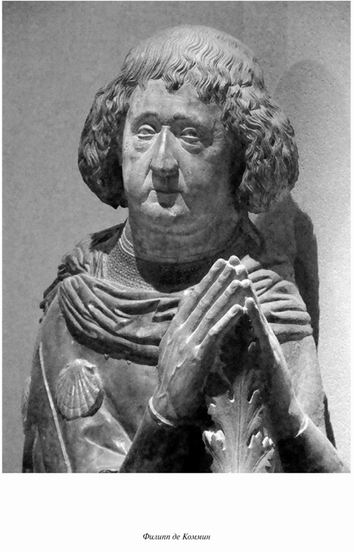
As the example of Walter Scott shows, Madmoiselle de la Fores and Antoine Variyas, in the story with Philippe de Comino boots there is a share of absurdity, which, while trying to get rid of it, only increases. The more detail the story, the deeper the author lifts in inconsistencies. Using the term Louis Maren, say that this plot functions as a kind of “narrative trap” [10] , which makes historians and novelists build pseudo-logical explanations why Karl brave the Philip de Commin's head on the head. Modern researchers continue to fall into this trap, who, like Variyas, doubt the authenticity of the fact and yet consider it necessary to retell it. One of the perpetrators of this state of affairs is, of course, Philip de Commander himself. In his memoirs, probably written in the 1490s, he does not directly say that he prompted him to go to the service of the French king. The only phrase related to this event is: “Around this time I arrived at the service of the king (it was 1472)” [11] . In the absence of intelligible explanations of the gap, it is filled with rumors and speculation. Most of them go back to the 16th century and, apparently, is directly related to a public reaction to publication in 1524-1528 of the memoirs of a commander. Flemish historians rush to defend the Duke of Burgundy from the slanderous (from their point of view) of the memoirist’s fabrications, the French extol his judgment, while for less engaged readers, he, along with Machiavelli, becomes one of those who, in the words of the English translator, reveals the world of “secrets of sovereigns” [12] .
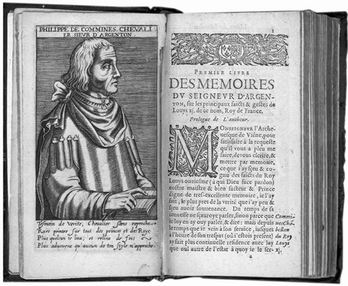
As it is easy to guess, the plot with boots first appears with a Flemish historian. Jacob Marshana's “Flanders Chronicles” saw the light in 1596, that is, more than a century after the flight of the Committee. His predecessors, who are no less critical of the former close to Karl, have nothing similar. Say, Jacob Meyer (1491-1552), who could still find witnesses of the events described, condemns the commander for his behavior and for false memoirs, but does not mention either the nickname or the boots [13] . Marshan (1537-1609) did not have the opportunity to talk with eyewitnesses, nevertheless, as a source, he indicates the story of the old courtier (probably this is the "memoirs" of Scott), according to which
Comino, being in a large favorite at Count de Sharole, once, having returned from the hunt, allowed himself to sit next to him and said in a joke: “Why wouldn’t you, Karl, take off my boots from me?” What the count did, but, as it were, also jokingly, hit him with spurs in the head, which caused mockery at the court, where the commander was nicknamed the shod of the head [14] .
It is clear that we are talking about information from secondary hands, since it is hardly for this courtier for more than a hundred years. The whole episode could be considered inventing Marshan, designed to finally discredit the commander, but the historian, apparently, reproduced the oral tradition that really existed in the late XVI - early XVII centuries. We find confirmation of this in the book of Antoine Le Pipra, Senor de la Grand-Vot, “moral, civil and military thoughts”, which was published in Antwerp in 1625. Le Pipre, a subject of the Holy Roman Empire, took part in the Turkish campaigns of Rudolf II in his youth, then returned to his native Lill, where, judging by some reports, he actively engaged in what we would now call the “local history” [15] . Probably, the community of interests brought him to Ferdinand de Mobus, Chevalier de Shonddorp, whose “genealogy of the seniors de command” he publishes with his essay. And Ferdinand was the grandson of the south de Mobus, the great bali of the lord of the Senoria, who in 1519-1522 attended long -term trials associated with the inheritance of Philip de Commial [16] . In addition, Le Pipre had access to the archives of the city of Lille, consulted with another local expert, Ferdinand de Wits, Senior de Busharderi, and he himself collected oral evidence [17] . By the way, the mention of Witsa allows dating these research by the 1610s, since he died in 1615 [18] .
This circle of Lillysky amateur antiques, apparently, quite purposefully collected legends about the Community, including information about his “treason” [19] . So, the mobus fixes the two versions of history with boots known to him. The source of the first is the “old nobleman”, to whom his father said that one day a commander, tired after the hunt, dozed off in the bedroom of Count de Sharole, leaning on the bed. “In this position, a count found him, who, in response to an apology of an embarrassed commander, said:“ No, stay in place, I don’t want you to rise, but you should be uncomfortable in your boots, let's take them off, ”and almost forcibly, despite the pleas of the commander, he took off his boots and threw them into his head with such a reserv Allowed his sovereign to find himself. " However, Mobus adds, "others tell this a little differently." Далее следует еще один вариант, в котором любопытным образом полностью отсутствуют мотивации: «Граф де Шароле, как-то раз застав Коммина в своих покоях, захотел снять с него сапоги, говоря при этом: “А потом ты меня разуешь”. Что он и сделал, но, вместо того чтобы дать Коммину спокойно снять с него сапоги, граф его схватил и несколько раз ударил по ногам шпорами, которые на нем были надеты, от чего Коммин долго не мог оправиться». Тем не менее, заключает Фердинанд де Мобюс, я полагаю, что основной причиной измены Коммина стали ласки и посулы французского короля [20] .
Сам Ле Пипр сообщает еще две версии произошедшего. Согласно первой Коммин вернулся ко двору после удачных переговоров, сразу прошел в покои государя, где в этот момент не было слуг, и поэтому Карл (по-видимому, на радостях) сам снял с него сапоги, затем одумался и, «вспомнив о том, кто он такой, и осознав промах своего министра, дал ему сапогом по голове». Вторая имеет совсем заурядный вид: Карл в спешке садился на коня, Коммин закреплял ему шпоры, и герцог, то ли нечаянно, то ли нарочно, ударил приближенного шпорой по лицу. Впрочем, уточняет Ле Пипр, по мнению многих, Коммин уже был предателем, и Карл, узнав об этом, решил таким образом его наказать. Однако наибольший интерес представляет заключительный комментарий Ле Пипра. По его сведениям, при бургундском дворе, который тогда находился в Лилле, про злоключения Коммина была сложена издевательская песенка, которая разошлась по всему городу [21] . Вероятно, она и послужила основой для последующих спекуляций по поводу Карла, Коммина и его сапог.
Если попытаться выделить основные сюжетообразующие элементы этой истории, то наиболее устойчивым из них является удар по лицу сапогами (шпорами) и принудительное / неподобающее снятие сапог. Отметим, что хотя лилльские антикварии относились к Коммину с нескрываемой враждебностью, в их изложении инициатором конфликта неизменно выступает Карл. Это в большей степени согласуется с тем, что известно о характере герцога Бургундского, который отличался суровостью (или жестокостью — в зависимости от позиции хроникера) нрава и был подвержен вспышкам гнева. Историки давно провели параллель между избиением Коммина сапогом и другим эпизодом, известным по Лотарингской хронике, когда Карл надавал пощечин графу де Кампобассо, после чего итальянский кондотьер покинул его службу и вместе со своими людьми ушел к герцогу Лотарингскому [22] . Однако нельзя исключать, что это сходство обусловлено не столько личными качествами герцога Бургундского, сколько желанием рассказчика объяснить решение обоих перебежчиков. Для этого задним числом подыскивается «оскорбление», достаточно серьезное и унизительное, чтобы стать тайной причиной измены. Кроме того, в отличие от банальной пощечины история с сапогами вполне уникальна (то есть связана только с Карлом и Коммином), загадочна, и суть ее очевидным образом состоит в разувании.
Как мы видели, в конце XVII века Варийас называл снятие сапог с другого человека «одной из самых подлых обязанностей», причем употребляемое им прилагательное vil напрямую связано с существительным vilain , которое в ту эпоху еще опознавалось как устаревшее наименование крестьянина [23] . Оказание такой услуги указывало на отношения подчиненности, даже униженности. Примерно в то же время, по свидетельству современника, Пьер Корнель презрительно говорил о драматурге Жане Клавре, что тот в родительском доме освоил лишь науку сноровисто снимать с других сапоги [24] , тем самым подчеркивая ничтожество своего бывшего приятеля. Однако символический потенциал этого жеста не обязательно негативен: в определенных обстоятельствах снимание чужих сапог может быть выражением личной преданности и почтения. Так, в «Исторических, военных и политических анекдотах» (1753) Рейналь рассказывает, что когда Франциск I был захвачен в плен, некий французский солдат заплатил сто экю охранявшим его испанским стражникам, чтобы получить возможность приблизиться к королю и снять с него сапоги, в которых тот находился долгое время после битвы [25] . Интересно, что этот же анекдот Вольтер излагает по-другому: во время пленения и заточения Франциска ему прислуживал француз, который вдали от придворной пышности перестал испытывать почтение к своему господину. Как-то раз он слишком грубо сдернул с него сапоги, Франциск начал его бранить, тогда тот послал короля к черту и выкинул его сапоги в окно [26] . И тут сапоги выступают мерилом верности подданного своему государю [27] .
Нельзя исключать и того, что на самом деле в анекдоте о стычке между Карлом Смелым и Коммином речь изначально шла не о сапогах. Как уже было сказано, первые следы его существования обнаруживаются только в конце XVI века, и вероятно, что одним из толчков к его возникновению послужила песенка, которую распевали на улицах Лилля. Следов от нее не осталось, тем не менее трудно сомневаться, что была она охальной и, учитывая вкус того времени к каламбурам, могла быть построена на языковой игре. Слово la botte («сапог») существовало во французском языке с XII века, но как раз в XVI столетии, под влиянием итальянского, оно обретает еще одно значение: «выпад, удар шпагой» [28] . И тут стоит напомнить, что в двух лилльских вариантах истории фигурировали резаные раны, которые были нанесены Коммину шпорами Карла. Позднее этот же термин использовался и в переносном смысле: к примеру, герцог де Сен-Симон писал о «непристойных, порой скандальных выпадах [ bottes ]» советников Людовика XIV друг против друга [29] . Иначе говоря, за избиением сапогами могло скрываться более серьезное физическое и вербальное насилие, которое затем было переосмыслено в фарсовом духе [30] . И это подводит нас к гипотезе совсем темного свойства. Коммин был далеко не единственным перебежчиком, за год до него на сторону Людовика перешел Бодуэн, незаконнорожденный брат Карла, известный как Бургундский бастард, и несколько вельмож. Постфактум беглецов обвинили в заговоре против герцога; один из них, Жан де Шасса, выступил с ответными разоблачениями, утверждая, что Карл склонял его к преступлениям «против Бога, природы и наших законов» и что подданный не обязан повиноваться государю, ведущему «отвратительное и бесчестное существование, чудовищность которого столь велика, что одно произнесенное слово может заразить и отравить самый воздух» [31] . Историки до сих пор не пришли к согласию, считать ли этот донос ритуальной хулой, или в нем есть элемент правды. Для нас существенно другое: речь идет о том, чего нельзя назвать вслух, — в данном случае о гомосексуальных отношениях. Среди разнообразных эвфемизмов, которые используются во французском языке для этой цели, есть выражение «флорентийский выпад» [ la botte florentine ]. Едва ли не первый случай его употребления в печатном тексте обнаруживается в романе «Афродиты» Андре де Нерсиа (1793) [32] , но упоминание Флоренции, мало актуальное для XVIII столетия, по-видимому, отсылает к постренессансной эпохе. Так, известный лексикограф Анри Этьенн в 1560-х годах отмечал, что «слова, которые мы используем для обозначения этого зла, заимствованы из итальянского языка, что служит достаточным доказательством, что Франция получила его оттуда. Однако трудно сказать, из какого точно города» [33] . В качестве возможных вариантов он называет Сиену и Рим, но для нас тут показательна сама привязка «зла» к определенным городам. Отсутствие в приводимом перечне Флоренции не столь существенно, учитывая, что 1560-е годы — время максимального могущества Екатерины Медичи, правившей страной от имени малолетнего Карла IX. Если принять это допущение, то анекдот о сапогах Коммина вроде бы подтверждает обвинения Шасса, посредством каламбура обходя запрет на произнесение «отравляющего» слова [34] .
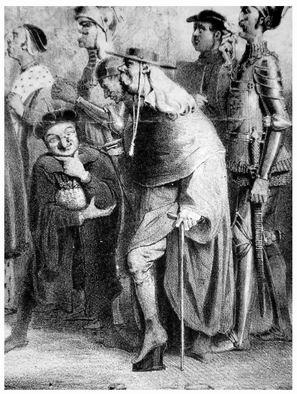
Значит ли это, что именно так было «на самом деле» и что рассказ о сапогах замещает (во фрейдовском смысле) другую, неприемлемую с точки зрения общества, историю? Однозначного ответа тут нет. С одной стороны, как показывают исследования последних десятилетий, бургундский двор середины XV века представлял собой жестко организованную иерархическую структуру, где более всего ценилась непосредственная близость к государю, дававшая возможность фамильярного общения с ним, или, вернее, надежду на familiaritas , то есть на его дружеское расположение [35] . Коммин, бывший камергером герцога, имел право спать в его комнате [36] , что, безусловно, ставило будущего мемуариста в привилегированное, хотя отнюдь не исключительное положение. В спальне Карла также находились камердинеры, стража и слуги; остаться с ним с глазу на глаз было если не невозможно, то крайне затруднительно, а нарушить при этом строго соблюдавшийся этикет — почти немыслимо. С другой стороны, последний герцог Бургундский был известен (говоря словами поэта и хроникера Жана Молине) своей умеренностью по части «плотских утех» и «безумных наслаждений женским полом» [37] . По-видимому, это давало почву для подозрений в иных предпочтениях, хотя, повторим еще раз, такого рода обвинения могли иметь вполне ритуальный характер. К примеру, уже в XVII веке противники Людовика XIV будут обличать его неумеренные (гетеро)сексуальные аппетиты и, не заботясь о логике, одновременно изображать короля импотентом.
Как бы то ни было, история с сапогами скорее всего сложилась во второй половине XVI века, когда «итальянизированные» нравы французского двора актуализовали соответствующую тематику. Не исключено, что тогда же возник и каламбур с botte , тем более что оба значения французского слова имели эротический потенциал. Обувь, а также обувание/разувание входят в набор традиционных сексуальных символов и, в частности, фигурируют в свадебной обрядности [38] . Что касается фехтовальной терминологии, то, как показывают чуть более поздние примеры, львиная доля соответствующих эвфемизмов XVII века связана с оружием — копьями, шпагами, пистолетами — всем, что хотя бы приблизительно имеет фаллические очертания [39] . Связующим звеном между старыми слухами о «бесчестных» наклонностях Карла Смелого и скабрезным каламбуром, вероятно, выступила пресловутая песенка, о которой упоминает Ле Пипр. Не будем забывать, что бургундский двор не просто бывал в Лилле: Карл несколько раз осаждал город, который упорно отказывался ему подчиняться. Правдоподобно предположить, что осажденные осыпали герцога не только снарядами, но и насмешками, изображая его гоняющимся за придворными со «шпагой» наперевес. Однако к концу XV века политическая ситуация изменилась; Бургундское герцогство вместе с Лиллем вошло в состав Священной Римской империи. Для лилльцев, как и прочих фламандцев, главным противником становится Франция, в то время как образ последнего герцога из династии Валуа начинает идеализироваться. Песенка о его похождениях остается, но уже интерпретируется как просто комическая, без оттенка скабрезности — возможно, в силу того, что слово botte в значении «выпад шпагой» делается привычным, занимает свою узкую нишу и перестает восприниматься как непристойный каламбур. Вместо этого главным объектом национальной неприязни оказывается отступник Коммин, которого, как это часто бывает с отрицательными персонажами фарса, герцог бьет по голове — конечно, сапогом, поскольку это подсказывает сам язык. Так образуется своеобразный повествовательный палимпсест, превратившийся в психологическую загадку для последующих поколений историков и писателей.
В 1824 году Исаак Дизраэли — возможно, под влиянием только что вышедшего «Квентина Дорварда» — тоже взялся за анекдот о сапогах Филиппа де Коммина. Для него этот сюжет служил доказательством ненадежности истории, поскольку последняя основана на мемуарах, чьи авторы сознательно искажают истину, дабы поквитаться со своими недругами: «Нет более грозного врага, чем человек, отмеченный гением» [40] . Власть проигрывает бой литературе, и герцог Бургундский, когда-то расквасивший нос нахальному придворному, расплачивается за свой поступок посмертной репутацией. Как мы имели возможность убедиться, на самом деле победителем этой воображаемой дуэли становится анекдот, и автор образцовых мемуаров оказывается навечно «обут» в сапоги, возникшие в общественном воображении благодаря слухам, намекам и прямым оскорблениям.
[1] [ Scott W. ] Quentin Durward, by the author of Waverley, Peveril of the Peak, &c. In Three Volumes. Edinburgh: Printed for Archibald Constable and Co. Edinburgh; and Hurst, Robinson, and Co. London., 1823. Vol. III. P. 186—190. Здесь и далее, за исключением особо оговоренных случаев, все переводы принадлежат мне и максимально приближены к оригиналу. — М. Н.
[2] Современному читателю, конечно, вспоминается форма торжественного адреса, но Скотту должны были быть знакомы мемуары герцога де Сюлли, написанные от второго лица: их составители — секретари — обращаются к самому герцогу с рассказом о его жизни («И тогда вы отправились в Лувр...», «Стоило вам тихонько постучать в дверь королевской спальни...», и проч.).
[3] [ Scott W. ] Quentin Durward: with the author's last notes and additions. Paris: Baudry, 1832. P. 400n.
[4] В своих мемуарах госпожа де Жанлис признавалась, что в юности зачитывалась романами мадмуазель де Ла Форс. Однако для нас более важен комментарий издателя, который в середине 1820-х гг. ставит романы мадмуазель де Ла Форс в пример «Вальтеру Скотту и нашим современным авторам» ( Genlis S .- F . Du Crest , comtesse de . Mémoires inédits de madame la comtesse de Genlis, sur le dix-huitième siècle et la Révolution française depuis 1756 jusqu'à nos jours. Paris: Ladvocat, 1825. TIP 49). На популярность «Тайной истории Бургундии» также указывает число переизданий и наличие английского перевода (1723).
[5] [ La Force Ch.-R. de Caumon ]. Histoire secrete de Bourgogne. La Haye: Louis & Henry van Dolf, 1694. TIP 123—124.
[6] Шарлотт-Роз де Комон Ла Форс (1654—1724) принадлежала к обедневшей ветви знатного рода и в юности была фрейлиной королевы. Дальнейшая ее биография имела не столь конвенциональный характер.
[7] В тексте романа есть прямая ссылка на «Историю Людовика XI» Варийаса ([ La Force Ch.-R. de Caumon ]. Histoire secrete de Bourgogne. TIP 155).
[8] Varillas A. Histoire de Louis Onze. Paris: Claude Barbin, 1689. Avec Privilege du Roy. TIP 469—470.
[9] Одним из признаков «фальшивки» историк полагал расхождение между несколькими известными версиями произошедшего, о которых речь пойдет ниже. Ibid. P. 470—471.
[10] Рассматриваемая конфигурация отличается от тех, которые представлены у Марена, хотя имеет достаточное с ними сходство (сопряжение проблемы власти и правдоподобия, слова и дела и проч.). См.: Marin L. Le Récit est un piège. Paris: Editions de Minuit, 1978.
[11] Коммин Ф. де. Memoirs. Пер., ст. And note. Ю. П. Малинина. М.: Наука, 1987. С. 117. По мнению Жана Дюфурне, значительная часть «Мемуаров» построена вокруг разных казусов, связанных с изменой государю, т. е. Коммин пытается показать универсальный характер отступничества ( Dufournet J . Études sur Philippe de Commynes. Paris: H. Champion, 1975. P. 59—61).
[12] Цит. по: Jones M. The Reception of the Memoirs of Philippe de Commynes in Early Modern Britain // 1511—2011 Philippe de Commynes. Droit, écriture: deux piliers de la souveraineté. Sous la dir. de Joël Blanchard. Genève: Droz, 2012. P. 307.
[13] Meyer J. Commentarii Siue Annales rerum Flandricarum Libri septendecim Autore Iacobo Meyero Baliolano. Antverpiae: Ioannis Steelfii, 1561. f355, f364.
[14] Marchant J. Iac. Marchantii Flandria commentariorvm lib.III descrita. Antverpiae: ex officina Plantiniana, 1596. P. 166—167.
[15] В частности, если верить местным знатокам середины XIX столетия, Ле Пипр посвятил один из утерянных трудов лилльским суевериям. См.: Le Glay AJG Catalogue descriptif des manuscrits de la bibliothèque de Lille. Lille: Vanackere, 1848. P. xvii.
[16] Duvosquel J.-M. Bourgeoisie ou noblesse? A Propos des origines familiales de Philippe de Commynes. Perspectives de recherche // Et c'est la fin pour quoy sommes ensemble. Hommage à Jean Dufournet. Littérature, Histoire et Langue du Moyen Âge. Paris: Champion, 1993. T. II. P. 540.
[17] Le Pippre A. Intentions morales, civiles et militaires, d'Antoine Le Pippre, escuyer, Seigneur de la Grand-motte. Anvers: Pierre & Jean Belliere, 1625. P. 259.
[18] Hovel R. de Vegiano, seigneur d', Herckenrode JSFJLde. Nobiliaire des Pays-Bas et du Comté de Bourgogne. Gand: Gyselynck, 1868. T. IV. P. 2165.
[19] Историки до сих пор спорят, был ли переход Коммина на сторону Людовика XI «изменой» с точки зрения правовой системы той эпохи. См.: Blanchard J. Commynes n'a pas 'trahi'. Pour en finir avec une obsession critique // Revue du Nord, 2009, # 91. P. 327—360.
[20] Le Pippre A. Intentions morales, civiles et militaires. P. 256.
[21] Ibid. P. 263. Примечательно, что Ле Пипр упоминает известную кличку «Обутая башка» ( la t ê te bott é e ) лишь при пересказе Маршана: в свидетельствах, собранных Мобюсом и самим Ле Пипром, она не фигурирует.
[22] Dufournet J. La Destruction des mythes dans les Mémoires de Ph. de Commynes. Geneve: Librairie Droz, 1966. P. 64. Похожую аргументацию см.: Blanchard J. Philippe de Commynes. Paris: Fayard, 2006. P. 116—117.
[23] См.: Le dictionnaire de l'Académie françoise, dédié au Roy. Paris: JB Coignard, 1694. T. II. P. 664.
[24] Beauchamps P.-FG de. Recherches sur les théâtres de France: depuis l'année onze cent soixante-un jusques à présent. Paris: Prault père, 1735. P. 152. Как указывает сам Бошам, за этим выпадом, кроме того, стоит латинская поговорка ne sutor supra crepidam («Сапожник, [суди] не выше сапога»), отсылающая к рассказанной Плинием Старшим истории об Апеллесе и сапожнике.
[25] Raynal G.-Th. Anecdotes historiques, militaires et politiques de l'Europe depuis l'élévation de Charles-Quint au thrône de l'Empire, jusqu'au traité d'Aix-la-Chapelle en 1748. Amsterdam: Arkslée et Merkus, 1753. TIP 139—140.
[26] [ Voltaire ]. Questions sur l'Encyclopedie. Par Des Amateurs. Troisieme Partie. S. l, 1770. P. 211.
[27] Ни Рейналь, ни Вольтер не указывают своих источников: скорее всего они опираются на историков конца XVII — начала XVIII в. Впрочем, нельзя исключать, что легенда формируется под влиянием рассматриваемого нами сапожного сюжета, пользовавшегося широкой известностью в XVII—XIX вв.
[28] Hope TE Lexical Borrowing in the Romance Languages. A Critical Study of Italianisms in French and Gallicisms in Italian from 1100 to 1900. Oxford: Basil Blackwell, 1971. TIP 165—166.
[29] Saint-Simon L. de R. de. Mémoires complets et authentiques du Duc de Saint-Simon sur le siècle de Louis XIV et la Régence. Paris: Delloye, 1840. Т. IX. P. 231.
[30] Битье по голове, безусловно, входит в арсенал фарсовых приемов. См., к примеру, «Игру о царе Соломоне и Маркольфе» (Fastnachtspiele aus dem fünfzehnten Jahrhundert. T. II. Stuttgart, 1853. P. 524). Отметим, что в этом собрании есть и «Игра о герцоге Бургундском», но в качестве такового уже называется Максимилиан, будущий император Священной Римской империи, супруг единственной дочери Карла Смелого, Марии Бургундской (Fastnachtspiele aus dem fünfzehnten Jahrhundert. TI Stuttgart, 1853. P. 169—190). Пользуюсь возможностью поблагодарить М. Ю. Реутина, указавшего мне на этот источник.
[31] Цит. по: Notice sur Philippe de Comines et sur ses Mémoires // Collection compléte des mémoires relatifs à l'histoire de France: depuis le règne de Philippe-Auguste, jusqu'au commencement du dix-septième siècle, par M. Petitot. Paris: Foucault, 1820. Т. XI. P. 129n.
[32] [ Nerciat A.-RA de ]. Les Aphrodites Ou Fragmens Thali-Priapiques Pour Servir à l'Histoire du Plaisir. Т. 1. 'Lampsaque', 1793. P. 50. Уточним, что это первый случай употребления этого выражения в сексуальном смысле, т. к. оно вполне могло входить в число фехтовальных терминов, хотя подтверждений тому найти не удалось.
[33] Estienne H. Introduction au traité de la conformité des merveilles anciennes avec les modernes ou Traité préparatif à l'Apologie pour Hérodote, l'argument est pris de l'apologie pour Hérodote, composé en latin par Henri Estienne, et est ici continué par lui-même. S. l. 1568. P. 80.
[34] В современном французском существует несколько выражений со словом botte , имеющих сексуальные коннотации, но все они, по-видимому, датируются более поздней эпохой.
[35] Paravicini W. The Court of the Dukes of Burgundy: A Model for Europe? // Princes, Patronage, and the Nobility. The Court at the Beginning of the Modern Age c. 1450—1650. Ed. by Ronald G. Asch and Adolf M. Birke. London: Oxford UP, 1991. P. 72, 83.
[36] Коммин Ф. де . Memoirs. С. 66, 70—71.
[37] Цит. по: Lemaire J. Les Visions de la vie de cour dans la littérature française de la fin du Moyen Age. Bruxelles-Paris: Klincksieck, 1994. P. 204n.
[38] Enzyklopädie des Märchens. Handwörterbuch zur historischen und vegleichenden Erzählforschung. Bd 12: Schinden — Sublimierung. Berlin — New York: de Gruyter, 2007. P. 214—215 (“Der Schuh als Sexualsymbol”). См., к примеру, сюжет фаблио XIII в. «О том, кто споткнулся о камень» ( De celui qui bota la pierre : обратим внимание на используемый глагол), где «спотыкание» служит прелюдией к сексуальному акту.
[39] См., к примеру, важное свидетельство Пьера де Л'Этуаля об использовании выражения les é p é es de chevet (букв.: «шпаги изголовья»; устойчивое выражение, в XVII в. аналогичное нашему «палочка-выручалочка») при дворе Генриха IV ( Lestoile P . de . Registre-journal de Henri III // Nouvelle collection des mémoires pour servir à l'histoire de France depuis le XIIIe siècle jusqu'à la fin du XVIIIe par MM. Michaud et Poujoulat. TI Partie I. Paris: l'Éditeur du commentaire analytique du Code civil, 1837. P. 488).
[40] D'Israeli I . Curiosities of Literature. First series. New York: W. Pearson & Co, 1835. P. 70.