
Translated material
Crimea finally switched to the ruble - while without cents
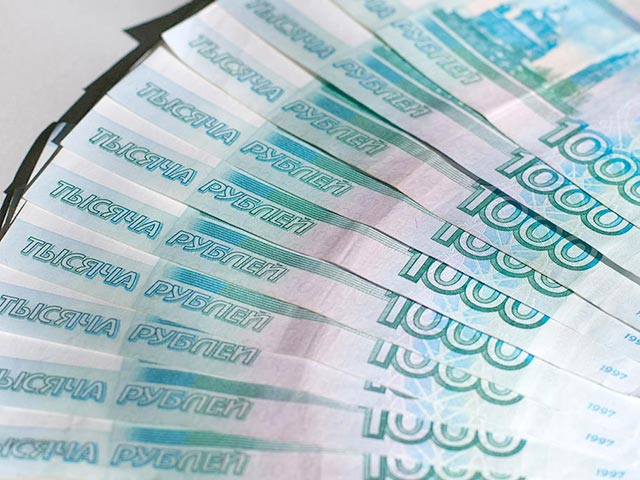
On June 1, Crimea completely switched to the Russian ruble. All non -cash payments on the peninsula are carried out only in rubles from May 6, but in cash hryvnias it was possible to pay everywhere until June, the Prime Agency notes. Double price tags disappeared in the stores, and now you can now pay for travel in city and suburban transport only in rubles. The tariffs on the eve were approved by local authorities.
In addition, they switched to ruble calculations when paying salaries, pensions, social benefits, in the tax system and payment of housing and communal services. The exchange of hryvnia, officially declared foreign currency, will be carried out at the rate established by the Crimean banks.
Recall, on May 14, the State Duma adopted a bill in the second reading, reducing the time of walking of the Ukrainian hryvnia in Crimea and Sevastopol until June 1, 2014. On May 27, the law was signed by President Vladimir Putin. After the peninsula was joined by Russia, the Ukrainian currency in Crimea was supposed to be circulating until 2016, but later the terms of the full transition to the Russian ruble were reduced.
The expansion of walking the ruble should not have influenced the Russian economy, the analysts with whom the Vedomosti newspaper talked. Cash turnover will grow, but the Crimea economy is small.
350 bank branches work on the peninsula, a network of ATMs unfolds. This was written on Facebook by the Deputy Chairman of the Council of Ministers of Crimea Rustam Temirgaliev.
Temirgaliev claims that in the Crimea there are enough ruble cash, including trifles, but local media write that there are still not enough trifles. Sellers are trying to transfer the solution to the problem to buyers, demanding from them payment for the calculation or offering to buy goods for a round amount. Some sellers, due to a lack of exchange coins, began to "round" prices for surrender.
The hardest things were the hardest, who until the last received a salary in hryvnias. On May 31, the owners of the Ukrainian currency stormed supermarkets in order to have time to purchase as many essential goods as possible.
"We brought several aircraft in Sevastopol with a small bargaining coin over the past week - a trifle of various denominations from a penny to ten rubles," said the acting The managing department of the Central Bank of the Russian Federation for Sevastopol Vadim Ablezgov Agency "Kryminform" on May 29.
According to him, "today the pantries of the Central Bank are scored by these coins", and in the near future they will go to commercial banks. However, the manager of the Crimean bank, on anonymity, said that the lack of little things are still preserved.
Until June 1, hryvnias were exchanged in Crimean banks for rubles at the official exchange rate of the Bank of Russia. First, the prices, tariffs and the amount of other payments were counted with a coefficient of 3.8 (one hryvnia - 3.8 rubles), from April 16, according to the Decree of the State Council of Crimea, the recalculation coefficient decreased from 3.8 to 3.1. The depositors of Ukrainian banks closed in Crimea can receive insurance compensation in rubles at a rate of 3.8 rubles per 1 hryvnia.