
Translated material
Interrogation as a literary genre
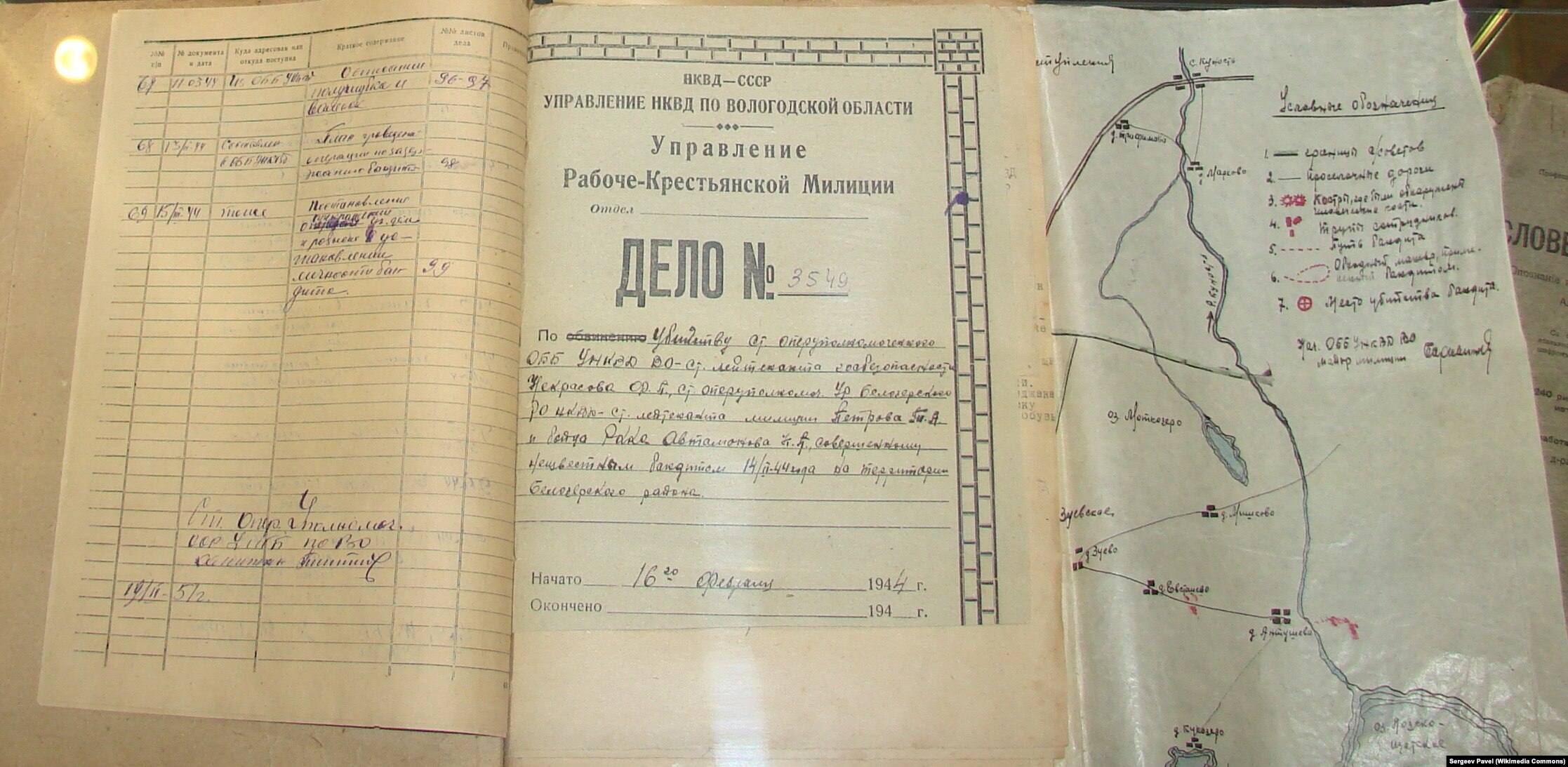
Theater at the KGB microphone
A few years ago, in the British weekly Times Literary Supplement, I came across a curious document: a report by the British personnel diplomat and writer Lawrence Darrell on the trip to the southern regions of Yugoslavia in 1949. In the editorial preface to the report, it was said that the official of the office of the office considered this document "too long and chaotic."
Lawrence Darrell, the author, as he himself was expressed by the "stereoscopic" novel "The Alexandrian Quartet", remains true to himself in the official report: these are travel notes of an observation, thin, witty prose writer. He describes poverty, fear, despair of the inhabitants of Yugoslavia. To the honor of Darrell, one of the classics of the modernism of the last century, in politics, he always remained a realist: he treated the ideologies of the National and International Socialism in the artistic environment with disgust.
From time to time, English and American publishers delight their readers with finds of manuscripts of classics. In Russia, in Ukraine there are also deposits from the category "unpublished". These writing documents are stored in the KGB/FSB/SBU archives. Something-about the time of the Stalinist repressions-in the press appeared mainly in the Yeltsin "dashing" times (see, for example, the books of Vitaly Shentalinsky). But the writer's denunciations of each other, the protocols of the interrogations of writers, the “travel notes” in the only copy of the away Soviet writers from the times of stagnation are still waiting for their researchers and publishers. I am sure that the publishers would be found, but they do not have access to the archives, and until the times again become "dashing" - it will not be. Personally, I am especially interested in the Ukrainian archives of the security service, since I lived in Chernivtsi and in Kyiv for almost a quarter century. In the 60-70-80s of the last century in Ukraine, with special zeal, they arrested the best, brightest, most talented writers. Culture articulates the nation, without culture the nation turns into a population, because the Ukrainian KGB worked so carefully in the field of culture. I would really like to read the protocols of the interrogations of the poet Vasil Stus, writer Helia Snegirev, criticism of Ivan Svitlychny. I have no doubt that the Russian and Ukrainian reader under the heading of the unpublished opening is still waiting. In the meantime, "from the published." The protocol of the interrogation of Nikolai Klyuyev, 1934: "The construction of socialism in the USSR carried out at the dictatorship of the proletariat finally destroyed my dream of Ancient Rus' ... finally destroys the foundations and beauty of that Russian folk life, the singer of which I was a communist party collectivization. I perceive collectivization with mystical horror, like a demonic obsession."
And here's what else: have the telephone and apartment wiretaps of writers in the audio archives of the KGB are preserved? I believe that we are still waiting for the discovery that could breathe life into the old -fashioned genre "Theater at the microphone."