
Translated material
Not torture, but "excesses"
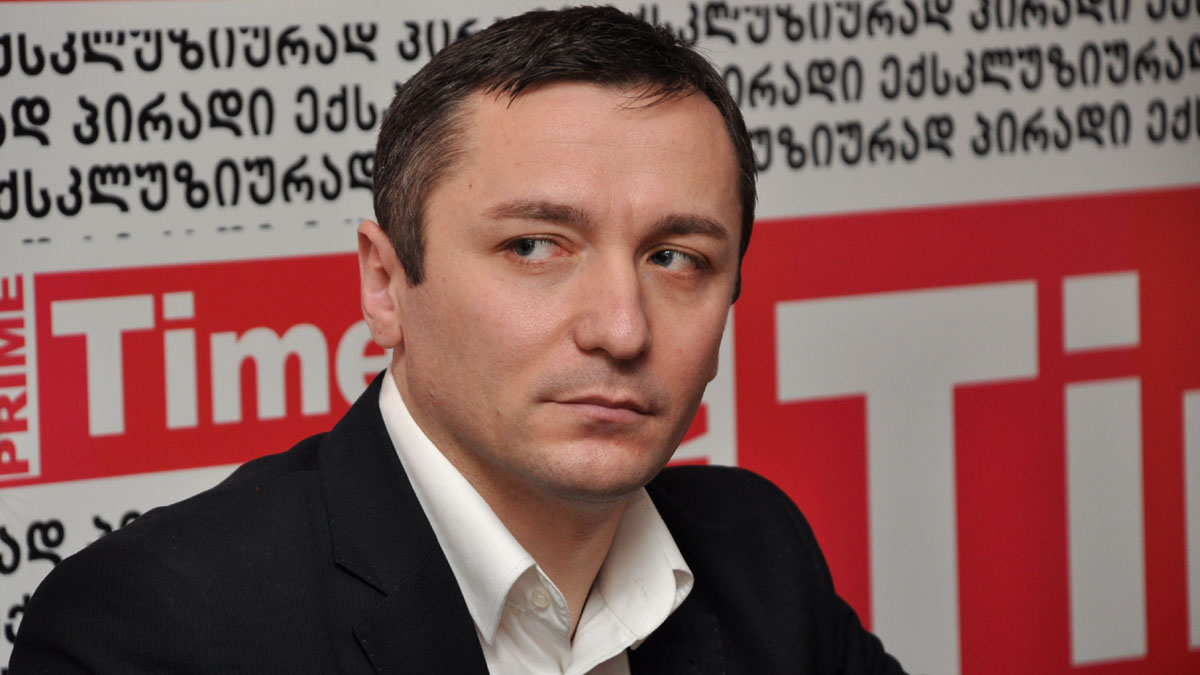
What changed in the prison system of Georgia a year after the sentence in the case of torture in Georgian prisons?
A year ago, the Tbilisi City Court sentenced the number of prisoners in prison number eight. Shortly before the 2012 parliamentary elections, the cadres of torture and bullying in the Gldanian prison were demonstrated on all Georgian television channels, and this caused a wave of indignation in society. In general opinion, to a large extent, it was these personnel that led to the defeat of the party Mikhail Saakashvili the “Unified National Movement” in the elections. However, officials of the Ministry of Punishment, who, after the change, were accused of organizing a “torture system” in Georgian prisons, escaped with relatively easy punishments. The main accused, former prison officer Lado Bedukadze was completely exempted from liability by decision of the Georgian prosecutor general.
One of the former leaders of the ruling coalition "Georgian Dream", the head of the party of the people Koba Davitashvili, believes that the then opposition managed to defeat the Saakashvili party and come to power "only thanks to the publication of the parliamentary elections of prison personnel." Davitashvili especially noted the role that the former overseer Lado Bedukadze played in the scandal. He handed the video to reporters, and then went to Belgium, where he asked for political asylum. Bedukadze had never received refuge, since in many shots of torture and bullying the prisoners he appears not only as a witness of the crime, but also an active participant in what is happening - his voice is clearly heard in the most terrifying episodes.
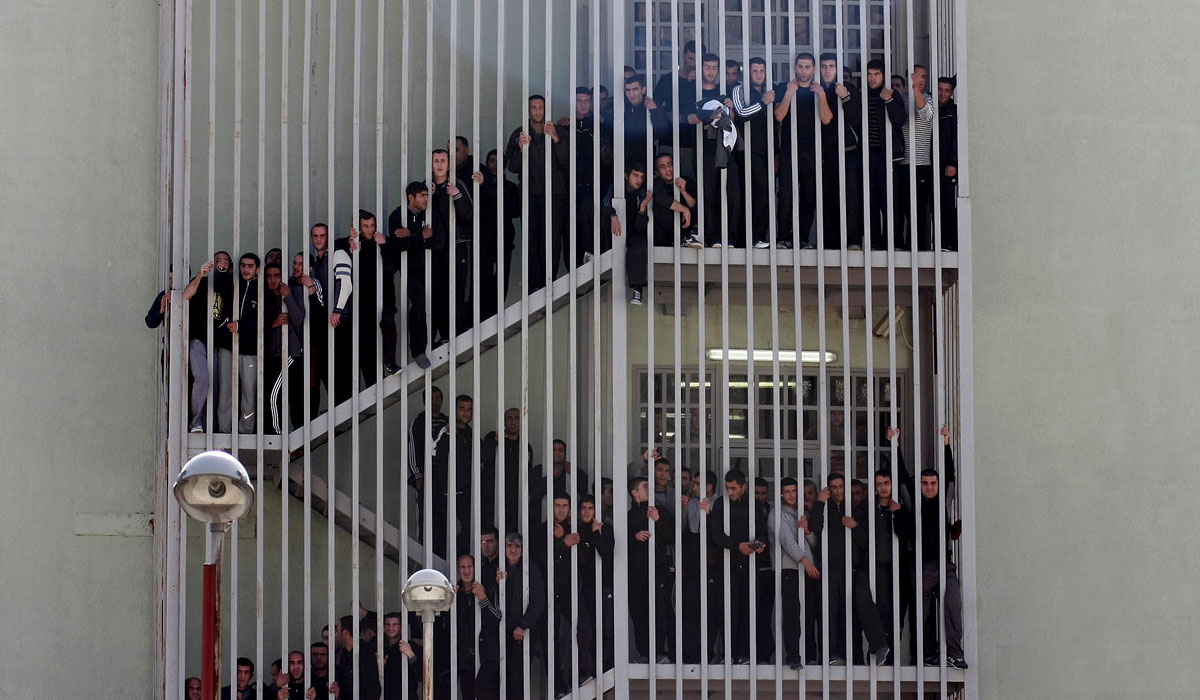
In the case of torture, 17 employees of the Ministry of Punishment were held. Six of them are sentenced to prison terms from year to six and a half years. At the same time, Georgian legislation, in accordance with international law, considers torture the grave crime. The Criminal Code provides for a harsh sanction - up to 23 years in prison. The video helped to expose the organizers and performers of torture, but none of the 17 defendants was convicted under an article on torture, which provides for severe punishment. Officials of the penitentiary administration received deadlines for articles for exceeding official powers, for negligence, for beating convicts during the so -called scarantine’s dissolution, that is, transferring to prison chambers from the chambers of preliminary imprisonment, but not for torture using a broom, clubs or a lit cigarette.
The current government is completely incompetent - unlike the previous government. Another thing is how the power of Mikhail Saakashvili used her capabilities - they mainly used for evil deeds. Under the new government, stagnation has come in the country. Society covered apathy, no one is interested in the difficult situation in prisons. During the reign of Saakashvili, our organization could attract universal attention to the situation in prisons. Now gets the impression that everyone has forgotten about this problem
The only person involved in the case, whose participation in disgusting episodes, for example, an episode with a broom, was not called into question and did not defend anyone, - Vladimir Bedukadze himself. The then General Prosecutor of Georgia, Archil Kbilashvili, decided to completely release Bedukadze from criminal liability as a reward for the fact that the former overseer issued a video from prison and handed it over to reporters. Thus, according to the Prosecutor General, "Vladimir Bedukadze brought great benefit to society, deserved condescension."
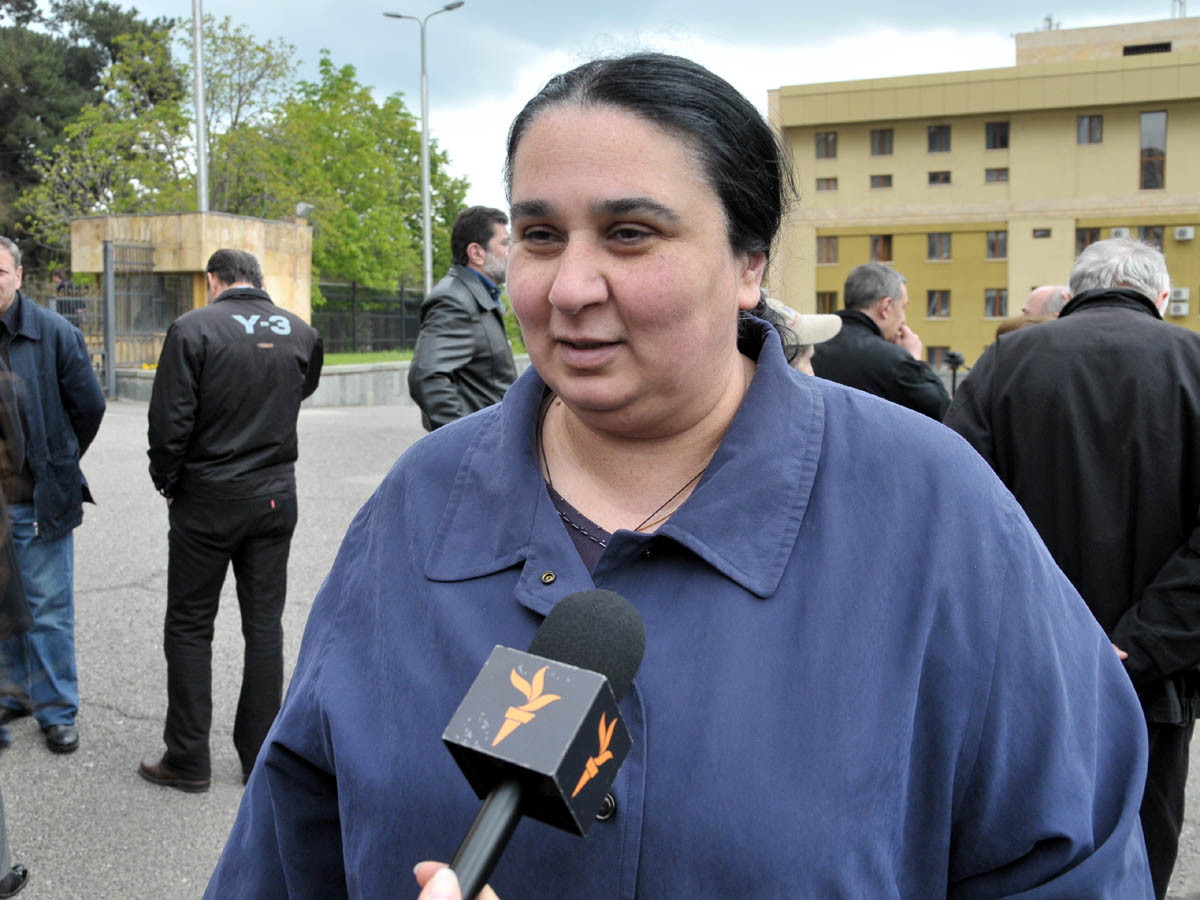
Immediately after the victory in the parliamentary elections, the Georgian Dream adopted an amnesty law. Almost a third of the 22 thousand prisoners of Georgian prisons were released, and two hundred people - with the status of "political prisoners of the Saakashvili regime." The authorities promised to fundamentally change the situation in prisons. But did they succeed in this over the past year and a half? The founder of the NGO “former political prisoners for human rights”, a dissident of the Soviet era, Nana Kakabadze: shared his opinion about this with the RS:
- The topic of protecting the rights of prisoners is no longer so relevant in society. Moreover, this did not happen because the situation has noticeably improved in prisons. Just the current government is absolutely incapable - unlike the previous government. Another thing is how the power of Mikhail Saakashvili used her capabilities - they mainly used for evil deeds. Under the new government, stagnation has come in the country. Society covered apathy, no one is interested in the difficult situation in prisons. During the reign of Saakashvili, our organization could attract universal attention to the situation in prisons. Now it seems that everyone has forgotten about this problem.
Nevertheless, Nana Kakabadze admits that torture in Georgian prisons are no longer used:
- The previous authorities kept the situation under control only by suppression methods, including systematic torture of prisoners. Any dictatorship needs suppression. Today, such facts in prisons are found, but they no longer be systematic. The new authorities simply allowed the situation in prisons by chance. Beating and torture in prisons is no longer the method of work of the administration, not a system of preserving power, but non -systemic excesses that lead, nevertheless, to grave consequences for specific prisoners.
According to Kakabadze, Georgian legislation allows you to radically improve the situation in the system of correctional institutions, but the authorities lack political will. The authorities followed the easy way - the use of criminal authorities to control the situation in prisons:
- There are no personnel or political will. It is easier to rely on criminal authorities and informal relations than on the law. If observation councils worked in prisons, which would include independent experts, the situation could be different. Mikhail Saakashvili created such advice when he was the Minister of Justice, but he abolished himself, having come to power in the country. Any power is looking for roundabout ways and will choose methods of departure from the law, if society allows it.
Any dictatorship needs suppression. Today, such facts in prisons are found, but they no longer be systematic. The new authorities simply allowed the situation in prisons by chance. Beatures and torture in prisons are no longer the method of work of the administration, not a system of preserving power, but non -systemic excesses, nevertheless, leading to grave consequences for specific prisoners
Kakabadze does not consider the verdict in the "prison case":
- The “national movement” of Mikhail Saakashvili and the “Georgian dream” of Bidzina Ivanishvili, obviously, conspired. Part of this conspiracy was an inadequate sentence to officials who tried the prisoners. But the Saakashvili party should simply be banned, torture is punished even in wartime. The US President once called Georgia a "lighthouse of democracy", and at that time people from Georgian prisons left disabled people. The new authorities of the country do not investigate these crimes, fearing that the question will arise: who supported the Saakashvili regime from outside.
Many opponents of the former president claim that international organizations, including the OSCE, allegedly turned a blind eye to the situation in Georgian prisons during the reign of Saakashvili, so as not to cast a shadow at the "Lighthouse of Democracy". How much these statements are true - a separate topic. In history with "prison torture", experts agree, a lot of political situation. However, one cannot but admit: the situation in penitentiary institutions has improved significantly. So thinks the Tbilisi lawyer Gela Nikolashvili:
- Over the past year and a half, the situation of prisoners in Georgian prisons has improved markedly. I mean the living conditions - transfers, meetings with family members.
- The torture of prisoners, what was said a lot earlier, are no longer practiced?
- There are no torture as a system in penitentiary institutions. This differs the current situation from the previous one. Separate incidents happen, but they are investigated, the perpetrators are removed from the posts or criminal cases are initiated against them. This does not mean that the situation is perfect, but in comparison with the past, improvement is still noticeable.
- The opposition claims that the power of criminal authorities returned to prisons: they supposedly control the situation and only therefore the administration does not resort to daily violence. Do you agree with this opinion?
- Only partially. The former authorities said that there were no “authorities” and thieves in law in prisons, but in fact they were there and often worked for the prison administration. Now the "authorities" act on the hint of the administration. Their influence intensified, but still it cannot be said that criminal authorities control prisons. Criminal authorities are often influenced by the reason that they are fighting for the rights of prisoners.
Despite all attempts to improve the situation in Georgian prisons, over the past year and a half, several prisoners have died from beatings or committed suicide.